01Il Pantheon Romano — Gli Dèi e il CosmoThe Roman Pantheon — The Gods and the Cosmos
La religione romana era politeista, sincretica e profondamente pubblica. Gli dèi non erano entità trascendenti con cui l'individuo cercava un rapporto personale: erano forze cosmiche che governavano la natura, la guerra, i raccolti, il destino. Il rapporto con loro era contrattuale: si offriva un sacrificio (do ut des, «do perché tu dia») e si attendeva protezione in cambio. Il concetto romano di pax deorum, la «pace degli dèi», era la condizione necessaria per la prosperità dello Stato: se le cose andavano male, significava che un rito era stato eseguito scorrettamente o che gli dèi erano stati offesi.
Roman religion was polytheistic, syncretic, and deeply public. The gods were not transcendent entities with whom the individual sought a personal relationship, they were cosmic forces governing nature, war, harvests, fate. The relationship with them was contractual: one offered a sacrifice (do ut des, "I give so that you give") and awaited protection in return. The Roman concept of pax deorum, the "peace of the gods", was the necessary condition for the prosperity of the State: if things went badly, it meant a rite had been performed incorrectly or the gods had been offended.
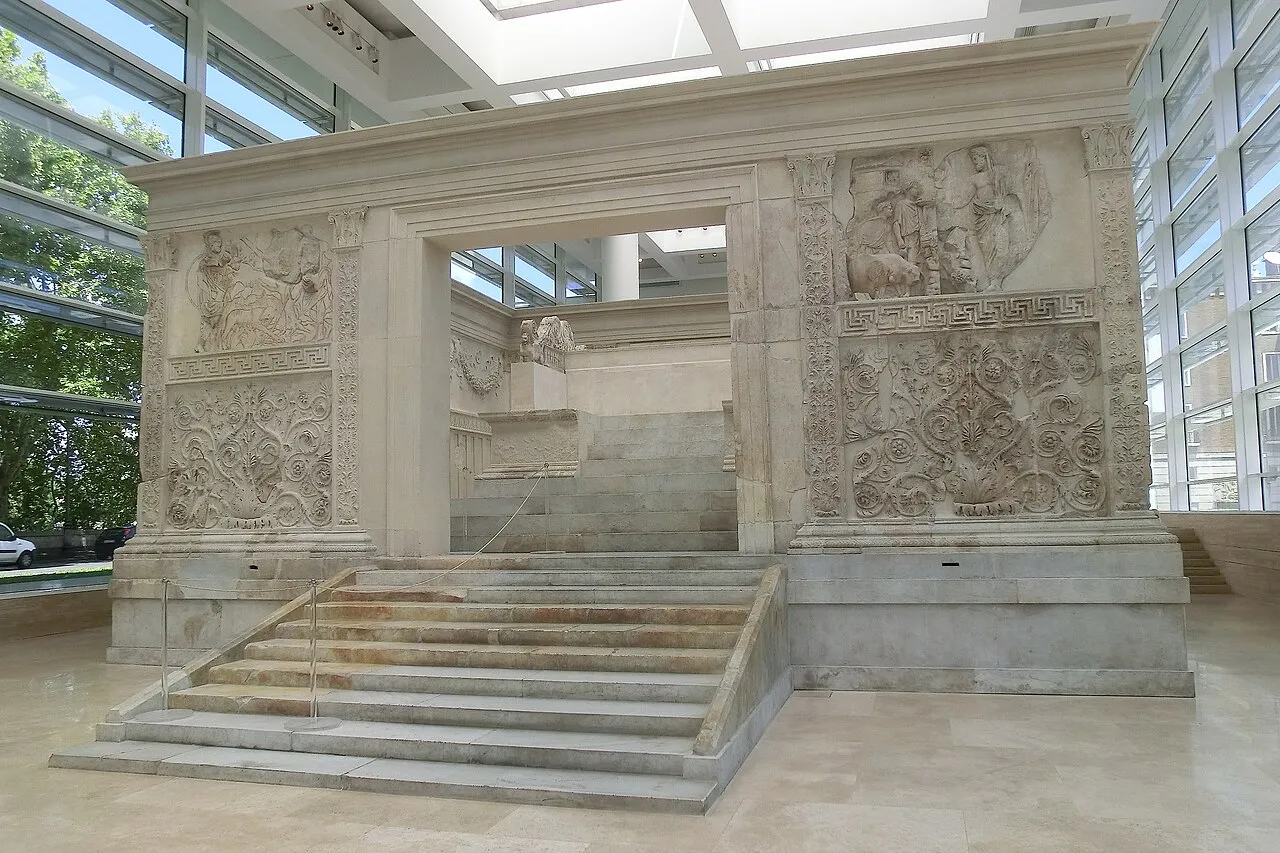
La caratteristica più potente della religione romana era la sua capacità di assimilazione. Quando Roma conquistava un popolo, non distruggeva i suoi dèi: li incorporava nel pantheon, identificandoli con divinità romane già esistenti (interpretatio romana). Zeus divenne Giove, Ares divenne Marte, Afrodite divenne Venere. Questo approccio pragmatico trasformò il pantheon romano in un contenitore vastissimo: dall'Egitto di Iside e Osiride alla Persia di Mitra, dalla Gallia di Epona alla Siria di Baal: tutti trovarono posto nell'universo religioso romano, purché non minacciassero l'ordine pubblico.
The most powerful characteristic of Roman religion was its capacity for assimilation. When Rome conquered a people, it did not destroy their gods, it incorporated them into the pantheon, identifying them with already existing Roman deities (interpretatio romana). Zeus became Jupiter, Ares became Mars, Aphrodite became Venus. This pragmatic approach transformed the Roman pantheon into a vast container: from Egypt's Isis and Osiris to Persia's Mithras, from Gaul's Epona to Syria's Baal, all found a place in the Roman religious universe, as long as they did not threaten public order.
Per un Romano non esisteva confine tra religione e Stato: erano la stessa cosa. Il calendario era un fitto reticolo di feste (i Saturnalia, i Lupercalia, i Ludi) che scandivano l'anno; nessuna seduta del Senato, nessuna battaglia, nessuna elezione poteva cominciare senza prima consultare la volontà degli dèi. Sacerdozi e magistrature erano spesso ricoperti dalle stesse persone: lo stesso uomo che comandava le legioni poteva essere augure o pontefice. Roma non «aveva» una religione: Roma era una religione, un patto perpetuo fra una città e il cielo, rinnovato ogni giorno col fumo dei sacrifici.
For a Roman there was no boundary between religion and State: they were one and the same. The calendar was a dense web of festivals (the Saturnalia, the Lupercalia, the Ludi) that marked out the year; no session of the Senate, no battle, no election could begin without first consulting the will of the gods. Priesthoods and magistracies were often held by the same persons: the very man who commanded the legions might be an augur or a pontifex. Rome did not "have" a religion: Rome was a religion, a perpetual pact between a city and the heavens, renewed each day with the smoke of sacrifices.
Re degli dèi, dio del fulmine e del cielo. Protettore di Roma: il suo tempio sul Campidoglio era il cuore religioso della città.
King of the gods, god of thunder and sky. Protector of Rome: his temple on the Capitoline was the religious heart of the city.
Regina degli dèi, protettrice del matrimonio e delle donne. Con Giove e Minerva formava la Triade Capitolina.
Queen of the gods, protector of marriage and women. With Jupiter and Minerva she formed the Capitoline Triad.
Dio della guerra, padre di Romolo. Secondo nella gerarchia dopo Giove. Il mese di marzo (Martius) porta il suo nome.
God of war, father of Romulus. Second in hierarchy after Jupiter. The month of March (Martius) bears his name.
Dea dell'amore, progenitrice della gens Iulia attraverso Enea. Giulio Cesare e Augusto si vantavano della sua discendenza.
Goddess of love, ancestress of the gens Iulia through Aeneas. Julius Caesar and Augustus boasted of her descent.
Dea della sapienza, delle arti e dei mestieri. Terzo membro della Triade Capitolina. Protettrice degli artigiani e degli strateghi.
Goddess of wisdom, arts, and crafts. Third member of the Capitoline Triad. Protector of craftsmen and strategists.
Dio della luce, della profezia, delle arti e della medicina. Il suo oracolo di Delfi era consultato anche dai Romani prima delle grandi decisioni.
God of light, prophecy, arts, and medicine. His oracle at Delphi was consulted even by Romans before major decisions.
Dea della caccia, della luna e del parto. Gemella di Apollo. Il suo santuario sul lago di Nemi era uno dei più antichi del Lazio.
Goddess of hunting, the moon, and childbirth. Twin of Apollo. Her sanctuary on Lake Nemi was one of the oldest in Latium.
Messaggero degli dèi, protettore del commercio, dei viaggiatori e dei ladri. Il suo caduceo è ancora oggi simbolo del commercio e della medicina.
Messenger of the gods, protector of commerce, travellers, and thieves. His caduceus is still today a symbol of commerce and medicine.
Dio del mare, dei terremoti e dei cavalli. Protettore dei marinai e dei cavalieri. I Neptunalia si celebravano il 23 luglio.
God of the sea, earthquakes, and horses. Protector of sailors and horsemen. The Neptunalia were celebrated on July 23.
Dio del fuoco e della metallurgia. Fabbricava le armi degli dèi. Venerato soprattutto a Ostia, porto di Roma. I Vulcanalia il 23 agosto.
God of fire and metallurgy. He forged the weapons of the gods. Especially venerated at Ostia, Rome's port. The Vulcanalia on August 23.
Dea del grano e del raccolto. Protettrice della plebe, il suo tempio sull'Aventino era il centro politico-religioso della classe plebea.
Goddess of grain and harvest. Protector of the plebeians: her temple on the Aventine was the political-religious center of the plebeian class.
Dea del focolare domestico e del fuoco sacro. Il suo fuoco nel Foro Romano non doveva mai spegnersi: era la vita stessa di Roma.
Goddess of the hearth and sacred fire. Her fire in the Roman Forum must never be extinguished: it was the very life of Rome.
Oltre ai grandi dèi pubblici, ogni famiglia romana venerava i propri Lares (spiriti protettori della casa e del focolare) e i Penates (divinità della dispensa e del cibo). Ogni casa aveva una piccola nicchia (lararium) con le statuette dei Lari di famiglia. Al mattino la famiglia offriva incenso, vino e cibo agli spiriti domestici. Questa religiosità privata era complementare alla religione pubblica: una coesisteva con l'altra senza tensioni.
Beyond the great public gods, every Roman family venerated its own Lares (protective spirits of the home and hearth) and Penates (divinities of the pantry and food). Every home had a small niche (lararium) with the family's Lar statuettes. Each morning the family offered incense, wine, and food to the domestic spirits. This private religiosity was complementary to public religion: one coexisted with the other without tension.
02Riti e Sacerdozi — Il Funzionamento del SacroRites and Priesthoods — How the Sacred Worked
La religione romana non era una questione di fede interiore, ma di ortoprassi: fare le cose giuste nel modo giusto nel momento giusto. Un rito eseguito correttamente obbligava gli dèi alla loro parte del contratto. Un errore di pronuncia durante la formula sacrificale invalidava l'intero rito, che doveva essere ripetuto da capo. Il sacerdote romano non era un intermediario spirituale tra l'individuo e il divino: era un tecnico del sacro, un esperto di procedure rituali.
Roman religion was not a matter of inner faith, it was a matter of orthopraxis: doing the right things in the right way at the right time. A correctly performed rite obligated the gods to their part of the contract. A mispronunciation during the sacrificial formula invalidated the entire rite, which had to be repeated from the beginning. The Roman priest was not a spiritual intermediary between the individual and the divine: he was a technician of the sacred, an expert in ritual procedures.
In questo universo, la più piccola imperfezione poteva rovinare tutto. Se durante la formula il sacerdote inciampava in una parola, se un topo squittiva nel momento sbagliato, se il flautista che copriva i rumori sinistri smetteva di suonare, l'intero sacrificio era nullo e andava ricominciato da capo, talvolta per decine di volte. Sopra ogni cosa vegliava l'haruspex: aperto il ventre della vittima, ne scrutava il fegato ancora caldo cercando macchie, fessure, malformazioni, e in quelle pieghe di carne leggeva il favore o l'ira degli dèi. La più potente macchina militare del mondo antico non muoveva un passo se il fegato di una pecora prometteva sventura.
In this universe, the smallest imperfection could ruin everything. If during the formula the priest stumbled over a word, if a mouse squeaked at the wrong moment, if the flute-player who masked sinister sounds stopped playing, the entire sacrifice was void and had to be begun again from the start, sometimes dozens of times. Over all of it watched the haruspex: the victim's belly opened, he scrutinised the still-warm liver for spots, fissures, malformations, and in those folds of flesh read the favour or the wrath of the gods. The most powerful military machine of the ancient world would not move a step if the liver of a sheep promised disaster.
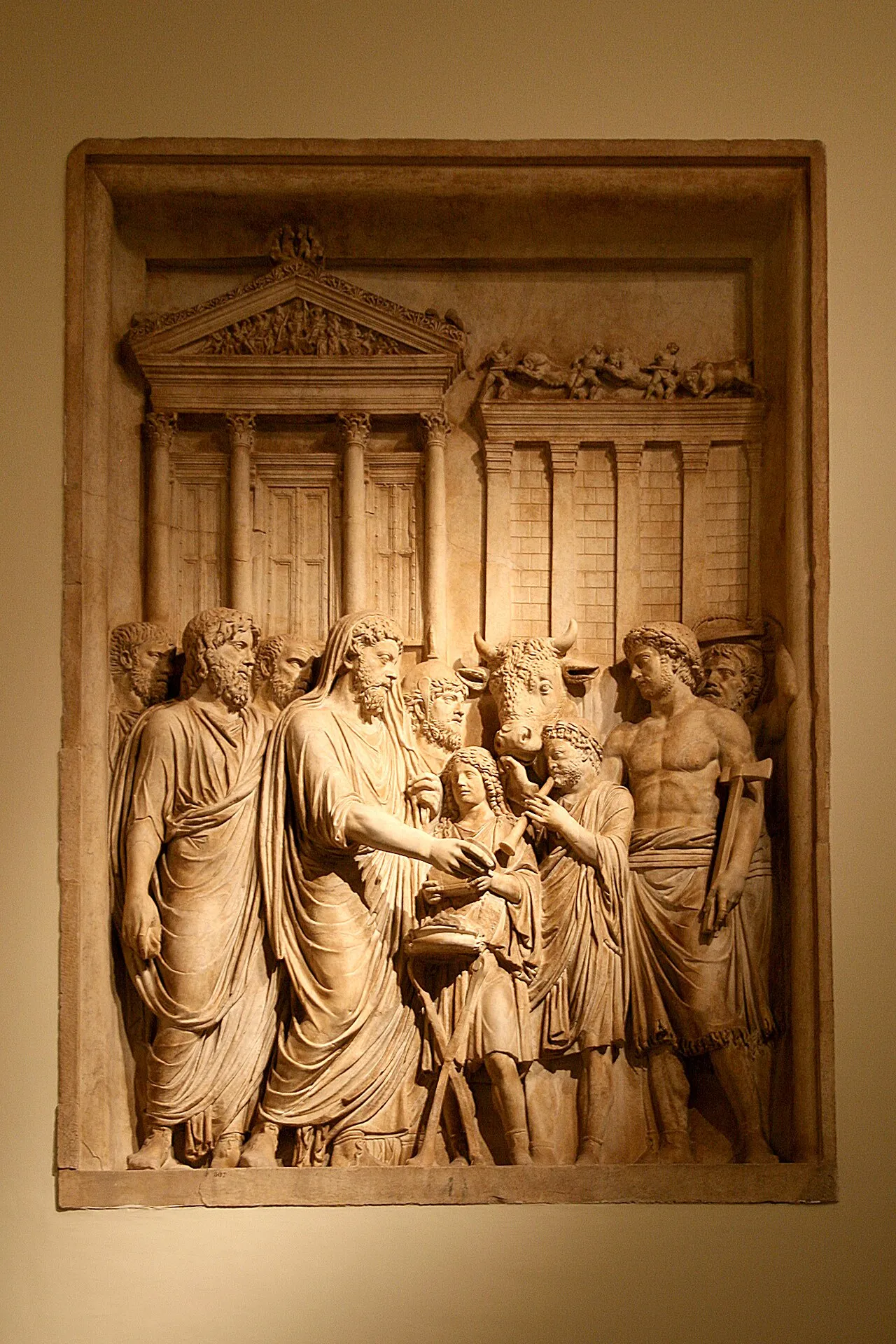
Il sacrificante officiava capite velato, con la testa coperta dalla toga: il velamento impediva che rumori o visioni impure distogliessero l'attenzione dal rito. Sul tavolo erano disposti gli strumenti rituali: capeduncula per le libagioni, patere, acerra per l'incenso. La vittima (di norma suino, ovino o bovino a seconda della divinità) veniva stordita col martello, sgozzata e aperta: l'haruspex esaminava le viscere (exta) per verificare che gli dèi avessero accettato l'offerta.
The sacrificant officiated capite velato, head covered by the toga: the veil prevented impure sounds or sights from distracting attention from the rite. On the table were arranged the ritual instruments: capeduncula for libations, paterae, acerra for incense. The victim (usually pig, sheep, or ox depending on the deity) was stunned with a hammer, throat cut and opened: the haruspex examined the entrails (exta) to verify the gods had accepted the offering.
Collegio sacerdotale supremo: custodivano il calendario religioso, sovrintendevano ai riti pubblici, interpretavano il diritto sacro. Il Pontifex Maximus era il capo, Augusto assunse la carica nel 12 a.C. Da allora divenne prerogativa imperiale. Il titolo sopravvive oggi nel Papato.
Supreme priestly college: they guarded the religious calendar, oversaw public rites, interpreted sacred law. The Pontifex Maximus was the head, Augustus assumed the office in 12 BC. From then it became an imperial prerogative. The title survives today in the Papacy.
Interpreti degli auspici: osservavano il volo degli uccelli, i fulmini, i segni nel cielo per determinare se gli dèi approvavano un'azione (battaglia, elezione, fondazione di una città). Senza auspici favorevoli, nulla di importante poteva essere intrapreso.
Interpreters of auspices: they observed the flight of birds, lightning, and signs in the sky to determine whether the gods approved an action (battle, election, founding a city). Without favourable auspices, nothing important could be undertaken.
Specialisti etruschi nell'esame delle viscere degli animali sacrificati, soprattutto del fegato (haruspicina). Il fegato di Piacenza (modello in bronzo del I sec. a.C.) mostra le zone del fegato associate a ciascuna divinità per la divinazione.
Etruscan specialists in examining the entrails of sacrificed animals, especially the liver (haruspicina). The Liver of Piacenza, a 1st-century BC bronze model, shows the liver zones associated with each deity for divination.
15 sacerdoti dedicati ciascuno al culto di una specifica divinità. I tre flamines maiores, Dialis (Giove), Martialis (Marte) e Quirinalis (Quirino), erano circondate da tabù severissimi. Il Flamen Dialis non poteva toccare ferro, farina fermentata o carne di capra.
15 priests each dedicated to the cult of a specific deity. The three flamines maiores, Dialis (Jupiter), Martialis (Mars) and Quirinalis (Quirinus), were surrounded by the strictest taboos. The Flamen Dialis could not touch iron, fermented flour, or goat meat.
I quindici custodi dei Libri Sibillini: testi profetici consultati in momenti di crisi. Sovrintendevano anche all'introduzione di nuovi culti stranieri a Roma, fungendo da filtro tra le religioni provinciali e il pantheon romano ufficiale.
The fifteen guardians of the Sibylline Books: prophetic texts consulted in moments of crisis. They also oversaw the introduction of foreign cults to Rome, acting as a filter between provincial religions and the official Roman pantheon.
Il sacrificio pubblico più importante: un sus (maiale), un ovis (pecora) e un taurus (toro) sfilano tre volte attorno all'oggetto da purificare (un campo, un esercito, i confini della città) prima di essere immolati a Marte.
The most important public sacrifice: a sus (pig), an ovis (sheep), and a taurus (bull) process three times around the object to be purified (a field, an army, the city boundaries) before being immolated to Mars.
03Le Vestali — Custodi del Fuoco SacroThe Vestal Virgins — Guardians of the Sacred Fire
Il collegio delle Vestali era l'istituzione religiosa più sacra di Roma. Sei sacerdotesse, scelte tra le fanciulle patrizie dai 6 ai 10 anni, servivano per trent'anni nella Casa delle Vestali nel Foro Romano. Il loro compito primario era mantenere vivo il fuoco sacro nel Tempio di Vesta, la fiamma eterna che, secondo la credenza romana, era legata alla sopravvivenza stessa della città. Se il fuoco si spegneva per negligenza, la Vestale colpevole veniva fustigata dal Pontifex Maximus.
The college of Vestals was the most sacred religious institution in Rome. Six priestesses, chosen from patrician girls aged 6 to 10, served for thirty years in the House of the Vestals in the Roman Forum. Their primary task was to keep the sacred fire alight in the Temple of Vesta, the eternal flame which, according to Roman belief, was linked to the very survival of the city. If the fire went out through negligence, the guilty Vestal was scourged by the Pontifex Maximus.
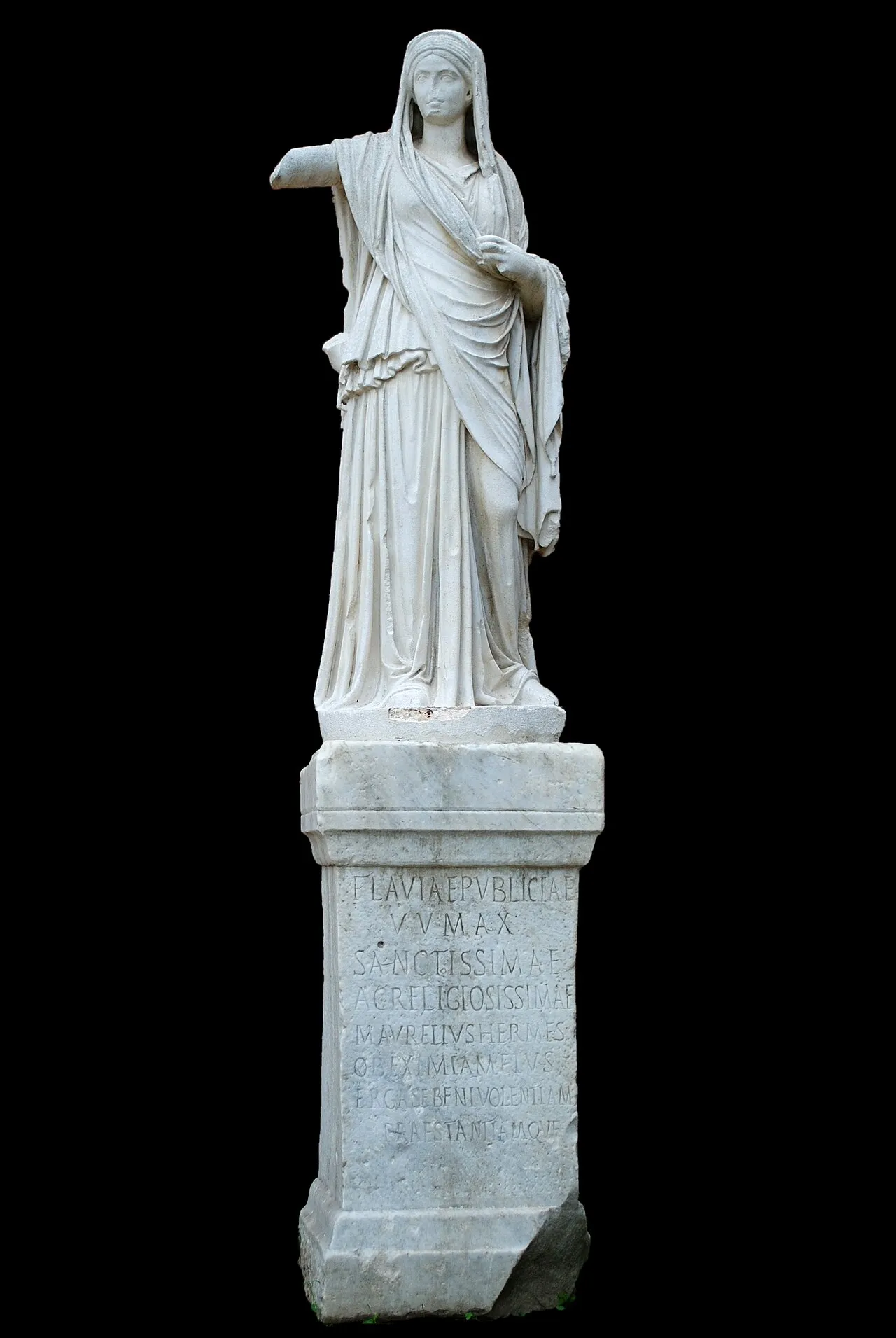
In cambio del voto di castità e di trent'anni di servizio, le Vestali godevano di privilegi straordinari, unici nel mondo romano per una donna. Erano scortate da un littore come un magistrato. Potevano possedere beni propri e fare testamento. Potevano liberare uno schiavo con il semplice tocco. Potevano graziare un condannato a morte incontrato per strada. Il Senato le consultava per custodire i testamenti dei potenti, compresi quelli di Giulio Cesare e di Augusto. La punizione per aver rotto il voto di castità era la sepoltura viva nel Campus Sceleratus, fuori dal pomerio: versare sangue di una Vestale dentro le mura era sacrilego.
In exchange for the vow of chastity and thirty years of service, the Vestals enjoyed extraordinary privileges, unique in the Roman world for a woman. They were escorted by a lictor like a magistrate. They could own property and make a will. They could free a slave with a simple touch. They could pardon a condemned man met in the street. The Senate consulted them to keep the wills of the powerful, including those of Julius Caesar and Augustus. The punishment for breaking the vow of chastity was burial alive in the Campus Sceleratus, outside the pomerium: shedding the blood of a Vestal inside the walls was sacrilegious.
In quella verginità riposava, letteralmente, la salvezza di Roma: finché le sei custodi restavano pure e la fiamma ardeva, la città era al sicuro. Per questo la rottura del voto era il più terribile dei delitti: un tradimento cosmico, non solo personale. La condanna era studiata per non versare sangue sacro: la Vestale colpevole veniva calata viva in una cella sotterranea con un po' di pane, acqua e una lampada, e l'ingresso veniva murato. La città la lasciava morire nel buio e nel silenzio, perché nessuna mano romana potesse dirsi sua assassina. Nei mille anni dell'istituzione accadde rarissime volte, ma quando accadde, come sotto Domiziano con la Vestalis Maxima Cornelia, Roma intera tratteneva il fiato.
In that virginity rested, quite literally, the safety of Rome: as long as the six guardians remained pure and the flame burned, the city was secure. For this reason the breaking of the vow was the most terrible of crimes: a cosmic betrayal, not merely a personal one. The sentence was devised so as not to spill sacred blood: the guilty Vestal was lowered alive into an underground cell with a little bread, water and a lamp, and the entrance was walled up. The city left her to die in the dark and in silence, so that no Roman hand could call itself her killer. In the thousand years of the institution it happened very rarely, but when it did, as under Domitian with the Vestalis Maxima Cornelia, all Rome held its breath.
Il fuoco sacro nel Tempio di Vesta era acceso ogni 1° marzo (Capodanno romano arcaico) e mantenuto vivo ininterrottamente per tutto l'anno. Il suo spegnimento accidentale era interpretato come presagio di catastrofe. Nel 390 a.C., quando i Galli di Brenno saccheggiarono Roma, le Vestali fuggirono portando con sé il fuoco sacro su una barca lungo il Tevere: la fiamma non si spense. L'istituzione sopravvisse alla caduta della Repubblica, all'Impero, e fu soppressa solo nel 394 d.C. dall'imperatore cristiano Teodosio, dopo quasi mille anni di continuità ininterrotta.
The sacred fire in the Temple of Vesta was lit every March 1st (archaic Roman New Year) and kept alive continuously throughout the year. Its accidental extinction was interpreted as an omen of catastrophe. In 390 BC, when the Gauls of Brennus sacked Rome, the Vestals fled carrying the sacred fire on a boat along the Tiber: the flame did not go out. The institution survived the fall of the Republic, the Empire, and was suppressed only in 394 AD by the Christian emperor Theodosius, after nearly a thousand years of unbroken continuity.
04Il Culto Imperiale e il Trionfo del CristianesimoThe Imperial Cult and the Triumph of Christianity
Con Augusto, la religione romana acquisì una nuova dimensione: il culto imperiale. Augusto non si dichiarò dio in vita, era troppo accorto, ma accettò la venerazione del suo genius (lo spirito vitale imperiale) accanto ai Lares Compitales nelle strade di Roma. Dopo la sua morte nel 14 d.C., il Senato lo consecrò, dichiarandolo divus, divinizzato. Ogni imperatore successivo sperava nella stessa deificazione post-mortem; alcuni, meno pazienti, si proclamarono dèi in vita (Caligola, Domiziano, Commodo). Il culto imperiale divenne il cemento ideologico dell'Impero: venerare l'imperatore era un atto di lealtà politica travestito da atto religioso.
With Augustus, Roman religion acquired a new dimension: the imperial cult. Augustus did not declare himself a god in life (he was too shrewd) but accepted the veneration of his genius (the imperial vital spirit) alongside the Lares Compitales in Rome's streets. After his death in AD 14, the Senate consecrated him, declaring him divus, deified. Each subsequent emperor hoped for the same post-mortem deification; some, less patient, proclaimed themselves gods in life (Caligula, Domitian, Commodus). The imperial cult became the ideological cement of the Empire: venerating the emperor was an act of political loyalty disguised as a religious act.
- 64 d.C. Nerone perseguita i cristiani dopo l'incendio di Roma: primo contatto violento tra Impero e Cristianesimo. Pietro e Paolo muoiono a Roma. Nero persecutes Christians after the fire of Rome: first violent contact between Empire and Christianity. Peter and Paul die in Rome.
- 249–251 d.C. Decio impone il primo editto di persecuzione sistematica: tutti i cittadini devono sacrificare agli dèi romani e ottenere un certificato (libellus). Chi rifiuta è condannato a morte. Decius issues the first edict of systematic persecution: all citizens must sacrifice to the Roman gods and obtain a certificate (libellus). Those who refuse are condemned to death.
- 303–313 d.C. Grande Persecuzione di Diocleziano: chiese distrutte, scripture bruciate, cristiani martirizzati. La persecuzione più intensa e sistematica della storia romana. Great Persecution of Diocletian: churches destroyed, scriptures burned, Christians martyred. The most intense and systematic persecution in Roman history.
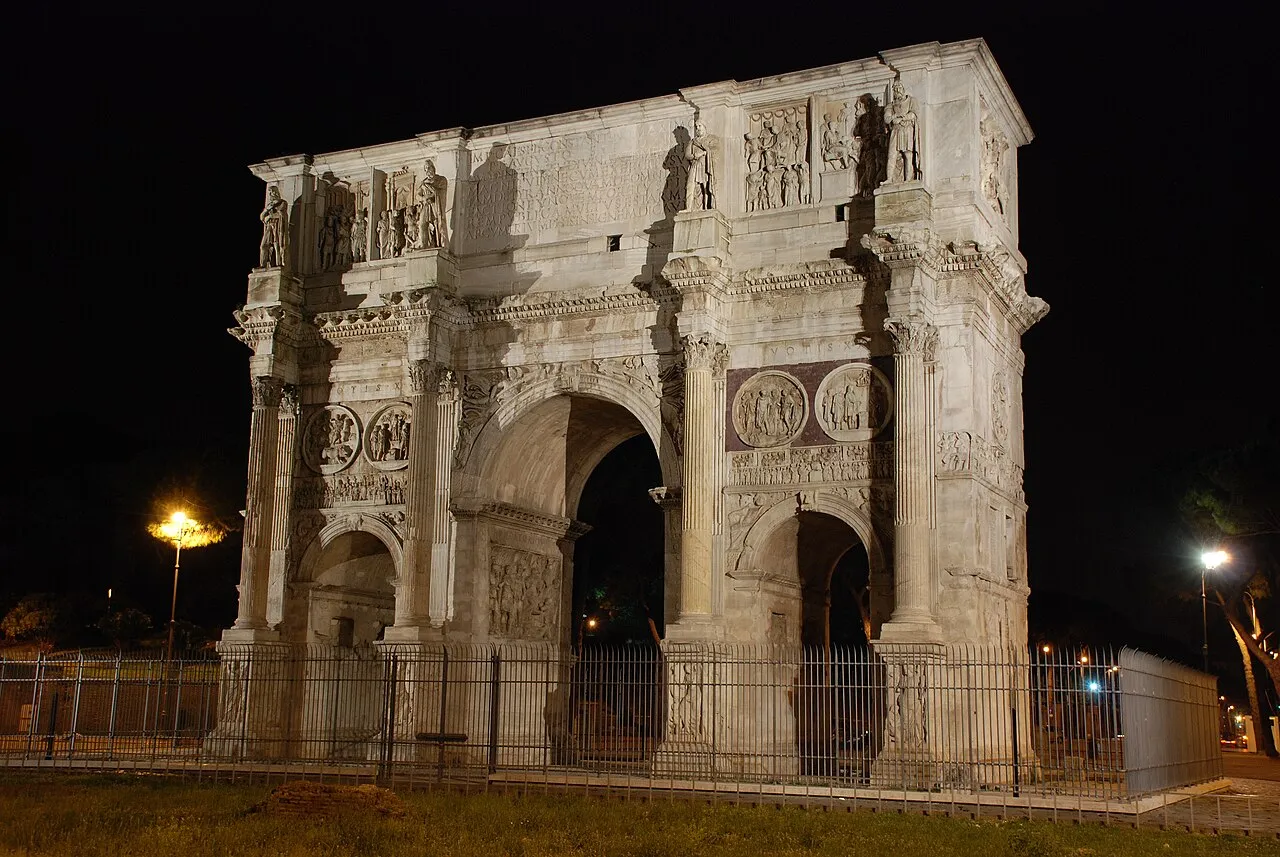
- 313 d.C. Editto di Milano: Costantino e Licinio proclamano la tolleranza religiosa universale. Il Cristianesimo diventa lecito. Fine delle persecuzioni. Edict of Milan: Constantine and Licinius proclaim universal religious tolerance. Christianity becomes lawful. End of persecutions.
- 380 d.C. Editto di Tessalonica: Teodosio I proclama il Cattolicesimo Niceno unica religione lecita dell'Impero Romano. Inizia la persecuzione dei pagani. Edict of Thessalonica: Theodosius I proclaims Nicene Catholicism the only lawful religion of the Roman Empire. Persecution of pagans begins.
- 391 d.C. Teodosio chiude tutti i templi pagani, proibisce i sacrifici e spegne il fuoco di Vesta. Fine ufficiale del paganesimo romano dopo quasi mille anni. Theodosius closes all pagan temples, bans sacrifices, and extinguishes the fire of Vesta. Official end of Roman paganism after nearly a thousand years.
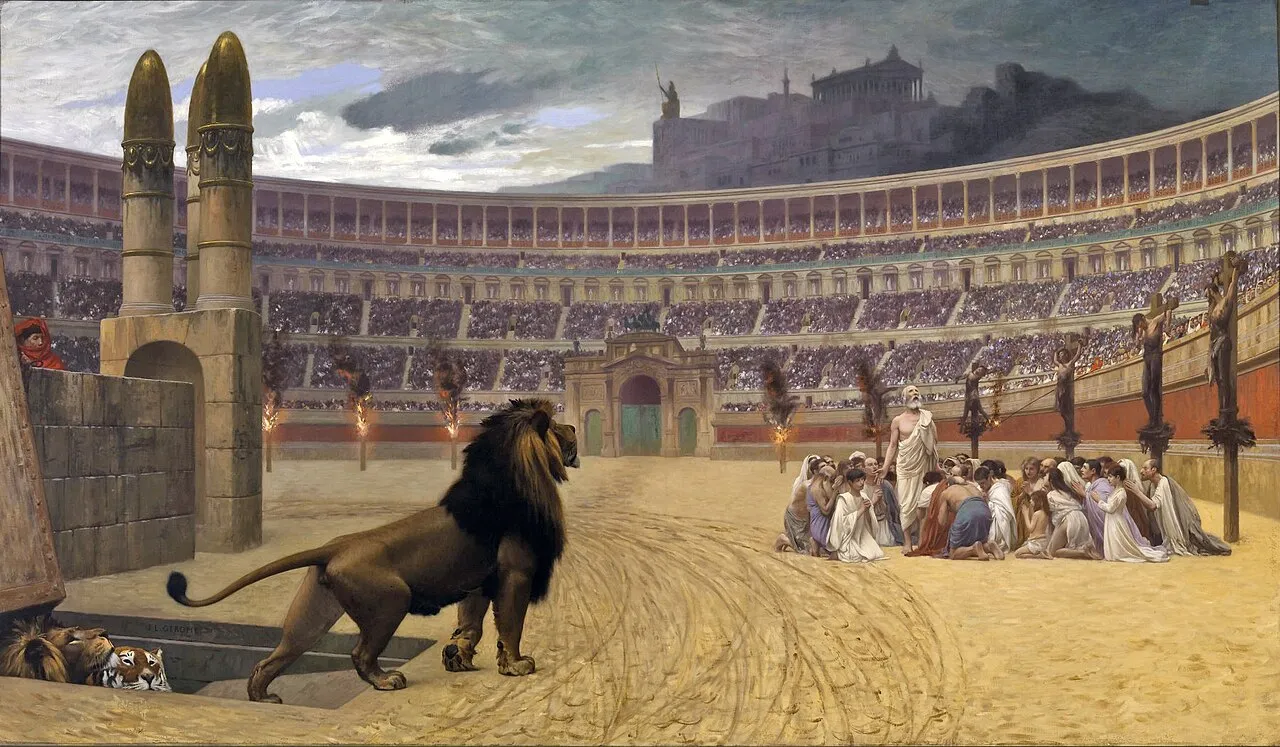
Fu la più grande rivoluzione spirituale della storia antica. Per tre secoli l'Impero aveva gettato i cristiani alle belve, eppure più li uccideva più la fede cresceva: «il sangue dei martiri è seme di cristiani», scrisse Tertulliano. Poi, in una sola generazione, tutto si capovolse: l'imperatore che un tempo li perseguitava ne fece la propria insegna, e la croce prese il posto dell'aquila. Quando nel 391 Teodosio ordinò di spegnere il fuoco di Vesta che ardeva da mille anni, non si chiudeva soltanto un tempio: si chiudeva il mondo antico. Gli stessi dèi che avevano accompagnato Roma dalla capanna di Romolo al dominio del mondo venivano congedati per sempre, ma la Chiesa che li sostituì avrebbe ereditato dal sacerdozio romano perfino il titolo del suo capo: Pontifex Maximus.
It was the greatest spiritual revolution of ancient history. For three centuries the Empire had thrown Christians to the beasts, yet the more it killed them the more the faith grew: "the blood of the martyrs is the seed of Christians", wrote Tertullian. Then, in a single generation, everything was overturned: the emperor who had once persecuted them made them his own emblem, and the cross took the place of the eagle. When in 391 Theodosius ordered the fire of Vesta, burning for a thousand years, to be extinguished, it was not merely a temple that closed: it was the ancient world. The very gods who had accompanied Rome from Romulus's hut to the mastery of the world were dismissed forever, yet the Church that replaced them would inherit from the Roman priesthood even the title of its head: Pontifex Maximus.
Il Cristianesimo offriva ciò che la religione romana non dava: una risposta alle domande individuali sulla sofferenza, sulla morte e sulla salvezza personale. In un'epoca di crisi (la destabilizzazione del III secolo, le epidemie, le invasioni) la promessa di resurrezione e vita eterna era straordinariamente potente. Ma il Cristianesimo trionfò anche per ragioni politiche: Costantino lo usò come cemento ideologico per un impero frammentato. La Chiesa con la sua struttura gerarchica e le sue reti di solidarietà divenne il nuovo collante istituzionale dell'Occidente, e sopravvisse alla caduta dell'Impero di 1.500 anni.
Christianity offered what Roman religion did not provide: an answer to individual questions about suffering, death, and personal salvation. In an era of crisis (the destabilization of the 3rd century, epidemics, invasions) the promise of resurrection and eternal life was extraordinarily powerful. But Christianity also triumphed for political reasons: Constantine used it as ideological cement for a fragmented empire. The Church with its hierarchical structure and solidarity networks became the new institutional bond of the West, and outlasted the fall of the Empire by 1,500 years.