01BiografiaBiography
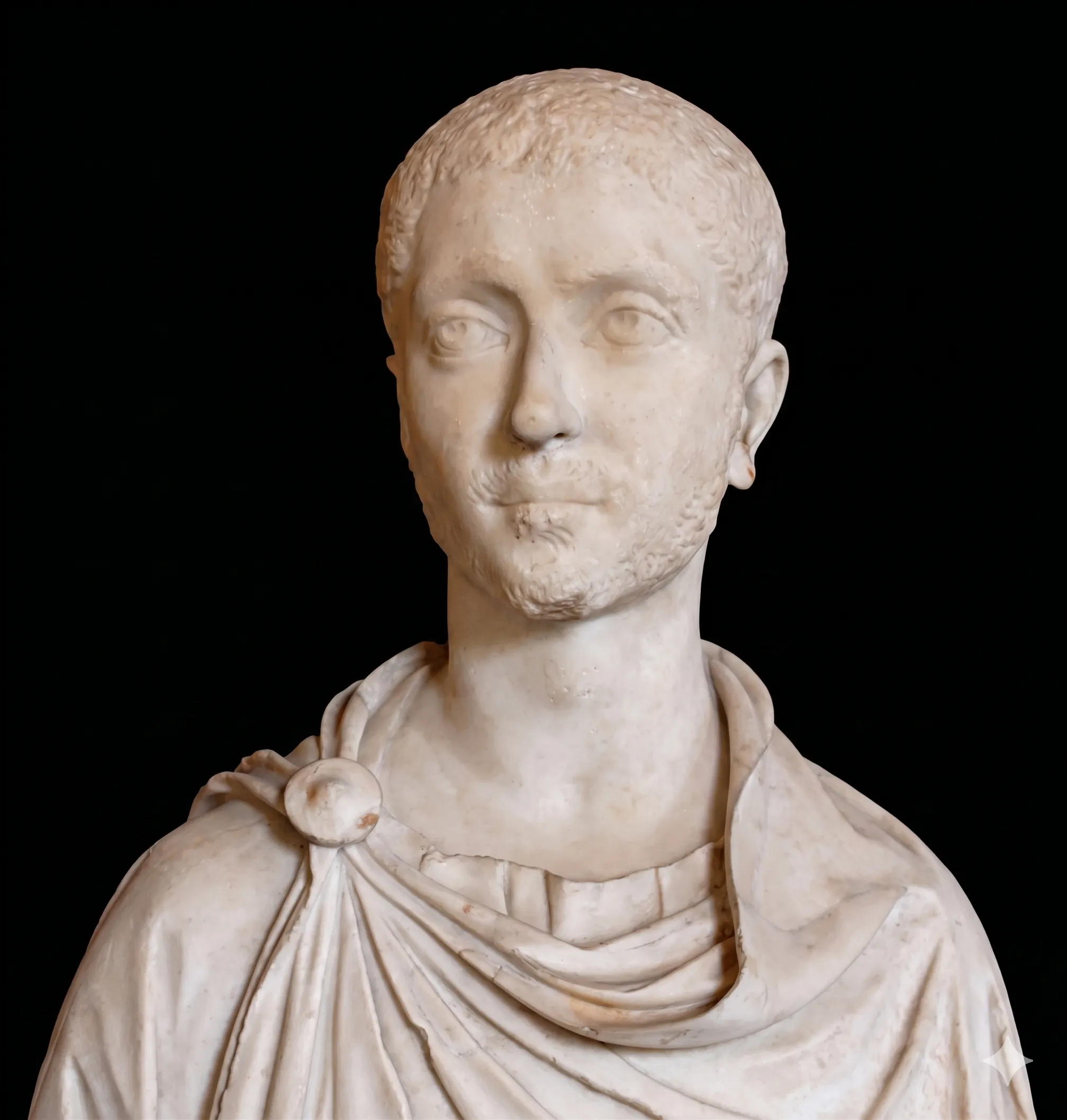
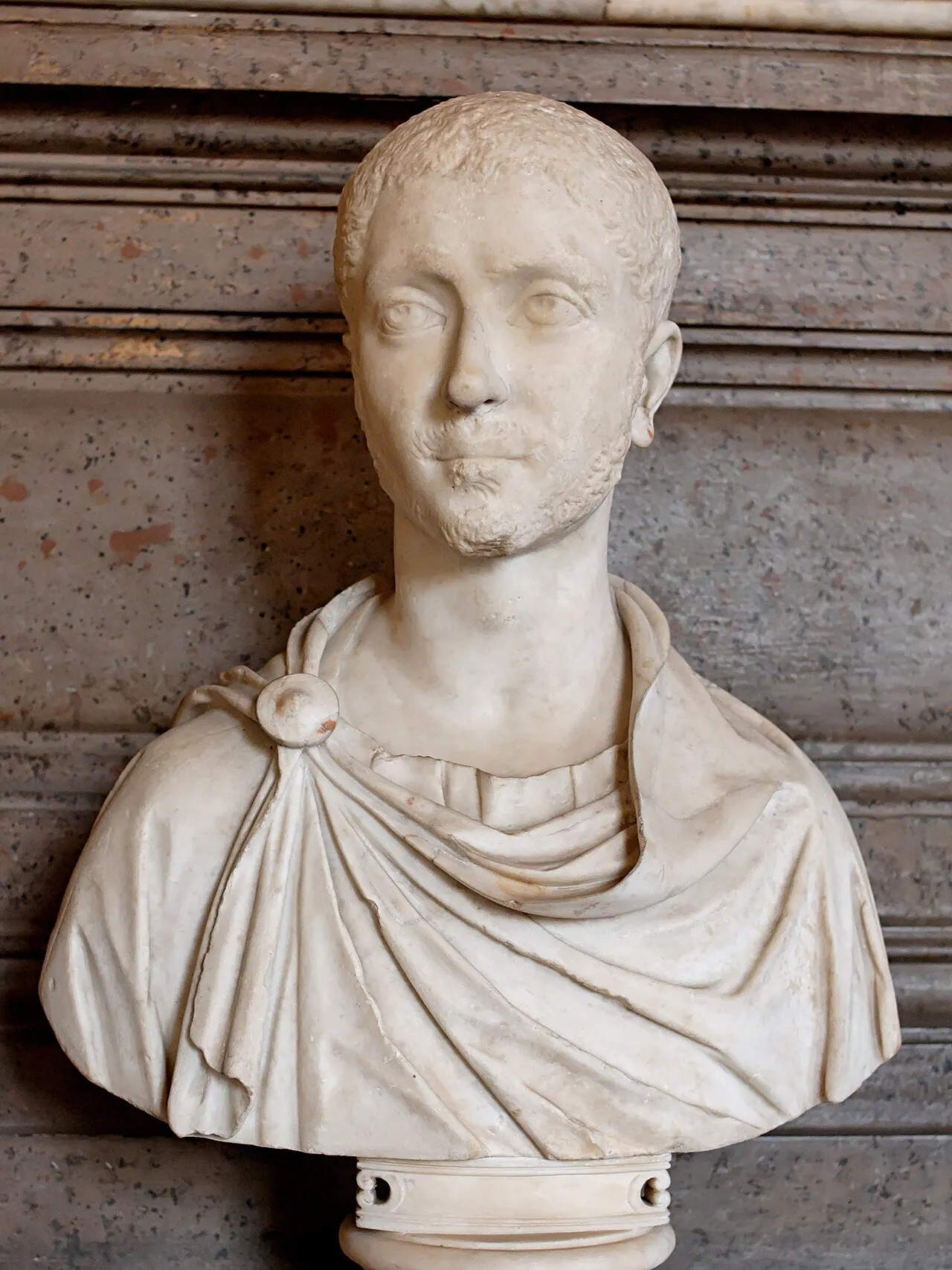
Gessius Bassiano Alexianus era cugino di Elagabalo e nipote di Giulia Mesa. Quando la nonna organizzò l'assassinio di Elagabalo nel 222, il tredicenne fu proclamato imperatore col nome di Marco Aurelio Severo Alessandro. Il suo regno fu di fatto una reggenza: dapprima guidato dalla madre Giulia Mamea e dalla nonna Giulia Mesa, poi, dopo la morte di Mesa, solo dalla madre. I senatori lo apprezzavano per la sua moderazione e il rispetto verso le istituzioni.
Gessius Bassianus Alexianus was a cousin of Elagabalus and grandson of Julia Maesa. When his grandmother organized Elagabalus's assassination in 222, the thirteen-year-old was proclaimed emperor under the name Marcus Aurelius Severus Alexander. His reign was in fact a regency: first guided by his mother Julia Mamaea and grandmother Julia Maesa, then, after Maesa's death, by his mother alone. Senators appreciated him for his moderation and respect for institutions.
Origini Siriane e AdozioneSyrian Origins and Adoption
Bassiano Alessiano nacque il 1° ottobre 208 d.C. a Arca Caesarea, in Fenicia (l'odierna Arka, in Libano), da Giulia Mamea, figlia di Giulia Mesa, e dal procuratore equestre Gessio Marciano. Era dunque pronipote di Settimio Severo per via materna. Cresciuto a Emesa nel tempio di Elagabal, ricevette un'educazione completamente diversa da quella del cugino: greco, latino, geometria, filosofia stoica. Fu Giulia Mesa a imporre l'adozione formale da parte di Elagabalo nel 221 d.C., presentandola al Senato come gesto di concordia familiare. In realtà, era già il piano di sostituzione: Mesa aveva compreso che Elagabalo era ingovernabile.
Bassianus Alexianus was born on October 1, 208 AD at Arca Caesarea, in Phoenicia (modern Arka, Lebanon), to Julia Mamaea, daughter of Julia Maesa, and the equestrian procurator Gessius Marcianus. He was therefore a great-nephew of Septimius Severus through his mother. Raised at Emesa in the temple of Elagabal, he received a completely different education from that of his cousin: Greek, Latin, geometry, Stoic philosophy. It was Julia Maesa who imposed the formal adoption by Elagabalus in 221 AD, presenting it to the Senate as a gesture of family concord. In fact, it was already the substitution plan: Maesa had understood that Elagabalus was ungovernable.
Il Governo delle DonneThe Government of Women
L'11 marzo 222, dopo l'assassinio di Elagabalo, il quattordicenne Alessandro fu condotto al Senato vestito con la toga praetexta. Il primo atto di governo fu la nomina di un consiglio di sedici senatori anziani, il consilium principis riformato, incaricato di affiancarlo in tutte le decisioni. Era una rivoluzione costituzionale: per la prima volta dall'epoca di Augusto, il principato accettava esplicitamente di condividere il potere con il Senato. Dietro questa apparenza, tuttavia, governavano realmente Giulia Mesa (fino al 224, anno della sua morte) e soprattutto la madre Giulia Mamea, donna intelligente, autoritaria, sospettosa: ogni ministro, ogni nomina, ogni decisione passava dalle sue mani. Erodiano la descrive come «la vera imperatrice di Roma».
On March 11, 222, after Elagabalus's assassination, the fourteen-year-old Alexander was led to the Senate dressed in the toga praetexta. The first act of government was the appointment of a council of sixteen senior senators, the reformed consilium principis, charged with assisting him in all decisions. It was a constitutional revolution: for the first time since the age of Augustus, the principate explicitly accepted to share power with the Senate. Behind this appearance, however, the real rulers were Julia Maesa (until 224, the year of her death) and especially his mother Julia Mamaea, an intelligent, authoritarian, suspicious woman: every minister, every appointment, every decision passed through her hands. Herodian describes her as «the true empress of Rome».
La sua fine arrivò nel 235, durante una campagna sul Reno contro i Germani. Alessandro Severo cercò di pagare i barbari per evitare la guerra, una tattica diplomatica che i soldati interpretarono come codardia. Il generale Massimino il Trace fomentò una rivolta. I soldati irruppero nella tenda imperiale e assassinarono Alessandro insieme alla madre Mamea. Aveva ventisette anni. Con lui finì la dinastia Severiana e iniziò la Crisi del III secolo: cinquant'anni di anarchia militare.
His end came in 235, during a campaign on the Rhine against the Germans. Alexander Severus tried to pay the barbarians to avoid war: a diplomatic tactic that the soldiers interpreted as cowardice. The general Maximinus Thrax fomented a revolt. Soldiers burst into the imperial tent and assassinated Alexander together with his mother Mamaea. He was twenty-seven years old. With him ended the Severan dynasty and began the Crisis of the 3rd century: fifty years of military anarchy.
02Riforme e GovernoReforms and Government
- 222–235 d.C.Restaurazione antonina — Cercò di imitare i grandi imperatori del II secolo: rispettò il Senato, ridusse le spese di corte, alleviò la pressione fiscale. Giulia Mamea portò a Roma il filosofo cristiano Origene: la prima volta che un pensatore cristiano fu ricevuto a corte.Antonine restoration — He tried to imitate the great emperors of the 2nd century: he respected the Senate, reduced court expenses, eased tax pressure. Julia Mamaea brought the Christian philosopher Origen to Rome: the first time a Christian thinker was received at court.
- 222 d.C.I Giuristi al Pretorio — Alessandro nominò prefetto del pretorio il sommo giurista Ulpiano, autore dei Libri ad edictum e dei Disputationes. Per la prima volta nella storia romana, un costituzionalista esperto comandava la Guardia Pretoriana. Era un esperimento di governo legalistico, destinato a fallire: nel 223 i pretoriani uccisero Ulpiano nelle stesse stanze imperiali, sotto gli occhi dell'imperatore impotente.The Jurists at the Praetorium — Alexander appointed the supreme jurist Ulpian, author of the Libri ad edictum and Disputationes, as praetorian prefect. For the first time in Roman history, an expert constitutionalist commanded the Praetorian Guard. It was an experiment in legalistic government, destined to fail: in 223 the praetorians killed Ulpian in the imperial chambers themselves, under the eyes of the impotent emperor.
- 222–235 d.C.Sincretismo Religioso — Nella sua lararium privato, secondo l'Historia Augusta, Alessandro venerava insieme Apollonio di Tiana, Cristo, Abramo e Orfeo. Riconobbe lo statuto giuridico delle comunità ebraiche, tollerò i cristiani senza concedere persecuzioni, e per primo permise loro di possedere edifici di culto a Roma. Il suo eclettismo religioso anticipa di un secolo il sincretismo tetrarchico.Religious Syncretism — In his private lararium, according to the Historia Augusta, Alexander venerated together Apollonius of Tyana, Christ, Abraham and Orpheus. He recognized the juridical status of Jewish communities, tolerated Christians without granting persecutions, and was the first to permit them to own places of worship in Rome. His religious eclecticism anticipates by a century the Tetrarchic syncretism.
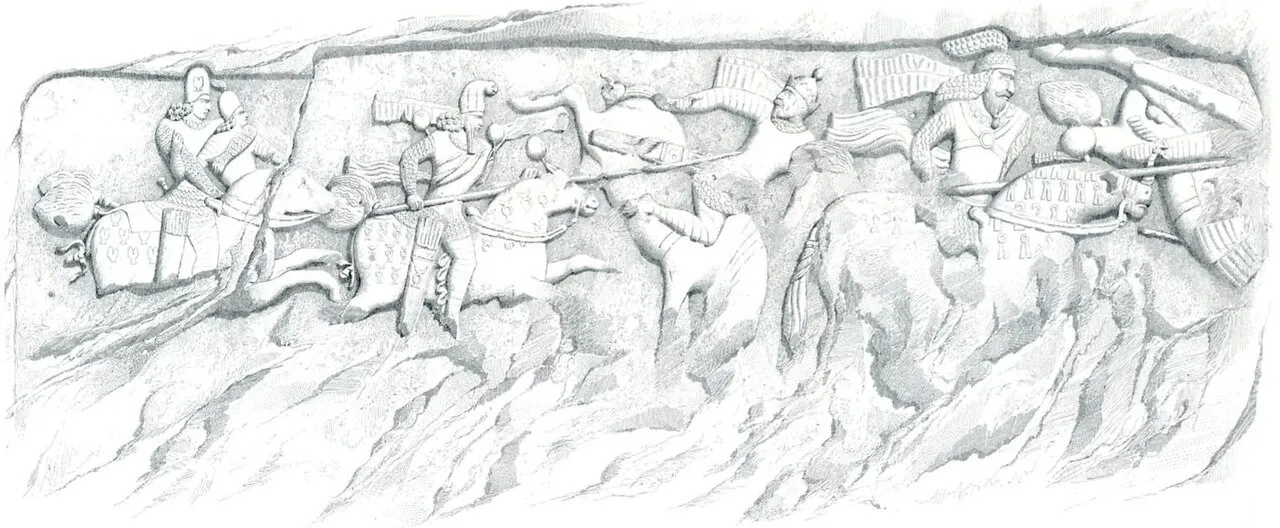
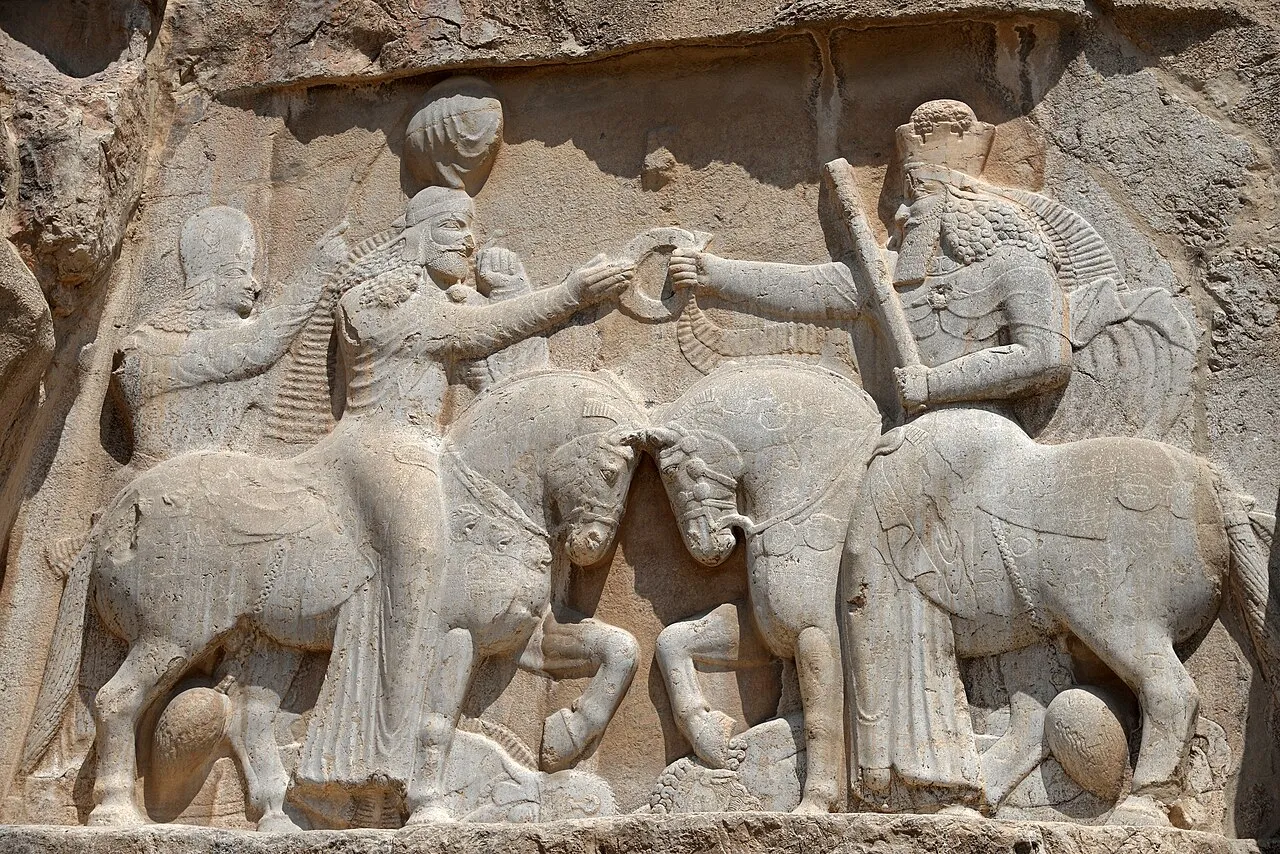
- 226–232 d.C.Guerre persiane — Nel 226 la dinastia Sasanide spazzò via i Parti e creò un nuovo Impero Persiano aggressivo. Alessandro condusse una campagna contro di essi nel 232, con risultati modesti, ma sufficenti a stabilizzare il confine orientale.Persian wars — In 226 the Sassanid dynasty swept away the Parthians and created a new aggressive Persian Empire. Alexander led a campaign against them in 232, with modest results, but enough to stabilize the eastern border.
- 232 d.C.Il Manifesto di Ctesifonte — Il re sasanide Ardashir I inviò ad Alessandro una lettera-ultimatum: rivendicava l'intera Asia Minore, la Siria, l'Egitto e la Tracia come «antica eredità di Ciro il Grande». Era la prima formulazione esplicita di un'ideologia rivendicativa persiana contro Roma. Alessandro la respinse e marciò, ma la guerra triplice (Mesopotamia, Armenia, Atropatene) si chiuse senza vittoria decisiva.The Ctesiphon Manifesto — The Sasanian king Ardashir I sent Alexander an ultimatum-letter: he claimed the entire Asia Minor, Syria, Egypt and Thrace as «ancient inheritance of Cyrus the Great». It was the first explicit formulation of a Persian claim-ideology against Rome. Alexander rejected it and marched, but the threefold war (Mesopotamia, Armenia, Atropatene) closed without decisive victory.
03L'Assassinio di Magonza (235 d.C.)The Mainz Assassination (235 AD)
Tornato dalla campagna persiana del 232, Alessandro non ebbe tregua. Già nella primavera del 234, gli Alamanni (confederazione germanica nuova, formata dai resti di Catti, Iutungi, Suebi) attraversarono il limes renano e devastarono la Gallia. L'esercito imperiale, ritirato dal fronte orientale, si concentrò a Magonza (Mogontiacum) nell'estate del 234. Era una forza enorme, circa 30.000 legionari, guidata da generali pannonici e illirici di rango equestre, fra cui Gaio Giulio Vero Massimino, soprannominato il Trace: un sottufficiale di origini contadine alto, secondo Erodiano, «otto piedi romani», famoso per la forza fisica elementare.
Returning from the Persian campaign of 232, Alexander had no respite. Already in spring 234, the Alamanni (a new Germanic confederation formed from the remnants of Chatti, Iuthungi, Suebi) crossed the Rhine limes and devastated Gaul. The imperial army, withdrawn from the eastern front, concentrated at Mainz (Mogontiacum) in summer 234. It was an enormous force (about 30,000 legionaries) led by Pannonian and Illyrian generals of equestrian rank, including Gaius Julius Verus Maximinus, nicknamed the Thracian: a non-commissioned officer of peasant origin, tall according to Herodian «eight Roman feet», famous for elemental physical strength.
La Diplomazia MaternaThe Maternal Diplomacy
Sotto consiglio di Giulia Mamea, Alessandro decise di evitare la battaglia campale, i Romani avevano perso troppi uomini in Persia, e tentare la pacificazione attraverso il pagamento di un sussidio (stipendium) ai capi alamanni. La cifra era enorme: secondo Erodiano, «quanto bastava per saziare la loro ingordigia per anni». Per le legioni, abituate alla tradizione di Settimio Severo («arricchite i soldati, sprezzate tutti gli altri»), il sussidio ai barbari era un'umiliazione: i loro bottini di guerra sarebbero finiti in mani avversarie. Il malumore crebbe nelle settimane successive. Massimino, comandante dei reclutati pannonici, alimentò segretamente l'agitazione.
Under Julia Mamaea's advice, Alexander decided to avoid pitched battle, the Romans had lost too many men in Persia, and attempt pacification through payment of a subsidy (stipendium) to the Alamannic chiefs. The figure was enormous: according to Herodian, «enough to satisfy their greed for years». For the legions, accustomed to the tradition of Septimius Severus («enrich the soldiers, scorn all others»), the subsidy to the barbarians was a humiliation: their war booty would end up in enemy hands. Discontent grew in the following weeks. Maximinus, commander of the Pannonian recruits, secretly fed the agitation.
L'Ammutinamento (marzo 235)The Mutiny (March 235)
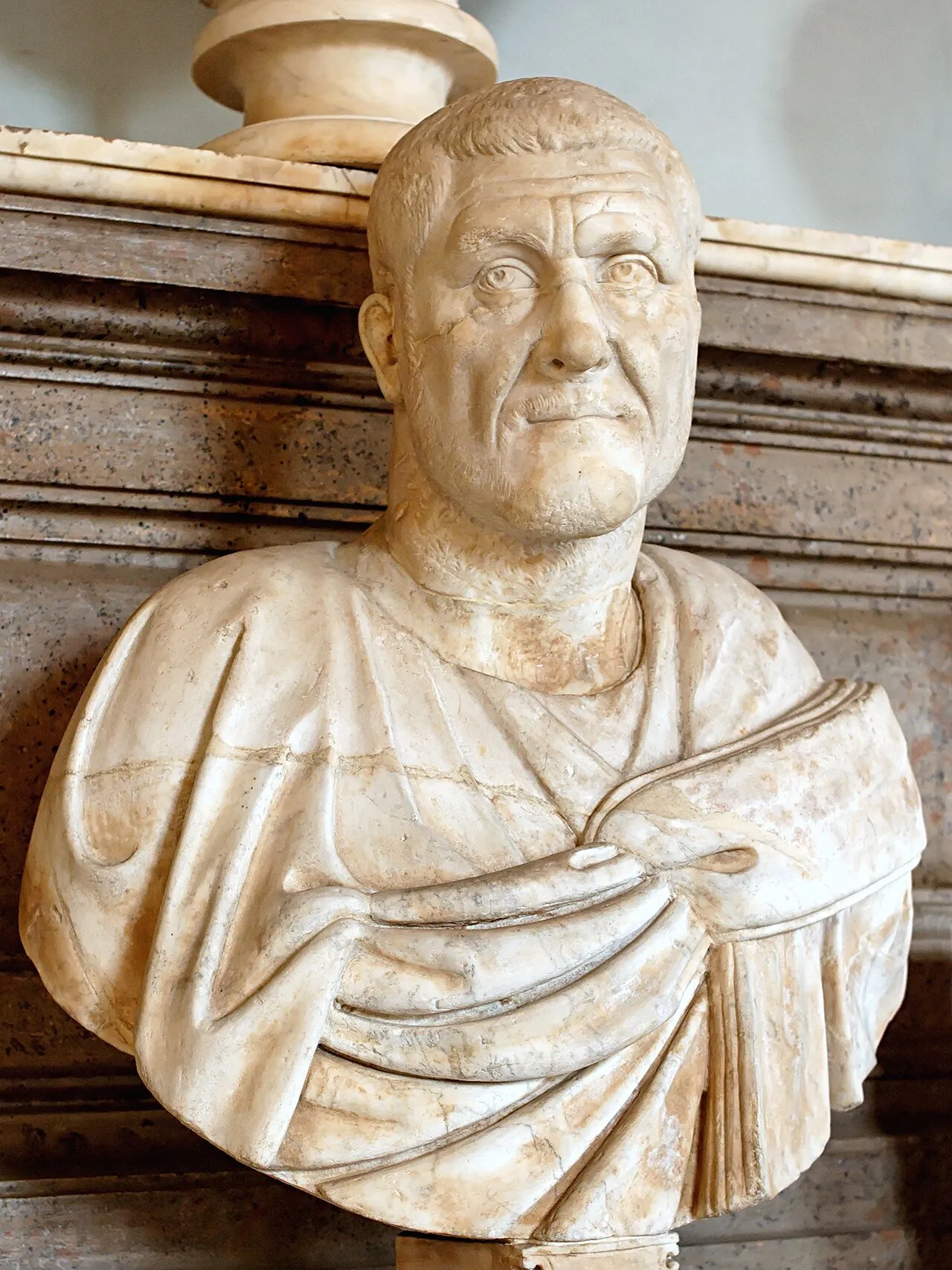
Una mattina di marzo del 235, durante l'addestramento al campo di Mogontiacum, le legioni acclamarono Massimino come imperatore. Alessandro fu avvertito mentre era nella propria tenda con la madre. Erodiano descrive la scena: «L'imperatore si attaccò al collo della madre, piangendo, accusandola di averlo rovinato con la sua avarizia». Pochi minuti dopo, un drappello di soldati di Massimino entrò nella tenda. Trovarono madre e figlio abbracciati. Li uccisero entrambi sul posto. Alessandro aveva 26 anni e mezzo; Mamea, circa 55. La data tradizionale è il 18 o 19 marzo del 235.
One morning in March 235, during training at the camp of Mogontiacum, the legions acclaimed Maximinus as emperor. Alexander was warned while in his own tent with his mother. Herodian describes the scene: «The emperor clung to his mother's neck, weeping, accusing her of having ruined him through her avarice». A few minutes later, a detachment of Maximinus's soldiers entered the tent. They found mother and son embracing. They killed them both on the spot. Alexander was 26 and a half; Mamaea, about 55. The traditional date is March 18 or 19, 235.
Massimino il Trace fu acclamato Augusto sul posto. Era il primo imperatore di origini completamente contadine, mai senatore, mai questore, mai pretore: il principato senatorio era tecnicamente morto da Macrino, ma con Massimino la rottura si compì anche socialmente. Iniziava ufficialmente l'Anarchia Militare.
Maximinus the Thracian was acclaimed Augustus on the spot. He was the first emperor of completely peasant origins, never a senator, never a quaestor, never a praetor: the senatorial principate had been technically dead since Macrinus, but with Maximinus the rupture was also completed socially. The Military Anarchy officially began.
04La Fine di un'EpocaThe End of an Era
La morte di Alessandro Severo nel 235 d.C. fu uno spartiacque nella storia romana. Con lui finì l'ultima dinastia stabile dell'Impero, i Severi, e iniziò quello che gli storici chiamano la "Crisi del III secolo" o "Anarchia militare": cinquant'anni in cui si susseguirono decine di imperatori, quasi tutti assassinati dai propri soldati, mentre le frontiere venivano sfondate da Persiani a est e Germani a nord, la peste devastava le popolazioni, e l'economia crollava.
The death of Alexander Severus in 235 AD was a watershed in Roman history. With him ended the last stable dynasty of the Empire, the Severans, and began what historians call the "Crisis of the 3rd century" or "Military Anarchy": fifty years in which dozens of emperors succeeded each other, almost all assassinated by their own soldiers, while the borders were broken through by Persians in the east and Germans in the north, plague devastated populations, and the economy collapsed.
L'Ultimo SeveroThe Last Severan
Con Alessandro si estingue l'unica dinastia romana di origine siro-africana: la Severiana. In 42 anni (193–235), questa famiglia provinciale aveva rinnovato la classe dirigente, esteso la cittadinanza universale (con la Constitutio Antoniniana del cugino Caracalla, 212), integrato Oriente e Occidente, e prodotto il primo grande riformatore giuridico (Settimio Severo) e l'unico vero principe filosofo del III secolo (Alessandro stesso). La sua morte interruppe la prima vera monarchia mediterranea della storia romana.
With Alexander the only Roman dynasty of Syro-African origin, the Severan, was extinguished. In 42 years (193–235), this provincial family had renewed the ruling class, extended universal citizenship (with the Constitutio Antoniniana of his cousin Caracalla, 212), integrated East and West, and produced the first great juridical reformer (Septimius Severus) and the only true philosopher-prince of the 3rd century (Alexander himself). His death interrupted the first true Mediterranean monarchy in Roman history.
Il Giudizio StoriograficoThe Historiographical Verdict
L'Historia Augusta dedica ad Alessandro la più lunga e idealizzata biografia del corpus, presentandolo come «princeps optimus» — l'imperatore ideale. Edward Gibbon ne riprende il giudizio: «l'ultimo imperatore di virtù romana». Theodor Mommsen lo definì «un giovane di buon cuore, oppresso da una madre dispotica e da un'epoca al di sopra delle sue forze». Lo storico contemporaneo Karl Strobel (Das Imperium Romanum im '3. Jahrhundert', 1993) propone una rilettura più sobria: Alessandro non fu né un debole né un fallito, ma il capro espiatorio di una crisi strutturale (peste, inflazione, doppia minaccia germanico-sasanide) che nessun imperatore individuale avrebbe potuto risolvere senza una completa militarizzazione dell'apparato statale, cosa che proprio lui aveva cercato di evitare.
The Historia Augusta dedicates to Alexander the longest and most idealized biography of the corpus, presenting him as «princeps optimus» — the ideal emperor. Edward Gibbon takes up the verdict: «the last emperor of Roman virtue». Theodor Mommsen defined him as «a young man of good heart, oppressed by a despotic mother and by an age beyond his strength». The contemporary historian Karl Strobel (Das Imperium Romanum im '3. Jahrhundert', 1993) proposes a more sober re-reading: Alexander was neither a weakling nor a failure, but the scapegoat of a structural crisis (plague, inflation, double Germanic-Sasanian threat) that no individual emperor could have resolved without a complete militarization of the state apparatus, which is precisely what he had sought to avoid.