01BiografiaBiography
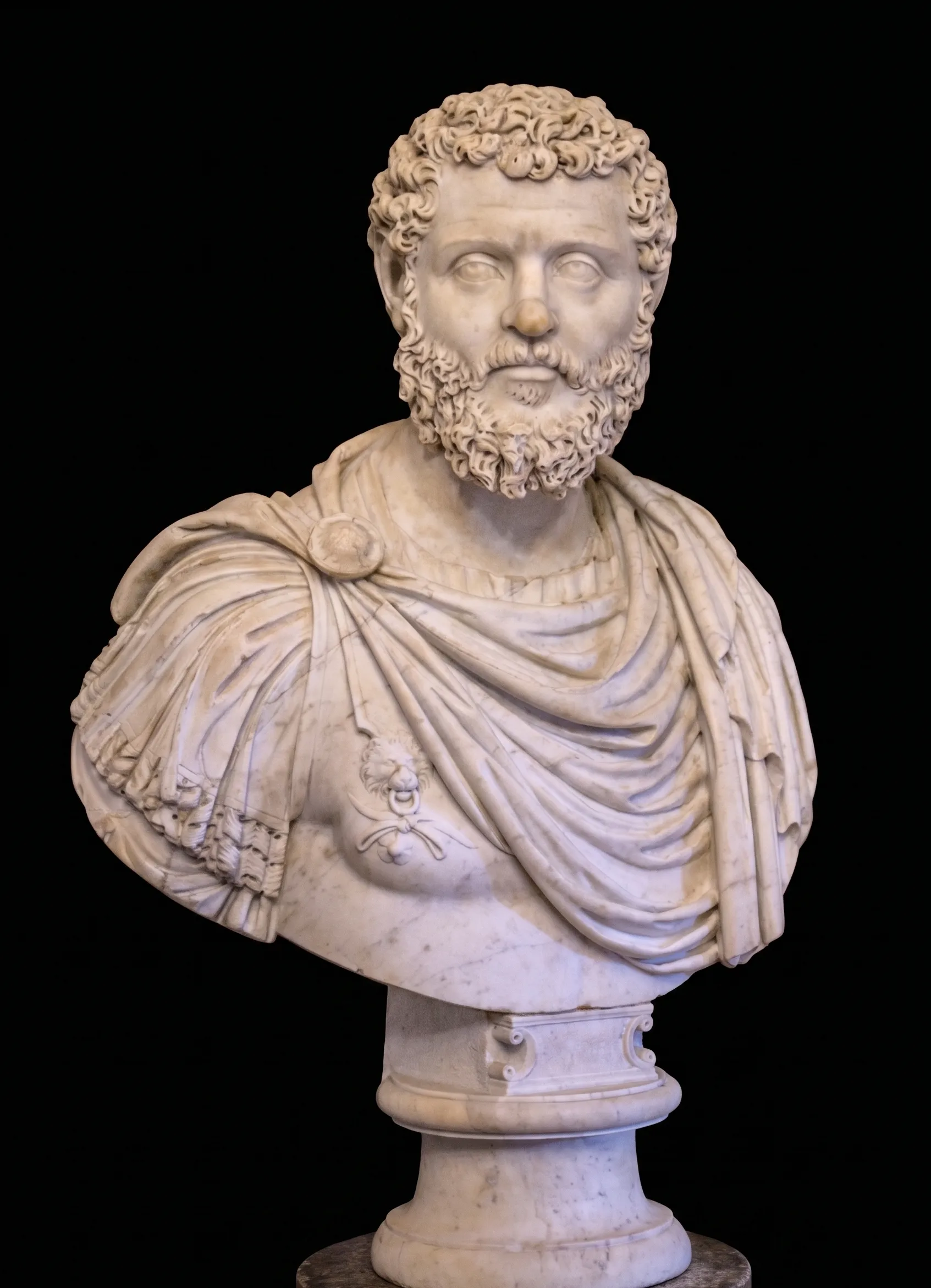
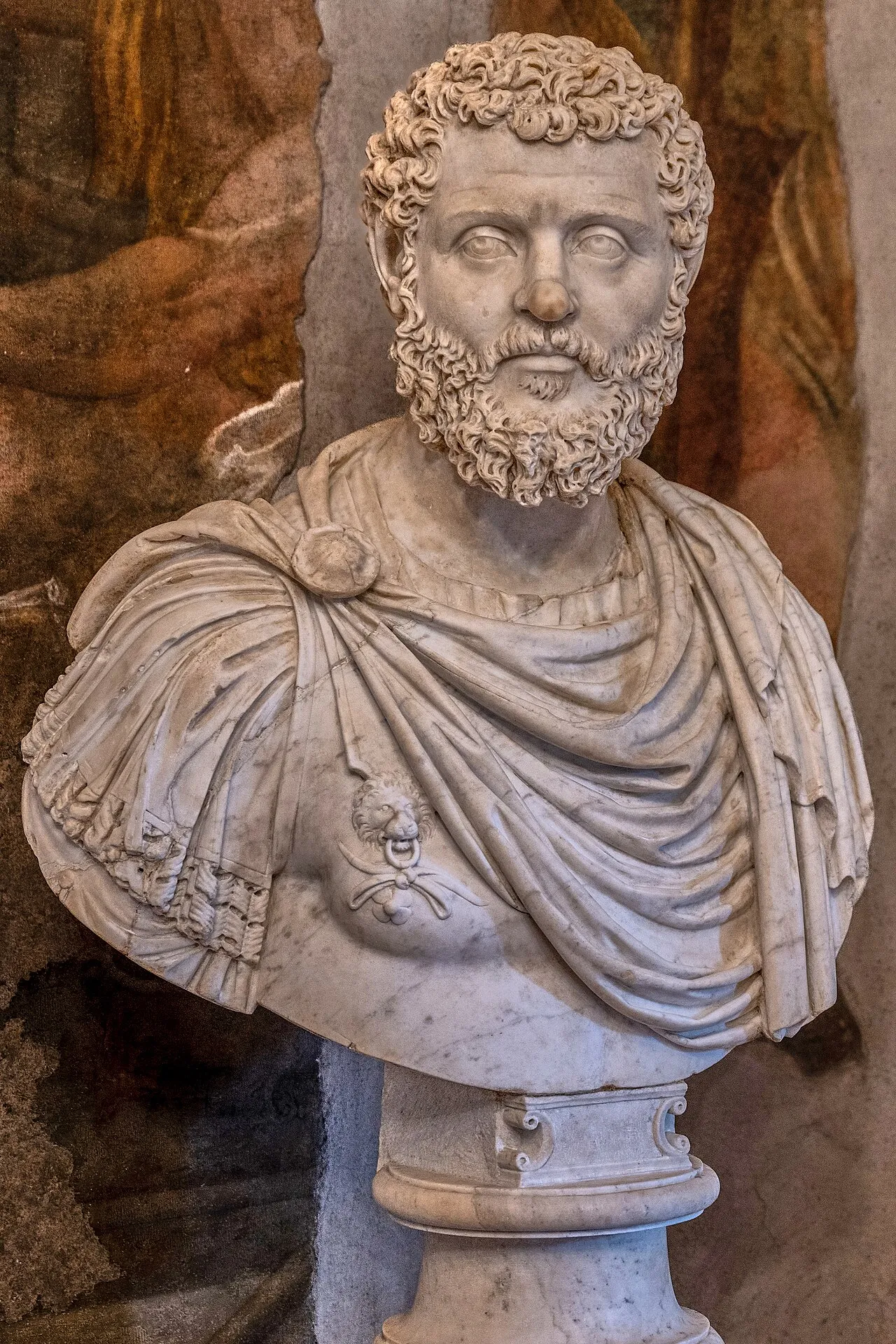
Marco Didio Giuliano era un ricchissimo senatore di origini milanesi, che aveva fatto una rispettabile carriera militare e amministrativa. Quando la Guardia Pretoriana uccise Pertinace e mise all'asta il trono imperiale, Giuliano si presentò alle porte dei caserme con una controproposta: promise 25.000 sesterzi a testa a ogni soldato. Superò di pochi sesterzi la proposta del suocero Sulpiciano. Era il 28 marzo del 193. La notizia si diffuse in tutta Roma con scandalo universale.
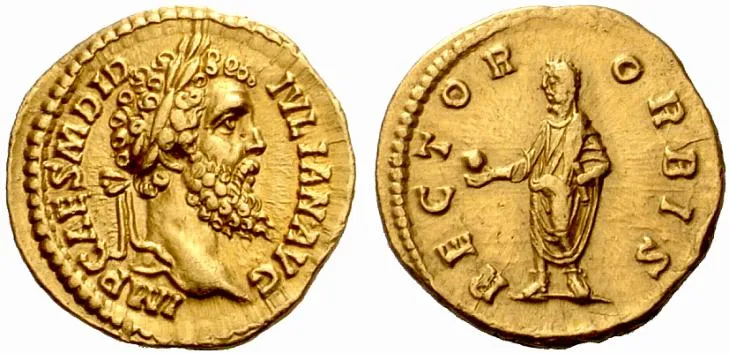
Marcus Didius Julianus was a very wealthy senator of Milanese origins who had made a respectable military and administrative career. When the Praetorian Guard killed Pertinax and auctioned off the imperial throne, Julianus appeared at the barracks gate with a counter-offer: he promised 25,000 sesterces per soldier. He outbid his father-in-law Sulpicianus by a few sesterces. It was March 28, 193. The news spread throughout Rome with universal scandal.
Origini e CarrieraOrigins and Career
Didio Giuliano nacque a Mediolanum (Milano) il 30 gennaio del 133 d.C. da una famiglia di rango equestre originaria del Norditalia, con legami in Africa Proconsolare. La madre era figlia di un giurista celebre, Salvio Giuliano, autore dell'Edictum Perpetuum sotto Adriano. Crebbe nella villa di Domizia Lucilla, madre di Marco Aurelio: quella stessa Lucilla che farà di Pertinace il proprio protetto. I due futuri rivali, paradossalmente, condividevano la stessa madrina politica.
Didius Julianus was born at Mediolanum (Milan) on January 30, 133 AD into an equestrian family from northern Italy, with ties to Africa Proconsularis. His mother was the daughter of a famous jurist, Salvius Julianus, author of the Edictum Perpetuum under Hadrian. He grew up in the villa of Domitia Lucilla, mother of Marcus Aurelius: that same Lucilla who would make Pertinax her own protégé. The two future rivals, paradoxically, shared the same political godmother.
Compì il classico cursus honorum: vigintivirato, questura, edilità, pretura. Poi una serie di comandi militari: legato della Legio XXII Primigenia in Germania (170-173), governatore della Gallia Belgica, dove respinse l'invasione dei Cauci con una difesa improvvisata. Fu console nel 175 d.C. assieme a Pertinace stesso: i due si conoscevano da decenni. Successivamente governò la Dalmazia, la Germania Inferiore e infine il proconsolato d'Africa (190). La sua reputazione era quella di un amministratore solido, ricco, senza grandi ambizioni: niente che presagisse la follia del marzo 193.
He completed the classic cursus honorum: vigintivirate, quaestorship, aedileship, praetorship. Then a series of military commands: legate of the Legio XXII Primigenia in Germany (170-173), governor of Gallia Belgica, where he repelled the invasion of the Chauci with an improvised defense. He was consul in 175 AD together with Pertinax himself: the two had known each other for decades. He subsequently governed Dalmatia, Lower Germany and finally the proconsulship of Africa (190). His reputation was that of a solid, wealthy administrator, without great ambitions, nothing that foretold the madness of March 193.
02L'Asta del TronoThe Auction of the Throne
Quella sera del 28 marzo 193 Didio Giuliano stava cenando con la moglie Manlia Scantilla e la figlia Didia Clara nella sua villa sull'Aventino. Genero e nipote, Cornelio Repentino e Tullio Crispino, gli portarono la notizia dell'assassinio di Pertinace e dell'asta in corso al Castrum Praetorium. Lo persuasero a presentarsi. Giuliano, ubriaco, secondo Cassio Dione, partì in fretta senza nemmeno cambiarsi la veste da tavola.
That evening of March 28, 193 Didius Julianus was dining with his wife Manlia Scantilla and his daughter Didia Clara in his villa on the Aventine. His son-in-law and nephew, Cornelius Repentinus and Tullius Crispinus, brought him the news of Pertinax's assassination and the auction underway at the Castrum Praetorium. They persuaded him to present himself. Julianus, drunk, according to Cassius Dio, left in haste without even changing his dinner clothes.
La Trattativa sui MuriThe Negotiation on the Walls
All'interno del campo, il prefetto urbano Tito Flavio Sulpiciano, suocero del defunto Pertinace, stava già contrattando coi pretoriani. Aveva proposto 20.000 sesterzi a testa. Giuliano, escluso dall'ingresso, dovette gridare la propria offerta dall'esterno: i pretoriani la riferirono dentro le mura, e Sulpiciano rilanciò. Si scatenò un'asta vera e propria, gridata sopra i bastioni. Erodiano racconta che «si raggiunsero cifre incredibili», e che ogni rilancio fu battuto da quello successivo come al circo. Alla fine Giuliano sparò la cifra di 25.000 sesterzi a testa, circa 6 stipendi annuali di un pretoriano, promettendoli in oro contante immediato. Sulpiciano, che aveva offerto somme maggiori ma su credito futuro, perdette.
Inside the camp, the urban prefect Titus Flavius Sulpicianus, father-in-law of the deceased Pertinax, was already bargaining with the praetorians. He had proposed 20,000 sesterces per head. Julianus, excluded from entry, had to shout his offer from outside: the praetorians relayed it inside the walls, and Sulpicianus raised. A genuine auction broke out, shouted over the ramparts. Herodian recounts that «incredible sums were reached», and that every raise was outbid by the next as if at the circus. In the end Julianus blurted out the figure of 25,000 sesterces per head, about 6 annual salaries of a praetorian, promising them in immediate cash gold. Sulpicianus, who had offered larger sums but on future credit, lost.
All'ingresso ufficiale in Senato, la mattina seguente, Giuliano fu accolto con silenzio di tomba. I senatori, terrorizzati, votarono comunque tutti i titoli (Augusto, Padre della Patria, Pontefice Massimo) e ratificarono l'elezione. Il popolo romano, invece, lo accolse con fischi e insulti: quando attraversò il Foro per i sacrifici al Tempio di Giove, dovette farsi proteggere da una scorta armata di pretoriani. Cassio Dione scrive che «in quella sola giornata si chiuse la finzione del principato augusteo».
At the official entry into the Senate, the following morning, Julianus was greeted with tomb-like silence. The senators, terrified, voted him all the titles anyway (Augustus, Father of the Fatherland, Pontifex Maximus) and ratified the election. The Roman people, however, greeted him with boos and insults: when he crossed the Forum for the sacrifices at the Temple of Jupiter, he had to be protected by an armed escort of praetorians. Cassius Dio writes that «on that single day closed the fiction of the Augustan principate».
03Le Tre Rivolte delle LegioniThe Three Legionary Revolts
Quando la notizia raggiunse le frontiere, l'esercito non accettò. In poche settimane tre governatori si proclamarono Augustus:
When the news reached the frontiers, the army did not accept. Within a few weeks three governors proclaimed themselves Augustus:
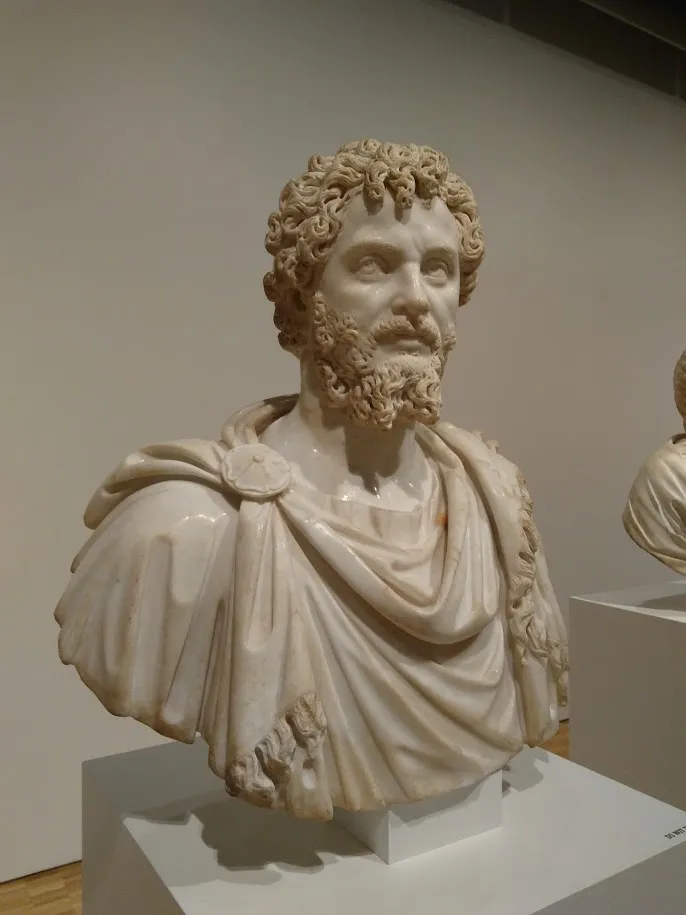
- 9 aprile 193Settimio Severo a Carnuntum, Pannonia: tre legioni danubiane lo acclamarono. Severo, africano di Leptis Magna, era il più vicino a Roma (16 giorni di marcia forzata). Adottò strategicamente il nome di «Pertinace» nella propria titolatura, presentandosi come vendicatore del martire assassinato.Septimius Severus at Carnuntum, Pannonia: three Danubian legions acclaimed him. Severus, an African from Leptis Magna, was the closest to Rome (16 days of forced march). He strategically adopted the name «Pertinax» in his own titulature, presenting himself as avenger of the assassinated martyr.
- aprile 193Pescennio Nigro ad Antiochia, Siria: le nove legioni orientali (oltre 50.000 uomini) lo riconobbero. Era il più popolare e il più ricco, ma anche il più lontano. La folla romana, che lo conosceva da quando era stato prefetto, marciò perfino nel Circo Massimo gridando «Niger imperator».Pescennius Niger at Antioch, Syria: the nine eastern legions (over 50,000 men) recognized him. He was the most popular and the richest, but also the most distant. The Roman crowd, who had known him since he was prefect, even marched in the Circus Maximus shouting «Niger imperator».
- aprile 193Clodio Albino a Eburacum (York), Britannia: tre legioni britanniche lo proclamarono. Severo gli offrì il titolo di Caesar per neutralizzarlo temporaneamente, riservando la resa dei conti al futuro.Clodius Albinus at Eburacum (York), Britain: three British legions proclaimed him. Severus offered him the title of Caesar to neutralize him temporarily, reserving the showdown for the future.
Mentre Severo marciava verso l'Italia, Giuliano tentò ogni mossa: dichiarò Severo nemico pubblico, mandò assassini a ucciderlo (intercettati), tentò perfino una negoziazione offrendogli il titolo di co-Augusto. Tutto fallì. La Guardia Pretoriana, vedendo arrivare le legioni della Pannonia, abbandonò Giuliano senza sparare un colpo. Severo si fermò a Terni, fece arrestare i pretoriani colpevoli dell'assassinio di Pertinace e marciò su Roma.
While Severus was marching toward Italy, Julianus tried every move: he declared Severus a public enemy, sent assassins to kill him (intercepted), even attempted a negotiation offering him the title of co-Augustus. Everything failed. The Praetorian Guard, seeing the Pannonian legions arriving, abandoned Julianus without firing a shot. Severus halted at Interamna (Terni), had the praetorians guilty of Pertinax's assassination arrested, and marched on Rome.
04L'Esecuzione (1° giugno 193)The Execution (1 June 193)
Il 1° giugno 193 il Senato si riunì in seduta straordinaria. Senza più la protezione pretoriana, ormai unita a Severo, Giuliano fu dichiarato decaduto, condannato a morte e Severo riconosciuto come legittimo imperatore. I senatori inviarono al palazzo un tribuno militare di nome Calpurnio: trovò Didio Giuliano nascosto da solo in una piccola sala del Palatino, abbandonato perfino dai propri liberti, in attesa che qualcuno decidesse il suo destino.
On June 1, 193 the Senate met in extraordinary session. Without praetorian protection any longer, now united with Severus, Julianus was declared deposed, condemned to death and Severus recognized as legitimate emperor. The senators sent to the palace a military tribune named Calpurnius: he found Didius Julianus hidden alone in a small chamber of the Palatine, abandoned even by his own freedmen, awaiting someone to decide his fate.
Aveva regnato 66 giorni. Il suo corpo fu reclamato dalla moglie Manlia Scantilla e dalla figlia, e sepolto nel mausoleo dei nonni materni sulla Via Labicana. Settimio Severo entrò a Roma il 9 giugno 193, senza incontrare resistenza, sciolse l'intera Guardia Pretoriana ribelle, e fondò la dinastia dei Severi.
He had reigned 66 days. His body was reclaimed by his wife Manlia Scantilla and his daughter, and buried in the mausoleum of his maternal grandparents on the Via Labicana. Septimius Severus entered Rome on June 9, 193, without encountering resistance, disbanded the entire rebel Praetorian Guard, and founded the Severan dynasty.
05EreditàLegacy
Didio Giuliano è rimasto nel giudizio della storia come il simbolo della venalità del potere: l'uomo che comprò la dignità più alta dell'Impero come se fosse merce di mercato. Il suo regno di 66 giorni non lasciò nulla di concreto, ma lasciò un'immagine indelebile: quella di un trono in vendita. Dopo di lui, Settimio Severo avrebbe cambiato le regole del gioco, fondando il proprio potere sull'esercito anziché sulla Guardia Pretoriana che aveva messo all'asta Roma.
Didius Julianus has remained in history's judgment as the symbol of power's venality: the man who bought the highest dignity of the Empire as if it were a market commodity. His 66-day reign left nothing concrete, but left an indelible image: that of a throne for sale. After him, Septimius Severus would change the rules of the game, founding his own power on the army rather than on the Praetorian Guard that had auctioned off Rome.
Una Damnatio SoftA Soft Damnatio
Severo evitò la damnatio memoriae formale: voleva legittimarsi come continuatore ordinato di Pertinace, non come usurpatore. Lasciò che le statue di Giuliano fossero rimosse senza decreti, le iscrizioni cancellate dai funzionari locali, le monete fuse senza editti. Una cancellazione silenziosa, più efficace di una proclamazione. Il nome di Didio Giuliano sparì dalle fasti consolari come se non fosse mai esistito.
Severus avoided formal damnatio memoriae: he wanted to legitimize himself as orderly successor of Pertinax, not as usurper. He let Julianus's statues be removed without decrees, inscriptions erased by local officials, coins melted down without edicts. A silent cancellation, more effective than a proclamation. The name of Didius Julianus disappeared from the consular fasti as if he had never existed.
L'Episodio nella StoriografiaThe Episode in Historiography
Per Edward Gibbon, l'asta del trono fu «la più scandalosa transazione che mai abbia disonorato la maestà di un governo civilizzato». Per Theodor Mommsen, fu invece il «momento in cui il principato augusteo si rivelò ciò che era stato sempre: una monarchia militare mascherata da repubblica». Lo storico contemporaneo Anthony Birley osserva che l'asta non fu un'eccezione tragica ma il naturale punto d'arrivo di un sistema in cui il donativum ai pretoriani era diventato, già da Claudio nel 41 d.C.: il vero prezzo della successione imperiale.
For Edward Gibbon, the auction of the throne was «the most scandalous transaction that ever dishonored the majesty of a civilized government». For Theodor Mommsen, it was instead the «moment in which the Augustan principate revealed itself as what it had always been: a military monarchy disguised as a republic». The contemporary historian Anthony Birley observes that the auction was not a tragic exception but the natural endpoint of a system in which the donativum to the praetorians had become, already from Claudius in 41 AD, the real price of imperial succession.