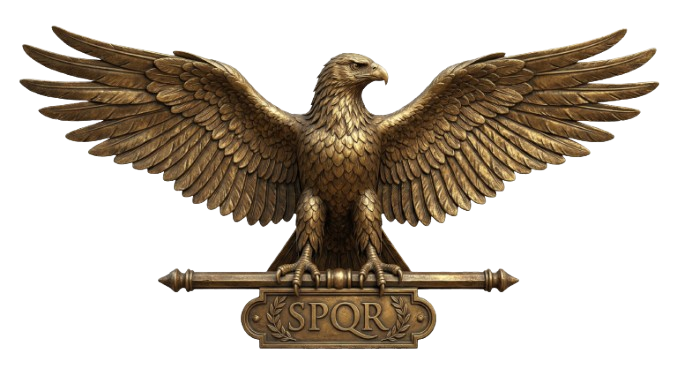
01La Pace Impossibile — La Ritirata dalla PersiaThe Impossible Peace — The Retreat from Persia
L'origine: figlio del comes Varroniano
Origin: son of the comes Varronianus
Flavio Gioviano nacque intorno al 331 d.C. a Singidunum, l'odierna Belgrado, nel cuore di quell'Illirico che sfornava generali a ciclo continuo. Era figlio del comes domesticorum Varroniano, alto ufficiale cristiano, e dell'esercito respirò l'aria fin dalla culla. Crebbe colosso: le fonti concordano su una statura oltre il metro e ottantacinque, possente nel fisico quanto modesto nell'ingegno. Ammiano Marcellino (XXV, 10), che lo vide da vicino, lo liquida con una formula impietosa: «vir sufficiens» , un uomo bastevole, non un'aquila, ma un soldato leale. Servì giovane sotto Costanzo II ad Antiochia, poi seguì Giuliano in Persia nel 363 come primicerius domesticorum, comandante degli scudieri personali dell'imperatore. Cristiano niceno convinto, aveva conservato la carica anche sotto il pagano Giuliano: la prova che, sotto la fede, batteva un cuore di puro pragmatismo.
Flavius Jovianus was born around 331 AD at Singidunum, today's Belgrade, in the heart of that Illyricum which turned out generals without pause. He was the son of the comes domesticorum Varronianus, a senior Christian officer, and breathed the army's air from the cradle. He grew into a colossus: the sources agree on a height over six feet, as mighty in body as he was modest in mind. Ammianus Marcellinus (XXV, 10), who saw him close up, dismisses him with a merciless phrase: «vir sufficiens» , an adequate man: no eagle, but a loyal soldier. He served young under Constantius II at Antioch, then followed Julian into Persia in 363 as primicerius domesticorum, commander of the emperor's personal bodyguard. A convinced Nicene Christian, he had kept his post even under the pagan Julian: proof that, beneath the faith, beat a heart of pure pragmatism.
L'elezione nel deserto (27 giugno 363)
Election in the desert (27 June 363)
Quando la lancia di Maranga spense Giuliano, nella notte del 26 giugno 363, l'esercito romano si ritrovò orfano e in trappola: 65 000 uomini sprofondati in territorio nemico, senza viveri, senza la flotta fluviale che il loro stesso imperatore aveva incendiato sul Tigri, con le orde di Sapore II che stringevano d'assedio da ogni lato. C'erano poche ore per dare a Roma un nuovo Augusto, o sarebbe stata la fine. La porpora fu offerta per primo al prefetto del pretorio Salutio Secondo, che la rifiutò: troppo vecchio, troppo malato. Allora gli occhi caddero su Gioviano: alto, visibile da lontano, amato dalla truppa, cristiano come la maggioranza dei soldati, e privo di ambizioni che spaventassero. Il 27 giugno, in mezzo al deserto, fu issato sugli scudi e acclamato Augustus. Aveva trentadue anni e un Impero da riportare a casa.
When the spear of Maranga snuffed out Julian, on the night of 26 June 363, the Roman army found itself orphaned and trapped: 65,000 men sunk deep in enemy territory, without food, without the river fleet their own emperor had burned on the Tigris, with the hordes of Shapur II closing in from every side. There were only hours to give Rome a new Augustus, or it would be the end. The purple was first offered to the praetorian prefect Salutius Secundus, who refused it: too old, too ill. Then every eye fell on Jovian: tall, visible from afar, beloved of the soldiery, Christian like the majority of the troops, and free of ambitions that might frighten. On 27 June, in the middle of the desert, he was raised on the shields and acclaimed Augustus. He was thirty-two, with an Empire to bring home.
« Quando le legioni gridarono "Gioviano Augusto!", molti credettero che acclamassero ancora Giuliano: tale era la somiglianza dei due nomi. Solo dopo, ricordando che Giuliano era morto, capirono il malinteso.» « When the legions shouted "Jovian Augustus!", many thought they were still acclaiming Julian: such was the similarity of the two names. Only afterwards, recalling that Julian was dead, did they understand the misunderstanding.» Ammiano Marcellino, Res Gestae XXV, 5
Il trattato umiliante (luglio 363)
The humiliating treaty (July 363)
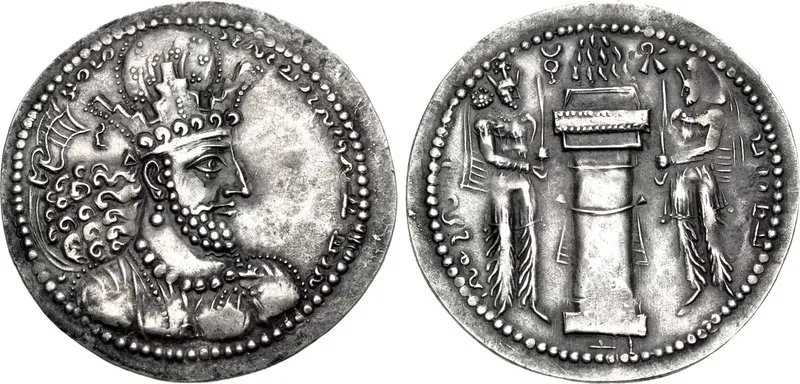
Per salvare i suoi uomini, Gioviano dovette firmare una pace che Roma avrebbe ricordato come un'onta per generazioni. Sapore II dettò le condizioni, e furono spietate. L'Impero cedette Nisibi, la roccaforte mesopotamica che per settantadue anni aveva respinto, come un'incudine d'acciaio, tre furibondi assedi persiani (338, 346, 350); cedette quindici fortezze di frontiera; cedette cinque regiones transtigritanae (Arzanene, Moxoene, Zabdicene, Rehimene, Corduene); e giurò di non muovere più un dito in difesa dell'Armenia. In cambio, soltanto questo: il salvacondotto per riportare le legioni fuori dalla trappola persiana, e una tregua di trent'anni. Era un prezzo infamante, ma l'alternativa era lo sterminio.
To save his men, Jovian had to sign a peace Rome would remember as a disgrace for generations. Shapur II dictated the terms, and they were merciless. The Empire surrendered Nisibis, the Mesopotamian fortress that for seventy-two years had thrown back, like an anvil of steel, three furious Persian sieges (338, 346, 350); it surrendered fifteen border fortresses; it surrendered five regiones transtigritanae (Arzanene, Moxoene, Zabdicene, Rehimene, Corduene); and it swore never again to lift a finger in defence of Armenia. In return, only this: safe passage to lead the legions out of the Persian trap, and a thirty-year truce. It was a shameful price, but the alternative was annihilation.
A Nisibi, ordinata a svuotarsi in soli tre giorni, la popolazione cristiana cadde in ginocchio davanti a Gioviano, implorandolo in lacrime. Ammiano, testimone, descrive scene che spezzano il cuore: gente aggrappata alle colonne delle chiese, vecchi che si rifiutavano di abbandonare le case in cui erano nati. Fu tutto inutile: dovettero andarsene tutti, lasciando focolari e averi ai Persiani. La città che Giacomo di Nisibi aveva difeso, dicevano, per miracolo, sparì per sempre dal dominio di Roma. A Costantinopoli il Senato fremette d'indignazione, e Ammiano sentenziò: «i Romani non avevano mai accettato condizioni così vergognose, nemmeno dopo Canne» .
At Nisibis, ordered to empty itself within just three days, the Christian population fell to its knees before Jovian, imploring him in tears. Ammianus, a witness, describes heart-breaking scenes: people clinging to the columns of the churches, old men refusing to abandon the houses where they were born. It was all in vain: they all had to leave, surrendering hearths and goods to the Persians. The city that James of Nisibis had defended, so they said, by a miracle, vanished forever from Rome's dominion. At Constantinople the Senate trembled with indignation, and Ammianus pronounced: «the Romans had never accepted such shameful terms, not even after Cannae» .
Morte a Dadastana (17 febbraio 364)
Death at Dadastana (17 February 364)
Il destino non gli concesse nemmeno di sedersi sul trono che aveva pagato così caro. Mentre marciava verso Costantinopoli per cingere ufficialmente il potere, Gioviano fu trovato morto nel sonno il 17 febbraio 364 a Dadastana, in Bitinia: non aveva nemmeno toccato la capitale. Le cause restano un enigma. Gli storici hanno ipotizzato l'avvelenamento (politicamente fin troppo comodo), un'intossicazione da funghi, l'asfissia per i vapori di un braciere acceso nella gelida stanza dell'alloggio, o le esalazioni della vernice fresca delle pareti accanto a cui dormiva. Ammiano, prudente, chiude la questione: «morì di cause incerte» . Otto mesi di regno, e nulla più. Con lui, il quarto imperatore consecutivo della casa costantiniana e dei suoi eredi spirava senza lasciare un figlio maschio a raccogliere la porpora.
Fate did not even grant him the throne he had paid for so dearly. As he marched toward Constantinople to assume power formally, Jovian was found dead in his sleep on 17 February 364 at Dadastana, in Bithynia: he had not even reached the capital. The cause remains a riddle. Historians have suspected poisoning (politically all too convenient), mushroom intoxication, asphyxiation from the fumes of a brazier lit in the freezing room of his lodging, or the emanations of fresh paint on the walls beside which he slept. Ammianus, cautious, closes the matter: he «died of uncertain causes» . Eight months of reign, and nothing more. With him, the fourth consecutive emperor of the Constantinian house and its heirs expired without leaving a son to take up the purple.
02Politica Religiosa e Significato StoricoReligious Policy and Historical Significance
Il ritorno del Labaro
The return of the Labarum
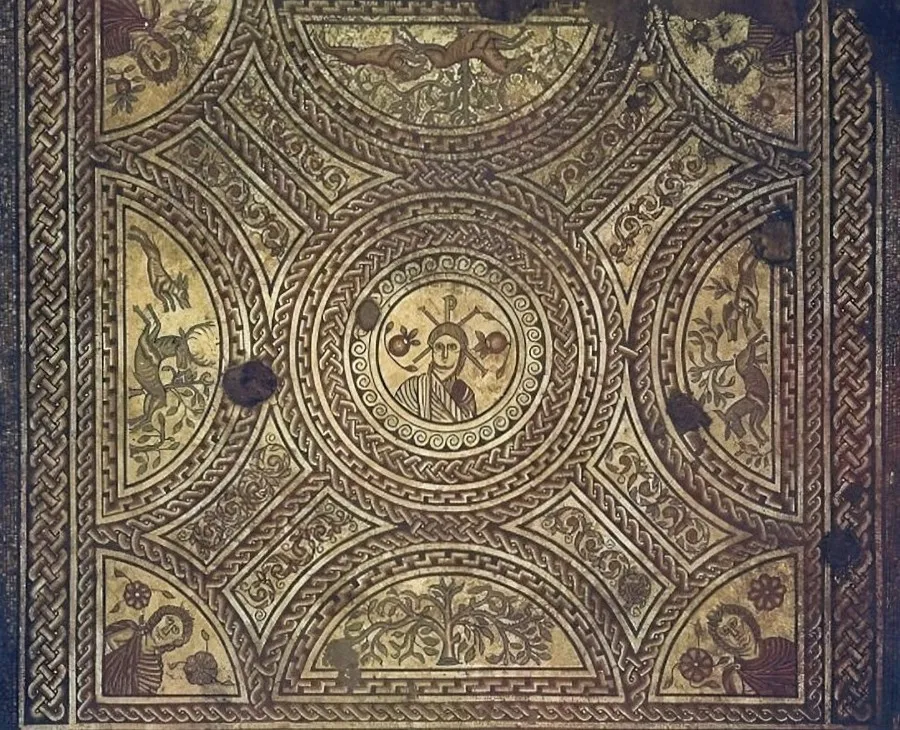
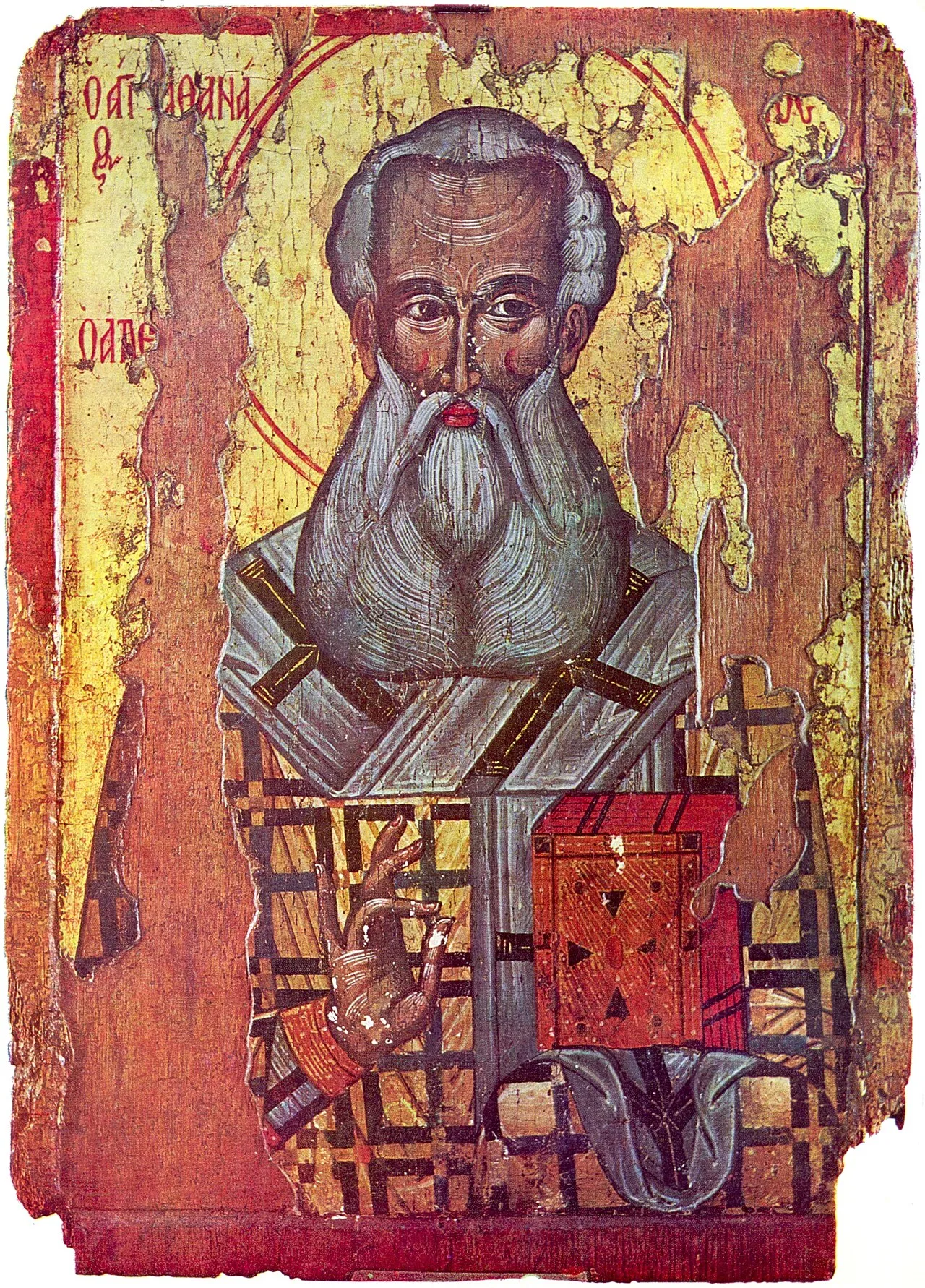
Bastarono poche settimane perché Gioviano capovolgesse l'intera rivoluzione religiosa di Giuliano. Il labarum con il monogramma Chi-Rho tornò a garrire in cima agli stendardi imperiali; con un tratto di penna l'imperatore cancellò l'Editto scolastico del 362 che aveva escluso i cristiani dalle cattedre di retorica e grammatica; restituì al clero le esenzioni fiscali. E richiamò dall'esilio il più temuto campione dell'ortodossia: Atanasio di Alessandria (363), al quale scrisse di persona, chiedendogli di redigere per lui una limpida esposizione della fede ortodossa. Atanasio rispose con la celebre Epistola ad Iovianum, scolpendo ancora una volta la formula di Nicea. In meno di un anno, la breve parentesi pagana era chiusa per sempre.
A few weeks were enough for Jovian to overturn Julian's whole religious revolution. The labarum with the Chi-Rho monogram once more flew atop the imperial standards; with a stroke of the pen the emperor struck down the School Edict of 362 that had barred Christians from the chairs of rhetoric and grammar; he gave the clergy back their tax exemptions. And he recalled from exile the most feared champion of orthodoxy: Athanasius of Alexandria (363), to whom he wrote in person, asking him to draw up for him a clear statement of orthodox faith. Athanasius answered with the famous Epistola ad Iovianum, once again carving out the Nicene formula. In less than a year, the brief pagan interlude was closed forever.
Eppure non fu un fanatico. Gioviano non perseguitò nessuno: lasciò aperti i templi che Giuliano aveva riconsacrato e tollerò il vecchio culto, vietando solo la divinazione pubblica, in linea con l'antica legge costantiniana. Gli stessi intellettuali pagani di Antiochia, con Libanio in testa, gli scrissero per ringraziarlo della moderazione; e il filosofo Temistio pronunciò al suo cospetto il celebre Discorso V, vero monumento dell'ideale di tolleranza religiosa imperiale. Era la via mediana che il suo successore Valentiniano I avrebbe raccolto in eredità.
Yet he was no fanatic. Jovian persecuted no one: he left open the temples Julian had reconsecrated and tolerated the old cult, banning only public divination, in keeping with the ancient Constantinian law. The pagan intellectuals of Antioch themselves, with Libanius at their head, wrote to thank him for his moderation; and the philosopher Themistius delivered before him the famous Oration V, a true monument to the ideal of imperial religious tolerance. It was the middle way his successor Valentinian I would inherit.
Il bilancio paradossale
The paradoxical balance
Il vero lascito di Gioviano è scolpito in un paradosso: cedendo terre e onore, salvò l'esercito da uno sterminio certo, e con esso l'intera spina dorsale militare dell'Impero. Si pensi a cosa sarebbe accaduto se quelle sessantacinquemila spade fossero state inghiottite dalla Persia nel 363: nessun Valentiniano a riforgiare le difese del Reno, nessun Teodosio a sigillare l'ortodossia nel 380, forse il crollo dell'Occidente anticipato di un secolo intero. Gioviano comprò quel futuro con quindici fortezze e l'orgoglio di Roma, e fu la scelta giusta. Ammiano Marcellino, che lo vide regnare, lo congeda con rispetto ma senza ardore: vir sufficiens, un uomo comune capitato in un'ora straordinaria, che fece l'indispensabile e non un passo di più.
Jovian's true legacy is carved in a paradox: by surrendering land and honour, he saved the army from certain destruction, and with it the entire military backbone of the Empire. Consider what would have happened had those sixty-five thousand swords been swallowed by Persia in 363: no Valentinian to reforge the Rhine defences, no Theodosius to seal orthodoxy in 380, perhaps the collapse of the West brought forward by a whole century. Jovian bought that future with fifteen fortresses and Rome's pride, and it was the right choice. Ammianus Marcellinus, who watched him reign, takes his leave of him with respect but without ardour: vir sufficiens, an ordinary man caught in an extraordinary hour, who did what was indispensable and not a step more.
Ma la ferita di Nisibi non si rimarginò per due secoli. Sotto i Persiani la città divenne il faro della cristianità nestoriana e culla della celebre scuola di Edessa; sotto l'aquila di Roma non sarebbe tornata mai più. La tregua trentennale, rispettata in buona fede da entrambe le potenze fino all'età di Cosroe I, regalò all'Impero il respiro per voltarsi verso i fronti del Danubio e del Reno. Un respiro che si rivelò tragicamente breve: appena quindici anni dopo, nel 378, Valente sarebbe stato annientato dai Goti nella fornace di Adrianopoli. Nel Tardo Impero, la storia non concede mai tregua.
But the wound of Nisibis would not close for two centuries. Under the Persians the city became the beacon of Nestorian Christianity and the cradle of the famous School of Edessa; under Rome's eagle it would never return. The thirty-year truce, honoured in good faith by both powers until the age of Khosrow I, gave the Empire the breathing space to turn toward the Danube and Rhine fronts. A breath that proved tragically short: a mere fifteen years later, in 378, Valens would be annihilated by the Goths in the furnace of Adrianople. In the Late Empire, history grants no respite.