01Il Soldato-ImperatoreThe Soldier-Emperor
Origini pannoniche (321–363)
Pannonian origins (321–363)
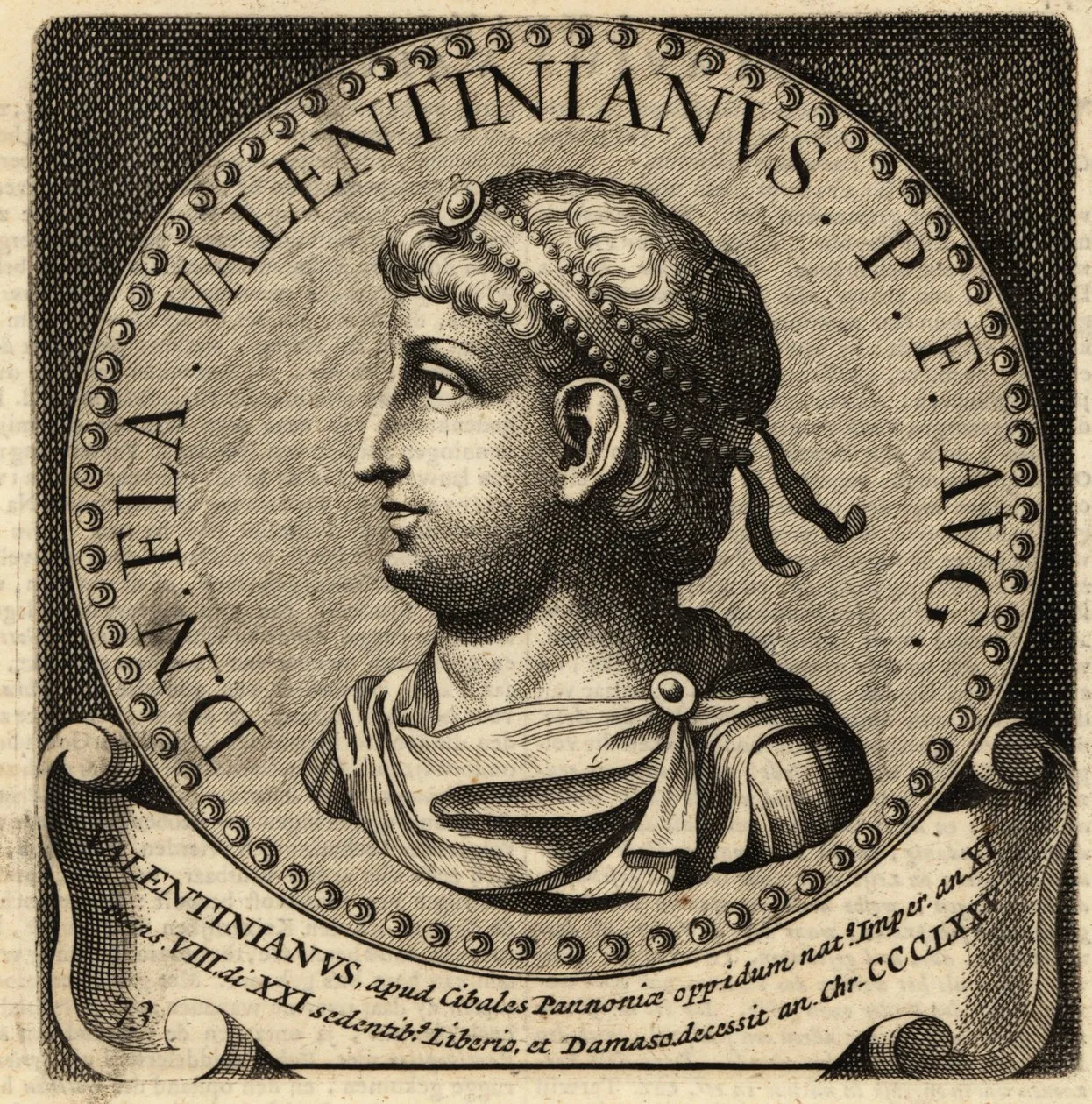
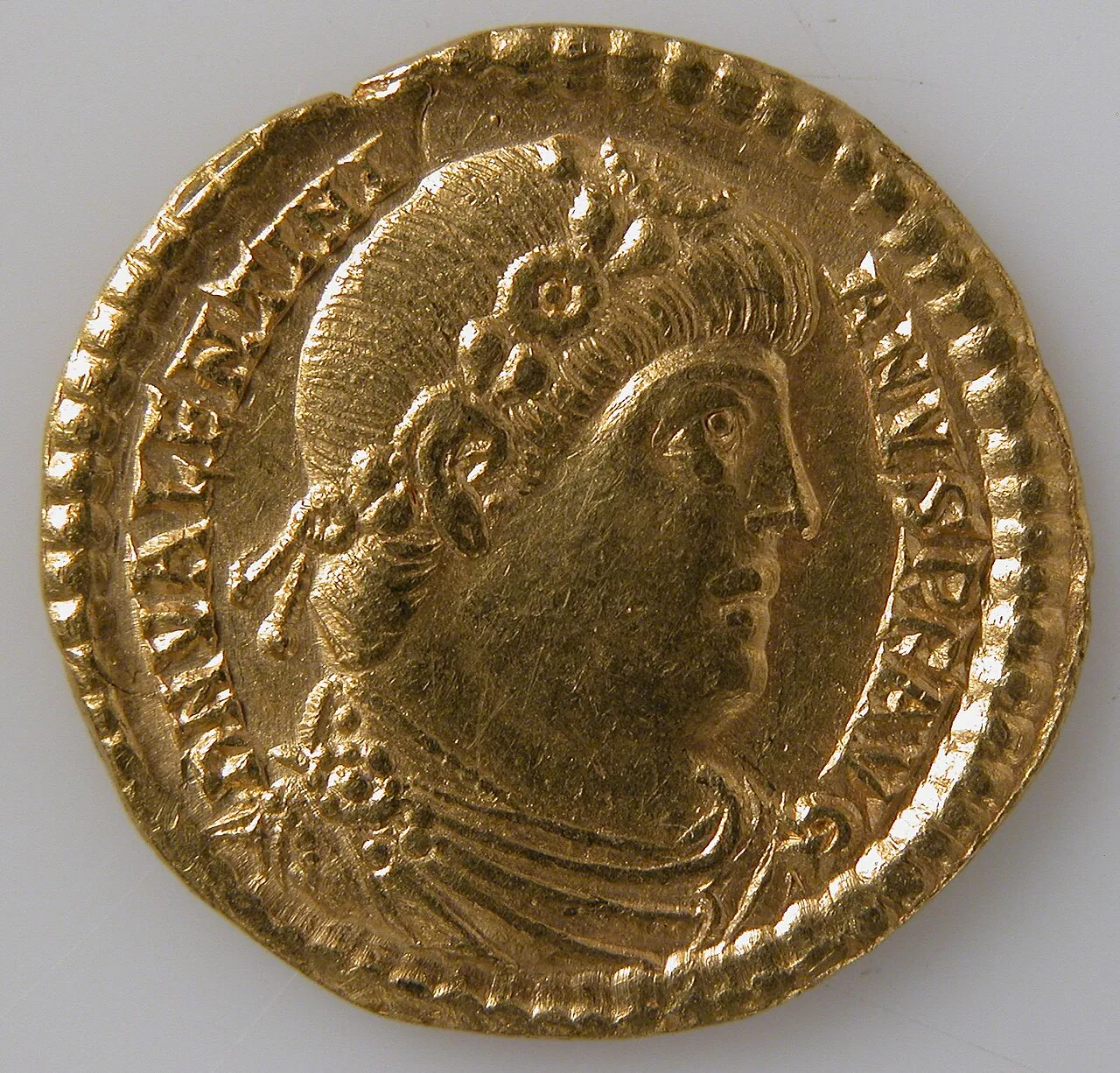
Flavio Valentiniano nacque il 3 luglio 321 a Cibalae, in Pannonia (l'odierna Vinkovci, in Croazia), figlio di quella dura terra illirica che forgiava i migliori soldati dell'Impero. Suo padre, Graziano il Vecchio, era una leggenda vivente del campo: lo chiamavano Funarius, « l'uomo della corda» , perché un giorno aveva trattenuto con una sola mano una fune che cinque commilitoni tiravano con tutte le forze. Da semplice legionario quel gigante era salito fino a comes Africae e comes Britanniarum. Il figlio ne ereditò la stoffa: alto, atletico, di bell'aspetto, così lo ritrae Ammiano Marcellino, di lingua latina e poco greco, cristiano niceno per tradizione di famiglia ma del tutto sordo alle sottigliezze teologiche. Era nato per comandare uomini, non per disputare di dogmi.
Flavius Valentinianus was born on 3 July 321 at Cibalae, in Pannonia (today's Vinkovci, in Croatia), a son of that hard Illyrian land which forged the Empire's finest soldiers. His father, Gratian the Elder, was a living legend of the camp: they called him Funarius, "the rope-man", because one day he had held with a single hand a rope five comrades were hauling with all their might. From common legionary that giant had risen to comes Africae and comes Britanniarum. The son inherited his mettle: tall, athletic, handsome, so Ammianus Marcellinus portrays him, Latin-speaking and little Greek, a Nicene Christian by family tradition but utterly deaf to theological subtleties. He was born to command men, not to dispute dogmas.
Servì in Gallia sotto Giuliano, ma il pagano sul trono e il cristiano in armi non potevano amarsi: nel 362 Valentiniano fu esiliato. La tradizione cristiana, forse abbellendo, racconta il gesto che gli costò la disgrazia: rifiutò di prendere parte a un sacrificio pagano e schiaffeggiò il sacerdote che lo aveva asperso d'acqua lustrale. Il dettaglio è probabilmente leggenda, ma l'esilio è storia. Fu Gioviano, salito al potere, a richiamarlo dall'ombra e ad affidargli comandi di rilievo in Mesopotamia, durante la disastrosa ritirata persiana del 363. La ruota della fortuna, per il pannonico, aveva ricominciato a girare.
He served in Gaul under Julian, but the pagan on the throne and the Christian in arms could not love each other: in 362 Valentinian was exiled. Christian tradition, perhaps embellishing, tells of the gesture that cost him his disgrace: he refused to take part in a pagan sacrifice and struck the priest who had sprinkled him with lustral water. The detail is probably legend, but the exile is history. It was Jovian, on coming to power, who recalled him from the shadows and entrusted him with important commands in Mesopotamia, during the disastrous Persian retreat of 363. For the Pannonian, fortune's wheel had begun to turn again.
L'elezione di Nicea (26 febbraio 364)
The Nicaea election (26 February 364)
Quando Gioviano spirò a Dadastana, l'Impero si ritrovò di nuovo senza guida. L'esercito si radunò a Nicea il 26 febbraio 364 e, per dieci giorni, cercò un nome: il prefetto Salutio Secondo declinò ancora una volta la porpora, e alla fine tutti gli sguardi conversero su Valentiniano, allora tribunus scutariorum secundus, alto, noto a tutti, niceno, di fedeltà a prova di congiura. Il suo primo atto da Augusto fu anche il più gravido di conseguenze: associò al trono il fratello minore Valente, affidandogli l'Oriente (Costantinopoli, Tracia, Asia, Egitto, Mesopotamia) e tenendo per sé l'Occidente più insidioso: Italia, Africa, Gallia, Hispania, Britannia, Illirico. Era la prima divisione formale e permanente dell'Impero fra due Augusti pari grado: una frattura che, salvo brevi ricuciture, avrebbe segnato Roma fino al 476.
When Jovian expired at Dadastana, the Empire found itself leaderless once more. The army gathered at Nicaea on 26 February 364 and, for ten days, searched for a name: the prefect Salutius Secundus once again declined the purple, and in the end every eye converged on Valentinian, then tribunus scutariorum secundus: tall, known to all, Nicene, of a loyalty proof against conspiracy. His first act as Augustus was also the most consequential: he associated his younger brother Valens on the throne, granting him the East (Constantinople, Thrace, Asia, Egypt, Mesopotamia) and keeping for himself the more treacherous West: Italy, Africa, Gaul, Hispania, Britain, Illyricum. It was the first formal and permanent division of the Empire between two equal Augusti: a fracture that, save brief mendings, would mark Rome until 476.
« Era nelle cose militari validissimo e provetto, e nel reggere il governo attento. Lo guastò , però , un'eccessiva durezza, e un animo dato all'ira» . « In military matters he was most capable and seasoned, and in conducting government attentive. He was marred, however, by excessive harshness, and a mind given to anger» . Ammiano Marcellino, Res Gestae XXX, 9
L'imperatore-ingegnere
The engineer-emperor
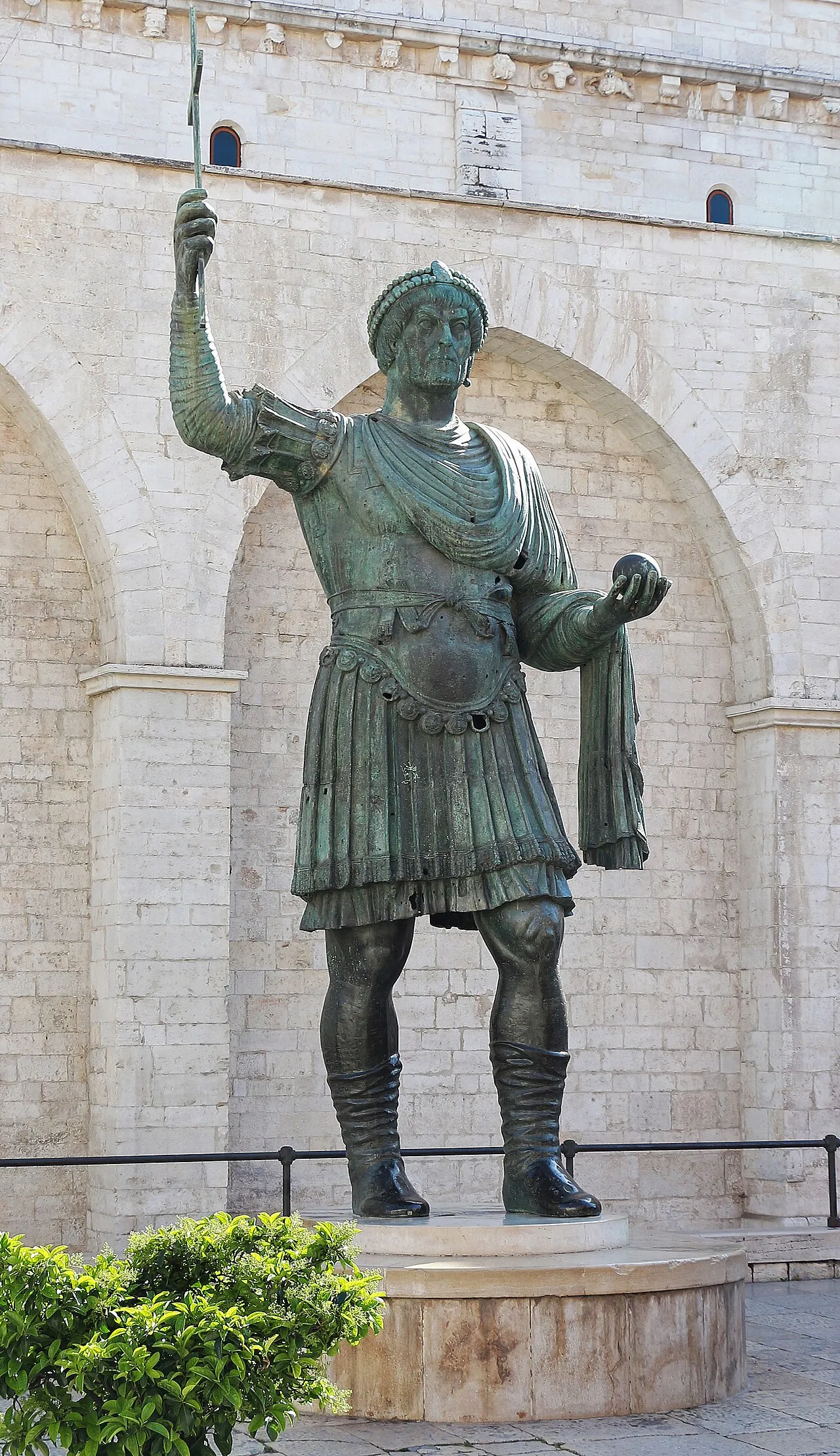
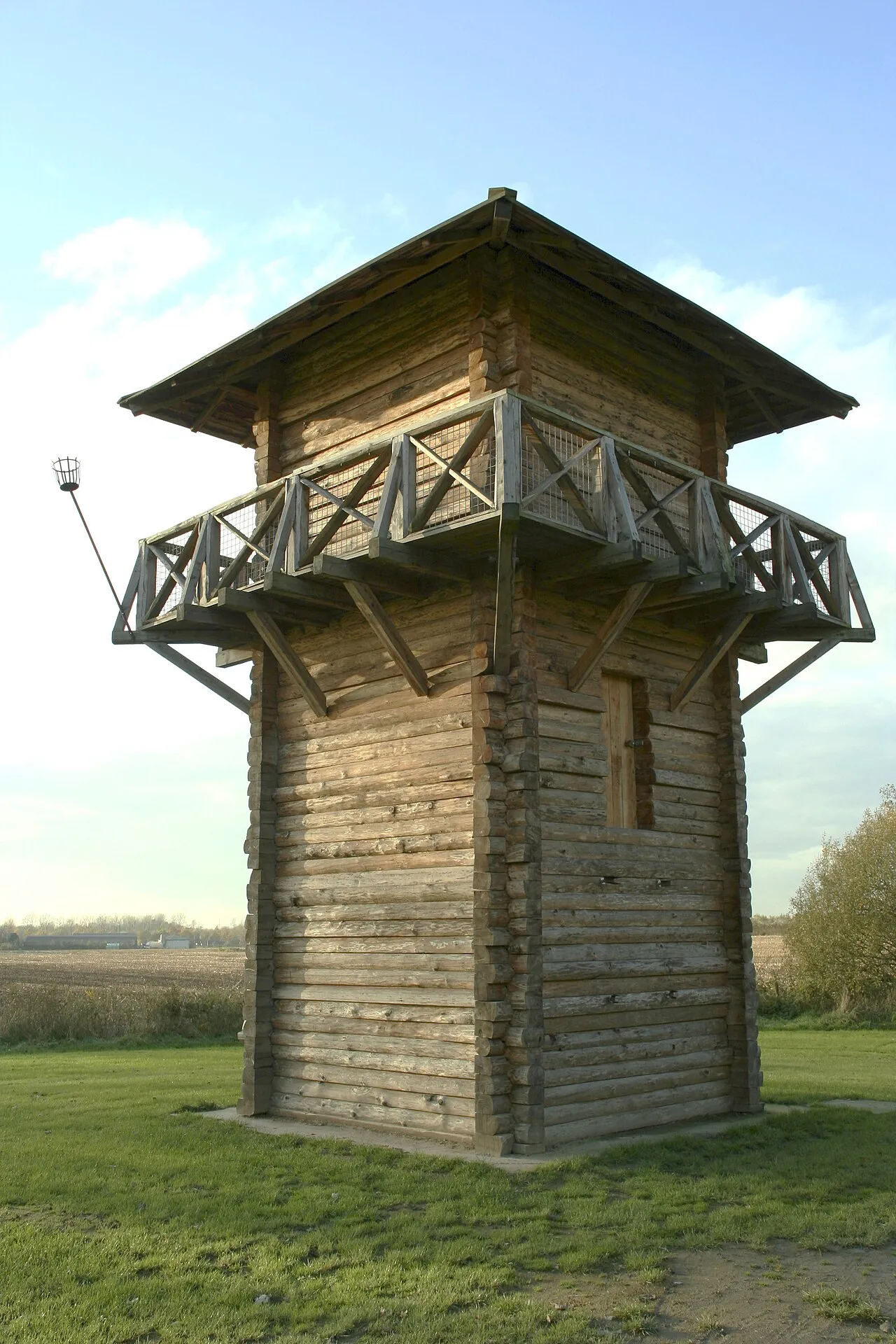
Non fu un intellettuale: non scrisse un rigo, non commissionò opere, non si perse mai in teologia. La sua grandezza era d'altra pasta: amministratore spietatamente efficace e comandante temuto fino al midollo. Trasformò il confine in una muraglia vivente: centinaia di fortezze, torri di vedetta e ponti fortificati lungo il limes renano-danubiano, un programma di ~800 km di fortificazioni, il più ambizioso dai tempi di Diocleziano. La tozza torre quadrangolare di età valentiniana (burgus), basamento di pietra e palizzata di legno, affiora ancora oggi dal suolo di Germania, Austria e Ungheria. Ma il soldato sapeva anche governare: riformò il fisco intaccando i privilegi dell'aristocrazia senatoria, istituì gli archiatri publici, medici di Stato gratuiti per i poveri nelle grandi città, un welfare inaudito per l'epoca, e creò per primo il defensor plebis, il magistrato incaricato di scudare gli umili dalle prepotenze dei potenti.
He was no intellectual: he wrote not a line, commissioned no works, never lost himself in theology. His greatness was of another stuff, a ruthlessly effective administrator and a commander feared to the marrow. He turned the frontier into a living wall: hundreds of fortresses, watchtowers and fortified bridges along the Rhine-Danube limes, a programme of ~800 km of fortifications, the most ambitious since Diocletian. The squat square tower of the Valentinian age (burgus), stone base and timber palisade, still rises from the soil of Germany, Austria and Hungary. Yet the soldier also knew how to govern: he reformed the treasury by cutting into the privileges of the senatorial aristocracy, instituted the archiatri publici, free state physicians for the poor in the great cities, a welfare unheard of for the age, and was the first to create the defensor plebis, the magistrate charged with shielding the humble from the abuses of the powerful.
02Battaglie e CampagneBattles and Campaigns
Solicinium (Sulz am Neckar), 368 d.C. — La vittoria che consacrò il suo regno. Quando gli Alemanni varcarono il Reno e misero a ferro e fuoco la Gallia, Valentiniano scese in campo con la fredda perizia del veterano: divise l'esercito in tre colonne e accerchiò il nemico. Nella battaglia decisiva presso Solicinium, nell'odierno Baden-Württemberg, le legioni travolsero il grosso dell'armata alemanna del re Macriano. Non fu un trionfo a buon mercato, anche i Romani lasciarono molti morti sul campo, ma per anni spense le grandi incursioni germaniche sul fronte renano.
Solicinium (Sulz am Neckar), 368 AD — The victory that crowned his reign. When the Alemanni crossed the Rhine and put Gaul to fire and sword, Valentinian took the field with the cold skill of the veteran: he split the army into three columns and encircled the enemy. In the decisive battle near Solicinium, in present-day Baden-Württemberg, the legions overwhelmed the main Alemannic army of King Macrian. It was no cheap triumph, the Romans too left many dead on the field, but for years it snuffed out the great Germanic raids on the Rhine front.
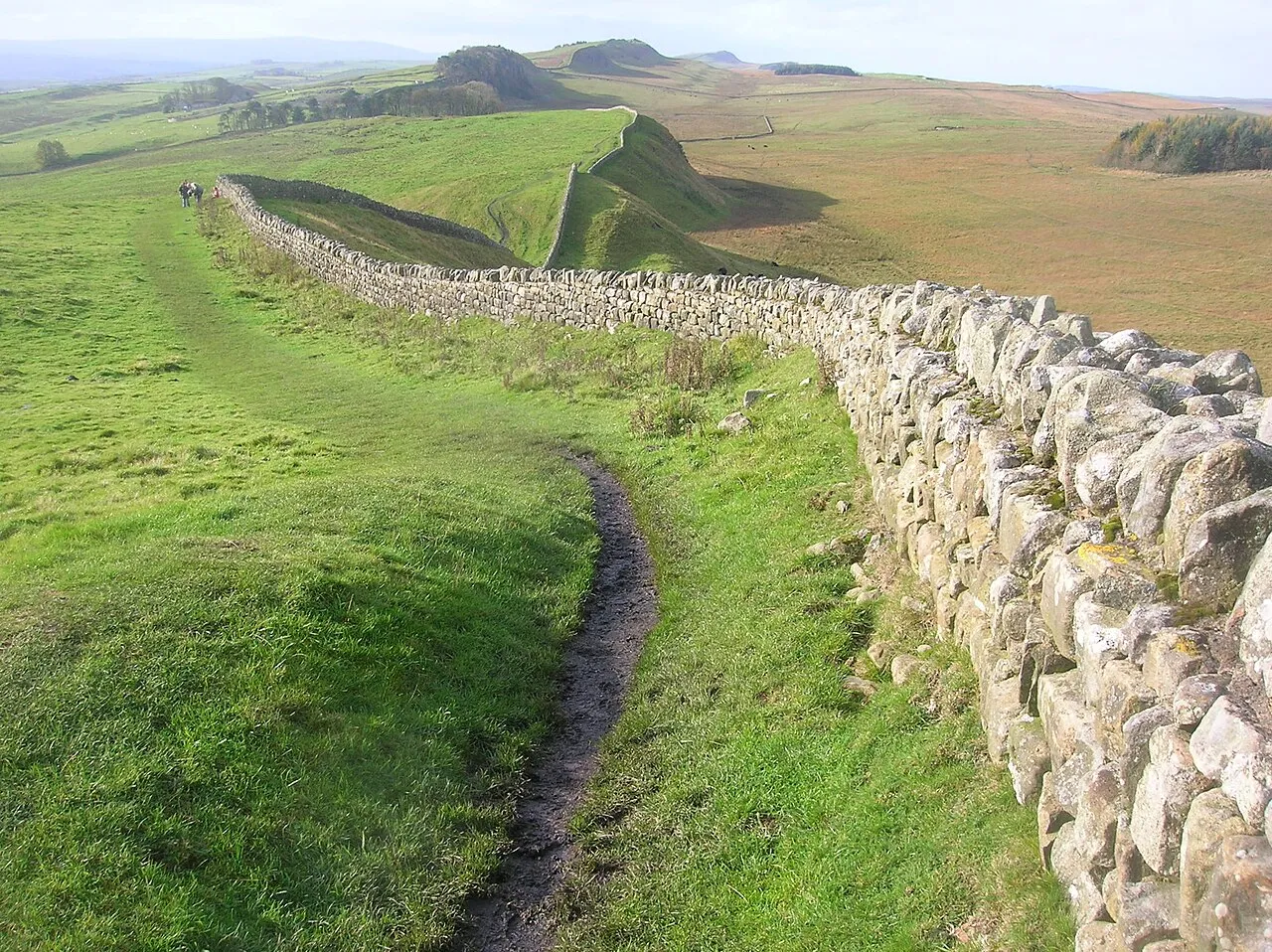
Britannia, 367–369 d.C. — La Grande Cospirazione — Nel 367 accadde l'impensabile: come per un patto segreto, Pitti, Scoti e Attacotti piombarono insieme sulla Britannia da nord, mentre Franchi e Sassoni colpivano le coste galliche. Il comandante dell'isola cadde ucciso, un'intera armata fu spazzata via, la provincia precipitò nell'anarchia. Valentiniano rispose con la sua arma migliore: il generale Teodosio il Vecchio, padre del futuro imperatore Teodosio I. In due anni quegli ricacciò gli invasori, restaurò il Vallo di Adriano e riedificò le difese da zero. L'imperatore diresse tutto dall'Occidente, da vero stratega, senza mai mettere piede sull'isola.
Britain, 367–369 AD — The Great Conspiracy, In 367 the unthinkable happened: as if by a secret pact, Picts, Scots, and Attacotti fell upon Britain together from the north, while Franks and Saxons struck the Gallic coasts. The island's commander was killed, an entire army was swept away, the province plunged into anarchy. Valentinian answered with his finest weapon: the general Theodosius the Elder, father of the future emperor Theodosius I. In two years he drove back the invaders, restored Hadrian's Wall, and rebuilt the defences from the ground up. The emperor directed it all from the West, a true strategist, without ever setting foot on the island.
Campagna danubiana contro i Quadi, 374–375 d.C. — L'ultima campagna, e l'ultima collera. I Quadi, germani del medio Danubio, avevano varcato il fiume e devastato Pannonia e Mesia, esasperati da una fortezza romana piantata nelle loro terre. Valentiniano si vendicò con ferocia, radendo al suolo i loro villaggi nell'estate del 375. In autunno, a Brigetio, ricevette i loro delegati venuti a implorare la pace: ma l'arroganza delle loro pretese fece esplodere il temperamento collerico dell'imperatore. Urlando di rabbia contro quegli ambasciatori, gli si spezzò un vaso nel cervello: un ictus fulminante lo stroncò sul posto. Era il 17 novembre 375; aveva cinquantaquattro anni. Morì come era vissuto, combattendo i barbari, fino all'ultimo respiro.
Danubian Campaign against the Quadi, 374–375 AD — The last campaign, and the last rage. The Quadi, Germans of the middle Danube, had crossed the river and devastated Pannonia and Moesia, goaded by a Roman fortress planted in their lands. Valentinian took his revenge with ferocity, razing their villages in the summer of 375. In autumn, at Brigetio, he received their envoys come to beg for peace: but the arrogance of their demands set off the emperor's choleric temper. Screaming with fury at those ambassadors, a vessel burst in his brain: a sudden stroke felled him on the spot. It was 17 November 375; he was fifty-four. He died as he had lived, fighting the barbarians, to his last breath.
- 365 d.C. Usurpazione di Procopio — Cugino di Giuliano l'Apostata, si proclama Augusto a Costantinopoli sfruttando il malcontento orientale contro Valente. Gestita dal fratello; soffocata nel maggio 366 con cattura ed esecuzione di Procopio. Procopius's usurpation — Cousin of Julian the Apostate, he proclaims himself Augustus at Constantinople. Crushed in May 366 with Procopius's capture and execution.
- 365–366 d.C. Alemanni sul Reno — Re Rando saccheggia Magonza con attacco a sorpresa di Capodanno. Iovinus annienta una grande forza alemanna a Chalons. Alamanni on the Rhine — King Rando sacks Mainz with a New Year's Day surprise attack. Jovinus annihilates a large Alamannic force at Chalons.
- 367–369 d.C. Britannia — "Grande Cospirazione" — Attacco simultaneo coordinato: Pitti, Scoti, Attacotti da nord; Franchi e Sassoni sulle coste galliche. Teodosio il Vecchio, padre del futuro Teodosio I, inviato come comes: in due anni ripristina il Vallo di Adriano e ricostituisce le legioni. Britain — "Great Conspiracy" — Coordinated simultaneous attack: Picts, Scots, Attacotti from north; Franks and Saxons on the Gallic coasts. Theodosius the Elder, father of future Theodosius I, sent as comes: in two years he restores Hadrian's Wall and reconstitutes the legions.
- mag 368 d.C. Solicinium (Sulz am Neckar) — Vittoria più importante del regno. Campagna in tre colonne nel Baden-Wü rttemberg contro re Macrian. Sconfitta non schiacciante, ma fine alle grandi incursioni alemanno per anni. Solicinium (Sulz am Neckar) — Reign's most important victory. Three-column campaign in Baden-Wü rttemberg against king Macrian. Not a crushing defeat, but an end to major Alamannic raids for years.
- 370–372 d.C. Campagne africane — Rivolta del berbero Firmus in Mauritania. Teodosio il Vecchio la reprime con campagne durissime. Senza Africa, Roma muore di fame. African campaigns — Revolt of the Berber Firmus in Mauretania. Theodosius the Elder crushes it with very harsh campaigns. Without Africa, Rome starves.
- 374 d.C. Trattato con i Burgundi — Reclutati come foederati per attaccare gli Alemanni alle spalle. Primo grande trattato con questo popolo destinato a fondare un proprio regno in Gallia nel V secolo. Treaty with the Burgundians — Recruited as foederati to attack the Alamanni from behind. First major treaty with this people destined to found their own kingdom in Gaul in the 5th century.
- 17 nov 375 d.C. Apoplessia di Brigetio — Davanti ai delegati quadi arroganti, ha un ictus massiccio mentre urla. Muore sul posto a 54 anni. Lascia due figli minori: Graziano (16 anni) già Augusto, e Valentiniano II (4 anni), elevato Augusto dalle truppe pannoniche cinque giorni dopo la morte del padre. Apoplexy at Brigetio — Before arrogant Quadi delegates, he has a massive stroke while shouting. He dies on the spot at 54. He leaves two young sons: Gratian (16) already Augustus, and Valentinian II (4), raised to Augustus by the Pannonian troops five days after his father's death.
03Politica Interna — Riforme e Tolleranza ReligiosaInternal Policy — Reforms and Religious Tolerance
Tolleranza religiosa programmatica
Programmatic religious tolerance
In un secolo in cui gli imperatori si dilaniavano per una sillaba del Credo, Valentiniano fece una scelta quasi rivoluzionaria: non immischiarsi. Niceno convinto, rifiutò però di entrare nella furibonda controversia ariana, lasciando che fossero i vescovi a sbrogliare le loro dispute, senza il pugno dell'imperatore sul piatto della bilancia. Capiva (o forse, semplicemente, non gli importava abbastanza) che i cavilli teologici contavano meno delle frecce sul Reno. Quella tolleranza pragmatica, rara e preziosa, fu il dono più civile del soldato-imperatore: mentre suo fratello Valente perseguitava i niceni in Oriente, l'Occidente di Valentiniano restò in pace religiosa.
In a century when emperors tore one another apart over a syllable of the Creed, Valentinian made an almost revolutionary choice: not to meddle. A convinced Nicene, he nonetheless refused to enter the furious Arian controversy, leaving the bishops to untangle their own disputes, without the emperor's fist on the scales. He understood, or perhaps simply did not care enough, that theological quibbles mattered less than the arrows on the Rhine. That pragmatic tolerance, rare and precious, was the soldier-emperor's most civilised gift: while his brother Valens persecuted the Nicenes in the East, Valentinian's West remained at religious peace.
L'eredità valentiniana
The Valentinian legacy
L'eredità di Valentiniano I è scolpita in un nobile paradosso. Sul piano militare fu trionfale: tenne il limes inviolato per undici anni, eresse ~800 km di fortificazioni, forgiò l'esercito d'Occidente in uno strumento ancora temibile. Sul piano dinastico fondò la dinastia Valentiniana, che con i figli Graziano e Valentiniano II, e poi sotto il genero Teodosio I, avrebbe retto Roma fino al 392. Ma fu soprattutto l'ultimo grande imperatore-soldato capace di guidare in prima persona la spada di Roma. Dopo di lui, Graziano, Valentiniano II, Onorio e gli altri sarebbero stati Augusti da palazzo, costretti a delegare la guerra ai magistri militum di sangue barbaro: Stilicone, Costanzo, Ezio. Quella frattura fra il trono e la spada, che il V secolo avrebbe pagato con il crollo, nasce proprio sul cadavere di Valentiniano.
Valentinian I's legacy is carved in a noble paradox. On the military side it was triumphant: he held the limes inviolate for eleven years, raised ~800 km of fortifications, forged the Western army into a still-formidable instrument. On the dynastic side he founded the Valentinian dynasty, which through his sons Gratian and Valentinian II, and then under his son-in-law Theodosius I, would rule Rome until 392. But above all he was the last great soldier-emperor able to wield Rome's sword in person. After him, Gratian, Valentinian II, Honorius and the rest would be palace Augusti, forced to delegate war to magistri militum of barbarian blood: Stilicho, Constantius, Aetius. That fracture between throne and sword, which the 5th century would pay for with collapse, is born upon Valentinian's very corpse.
La prova del suo valore venne, tragica, dal confronto con il fratello. Appena tre anni dopo la sua morte, Valente fu annientato dai Goti ad Adrianopoli (9 agosto 378), la più rovinosa disfatta romana dai tempi di Teutoburgo, nel 9 d.C. Valentiniano aveva alzato le mura; Valente le aveva lasciate crollare. L'Occidente sarebbe sopravvissuto ancora un secolo, l'Oriente per altri mille anni: ma il muro vivente di fortezze eretto dal vecchio soldato pannonico restò, a lungo, l'ultima diga contro la marea che già montava ai confini del mondo romano.
Only three years after Valentinian's death, his brother Valens would be annihilated by the Goths at Adrianople (9 August 378), the worst Roman defeat since the disaster of Teutoburg in 9 AD. Valentinian I had built the walls; Valens had let them fall. The Western Empire would live another century. The Eastern, another thousand years.