01BiografiaBiography
Le origini umbre (30 d.C.)
Umbrian origins (30 AD)
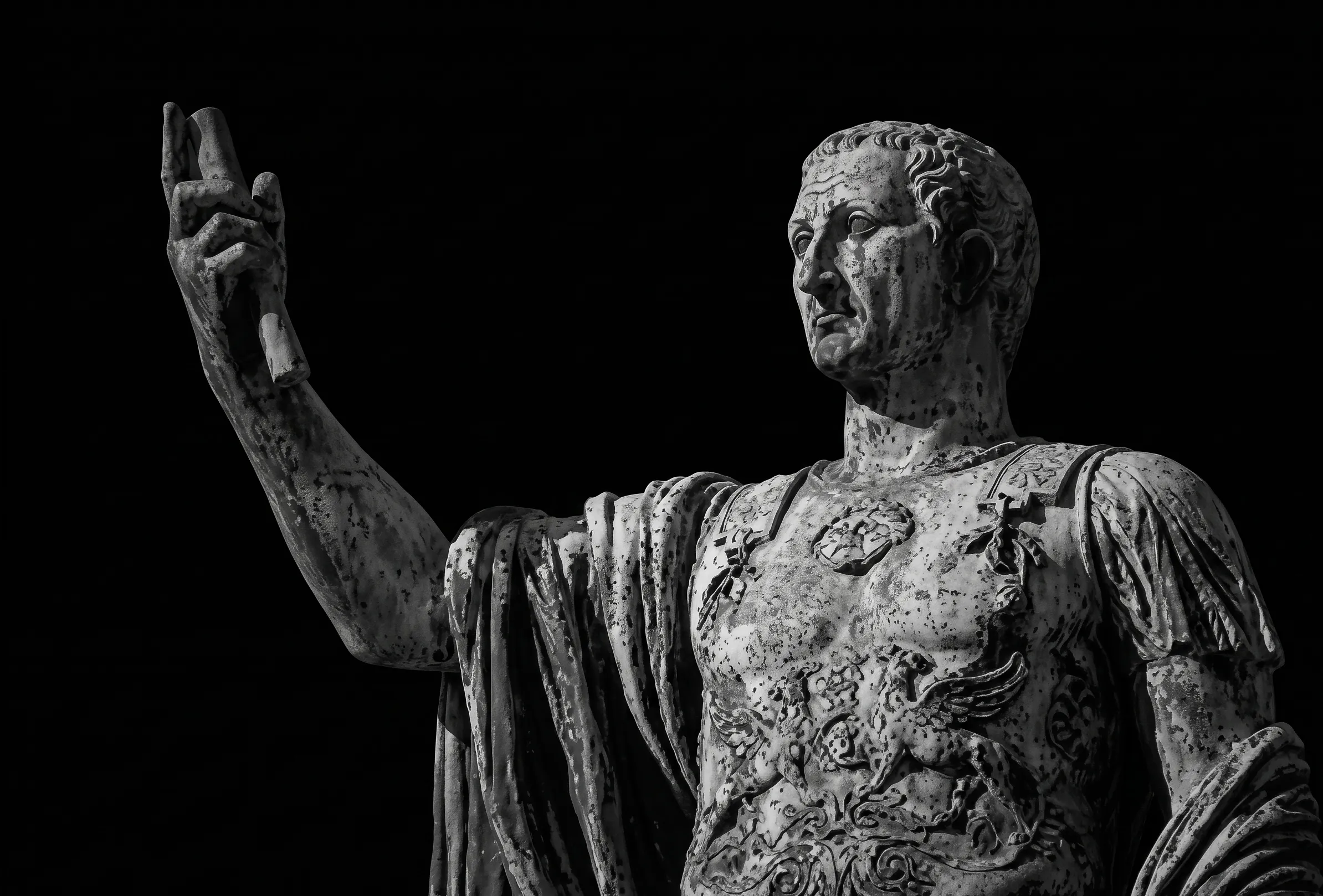
L'8 novembre del 30 d.C., a Narni, antica città umbra arroccata sulle gole del fiume Nera, nacque Marco Cocceio Nerva. Nessun presagio annunciava la porpora. La sua era una stirpe di giuristi e di senatori, una delle più illustri famiglie togate di Roma, legata persino per matrimonio alla casa Giulio-Claudia. Il bisnonno e il nonno erano stati celebri giureconsulti, consiglieri intimi degli imperatori; il padre, un avvocato di fama. Nelle vene del giovane Marco non scorreva il sangue del condottiero, ma quello del diritto e della toga: una nobiltà di leggi, non di lance.
On 8 November 30 AD, at Narni, an ancient Umbrian town perched above the gorges of the river Nera, Marcus Cocceius Nerva was born. No omen foretold the purple. His was a lineage of jurists and senators, one of the most illustrious togate families of Rome, bound even by marriage to the Julio-Claudian house. His great-grandfather and grandfather had been celebrated jurisconsults, intimate counsellors of emperors; his father a renowned advocate. Through young Marcus's veins flowed not the blood of the warlord, but that of the law and the toga: a nobility of statutes, not of spears.
Il sopravvissuto (54–96 d.C.)
The survivor (54–96 AD)
Nerva non fu mai soldato, né tribuno turbolento, né conquistatore di province. Fu un uomo di legge e di corte, un poeta tanto elegante che Nerone in persona lo celebrò come «il Tibullo del nostro tempo». Ma il suo vero talento, raro e prezioso, fu un altro: sopravvivere. Attraversò i regni di Nerone, Vespasiano, Tito e Domiziano come una nave che fende la tempesta senza mai affondare, in un'epoca in cui una sola parola imprudente poteva costare la testa.
Nerva was never a soldier, nor a turbulent tribune, nor a conqueror of provinces. He was a man of law and of the court, a poet so elegant that Nero himself praised him as "the Tibullus of our age." But his true gift, rare and precious, was another: survival. He passed through the reigns of Nero, Vespasian, Titus and Domitian like a ship cleaving the storm without ever sinking, in an age when a single rash word could cost a man his head.
Nel 65 ebbe parte nello smascheramento della congiura dei Pisoni contro Nerone, e ne fu ricompensato con ornamenti trionfali e statue nel palazzo imperiale, lui che mai aveva impugnato una spada. Vespasiano lo volle console nel 71; Domiziano lo elevò di nuovo al consolato nel 90: due consolati, onore concesso a pochissimi non appartenenti alla famiglia regnante. Per quarant'anni Nerva fece della prudenza la propria corazza, restando vicino al trono senza mai esserne accecato, complice dei potenti senza mai macchiarsi dei loro delitti.
In 65 he played a part in unmasking the Pisonian conspiracy against Nero, and was rewarded with triumphal ornaments and statues in the imperial palace, he who had never wielded a sword. Vespasian made him consul in 71; Domitian raised him to the consulship again in 90: two consulships, an honour granted to very few outside the ruling house. For forty years Nerva made prudence his armour, remaining close to the throne without ever being blinded by it, an associate of the powerful without ever staining himself with their crimes.
La notte di Domiziano (18 settembre 96 d.C.)
The night of Domitian (18 September 96 AD)
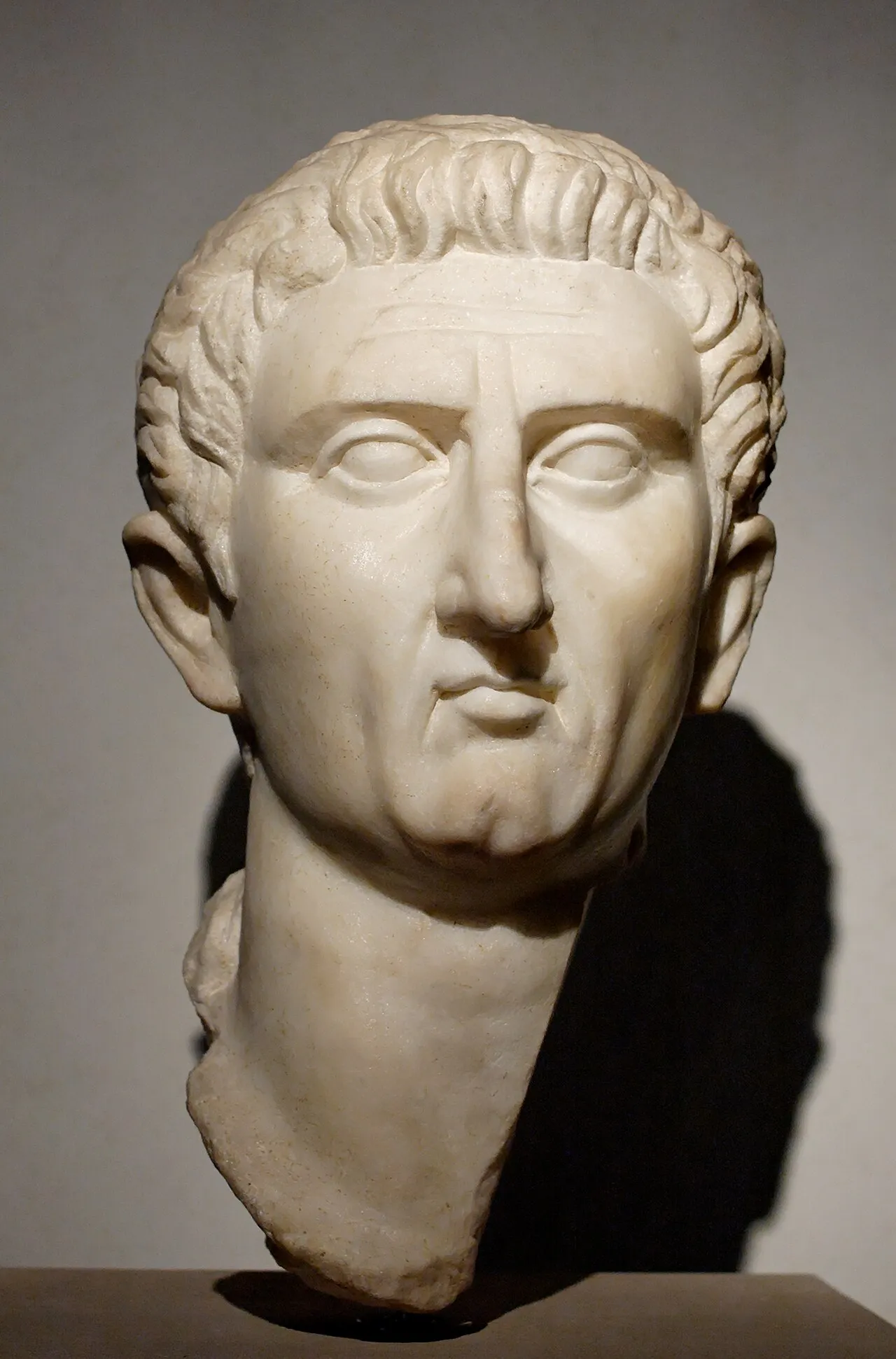
Poi venne la notte del 18 settembre del 96 d.C. Domiziano, l'ultimo dei Flavi, cadde pugnalato in una congiura di palazzo ordita dai suoi stessi liberti e cortigiani. Il trono di Roma rimase d'un tratto vuoto, sospeso sull'abisso: per la prima volta dopo Nerone l'Impero non aveva un erede designato. Il Senato, atterrito dall'idea che le legioni o i pretoriani potessero imporre un nuovo despota armato, agì con fulminea audacia. Quella stessa sera proclamò imperatore uno dei suoi: il vecchio Nerva. Aveva sessantacinque anni, nessun figlio, nessun esercito alle spalle. Era il compromesso perfetto, abbastanza anziano da non spaventare nessuno, abbastanza integro da essere venerato da tutti. Per la prima volta nella storia dell'Impero, il princeps nasceva dalla volontà del Senato, e non dalla spada né dal sangue.
Then came the night of 18 September 96 AD. Domitian, last of the Flavians, fell stabbed in a palace conspiracy plotted by his own freedmen and courtiers. The throne of Rome lay suddenly empty, poised over the abyss: for the first time since Nero the Empire had no designated heir. The Senate, terrified that the legions or the Praetorians might impose a new armed despot, acted with lightning boldness. That very evening it proclaimed one of its own as emperor: the old Nerva. He was sixty-five, with no son, no army behind him. He was the perfect compromise: old enough to frighten no one, upright enough to be revered by all. For the first time in the history of the Empire, the princeps was born of the Senate's will, and not of the sword nor of blood.
02Atti di GovernoActs of Government
- 96 d.C.Abolizione dei processi di lesa maestà — Appena cinto il potere, Nerva spezzò lo strumento del terrore: cancellò i processi per maiestas con cui Domiziano aveva trasformato il Senato in un mattatoio di delatori. Spalancò le carceri, richiamò dall'esilio i condannati politici, restituì i beni confiscati e giurò solennemente che nessun senatore sarebbe più stato messo a morte. Il Senato, per tutta risposta, decretò la damnatio memoriae di Domiziano: i ritratti abbattuti, il nome eraso dal bronzo e dalla pietra.Abolition of treason trials — No sooner had he taken power than Nerva shattered the instrument of terror: he abolished the maiestas trials with which Domitian had turned the Senate into a slaughterhouse of informers. He flung open the prisons, recalled the political exiles, restored confiscated property, and swore solemnly that no senator would ever again be put to death. In return, the Senate decreed the damnatio memoriae of Domitian: portraits cast down, his name erased from bronze and stone.
- 97 d.C.Crisi pretoriana e adozione di Traiano — La pace col Senato non bastò a placare le armi. La Guardia Pretoriana, guidata dal prefetto Casperio Eliano, si ammutinò, assediò il palazzo e costrinse l'anziano principe a consegnare gli uccisori di Domiziano, perfino a ringraziare pubblicamente i propri aguzzini. Nerva comprese che un imperatore senza il pugno dell'esercito è un re di paglia. Con un solo, lucidissimo atto rovesciò la debolezza in trionfo: adottò Traiano, governatore della Germania Superiore e idolo delle legioni, elevandolo a figlio e co-reggente. Fu la scelta più grande del suo regno, e una delle più feconde della storia di Roma.Praetorian crisis and adoption of Trajan — Peace with the Senate was not enough to quiet the soldiery. The Praetorian Guard, led by the prefect Casperius Aelianus, mutinied, besieged the palace, and forced the aged prince to surrender Domitian's killers, even to publicly thank his own tormentors. Nerva understood that an emperor without the fist of the army is a king of straw. With a single, lucid act he turned weakness into triumph: he adopted Trajan, governor of Upper Germany and idol of the legions, raising him to son and co-regent. It was the greatest choice of his reign, and one of the most fruitful in the history of Rome.
03Riforme e ProvvedimentiReforms and Measures
- 96–98 d.C.Distribuzione di terre e nascita degli alimenta — Mosso da uno spirito quasi repubblicano, Nerva istituì una commissione di senatori per redistribuire le terre pubbliche ai cittadini più poveri. Ma la sua intuizione più luminosa guardava al futuro: creò gli alimenta, il primo grande sistema di assistenza statale dell'antichità, fondi destinati a nutrire ed educare i bambini bisognosi d'Italia. Era welfare ante litteram, un'istituzione che Traiano e i suoi successori avrebbero ampliato per oltre un secolo.Land distribution and the birth of the alimenta — Moved by an almost republican spirit, Nerva set up a senatorial commission to redistribute public lands to the poorest citizens. But his most luminous insight looked to the future: he created the alimenta, the first great state welfare system of antiquity, funds to feed and educate the needy children of Italy. It was welfare ante litteram, an institution that Trajan and his successors would expand for over a century.
- 96–98 d.C.Riduzione delle spese di corte — Per finanziare la sua generosità senza dissanguare l'erario svuotato da Domiziano, Nerva diede l'esempio dall'alto. Mise all'asta gli ori, gli argenti e i tesori del palazzo imperiale, rinunciò ai giochi sfarzosi e condusse una vita di sobrietà austera. Ogni sesterzio risparmiato sul lusso fu riversato nei programmi per il popolo: un principe che tagliava su se stesso per dare agli ultimi.Reduction of court expenses — To fund his generosity without bleeding dry the treasury Domitian had emptied, Nerva led by example from the top. He auctioned off the gold, silver and treasures of the imperial palace, renounced lavish games, and lived a life of austere sobriety. Every sesterce spared from luxury was poured into programs for the people: a prince who cut from himself to give to the least.
04Opere e CostruzioniWorks and Constructions
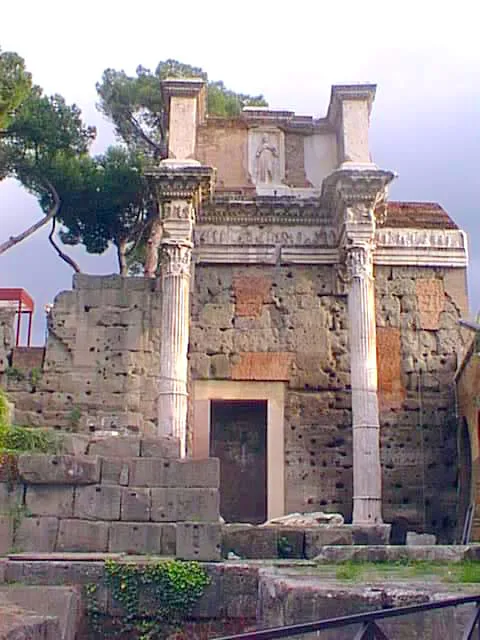
- 97 d.C.Foro di Nerva — Portò a compimento l'unica grande impresa monumentale del suo regno: il Foro Transitorio, ribattezzato Foro di Nerva. Iniziato da Domiziano, fu Nerva a inaugurarlo nel 97. Incastonato come un corridoio solenne tra il Foro di Augusto, il Tempio della Pace e la brulicante Suburra, era consacrato a Minerva, dea cara al suo predecessore. Di quello spazio sopravvivono ancora oggi le imponenti "Colonnacce": silenziose sentinelle di marmo di un principato fugace.Forum of Nerva — He brought to completion the only great monumental enterprise of his reign: the Forum Transitorium, renamed the Forum of Nerva. Begun by Domitian, it was Nerva who inaugurated it in 97. Set like a solemn corridor between the Forum of Augustus, the Temple of Peace and the teeming Subura, it was consecrated to Minerva, goddess dear to his predecessor. Of that space the imposing "Colonnacce" still survive today: silent marble sentinels of a fleeting principate.
05La Crisi e il TramontoThe Crisis and the Twilight
L'umiliazione dei pretoriani (97 d.C.)
The Praetorians' humiliation (97 AD)
La pace con il Senato non bastò a placare le armi. La Guardia Pretoriana non aveva dimenticato Domiziano, che l'aveva colmata d'oro, e ribolliva di rabbia per il suo assassinio rimasto impunito. Nell'autunno del 97 il prefetto del pretorio Casperio Eliano aizzò i suoi uomini: in armi assediarono il Palatino ed esigettero la consegna degli uccisori del vecchio imperatore. Nerva oppose il petto. Le fonti raccontano che denudò la gola offrendola ai pugnali, gridando che si trafiggesse lui piuttosto che tradire l'onore. Fu inutile. Impotente, dovette consegnare i congiurati (fra cui Partenio, il ciambellano che gli aveva di fatto regalato il trono) e li vide trucidare. Peggio ancora: fu costretto a ringraziare pubblicamente i pretoriani per quel massacro. Fu l'ora più nera del suo principato, la prova lampante di una verità terribile: era un imperatore che non comandava i propri soldati.
Peace with the Senate was not enough to quiet the soldiery. The Praetorian Guard had not forgotten Domitian, who had showered it with gold, and seethed with rage that his murder went unpunished. In the autumn of 97 the praetorian prefect Casperius Aelianus stirred up his men: in arms they besieged the Palatine and demanded the surrender of the old emperor's killers. Nerva bared his breast. The sources tell that he laid his throat open to the daggers, crying that they should run him through rather than betray his honour. It was in vain. Powerless, he had to hand over the conspirators (among them Parthenius, the chamberlain who had in effect given him the throne) and saw them butchered. Worse still: he was forced to thank the Praetorians publicly for the slaughter. It was the blackest hour of his principate, the glaring proof of a terrible truth: he was an emperor who did not command his own soldiers.
Il colpo di genio: l'adozione di Traiano (ottobre 97 d.C.)
The masterstroke: the adoption of Trajan (October 97 AD)
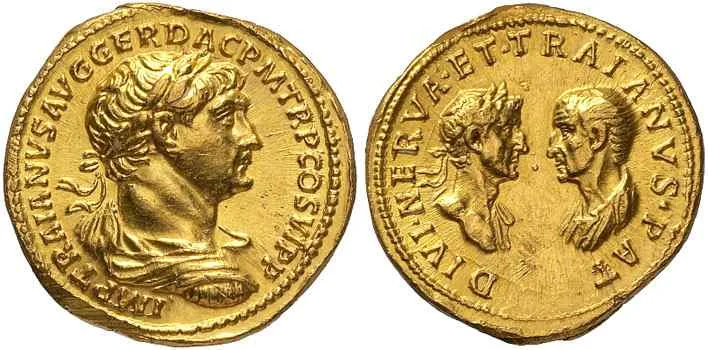
Da quell'umiliazione, però, scaturì il gesto che lo avrebbe reso immortale. Nerva comprese con lucidità spietata la propria debolezza: vecchio, malato, senza figli e senza eserciti, non poteva reggere da solo. Aveva bisogno di una spada che fosse anche una garanzia, e la trovò sul Reno. Cogliendo il pretesto di una vittoria militare, salì in Campidoglio e, al cospetto di Giove Ottimo Massimo, annunciò di adottare come figlio ed erede Marco Ulpio Traiano, governatore della Germania Superiore e idolo delle legioni. Gli conferì il titolo di Cesare e la potestà tribunizia. Non sceglieva un parente: sceglieva il migliore. Con un solo atto disarmò i pretoriani, saldò il Senato all'esercito e regalò a Roma il suo più grande imperatore.
From that humiliation, however, sprang the act that would make him immortal. Nerva grasped his own weakness with merciless clarity: old, sick, without sons and without armies, he could not stand alone. He needed a sword that would also be a guarantee, and he found it on the Rhine. Seizing the pretext of a military victory, he climbed the Capitol and, before Jupiter Optimus Maximus, announced that he was adopting as son and heir Marcus Ulpius Trajan, governor of Upper Germany and idol of the legions. He granted him the title of Caesar and the tribunician power. He did not choose a kinsman: he chose the best of men. With a single act he disarmed the Praetorians, welded the Senate to the army, and gave Rome its greatest emperor.
La morte (27 gennaio 98 d.C.)
The death (27 January 98 AD)
Nerva sopravvisse all'adozione meno di quattro mesi. Un mattino del gennaio 98, in un accesso d'ira contro un senatore, fu colto da un sudore violento e poi da una febbre improvvisa. Il 27 gennaio del 98 d.C. si spense serenamente, a sessantasette anni: aveva regnato appena sedici mesi. Traiano, ancora sul confine renano, gli succedette senza che una sola goccia di sangue venisse versata: la prova vivente che il suo disegno aveva funzionato. Il Senato lo deificò: divenne Divus Nerva, e le sue ceneri furono deposte nel Mausoleo di Augusto. Fu l'ultimo dei Cesari a riposare in quel sepolcro, accanto al fondatore dell'Impero.
Nerva survived the adoption by less than four months. One morning in January 98, in a fit of anger against a senator, he was seized by a violent sweat and then a sudden fever. On 27 January 98 AD he died serenely, at sixty-seven: he had reigned barely sixteen months. Trajan, still on the Rhine frontier, succeeded him without a single drop of blood being shed, living proof that his design had worked. The Senate deified him: he became Divus Nerva, and his ashes were laid in the Mausoleum of Augustus. He was the last of the Caesars to rest in that tomb, beside the founder of the Empire.
06Eredità e Giudizio StoricoLegacy and Historical Judgement
Nerva non fondò una dinastia di sangue: fondò un'idea, e fu un'idea più potente di mille legioni. Stabilì che il miglior sovrano non è quello partorito dal caso di una nascita, ma quello scelto per virtù e adottato per merito. È la più grande delle ironie della storia: il principato meno appariscente generò l'epoca più gloriosa di Roma.
Nerva founded no dynasty of blood: he founded an idea, and it proved an idea mightier than a thousand legions. He established that the best ruler is not the one delivered by the accident of birth, but the one chosen for virtue and adopted for merit. Here lies history's greatest irony: the least conspicuous principate begot the most glorious age of Rome.
Da quella adozione nacque l'età d'oro dell'Impero. Per ottant'anni, da Nerva a Marco Aurelio, Roma fu retta da quei sovrani che la storia avrebbe chiamato i «cinque buoni imperatori» Nerva, Traiano, Adriano, Antonino Pio, Marco Aurelio, ciascuno dei quali scelse e adottò il proprio successore tra i più degni. Fu la catena d'oro che resse l'Impero al suo apogeo, quel secolo che Edward Gibbon avrebbe definito «il periodo più felice e prospero della storia dell'umanità». Vi era, è vero, una fortuna nascosta nel sistema: nessuno di quei principi, fino a Marco Aurelio, ebbe un figlio maschio cui lasciare il trono, e l'adozione fu tanto virtù quanto necessità. Ma fu Nerva, per primo, a tracciarne la via.
From that adoption was born the golden age of the Empire. For eighty years, from Nerva to Marcus Aurelius, Rome was ruled by those sovereigns history would call the "Five Good Emperors" (Nerva, Trajan, Hadrian, Antoninus Pius, Marcus Aurelius) each of whom chose and adopted his successor from among the worthiest. It was the golden chain that held the Empire at its zenith, that century Edward Gibbon would call "the period in the history of the world during which the human race was most happy and prosperous." There was, it is true, a hidden fortune in the system: none of those princes, until Marcus Aurelius, had a son to leave the throne to, and adoption was as much necessity as virtue. But it was Nerva who first traced the path.
Di lui resta poco: un foro modesto, qualche moneta, sedici mesi di regno schiacciati tra il tiranno che lo precedette e il grande conquistatore che lo seguì. Eppure quei sedici mesi furono il cardine su cui ruotò il secolo più luminoso di Roma. Tutto era cominciato da un vecchio senatore di sessantacinque anni, privo di eserciti e di eredi, che ebbe la saggezza di riconoscere i propri limiti e la grandezza sublime di scegliere chi lo avrebbe oscurato.
Little of him remains: a modest forum, a handful of coins, sixteen months of reign crushed between the tyrant who came before and the great conqueror who came after. And yet those sixteen months were the hinge on which Rome's most luminous century turned. It had all begun with an old senator of sixty-five, without armies and without heirs, who had the wisdom to recognise his own limits and the sublime greatness to choose the man who would eclipse him.