01BiografiaBiography
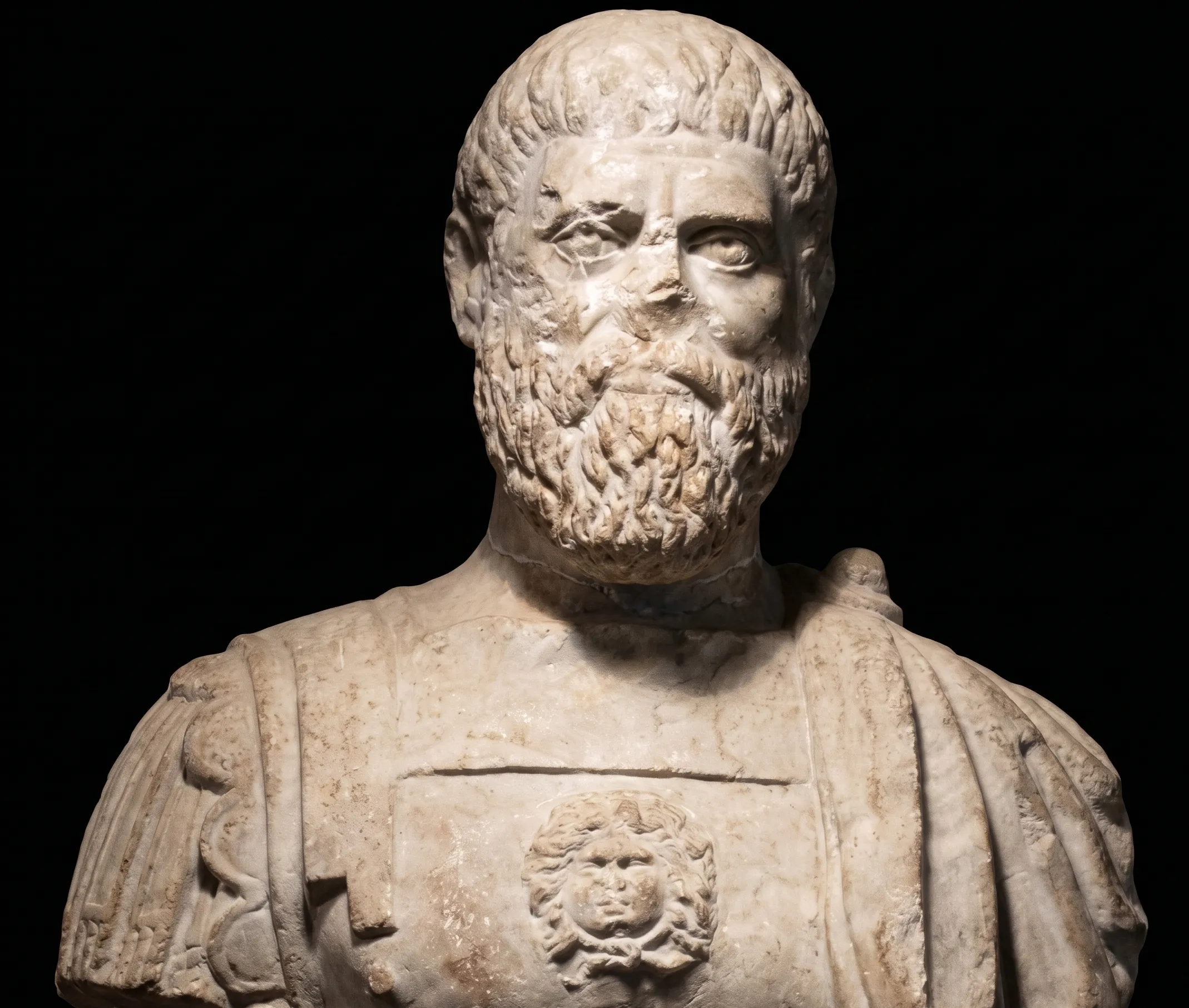
Publio Elvio Pertinace nacque il 1° agosto del 126 d.C. ad Alba Pompeia (l'odierna Alba, in Piemonte), figlio di un liberto. La sua carriera fu uno dei più straordinari casi di ascesa sociale nella storia romana: partito dal nulla, divenne console, governatore di province, prefetto di Roma, e infine imperatore. Era un uomo di settant'anni (saggio, austero, incorruttibile) quando fu proclamato imperatore dalla Guardia Pretoriana il giorno stesso dell'assassinio di Commodo, il 31 dicembre 192.
Publius Helvius Pertinax was born on August 1, 126 AD at Alba Pompeia (modern Alba, in Piedmont), son of a freedman. His career was one of the most extraordinary cases of social ascent in Roman history: starting from nothing, he became consul, provincial governor, prefect of Rome, and finally emperor. He was a man of seventy years (wise, austere, incorruptible) when he was proclaimed emperor by the Praetorian Guard on the very day of Commodus's assassination, December 31, 192.
Dalla Cattedra alle ProvinceFrom the Schoolroom to the Provinces
Il padre di Pertinace, un liberto di nome Elvio Successo, aveva avviato un piccolo commercio di lana ad Alba Pompeia. Il giovane Publio fu educato per diventare grammatico, insegnante di latino e greco, ma trovò la professione poco redditizia e si arruolò nell'esercito sotto l'imperatore Antonino Pio. Iniziò come centurione di prima classe (primus pilus) e percorse il cursus honorum militare in tempo eccezionalmente rapido: tribuno di legione, prefetto di coorte ausiliaria in Britannia, comandante di flotta sul Reno, procuratore dei Daci.
Pertinax's father, a freedman named Helvius Successus, had started a small wool trade at Alba Pompeia. Young Publius was educated to become a grammarian, a teacher of Latin and Greek, but found the profession unprofitable and enlisted in the army under Emperor Antoninus Pius. He began as first-class centurion (primus pilus) and ran through the military cursus honorum at exceptionally rapid pace: legionary tribune, prefect of auxiliary cohort in Britain, fleet commander on the Rhine, procurator of the Dacians.
Marco Aurelio lo notò durante le guerre marcomanniche, lo elevò al rango senatorio (un'eccezione clamorosa per un figlio di liberto) e gli affidò il comando di una legione. Pertinace comandò poi le province di Mesia, Dacia, Siria, Britannia e Africa: un curriculum ineguagliabile. Sotto Commodo si ritirò temporaneamente in disgrazia, accusato di aver complottato; tornò poi come prefetto di Roma (192), incarico che ricopriva il giorno dell'assassinio dell'imperatore-Ercole.
Marcus Aurelius noticed him during the Marcomannic Wars, elevated him to senatorial rank (a sensational exception for the son of a freedman) and entrusted him with command of a legion. Pertinax then commanded the provinces of Moesia, Dacia, Syria, Britain and Africa: an unmatched résumé. Under Commodus he temporarily retired in disgrace, accused of plotting; he then returned as Prefect of Rome (192), the post he held on the day of the Hercules-emperor's assassination.
02Le Riforme degli 87 GiorniThe Reforms of the 87 Days
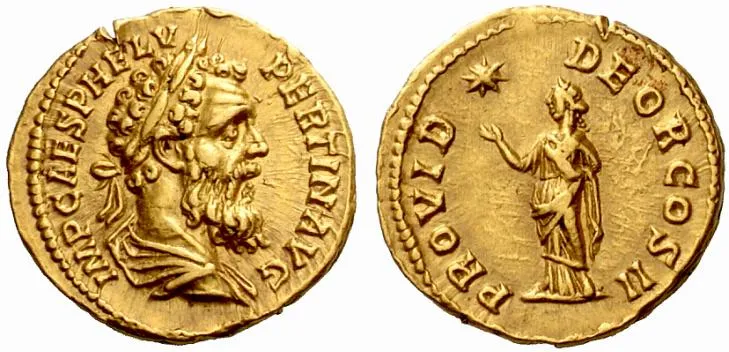
L'imperatore appena salito al trono trovò le casse dello Stato sull'orlo del fallimento: Commodo aveva lasciato un debito di un milione di sesterzi e una corte sterminata. Pertinace reagì con una severità tacitiana. Nei primi giorni del 193 emanò una serie di decreti che, se fossero stati applicati, avrebbero forse rifondato l'impero su basi nuove.
The newly enthroned emperor found the state coffers on the brink of bankruptcy: Commodus had left a debt of one million sesterces and a sprawling court. Pertinax reacted with Tacitean severity. In the first days of 193 he issued a series of decrees which, had they been applied, might perhaps have refounded the empire on new foundations.
Asta degli Schiavi di CorteAuction of the Court Slaves
Pertinace fece vendere all'asta pubblica i tesori del palazzo imperiale: gli abiti di seta di Commodo, gli arredi d'oro, le concubine, i pueri delicati, gli atleti, i gladiatori personali: tutto. Una folla immensa accorse al Palatino: vedere le ricchezze dell'imperatore-Ercole disperse al mercato fu un'esperienza catartica per il popolo romano. Cassio Dione, testimone diretto, scrive che "la calca era tale che nessuno poteva muoversi, e tutto fu venduto a prezzi due o tre volte superiori al valore di mercato".
Pertinax had the treasures of the imperial palace sold at public auction: Commodus's silk garments, gold furnishings, concubines, dainty pages, athletes, personal gladiators: everything. A vast crowd flocked to the Palatine: seeing the wealth of the emperor-Hercules scattered at market was a cathartic experience for the Roman people. Cassius Dio, a direct witness, writes that "the press was such that no one could move, and everything was sold at prices two or three times above market value".
Riforma AgrariaAgrarian Reform
Per ricolonizzare le terre abbandonate dell'Italia centrale e del Nord Africa, Pertinace emanò un editto rivoluzionario: «chiunque occupi e coltivi una terra abbandonata, in Italia o nelle province, ne diventa proprietario, e ne è esente da imposte per dieci anni». Era una versione ante-litteram dell'Homestead Act americano. La misura, attribuita dall'Historia Augusta a Pertinace stesso, mirava a invertire lo spopolamento agrario in atto da decenni.
To recolonize the abandoned lands of central Italy and North Africa, Pertinax issued a revolutionary edict: «whoever occupies and cultivates an abandoned land, in Italy or the provinces, becomes its owner, and is exempt from taxes for ten years». It was a forerunner of the American Homestead Act. The measure, attributed by the Historia Augusta to Pertinax himself, aimed to reverse the agrarian depopulation that had been ongoing for decades.
Disciplina PretorianaPraetorian Discipline
Il punto fatale. Pertinace tentò di ristabilire la disciplina nella Guardia Pretoriana, ridotta ormai a un corpo di poliziotti di palazzo arricchiti dall'indulgenza di Commodo. Ridusse i privilegi, pagò il donativum di accesso al trono (12.000 sesterzi a testa) solo a metà, e soprattutto pretese che i pretoriani tornassero alle esercitazioni militari quotidiane. Era come togliere a un nobile la villa con piscina e mandarlo in caserma. La risposta fu prevedibile.
The fatal point. Pertinax attempted to restore discipline in the Praetorian Guard, by then reduced to a corps of palace policemen enriched by Commodus's indulgence. He reduced privileges, paid the accession donativum (12,000 sesterces each) at only half, and above all demanded that the praetorians return to daily military drills. It was like taking a noble's villa with swimming pool away and sending him to barracks. The response was predictable.
03L'Assassinio (28 marzo 193)The Assassination (28 March 193)
La mattina del 28 marzo 193 trecento pretoriani in armi marciarono dal Castrum Praetorium verso il Palatino. Gli ufficiali tentarono di fermarli, invano. Pertinace, avvertito della rivolta, rifiutò di fuggire: «Imperatorem non decet fugere» — non si addice a un imperatore fuggire. Salì sul colle ad affrontarli da solo, accompagnato solo dal prefetto del pretorio Quinto Emilio Leto (lo stesso che aveva organizzato l'assassinio di Commodo tre mesi prima) e dal liberto Ecletto.
On the morning of 28 March 193 three hundred armed praetorians marched from the Castrum Praetorium toward the Palatine. The officers tried to stop them, in vain. Pertinax, warned of the revolt, refused to flee: «Imperatorem non decet fugere» — it does not befit an emperor to flee. He climbed the hill to face them alone, accompanied only by praetorian prefect Quintus Aemilius Laetus (the same who had organized Commodus's assassination three months before) and the freedman Eclectus.
La testa di Pertinace fu staccata, infilzata su una lancia e portata in trionfo per le strade di Roma. Aveva regnato 87 giorni. Il liberto Ecletto morì combattendo al suo fianco; il prefetto Leto, secondo alcune fonti, era complice della congiura.
Pertinax's head was severed, mounted on a spear and carried in triumph through the streets of Rome. He had reigned 87 days. The freedman Eclectus died fighting at his side; the prefect Laetus, according to some sources, was complicit in the conspiracy.
04L'Asta dell'ImperoThe Auction of the Empire
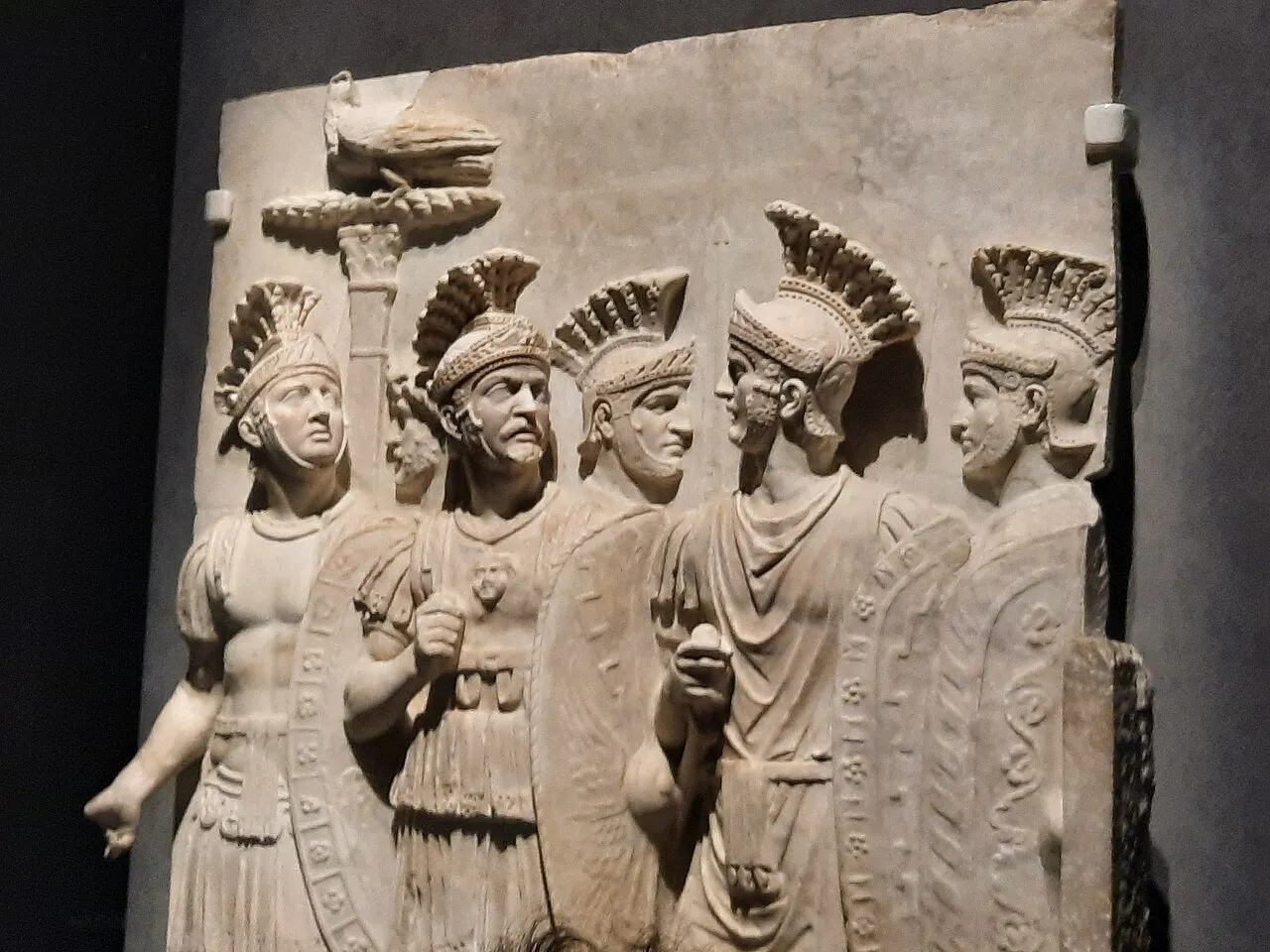
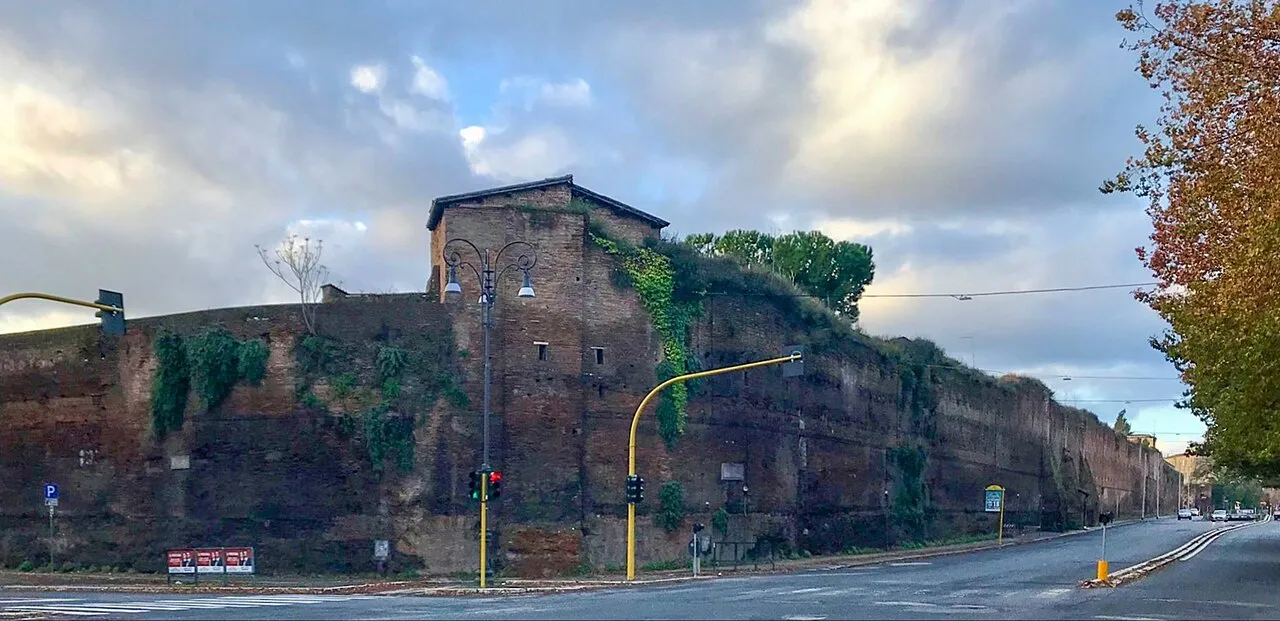
Nelle ore immediatamente successive all'assassinio si consumò uno degli episodi più vergognosi della storia romana. La Guardia Pretoriana, padrona del palazzo, mise letteralmente all'asta il trono imperiale dalle mura del Castrum Praetorium. Due candidati si presentarono a contrattare: Tito Flavio Sulpiciano (suocero di Pertinace, prefetto di Roma) e Marco Didio Giuliano (ricchissimo senatore).
In the hours immediately following the assassination one of the most shameful episodes in Roman history took place. The Praetorian Guard, masters of the palace, literally auctioned off the imperial throne from the walls of the Castrum Praetorium. Two candidates presented themselves to bargain: Titus Flavius Sulpicianus (Pertinax's father-in-law, Prefect of Rome) and Marcus Didius Julianus (an extremely wealthy senator).
Sulpiciano partì da 20.000 sesterzi a testa per ogni pretoriano. Didio Giuliano, arrivato da una cena, rilanciò a 25.000. Sulpiciano scese a 30.000, ma Giuliano, dall'esterno gridando agli ufficiali in alto sulle mura, offrì 25.000 in oro contante immediato. Vinse. L'impero fu venduto per il prezzo complessivo di circa 300 milioni di sesterzi al portatore di una valigetta d'oro. Cassio Dione e Erodiano concordano nel definire l'episodio il punto più basso della res publica.
Sulpicianus started at 20,000 sesterces per praetorian. Didius Julianus, arriving from a dinner, raised to 25,000. Sulpicianus descended to 30,000, but Julianus, shouting from outside to the officers on top of the walls, offered 25,000 in immediate cash gold. He won. The empire was sold for a total price of about 300 million sesterces to the bearer of a briefcase of gold. Cassius Dio and Herodian agree in defining the episode as the lowest point of the res publica.
Quando la notizia arrivò alle legioni di frontiera, tre governatori si ribellarono contemporaneamente: Settimio Severo in Pannonia, Pescennio Nigro in Siria, Clodio Albino in Britannia. Era iniziato il secondo "Anno dei Quattro Imperatori" della storia romana, dopo quello del 69 d.C. Settimio Severo, marciando su Roma in 64 giorni, raggiunse la capitale, depose e fece uccidere Didio Giuliano (1° giugno 193, dopo soli 66 giorni di regno), e fondò la dinastia dei Severi.
When the news reached the frontier legions, three governors simultaneously rebelled: Septimius Severus in Pannonia, Pescennius Niger in Syria, Clodius Albinus in Britain. The second "Year of the Four Emperors" of Roman history had begun, after that of AD 69. Septimius Severus, marching on Rome in 64 days, reached the capital, deposed and had Didius Julianus killed (1 June 193, after only 66 days of reign), and founded the Severan dynasty.
05EreditàLegacy
Pertinace rimase nella memoria romana come l'imperatore virtuoso che non ebbe tempo di governare. Il suo assassinio aprì un episodio senza precedenti nella storia di Roma: la Guardia Pretoriana mise letteralmente all'asta il trono imperiale, che fu acquistato dal ricchissimo senatore Didio Giuliano per la somma di 25.000 sesterzi a testa per ogni soldato. Era la fine di ogni finzione istituzionale.
Pertinax remained in Roman memory as the virtuous emperor who had no time to govern. His assassination opened an unprecedented episode in Rome's history: the Praetorian Guard literally auctioned off the imperial throne, which was purchased by the very wealthy senator Didius Julianus for the sum of 25,000 sesterces per soldier. It was the end of every institutional pretense.
Settimio Severo, una volta entrato a Roma vittorioso, sciolse l'intera Guardia Pretoriana, un atto senza precedenti, e la sostituì con soldati delle sue legioni danubiane. Decretò quindi la consecratio di Pertinace: l'imperatore-martire fu divinizzato, gli fu eretto un tempio sul Palatino, e ogni anno il 28 marzo si celebrava la sua memoria. Severo si proclamò filius Pertinacis, figlio di Pertinace, per legittimare il proprio principato, esattamente come aveva fatto Pertinace con Marco Aurelio.
Septimius Severus, once he entered Rome victorious, disbanded the entire Praetorian Guard, an unprecedented act, and replaced them with soldiers from his Danubian legions. He then decreed the consecratio of Pertinax: the martyr-emperor was deified, a temple was erected to him on the Palatine, and every year on March 28 his memory was celebrated. Severus proclaimed himself filius Pertinacis, son of Pertinax, to legitimize his own principate, exactly as Pertinax had done with Marcus Aurelius.
Edward Gibbon, nel Declino e caduta dell'impero romano, lo descrisse come "l'ultimo dei buoni imperatori e il primo dei martiri della disciplina militare". Per i moderni storici, da Birley a Grant, Pertinace incarna il dilemma centrale del principato: nessun riformatore onesto poteva sopravvivere a un esercito ormai diventato il vero elector imperii. La sua morte non aprì solo l'anno dei Quattro Imperatori, ma inaugurò il lungo declino del terzo secolo.
Edward Gibbon, in The Decline and Fall of the Roman Empire, described him as "the last of the good emperors and the first of the martyrs of military discipline". For modern historians, from Birley to Grant, Pertinax embodies the central dilemma of the principate: no honest reformer could survive an army by then become the true elector imperii. His death not only opened the year of the Four Emperors, but inaugurated the long decline of the third century.