01Il Principe d'OrienteThe Eastern Prince
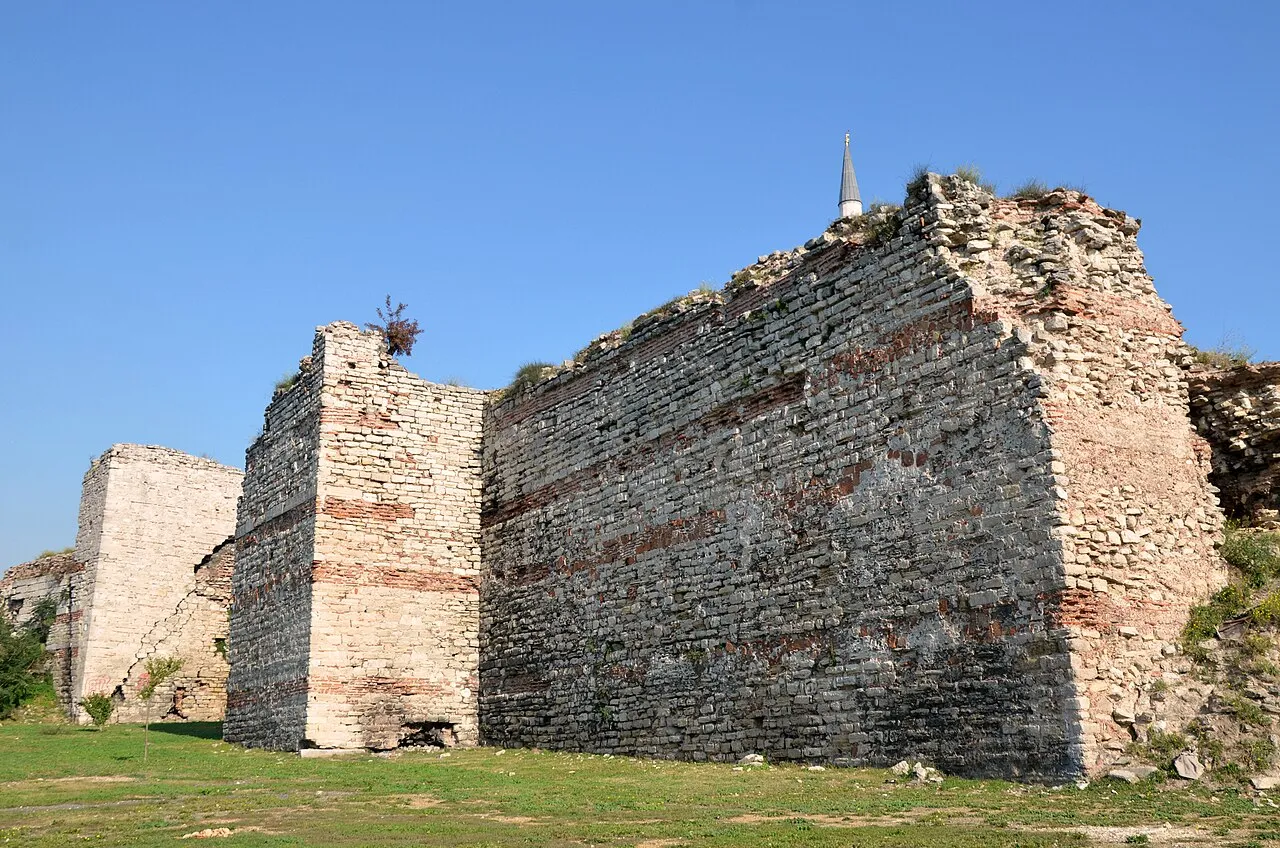
Procopio Antemio fu, caso quasi unico fra gli ultimi imperatori d'Occidente, un autentico erede della tradizione imperiale. Nacque a Costantinopoli attorno al 420, figlio del generale Procopio (a sua volta discendente dell'usurpatore Procopio, parente di Giuliano l'Apostata) e di una nipote del grande praefectus praetorio Orientis Antemio, l'uomo che aveva di fatto retto l'Oriente durante la minore età di Teodosio II (408–414) e aveva innalzato le triplici Mura Teodosiane di Costantinopoli, tuttora in piedi. Da quel nonno illustre ereditò il nome, l'ambizione politica e una fitta rete di clientele aristocratiche.
Procopius Anthemius was, almost uniquely among the last Western emperors, an authentic heir of imperial tradition. He was born at Constantinople around 420, son of the general Procopius (himself a descendant of the usurper Procopius, kinsman of Julian the Apostate) and of a granddaughter of the great praefectus praetorio Orientis Anthemius, the man who had effectively ruled the East during the minority of Theodosius II (408–414) and had raised the triple Theodosian Walls of Constantinople, still standing today. From that illustrious grandfather he inherited his name, his political ambition and a dense network of aristocratic clienteles.
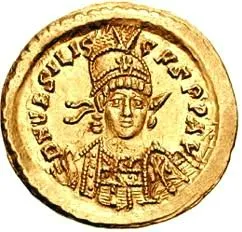
Studiò filosofia ad Alessandria, alla scuola del neoplatonico Proclo, e divenne uno degli ultimi grandi laici colti dell'Impero: parlava greco e latino, conosceva Platone e Aristotele. Sposò Marcia Eufemia, figlia dell'imperatore Marciano (450–457), entrando così nella casa dell'Augusto regnante, che lo colmò delle cariche più alte: comes, magister militum praesentalis, console nel 455. Sul Danubio si coprì di gloria battendo in campo aperto gli Ostrogoti di Valamir nel 466–467. Era il candidato perfetto per la porpora d'Occidente: sangue imperiale, valore militare provato, gradito a entrambe le corti.
He studied philosophy at Alexandria, in the school of the Neoplatonist Proclus, and became one of the last great cultivated laymen of the Empire: he spoke Greek and Latin, knew Plato and Aristotle. He married Marcia Euphemia, daughter of emperor Marcian (450–457), thus entering the house of the reigning Augustus, who heaped upon him the highest offices: comes, magister militum praesentalis, consul in 455. On the Danube he covered himself in glory, beating the Ostrogoths of Valamir in the open field in 466–467. He was the perfect candidate for the purple of the West: imperial blood, proven military valour, welcome at both courts.
Quando, alla morte di Marciano, il trono d'Oriente andò al trace Leone I (457) e non a lui, Antemio si rassegnò ad attendere. L'occasione arrivò dieci anni dopo, e proprio da quella delusione: Leone I, incalzato da Ricimero perché designasse finalmente un Augusto d'Occidente, preferì allontanare da Costantinopoli un rivale potenziale piuttosto che covarselo in casa. Il 25 marzo 467, a Brontotas presso la capitale, Antemio fu proclamato Augusto d'Occidente; sbarcò in Italia alla testa di un poderoso esercito orientale e fu acclamato a Roma il 12 aprile 467.
When, at Marcian's death, the Eastern throne went to the Thracian Leo I (457) and not to him, Anthemius resigned himself to waiting. The chance came ten years later, and precisely from that disappointment: Leo I, pressed by Ricimer to designate at last a Western Augustus, preferred to send a potential rival away from Constantinople rather than nurse him at home. On 25 March 467, at Brontotas near the capital, Anthemius was proclaimed Augustus of the West; he landed in Italy at the head of a mighty Eastern army and was acclaimed at Rome on 12 April 467.
02L'Augusto Filosofo a RomaThe Philosopher Augustus at Rome
Antemio entrò in Roma con uno stile imperiale che la città non vedeva da generazioni. Riportò in vita il cerimoniale della corte tardo-antica, tornò a risiedere stabilmente sul Palatino, non a Ravenna come i predecessori, protesse il Senato, finanziò nuovi giochi al Colosseo. Per la prima volta dal sacco vandalico del 455, Roma tornava a essere la sede effettiva di un Augusto residente. Il 1° gennaio 468 assunse il consolato, e Sidonio Apollinare, già cantore di Avito e Maioriano, fu chiamato a recitare il Panegirico ad Antemio (il Carmen II, cinquecentoquarantotto esametri), capolavoro della tarda poesia latina e unico panegirico romano del V secolo giunto fino a noi. In premio, il poeta fu nominato praefectus urbi di Roma: l'ultimo gallo a reggere la prefettura dell'Urbe.
Anthemius entered Rome with an imperial style the city had not seen in generations. He brought back to life the ceremonial of the late-antique court, returned to reside permanently on the Palatine, not at Ravenna like his predecessors, protected the Senate, financed new games at the Colosseum. For the first time since the Vandal sack of 455, Rome was again the effective seat of a resident Augustus. On 1 January 468 he assumed the consulship, and Sidonius Apollinaris, already the bard of Avitus and Majorian, was called to recite the Panegyric to Anthemius (the Carmen II, five hundred and forty-eight hexameters), a masterpiece of late Latin poetry and the only Roman panegyric of the 5th century to reach us. In reward, the poet was named praefectus urbi of Rome: the last Gaul to hold the prefecture of the City.
Coltivò un'apertura intellettuale anomala per i tempi: protesse i circoli neoplatonici, accolse a corte i filosofi greci, tollerò apertamente i culti pagani superstiti, il maestro Damocle, l'oratore Messio Febo Severo (suo prefetto del pretorio), il filosofo Romolo. Per questa libertà fu accusato di simpatie pagane dal vescovo di Roma Ilario, che gli vietò di emanare leggi favorevoli alle eresie: la pressione del clero gli rese impossibile portare a compimento il disegno culturale. Per saldare l'alleanza con Ricimero, gli diede in moglie la figlia Alipia: nozze politiche celebrate con grande sfarzo a Roma nell'estate del 467, alle quali Sidonio assistette di persona. Ma fu un legame sterile e fragile, e la concordia tra suocero e genero non era destinata a durare.
He cultivated an intellectual openness anomalous for the times: he protected the Neoplatonist circles, welcomed Greek philosophers to court, openly tolerated the surviving pagan cults, the schoolmaster Damocles, the orator Messius Phoebus Severus (his praetorian prefect), the philosopher Romulus. For this freedom he was accused of pagan sympathies by the bishop of Rome Hilarius, who forbade him to issue laws favourable to the heresies: the pressure of the clergy made it impossible to complete his cultural design. To seal the alliance with Ricimer, he gave him his daughter Alypia in marriage, a political wedding celebrated with great pomp at Rome in the summer of 467, which Sidonius attended in person. But it was a sterile and fragile bond, and the concord between father-in-law and son-in-law was not destined to last.
03Capo Bon 468: la CatastrofeCape Bon 468: the Catastrophe
L'obiettivo strategico era cristallino: l'Africa vandala. Senza Cartagine, l'Occidente sarebbe morto di fame; spezzata la flotta vandala, il Mediterraneo sarebbe tornato romano. Per la prima volta dopo decenni Oriente e Occidente si coordinarono, e Antemio e Leone I allestirono la più grande spedizione militare della tarda antichità. Le fonti (Procopio, Cedreno, Giordane, Idazio) tramandano cifre vertiginose, anche scontando l'esagerazione: 1.113 navi, almeno centomila uomini fra fanti, cavalieri, marinai e rematori. Il costo, secondo Giovanni Lido, fu di 64.000 libbre d'oro versate dal solo tesoro orientale, oltre a 700.000 libbre d'argento e vettovaglie incalcolabili: l'intero gettito fiscale dell'Oriente per un anno.
The strategic objective was crystal-clear: Vandal Africa. Without Carthage, the West would die of hunger; with the Vandal fleet broken, the Mediterranean would be Roman once more. For the first time in decades East and West coordinated, and Anthemius and Leo I mustered the greatest military expedition of late antiquity. The sources (Procopius, Cedrenus, Jordanes, Hydatius) hand down dizzying figures, even discounting the exaggeration: 1,113 ships, at least one hundred thousand men among infantry, cavalry, sailors and oarsmen. The cost, according to John the Lydian, was 64,000 pounds of gold paid by the Eastern treasury alone, besides 700,000 pounds of silver and incalculable supplies: the entire fiscal yield of the East for a year.
Il piano prevedeva una tenaglia su tre fronti: Marcellino, con la flotta dalmata, avrebbe preso la Sardegna e la Sicilia (e vi riuscì); il generale Eraclio di Edessa sarebbe sbarcato in Cirenaica per marciare via terra su Cartagine (e lo fece con successo); la flotta principale, affidata al cognato di Leone I, Basilisco, sarebbe salpata da Costantinopoli per assalire la costa africana davanti a Cartagine. I primi due bracci della tenaglia si chiusero alla perfezione. Il terzo fu una catastrofe.
The plan called for a pincer on three fronts: Marcellinus, with the Dalmatian fleet, would take Sardinia and Sicily (and he succeeded); the general Heraclius of Edessa would land in Cyrenaica to march overland on Carthage (and did so successfully); the main fleet, entrusted to Leo I's brother-in-law Basiliscus, would sail from Constantinople to assault the African coast before Carthage. The first two arms of the pincer closed to perfection. The third was a catastrophe.
La flotta di Basilisco gettò l'ancora a Capo Mercurio, l'odierno Capo Bon, sulla punta nord-orientale della Tunisia: a una sola giornata di vela da Cartagine. Era l'inizio di giugno del 468. E qui Basilisco, in modo per i contemporanei inspiegabile (corrotto da Genserico, secondo Procopio), concesse al re vandalo la tregua di cinque giorni che questi chiedeva per « trattare la resa» . Era la più classica delle trappole. Genserico attese il vento propizio, poi scagliò contro la flotta romana all'ancora i suoi brulotti: navi colme di pece, zolfo e legna secca, incendiate e lasciate correre sottovento. In poche ore il rogo divampò : stipate nell'angusto porto di Capo Bon, le navi romane non poterono né salpare né manovrare. Più di metà della flotta (oltre seicento navi, secondo le stime moderne) bruciò o fu catturata. La maggior parte dei soldati morì sui propri ponti.
Basiliscus's fleet dropped anchor at Cape Mercury, today's Cape Bon, on the north-eastern tip of Tunisia: a single day's sail from Carthage. It was the beginning of June 468. And here Basiliscus, in a way inexplicable to contemporaries (bribed by Gaiseric, according to Procopius), granted the Vandal king the five-day truce he sought to « negotiate the surrender» . It was the most classic of traps. Gaiseric awaited the favourable wind, then hurled against the anchored Roman fleet his fire ships: vessels crammed with pitch, sulphur and dry wood, set alight and let run downwind. In a few hours the blaze flared up: packed into the cramped harbour of Cape Bon, the Roman ships could neither sail nor manoeuvre. More than half the fleet (over six hundred ships, by modern estimates) burned or was captured. Most of the soldiers died on their own decks.
Basilisco fuggì a Costantinopoli coi superstiti. Eraclio di Edessa, isolato in Africa e privo di appoggio navale, dovette ripiegare via terra perdendo gran parte del suo corpo di spedizione. Marcellino, ormai signore della Sicilia, fu pugnalato a Siracusa il 22 agosto 468, quasi certamente per ordine di Ricimero, che nel generale dalmata vedeva l'ultimo vero rivale militare rimasto; e le sue truppe, perduto il comandante, si sbandarono. La spedizione era fallita su tutta la linea. Il prestigio di Antemio e dell'Oriente crollò , e le casse imperiali restarono vuote per un decennio.
Basiliscus fled to Constantinople with the survivors. Heraclius of Edessa, isolated in Africa and bereft of naval support, had to fall back overland, losing much of his expeditionary corps. Marcellinus, by now lord of Sicily, was stabbed at Syracuse on 22 August 468, almost certainly on Ricimer's orders, who saw in the Dalmatian general the last true military rival remaining; and his troops, having lost their commander, scattered. The expedition had failed along the whole line. The prestige of Anthemius and of the East collapsed, and the imperial coffers stood empty for a decade.
04La Rottura con RicimeroThe Break with Ricimer
Il disastro africano e l'eliminazione di Marcellino lasciarono Antemio strategicamente nudo. Senza la flotta d'Oriente, senza i veterani dalmati, senza il prestigio di una vittoria, era ormai alla mercé di Ricimero: esattamente la condizione che aveva sperato di evitare. Tra il 469 e il 470 ottenne ancora qualche modesto successo, il generale Valila riprese parte della Spagna meridionale, ma fu travolto dai Visigoti del nuovo re Eurico, l'uomo che aveva ucciso il fratello Teodorico II nel 466, nella sconfitta di Dé ols (469). Eurico, il più abile dei sovrani visigoti, occupò metodicamente l'intera Gallia meridionale e gran parte della Spagna. La Gallia romana cessò di esistere.
The African disaster and the elimination of Marcellinus left Anthemius strategically naked. Without the Eastern fleet, without the Dalmatian veterans, without the prestige of a victory, he was now at Ricimer's mercy: exactly the condition he had hoped to avoid. Between 469 and 470 he still won some modest successes, the general Valila recovered part of southern Spain, but was overwhelmed by the Visigoths of the new king Euric, the man who had killed his brother Theodoric II in 466, in the defeat of Déols (469). Euric, the most capable of the Visigothic sovereigns, methodically occupied the whole of southern Gaul and a large part of Spain. Roman Gaul ceased to exist.
Nel 470 la rottura fu aperta. Le fonti tarde (Ennodio, Cassiodoro, gli Excerpta di Giovanni di Antiochia) raccontano di una crisi lacerante: Antemio fece giustiziare per alto tradimento il quaestor sacri palatii Romano, alto funzionario fedele a Ricimero; il patricius, ritiratosi a Milano coi propri foederati, si proclamò in stato di guerra. Per un anno intero, nel 471, il vescovo di Pavia sant'Epifanio, di cui Ennodio traccia una vivida Vita, fece la spola tra Roma e Milano portando lettere, formule di compromesso, scambi di ostaggi. Per qualche mese parve che la guerra civile si potesse ancora scongiurare.
In 470 the break was open. The late sources (Ennodius, Cassiodorus, the Excerpta of John of Antioch) tell of a lacerating crisis: Anthemius had the quaestor sacri palatii Romanus, a high official loyal to Ricimer, executed for high treason; the patricius, withdrawing to Milan with his own foederati, declared himself in a state of war. For an entire year, in 471, the bishop of Pavia Saint Epiphanius, of whom Ennodius traces a vivid Vita, shuttled between Rome and Milan carrying letters, compromise formulas, exchanges of hostages. For some months it seemed civil war might still be averted.
L'illusione svanì agli inizi del 472, quando Ricimero (spinto dagli emissari di Genserico, ostile all'asse fra Antemio e Costantinopoli) proclamò Augusto il senatore Anicio Olibrio, marito della principessa Placidia, figlia di Valentiniano III che il re vandalo aveva tenuto in ostaggio a Cartagine per quindici anni. Era una mossa che spaccava la legittimità : Olibrio aveva sangue teodosiano ed era gradito a Costantinopoli, ma veniva imposto da un capo barbaro contro un Augusto in carica. La guerra civile era ormai inevitabile.
The illusion vanished at the beginning of 472, when Ricimer (driven by the emissaries of Gaiseric, hostile to the axis between Anthemius and Constantinople) proclaimed as Augustus the senator Anicius Olybrius, husband of the princess Placidia, daughter of Valentinian III whom the Vandal king had held hostage at Carthage for fifteen years. It was a move that split legitimacy: Olybrius had Theodosian blood and was welcome at Constantinople, but he was being imposed by a barbarian chief against a reigning Augustus. Civil war was now inevitable.
05L'Assedio di Roma e la MorteThe Siege of Rome and Death
Nel febbraio del 472 Ricimero calò su Roma con il suo esercito di foederati (goti, ostrogoti, sciri, burgundi) agli ordini del nipote Gundobado, principe dei Burgundi. La popolazione si strinse attorno ad Antemio; il Senato, diviso, si rifugiò in gran parte sul Campidoglio. L'assedio di Roma del 472 durò cinque mesi e fu tra i più lunghi e rovinosi della tarda storia della città : i ponti sul Tevere furono prima fortificati, poi abbattuti; il Trastevere cadde per primo; la fame divenne atroce, e secondo la Vita Epiphanii «i cadaveri giacevano ammassati nei crocicchi» . Antemio si trincerò sul Palatino con la guardia e gli ultimi resti dell'esercito orientale; Ricimero teneva Ravenna, le campagne, il Trastevere.
In February 472 Ricimer descended on Rome with his army of foederati (Goths, Ostrogoths, Scirians, Burgundians) under the orders of his nephew Gundobad, prince of the Burgundians. The populace rallied around Anthemius; the Senate, divided, took refuge largely on the Capitoline. The siege of Rome of 472 lasted five months and was among the longest and most ruinous in the late history of the city: the Tiber bridges were first fortified, then torn down; Trastevere fell first; hunger grew atrocious, and according to the Vita Epiphanii «the corpses lay heaped in the crossroads» . Anthemius entrenched himself on the Palatine with the guard and the last remnants of the Eastern army; Ricimer held Ravenna, the countryside, Trastevere.
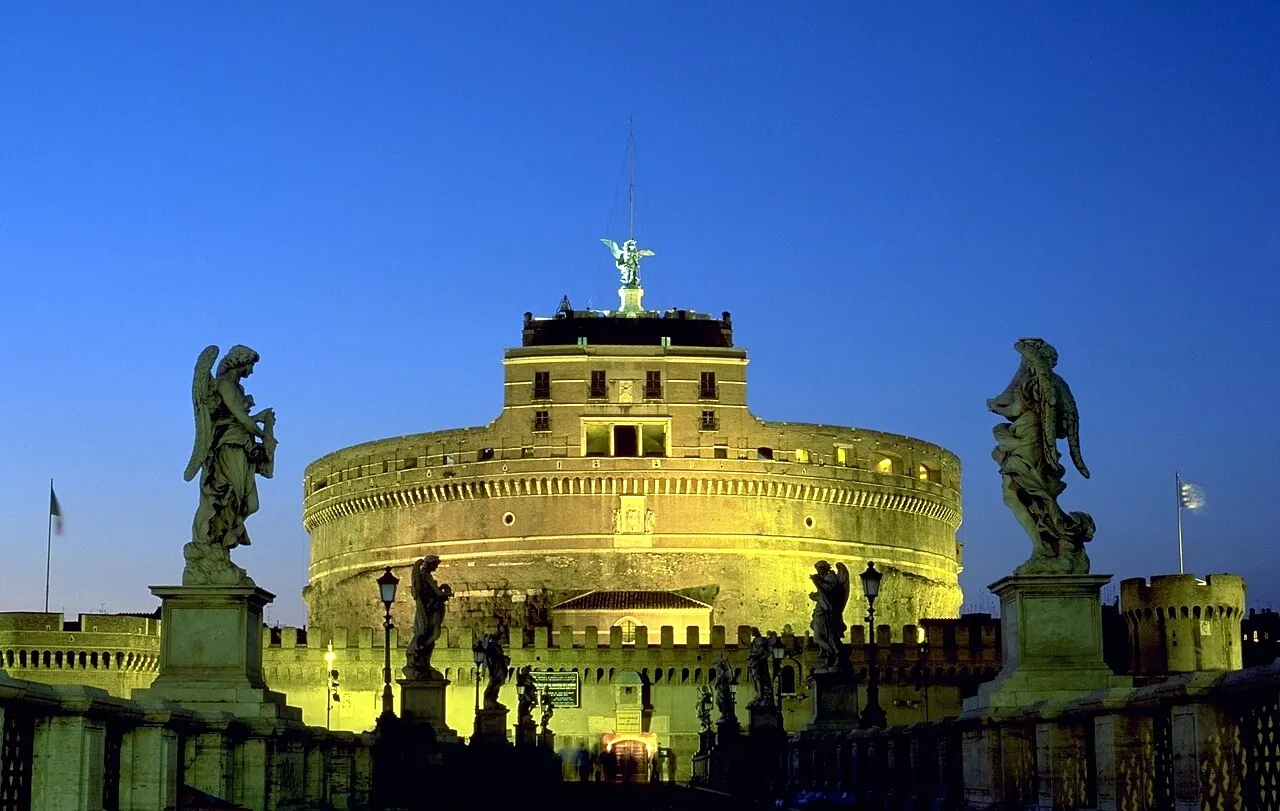
L'11 luglio 472, dopo una sortita disperata sul ponte Elio, l'odierno Ponte Sant'Angelo, Antemio fu sconfitto e cercò scampo nella basilica costantiniana di San Pietro in Vaticano, confidando nel diritto d'asilo. Gundobado lo fece trascinare fuori dalla chiesa e lo decapitò di propria mano sui gradini dell'altare maggiore: un sacrilegio che scosse i contemporanei. Secondo Giovanni di Antiochia, l'imperatore si era travestito da mendicante per confondersi tra la folla; fu tradito dal proprio anello consolare. Aveva regnato cinque anni e tre mesi; ne aveva cinquantadue.
On 11 July 472, after a desperate sortie on the Aelian bridge, today's Ponte Sant'Angelo, Anthemius was defeated and sought refuge in the Constantinian basilica of St Peter's in the Vatican, trusting in the right of asylum. Gundobad had him dragged out of the church and beheaded him with his own hand on the steps of the high altar: a sacrilege that shook contemporaries. According to John of Antioch, the emperor had disguised himself as a beggar to lose himself in the crowd; he was betrayed by his own consular ring. He had reigned five years and three months; he was fifty-two.
Ricimero non gli sopravvisse a lungo. Quaranta giorni dopo l'esecuzione di Antemio, il 18 agosto 472, il patricius si spense improvvisamente a Roma, stroncato da una violenta emorragia interna (forse un'ulcera, forse un tumore). Aveva sessantasette anni e per sedici aveva tenuto in pugno il potere reale dell'Occidente. Con lui si chiudeva l'età dei kingmaker semibarbari: il successore designato, il nipote Gundobado, lasciò presto l'Italia per contendere al padre la corona di Burgundia. Il fragile Anicio Olibrio sarebbe durato appena sette mesi. Mancavano quattro anni alla deposizione di Romolo Augustolo: lo spettacolo dell'Occidente romano stava per calare il sipario.
Ricimer did not long outlive him. Forty days after the execution of Anthemius, on 18 August 472, the patricius died suddenly at Rome, cut down by a violent internal haemorrhage (perhaps an ulcer, perhaps a tumour). He was sixty-seven, and for sixteen years had held the real power of the West in his fist. With him closed the age of the half-barbarian kingmakers: his designated successor, his nephew Gundobad, soon left Italy to contend with his father for the crown of Burgundy. The fragile Anicius Olybrius would last barely seven months. Four years remained until the deposition of Romulus Augustulus: the spectacle of the Roman West was about to bring down the curtain.