01Il Senatore AnicioThe Anician Senator
Anicio Olibrio nacque a Roma attorno al 420 nella gens Anicia, la più antica e ricca casata senatoria dell'Italia tardo-antica, la stessa stirpe che aveva dato a Roma Petronio Massimo e che avrebbe generato, nei decenni a venire, il filosofo Severino Boezio e il senatore Cassiodoro. Fu console nel 464 e patricius sotto Antemio. Cristiano fervente, finanziò chiese e monasteri e frequentò i circoli letterati dell'Urbe. Per patrimonio ereditato e immense proprietà fondiarie era forse l'uomo più ricco dell'Occidente, secondo solo a Petronio Massimo.
Anicius Olybrius was born at Rome around 420 in the gens Anicia, the most ancient and wealthy senatorial house of late-antique Italy, the same lineage that had given Rome Petronius Maximus and that would beget, in the decades to come, the philosopher Boethius and the senator Cassiodorus. He was consul in 464 and patricius under Anthemius. A fervent Christian, he financed churches and monasteries and frequented the literary circles of the City. By inherited fortune and immense landed estates he was perhaps the richest man in the West, second only to Petronius Maximus.
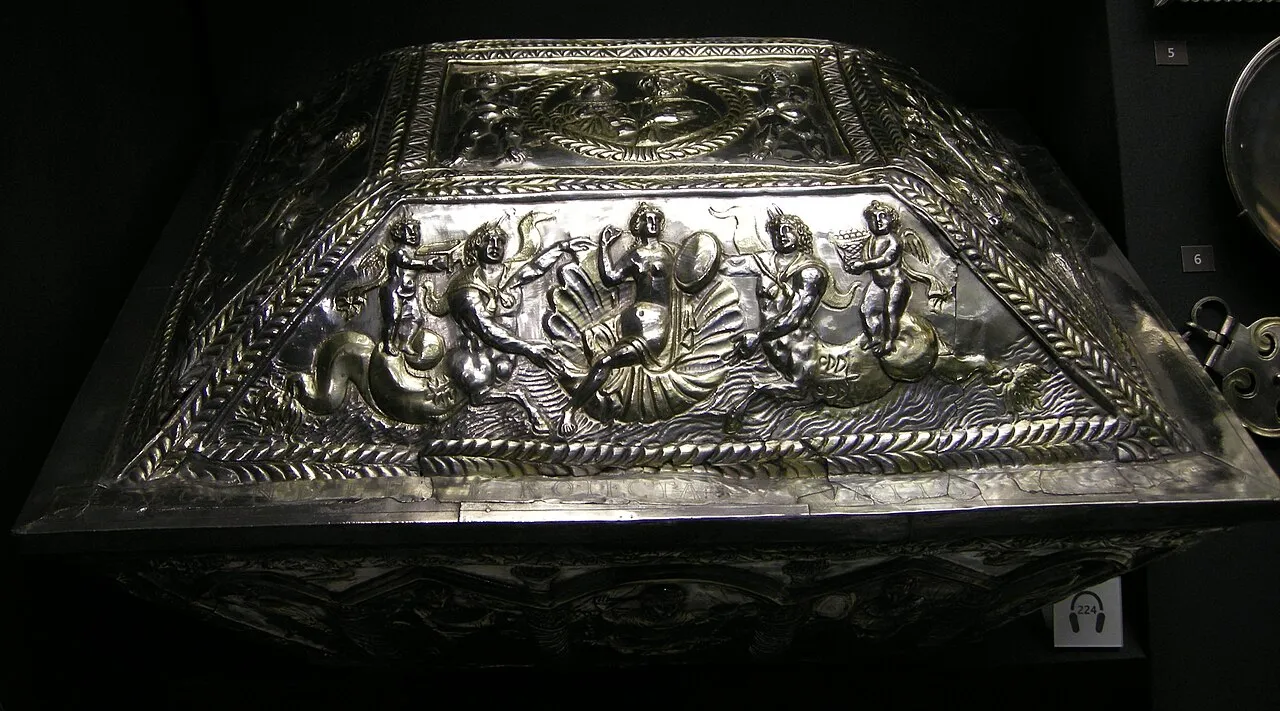
La sua importanza politica veniva tutta dal matrimonio. Attorno al 462 sposò Galla Placidia la Giovane, figlia di Valentiniano III e di Licinia Eudossia, sorella di quell'Eudocia che era andata in moglie al principe vandalo Unerico. Placidia era stata catturata dai Vandali nel sacco di Roma del 455 e tenuta in ostaggio a Cartagine per sette anni; quando Genserico la liberò nel 462, su pressione di Costantinopoli, fu data in sposa a Olibrio. Per quel solo matrimonio Olibrio divenne a un tempo erede legittimo della dinastia teodosiana, cognato del principe vandalo Unerico e, per via diplomatica, uomo di fiducia di Genserico, il vero padrone del Mediterraneo. Un intreccio di legami senza pari nell'aristocrazia del V secolo.
His political importance came entirely from his marriage. Around 462 he married Galla Placidia the Younger, daughter of Valentinian III and Licinia Eudoxia, sister of that Eudocia who had gone in marriage to the Vandal prince Huneric. Placidia had been captured by the Vandals in the sack of Rome of 455 and held hostage at Carthage for seven years; when Gaiseric freed her in 462, under pressure from Constantinople, she was given in marriage to Olybrius. By that single marriage Olybrius became at once legitimate heir of the Theodosian dynasty, brother-in-law of the Vandal prince Huneric and, by diplomatic relation, trusted man of Gaiseric, the true master of the Mediterranean. An interweaving of ties without equal in the 5th-century aristocracy.
Fra il 464 e il 472 Olibrio visse soprattutto a Costantinopoli, alla corte di Leone I, dove l'imperatrice Verina chiamava la moglie « cara cugina» . Per anni Genserico, che voleva sul trono d'Occidente un uomo a lui gradito, insistette invano perché Leone lo nominasse Augusto; ma Leone preferì Antemio (467). Quando però , nel 471, Ricimero ruppe con Antemio e scatenò la guerra civile, Olibrio si rivelò il candidato perfetto: legittimato dal sangue teodosiano, accettabile a Costantinopoli, gradito a Cartagine e, soprattutto, politicamente inerme, privo di un esercito proprio. Ricimero lo chiamò in Italia.
Between 464 and 472 Olybrius lived mainly at Constantinople, at the court of Leo I, where the Empress Verina called his wife "dear cousin". For years Gaiseric, who wanted on the Western throne a man to his liking, vainly insisted that Leo nominate him Augustus; but Leo preferred Anthemius (467). Yet when, in 471, Ricimer broke with Anthemius and unleashed civil war, Olybrius proved the perfect candidate: legitimated by Theodosian blood, acceptable to Constantinople, welcome at Carthage and, above all, politically helpless, without an army of his own. Ricimer summoned him to Italy.
02Proclamazione nell'AssedioProclamation Amid the Siege
Olibrio sbarcò in Italia agli inizi del 472, quando Roma era già da settimane stretta dall'assedio di Ricimero. Leone I (secondo una fonte tarda ma plausibile, la Storia di Malco) gli aveva consegnato in segreto una lettera per Antemio, con l'ordine di sopprimere Ricimero alla prima occasione; ma Olibrio, intercettato dagli emissari del patricius, consegnò quella lettera proprio a Ricimero. Era il tradimento preteso in cambio della porpora.
Olybrius landed in Italy at the beginning of 472, when Rome had for weeks been gripped by Ricimer's siege. Leo I (according to a late but plausible source, the History of Malchus) had secretly given him a letter for Anthemius, with the order to do away with Ricimer at the first chance; but Olybrius, intercepted by the patricius's emissaries, delivered that letter to Ricimer himself. It was the betrayal demanded in exchange for the purple.
Tra l'aprile e il maggio del 472, mentre Antemio ancora resisteva sul Palatino, Ricimero acclamò Olibrio Augusto presso il proprio quartier generale del nord (forse a Padova o Ravenna). Subito partirono le emissioni monetarie: il tremisse di Olibrio, col rovescio della croce (insolito per la simbologia imperiale, e marcatamente cristiano) fu coniato a Milano, a Roma e a Ravenna. L'11 luglio 472, dopo l'esecuzione di Antemio in San Pietro, Olibrio entrò solennemente in Roma come unico Augusto. Cinque settimane più tardi, il 18 agosto 472, Ricimero spirò di colpo: emorragia interna, forse un tumore, quasi certamente non veleno. Il kingmaker che per sedici anni aveva dominato l'Occidente era scomparso.
Between April and May 472, while Anthemius still held out on the Palatine, Ricimer acclaimed Olybrius Augustus at his northern headquarters (perhaps at Padua or Ravenna). The coin emissions began at once: the tremissis of Olybrius, with the cross on the reverse (unusual for imperial symbology, and markedly Christian) was minted at Milan, Rome and Ravenna. On 11 July 472, after the execution of Anthemius in St Peter's, Olybrius entered Rome solemnly as sole Augustus. Five weeks later, on 18 August 472, Ricimer died suddenly, internal haemorrhage, perhaps a tumour, almost certainly not poison. The kingmaker who for sixteen years had dominated the West was gone.
03Sette Mesi di VuotoSeven Months of Emptiness
Il regno effettivo di Olibrio fu brevissimo: centodiciassette giorni dal suo ingresso a Roma come unico Augusto alla morte. Quasi nulla di ciò che doveva risollevare l'Occidente fu realizzato: una sola sua legge, la Novella Olybrii, sulle proprietà ecclesiastiche, sopravvive nel Codex. Conferì a Gundobado, il nipote burgundo di Ricimero, la carica di patricius e magister militum ereditata dallo zio: scelta obbligata, poiché soltanto i foederati burgundi e i veterani di Ricimero disponevano di una forza armata reale in Italia. Tutto il resto fu paralizzato dalla malattia: Olibrio soffriva d'idropisia (forse un'insufficienza cardiaca, forse una cirrosi) già all'arrivo a Roma; ad agosto il male si aggravò , a ottobre non riusciva più a camminare.
Olybrius's effective reign was very brief: one hundred and seventeen days from his entry into Rome as sole Augustus to his death. Almost nothing of what was to restore the West was carried out: a single law of his (the Novella Olybrii, on ecclesiastical properties) survives in the Codex. He conferred upon Gundobad, Ricimer's Burgundian nephew, the office of patricius and magister militum inherited from his uncle: a forced choice, since only the Burgundian foederati and Ricimer's veterans possessed any real armed force in Italy. All the rest was paralysed by illness: Olybrius was already suffering from dropsy (perhaps heart failure, perhaps cirrhosis) on his very arrival in Rome; in August the malady worsened, by October he could no longer walk.
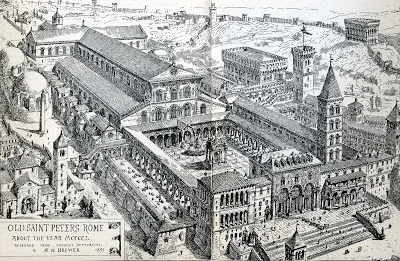
Morì il 2 novembre 472 a Roma, di morte naturale: con Onorio e Glicerio, l'unico Augusto d'Occidente del V secolo a non cadere assassinato. Fu sepolto in San Pietro, accanto al predecessore Antemio, i due rivali per il trono deposti nella stessa cripta basilicale a poche settimane l'uno dall'altro. Gundobado, di fatto suo erede, non seppe trovare in fretta un nuovo Augusto: il trono d'Occidente restò vacante per quattro mesi, fino al marzo del 473, quando lo stesso Gundobado proclamò Glicerio.
He died on 2 November 472 at Rome, of natural death: with Honorius and Glycerius, the only 5th-century Western Augustus not to fall by assassination. He was buried in St Peter's, beside his predecessor Anthemius, the two rivals for the throne laid in the same basilical crypt within a few weeks of each other. Gundobad, in fact his heir, could not quickly find a new Augustus: the Western throne remained vacant for four months, until March 473, when the same Gundobad proclaimed Glycerius.
04L'Erede: Anicia GiulianaThe Heir: Anicia Juliana
La sopravvivenza politica della casa di Olibrio si concentrò in una sola persona: Anicia Giuliana (462–528), unica figlia sua e di Galla Placidia, in cui confluivano tre eredità , l'aristocrazia anicia, la dinastia teodosiana e, per parte di madre, il sangue vandalo. Cresciuta dopo la morte del padre fra Roma e Costantinopoli, Anicia divenne una delle donne più potenti dell'Oriente sotto Anastasio I e Giustino I: ricchissima, di rango dinastico pari a quello degli Augusti, più volte ritenuta possibile candidata femminile al trono d'Oriente, tanto che Teodora, la moglie di Giustiniano, vi vide una minaccia. A Costantinopoli finanziò la grande chiesa di San Polieucto (consacrata nel 527), la più sontuosa cattedrale d'Oriente prima di Santa Sofia, di cui anticipò l'architettura e l'esuberanza decorativa.
The political survival of Olybrius's house was concentrated in a single person: Anicia Juliana (462–528), his only daughter and Galla Placidia's, in whom three legacies converged, the Anician aristocracy, the Theodosian dynasty and, on her mother's side, Vandal blood. Raised after her father's death between Rome and Constantinople, Anicia became one of the most powerful women in the East under Anastasius I and Justin I: immensely wealthy, of dynastic rank equal to that of the Augusti, more than once held a possible female candidate for the Eastern throne, so much so that Theodora, Justinian's wife, saw in her a threat. At Constantinople she financed the great church of St Polyeuctos (consecrated in 527), the most sumptuous cathedral of the East before Hagia Sophia, whose architecture and decorative exuberance it foreshadowed.
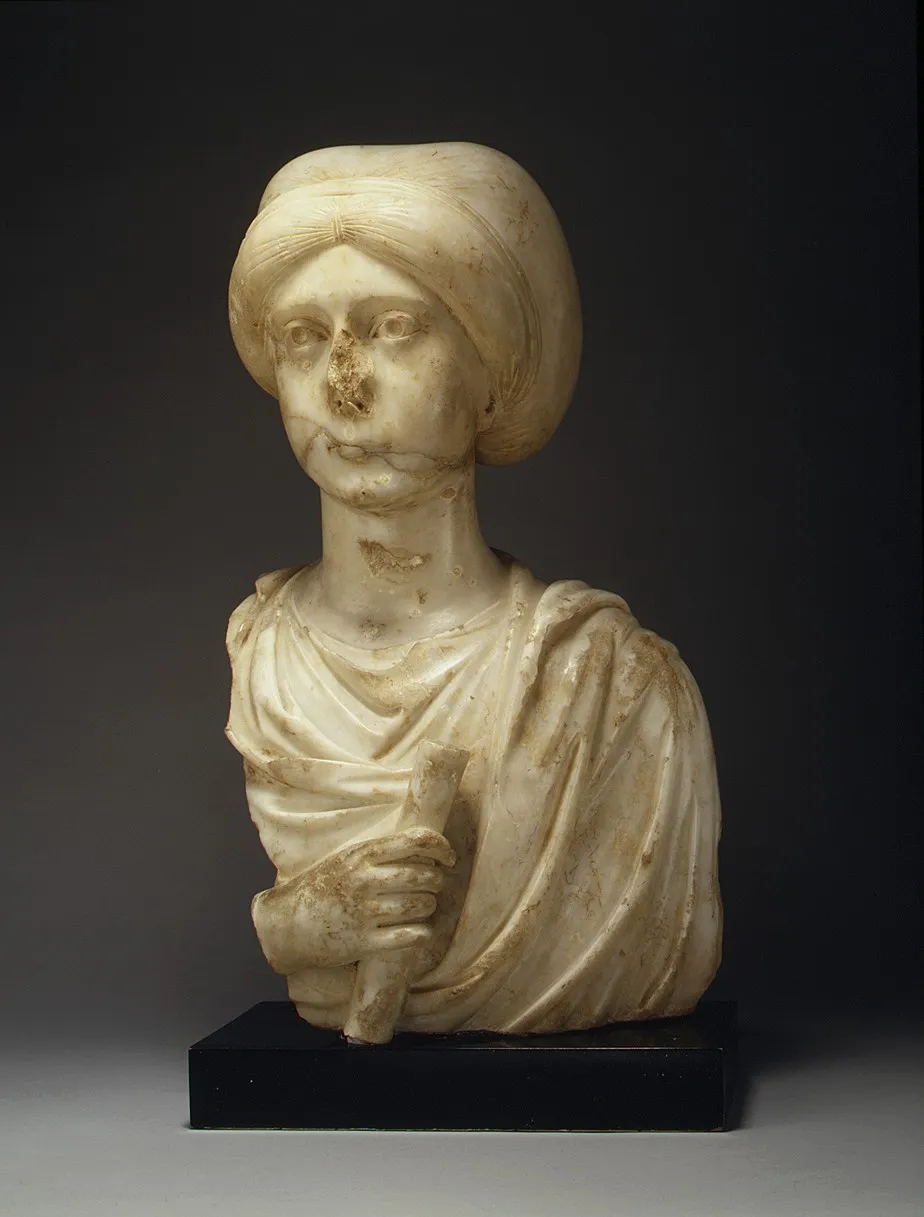
Anicia sposò il magister officiorum Areobindo Dagalaifo, anch'egli di sangue regio goto-romano, e ne ebbe un figlio, Olibrio Giuniore, console nel 491, l'ultimo Anicio a portare il nome dell'Augusto del 472. Durante la rivolta contro Anastasio I, nel 512, quel figlio fu candidato al trono d'Oriente: rifiutò la porpora, per non rivivere la stessa parabola del padre. Con la sua morte (528) si spense anche l'ultimo ramo della stirpe teodosiana. Olibrio, fantasma sul trono per sette mesi, sopravvisse così soltanto nella memoria di una figlia che fece restaurare cento chiese tra Roma e Costantinopoli.
Anicia married the magister officiorum Areobindus Dagalaiphus, himself of Gothic-Roman royal blood, and had a son by him, Olybrius Junior, consul in 491: the last Anician to bear the name of the Augustus of 472. During the revolt against Anastasius I, in 512, that son was a candidate for the Eastern throne: he refused the purple, so as not to relive his father's same arc. With his death (528) the last branch of the Theodosian line was also extinguished. Olybrius, a ghost on the throne for seven months, thus survived only in the memory of a daughter who had a hundred churches restored between Rome and Constantinople.