01Dall'Arabia al TronoFrom Arabia to the Throne
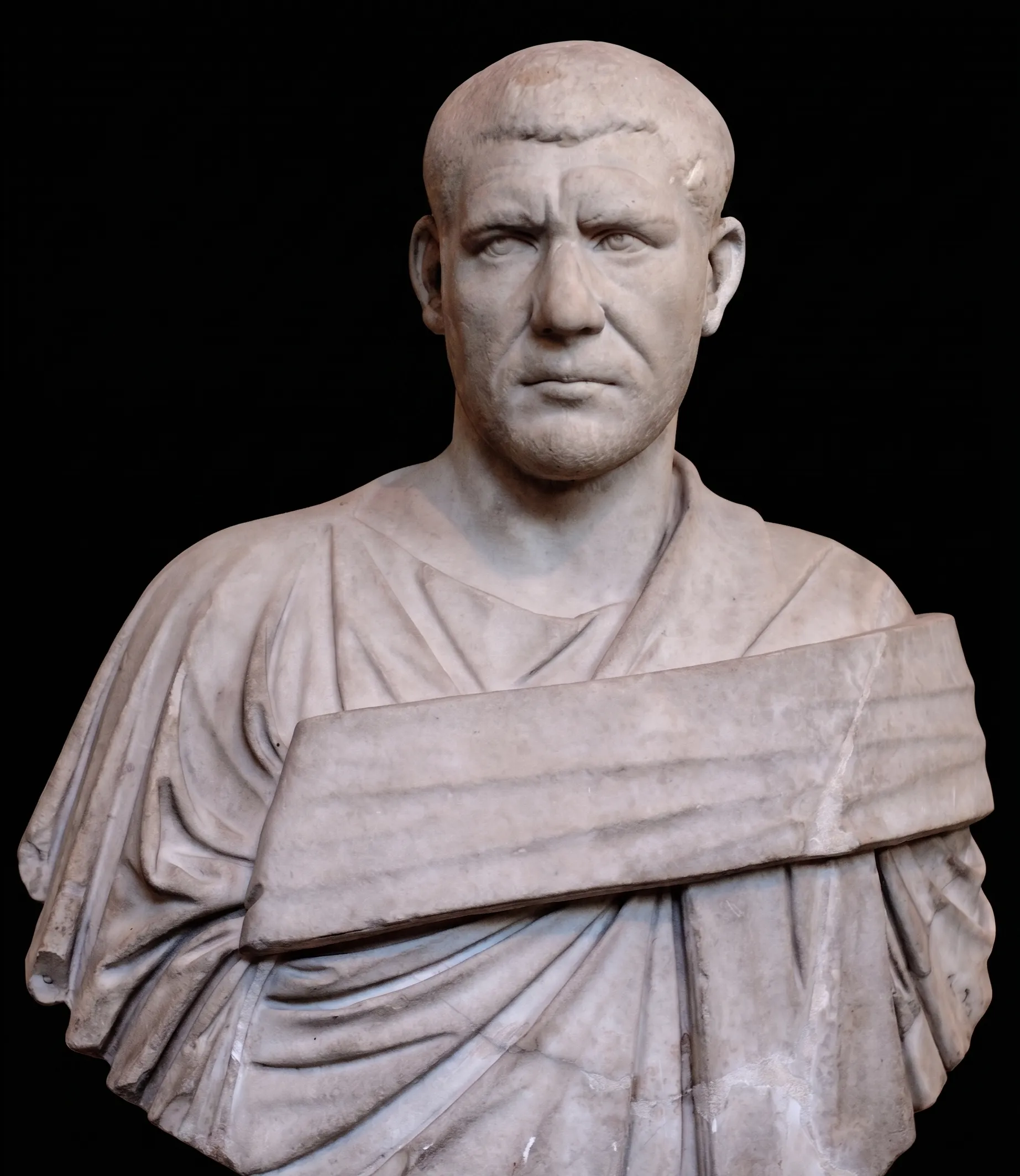
Marco Giulio Filippo era nato a Shahba, nella provincia di Arabia (odierna Siria meridionale), da una famiglia araba che aveva ottenuto la cittadinanza romana. Aveva scalato la gerarchia militare fino a diventare prefetto del pretorio sotto Gordiano III: il secondo uomo dell'impero. Quando Gordiano III morì in Mesopotamia nel 244, Filippo negoziò rapidamente una pace con i Persiani di Sapore I, pagando un ingente tributo di cinquecentomila aurei, e tornò a Roma come nuovo imperatore. Che avesse ordinato l'assassinio di Gordiano o che questi fosse morto in battaglia è ancora dibattuto. Le fonti romane lo trattano con rispetto moderato; quelle persiane lo mostrano come strumento della loro vittoria.
Marcus Julius Philippus was born at Shahba, in the province of Arabia (modern southern Syria), to an Arab family that had obtained Roman citizenship. He had climbed the military hierarchy to become praetorian prefect under Gordian III: the empire's second man. When Gordian III died in Mesopotamia in 244, Philip quickly negotiated peace with Shapur I's Persians, paying a large tribute of five hundred thousand aurei, and returned to Rome as the new emperor. Whether he had ordered Gordian's assassination or whether Gordian had died in battle is still debated. Roman sources treat him with moderate respect; Persian ones show him as an instrument of their victory.
Shahba — PhilippopolisShahba — Philippopolis
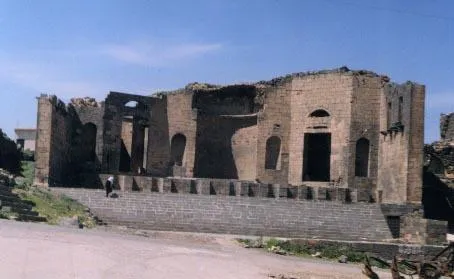
Una volta divenuto Augusto, Filippo trasformò il villaggio natale di Shahba in una città monumentale: lo ribattezzò Philippopolis e vi fece costruire mura quadrate di 1 km di lato, un foro, un palazzo imperiale, terme, teatro e archi trionfali. Le rovine sono ancora oggi visibili nella moderna Shahba, in Siria meridionale: un'enorme città di pietra basaltica nera nel deserto, di colonne ininterrotte, di mosaici tardo-antichi fra i più belli della provincia. Vi divinizzò il padre Iulius Marinus sotto il nome di divus pater: primo imperatore romano a divinizzare un padre di origine semitica.
Once he became Augustus, Philip transformed his birth village of Shahba into a monumental city: he renamed it Philippopolis and had built there square walls 1 km per side, a forum, an imperial palace, baths, theatre and triumphal arches. The ruins are still visible today in modern Shahba, in southern Syria: a huge city of black basalt stone in the desert, of uninterrupted columns, of late-antique mosaics among the most beautiful in the province. There he deified his father Iulius Marinus under the name divus pater: first Roman emperor to deify a father of Semitic origin.
Il Co-Augusto BambinoThe Child Co-Augustus
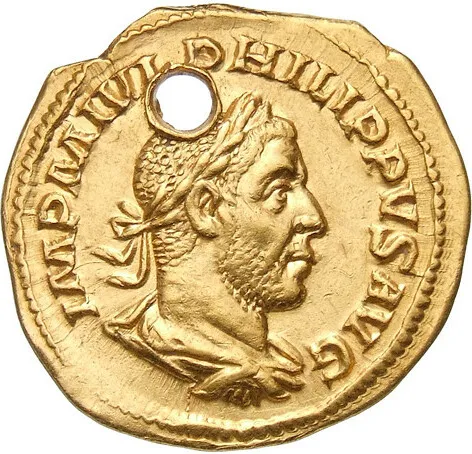
Per consolidare la dinastia, Filippo associò al trono come Caesar (244) e poi Augustus (247) il proprio figlio Filippo II, che aveva sette anni nel 244 e dieci nel 247. La moglie Marcia Otacilia Severa fu nominata Augusta e mater castrorum. La famiglia regnante divenne il fulcro propagandistico dell'impero: monete con la famiglia al completo, statue triplici nei fori provinciali, dediche civili. Era la prima dinastia di origine araba della storia romana.
To consolidate the dynasty, Philip associated to the throne as Caesar (244) and then Augustus (247) his own son Philip II, who was seven in 244 and ten in 247. His wife Marcia Otacilia Severa was named Augusta and mater castrorum. The ruling family became the propagandistic focal point of the empire: coins with the whole family, triple statues in provincial fora, civic dedications. It was the first Arab-origin dynasty in Roman history.
02Il Millennio di RomaRome's Millennium
- 21 aprile 248 d.C.Ludi Saeculares — Roma celebrò il suo millesimo anniversario dalla fondazione (753 a.C., secondo la tradizione varroniana). Filippo presiedette giochi spettacolari nel Colosseo e nel Circo Massimo: gare atletiche, combattimenti di gladiatori, cacce di animali esotici. Era il momento di massimo splendore del suo regno, e quasi il presagio della fine.Ludi Saeculares — Rome celebrated its thousandth anniversary from its founding (753 BC, according to the Varronian tradition). Philip presided over spectacular games in the Colosseum and Circus Maximus: athletic competitions, gladiatorial combat, hunts of exotic animals. It was the moment of greatest splendor of his reign, and almost a portent of the end.
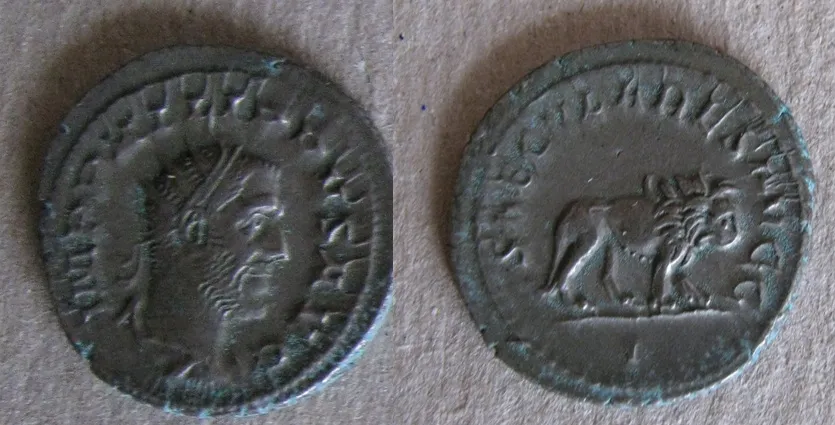
- 21 aprile 248 d.C.La Cerimonia del Millennio — Il rito durò tre giorni e tre notti consecutive. Furono uccisi nel Colosseo, secondo l'Historia Augusta, 32 elefanti, 60 leoni, 30 leopardi, 10 tigri, 32 alci, una giraffa, ippopotami, rinoceronti: fauna esotica accumulata in tre anni di preparazione. Mille coppie di gladiatori combatterono nei venti giorni successivi. La cifra spesa, mai esattamente quantificata, viene stimata da Eutropio in «incalcolabile». Le monete commemorative riportavano SAECVLVM NOVVM, ROMAE AETERNAE, MILIARIVM SAECVLVM: «la Roma eterna», «il millennio di Roma», «il nuovo secolo».The Millennium Ceremony — The rite lasted three consecutive days and nights. There were killed in the Colosseum, according to the Historia Augusta, 32 elephants, 60 lions, 30 leopards, 10 tigers, 32 elk, a giraffe, hippopotami, rhinoceroses: exotic fauna accumulated over three years of preparation. A thousand gladiator pairs fought in the following twenty days. The amount spent, never exactly quantified, is estimated by Eutropius as «incalculable». Commemorative coins bore SAECVLVM NOVVM, ROMAE AETERNAE, MILIARIVM SAECVLVM: «eternal Rome», «Rome's millennium», «the new century».
- 248–249 d.C.Le ribellioni — Subito dopo le celebrazioni, ribellioni militari esplosero sul Danubio e in Oriente. Filippo inviò Gaio Messio Decio a sedare la rivolta danubiana. Fu un errore fatale: le legioni danubiane acclamarono Decio imperatore, e lui accettò.The rebellions — Immediately after the celebrations, military rebellions erupted on the Danube and in the East. Philip sent Gaius Messius Decius to suppress the Danubian revolt. It was a fatal mistake: the Danubian legions acclaimed Decius emperor, and he accepted.
03La Fine a VeronaThe End at Verona
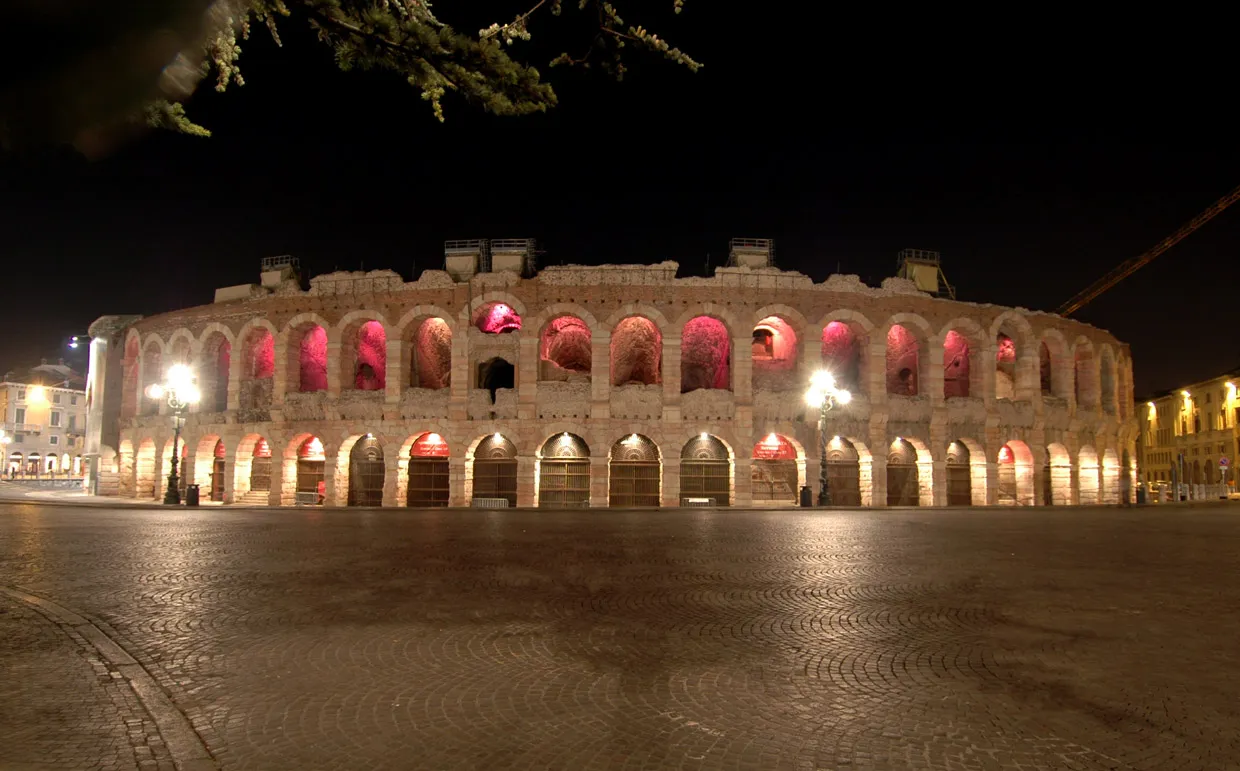
Filippo marciò contro Decio con il suo esercito. Nell'autunno del 249 i due si scontrarono a Verona. Filippo fu sconfitto e ucciso in battaglia. Suo figlio Filippo II, che era stato lasciato a Roma come co-imperatore, fu assassinato dalla Guardia Pretoriana subito dopo la notizia. Filippo l'Arabo è stato oggetto di discussione tra gli storici moderni per una ragione particolare: alcune fonti antiche, tra cui Eusebio di Cesarea, suggeriscono che fosse cristiano, il che lo farebbe il primo imperatore cristiano della storia, quasi sessant'anni prima di Costantino. Le prove sono però tenui e contestate.
Philip marched against Decius with his army. In autumn 249 the two clashed at Verona. Philip was defeated and killed in battle. His son Philip II, who had been left in Rome as co-emperor, was assassinated by the Praetorian Guard immediately after the news. Philip the Arab has been the subject of debate among modern historians for a particular reason: some ancient sources, including Eusebius of Caesarea, suggest he was Christian, which would make him the first Christian emperor in history, almost sixty years before Constantine. The evidence is however tenuous and disputed.
La Battaglia di VeronaThe Battle of Verona
Decio, governatore di Mesia e Pannonia, era stato inviato proprio da Filippo per sedare le ribellioni danubiane di Pacaziano e Iotapiano. Lo fece con successo nell'inverno 248–249, ma le sue legioni, fedeli a lui per il bottino di guerra, lo acclamarono Augusto. Decio, secondo Zosimo, scrisse a Filippo offrendogli la convivenza pacifica come co-Augusti. Filippo rifiutò, mobilitò il proprio esercito e marciò al nord. Lo scontro avvenne nei pressi di Verona nel settembre o ottobre del 249. Le due forze erano numericamente quasi pari, ma le legioni danubiane di Decio erano veterane di guerre con Goti e Carpi, mentre quelle italiche di Filippo erano in gran parte composte da reclute recenti. Filippo cadde sul campo, colpito probabilmente da una delle proprie truppe in rotta, secondo Aurelio Vittore. Aveva 45 anni e cinque anni di regno alle spalle.
Decius, governor of Moesia and Pannonia, had been sent by Philip himself to suppress the Danubian revolts of Pacatian and Iotapian. He did so successfully in winter 248–249, but his legions, loyal to him for war booty, acclaimed him Augustus. Decius, according to Zosimus, wrote to Philip offering peaceful coexistence as co-Augusti. Philip refused, mobilized his own army and marched north. The clash occurred near Verona in September or October 249. The two forces were numerically nearly equal, but Decius's Danubian legions were veterans of wars with Goths and Carpi, while Philip's Italian ones were largely composed of recent recruits. Philip fell on the field, probably struck by one of his own routing troops, according to Aurelius Victor. He was 45 years old with five years of reign behind him.
Il Dibattito sul CristianesimoThe Christianity Debate
Eusebio di Cesarea (Historia Ecclesiastica, VI, 34) afferma che Filippo fu il primo imperatore cristiano, e racconta un aneddoto specifico: la notte di Pasqua del 244, l'imperatore ad Antiochia avrebbe tentato di partecipare ai riti nella chiesa locale, ma il vescovo Babila, uomo di rigore, gli avrebbe negato l'ingresso fino a confessione pubblica dei peccati. Filippo si sarebbe sottomesso. La storia è suggestiva, ma le fonti pagane (Historia Augusta, Aurelio Vittore) tacciono. Le monete di Filippo recano simboli pagani classici; i suoi Ludi Saeculares avrebbero incluso sacrifici a Giove. Gli studiosi moderni (David Shotter, Glen Bowersock) tendono a ritenere che, se Filippo era cristiano, doveva esserlo in modo molto privato, forse soltanto un «simpatizzante» influenzato dalla cultura siriaca del proprio luogo natio. La leggenda cristiana di Filippo come «precursore di Costantino» è una costruzione retrospettiva del IV secolo, quando l'élite cristiana cercava antenati nel passato imperiale.
Eusebius of Caesarea (Ecclesiastical History, VI, 34) states that Philip was the first Christian emperor, and recounts a specific anecdote: on the Easter night of 244, the emperor at Antioch would have tried to participate in the rites at the local church, but bishop Babylas, a man of rigor, would have denied him entry until public confession of sins. Philip would have submitted. The story is suggestive, but pagan sources (Historia Augusta, Aurelius Victor) are silent. Philip's coins bear classical pagan symbols; his Ludi Saeculares would have included sacrifices to Jupiter. Modern scholars (David Shotter, Glen Bowersock) tend to think that, if Philip was Christian, he must have been so in a very private way, perhaps merely a «sympathizer» influenced by the Syriac culture of his birthplace. The Christian legend of Philip as «forerunner of Constantine» is a retrospective construction of the 4th century, when the Christian elite sought ancestors in the imperial past.
Significato StoricoHistorical Significance
Filippo l'Arabo chiude un ciclo: è l'ultimo imperatore della metà del III secolo che tenta di restaurare un'idea civile di principato (ludi, propaganda monumentale, dinastia familiare, consoli senatori). Dopo di lui, da Decio a Gallieno, gli imperatori saranno tutti soldati di frontiera, soldati di emergenza. Inoltre fu l'unico imperatore romano di origine etnica araba prima dell'invasione musulmana del VII secolo, e l'unico che tentò di costruire una capitale parallela in territorio semitico (Philippopolis). Per lo storico contemporaneo Yann Le Bohec (L'armée romaine, 2002), il regno di Filippo è «il punto medio simmetrico fra Settimio Severo (193) e Diocleziano (284), la cerniera fra il principato severiano e l'anarchia militare pura».
Philip the Arab closes a cycle: he is the last emperor of the mid-3rd century who attempts to restore a civil idea of principate (games, monumental propaganda, family dynasty, senatorial consuls). After him, from Decius to Gallienus, the emperors will all be frontier soldiers, emergency soldiers. Moreover, he was the only Roman emperor of Arab ethnic origin before the Muslim invasion of the 7th century, and the only one who tried to build a parallel capital in Semitic territory (Philippopolis). For the contemporary historian Yann Le Bohec (L'armée romaine, 2002), Philip's reign is «the symmetrical midpoint between Septimius Severus (193) and Diocletian (284), the hinge between Severan principate and pure military anarchy».