01Il Soldato che Diventò AugustoThe Soldier Who Became Augustus
Giulio Valerio Maioriano nacque attorno al 420 d.C., con ogni probabilità nell'Illirico, da una schiatta di soldati: il nonno omonimo era stato magister militum sotto Teodosio il Grande, il padre alto funzionario delle finanze al servizio di Ezio. Crebbe così nell'entourage del grande generalissimo, e ne seguì le insegne in Gallia contro i Franchi e, nel 451, nella tempesta dei Campi Catalaunici contro Attila. Le fonti (Sidonio Apollinare, Giovanni di Antiochia, Procopio) concordano in un ritratto raro per unanimità : alto, vigoroso, oratore brillante, cavaliere superbo, decisivo in battaglia. Era esattamente l'uomo che la corte di Valentiniano III aveva imparato a temere; e fu lo stesso Ezio, geloso della sua popolarità fra le truppe, a rimuoverlo dal comando attorno al 454 e a confinarlo nelle sue terre.
Julius Valerius Majorianus was born around 420 AD, in all likelihood in Illyricum, of a lineage of soldiers: his grandfather of the same name had been magister militum under Theodosius the Great, his father a senior finance officer in the service of Aetius. He thus grew up in the entourage of the great generalissimo, and followed his standards into Gaul against the Franks and, in 451, into the storm of the Catalaunian Fields against Attila. The sources (Sidonius Apollinaris, John of Antioch, Procopius) agree in a portrait rare for its unanimity: tall, vigorous, a brilliant orator, a superb horseman, decisive in battle. He was exactly the man Valentinian III's court had learned to fear; and it was Aetius himself, jealous of his popularity among the troops, who removed him from command around 454 and confined him to his estates.
L'assassinio di Ezio (settembre 454) e poi di Valentiniano (marzo 455) lo richiamò in servizio. Sotto Avito ebbe il comando della cavalleria, e al fianco di Ricimero annientò i Vandali in due scontri decisivi del 456, uno ad Agrigento, per terra, l'altro al largo della Corsica, per mare. Furono quelle vittorie condivise a saldare il patto politico fra i due. Deposto Avito (ottobre 456), a Ricimero (barbaro, e perciò escluso dalla porpora) serviva un volto romano per la legalità : offrì il trono a Maioriano. Dopo qualche mese di interregno, il 1° aprile 457, presso Ravenna, l'esercito lo acclamò Augusto; e il 28 dicembre, ottenuto il consenso del Senato, cinse ufficialmente la porpora a Roma.
The murder of Aetius (September 454) and then of Valentinian (March 455) recalled him to service. Under Avitus he held command of the cavalry, and at the side of Ricimer annihilated the Vandals in two decisive clashes of 456: one at Agrigentum, by land, the other off Corsica, by sea. It was those shared victories that sealed the political pact between the two. Once Avitus was deposed (October 456), Ricimer (a barbarian, and therefore barred from the purple) needed a Roman face for legality: he offered the throne to Majorian. After a few months of interregnum, on 1 April 457, near Ravenna, the army acclaimed him Augustus; and on 28 December, having won the Senate's consent, he formally girded the purple at Rome.
02Le Novellae: la Riforma dell'ImpossibileThe Novellae: Reforming the Impossible
In quattro soli anni Maioriano emanò dodici novellae, leggi nuove, sopravvissute nel Codex Theodosianus: un programma di riforma a tutto campo, che rivela una mente politica di lucidità eccezionale. Anziché limitarsi a sopravvivere, Maioriano osò affrontare i mali profondi che stavano divorando l'Occidente.
In just four years Majorian issued twelve novellae, new laws, preserved in the Codex Theodosianus: a wide-ranging reform programme that reveals a political mind of exceptional lucidity. Rather than merely survive, Majorian dared to confront the deep ills that were devouring the West.
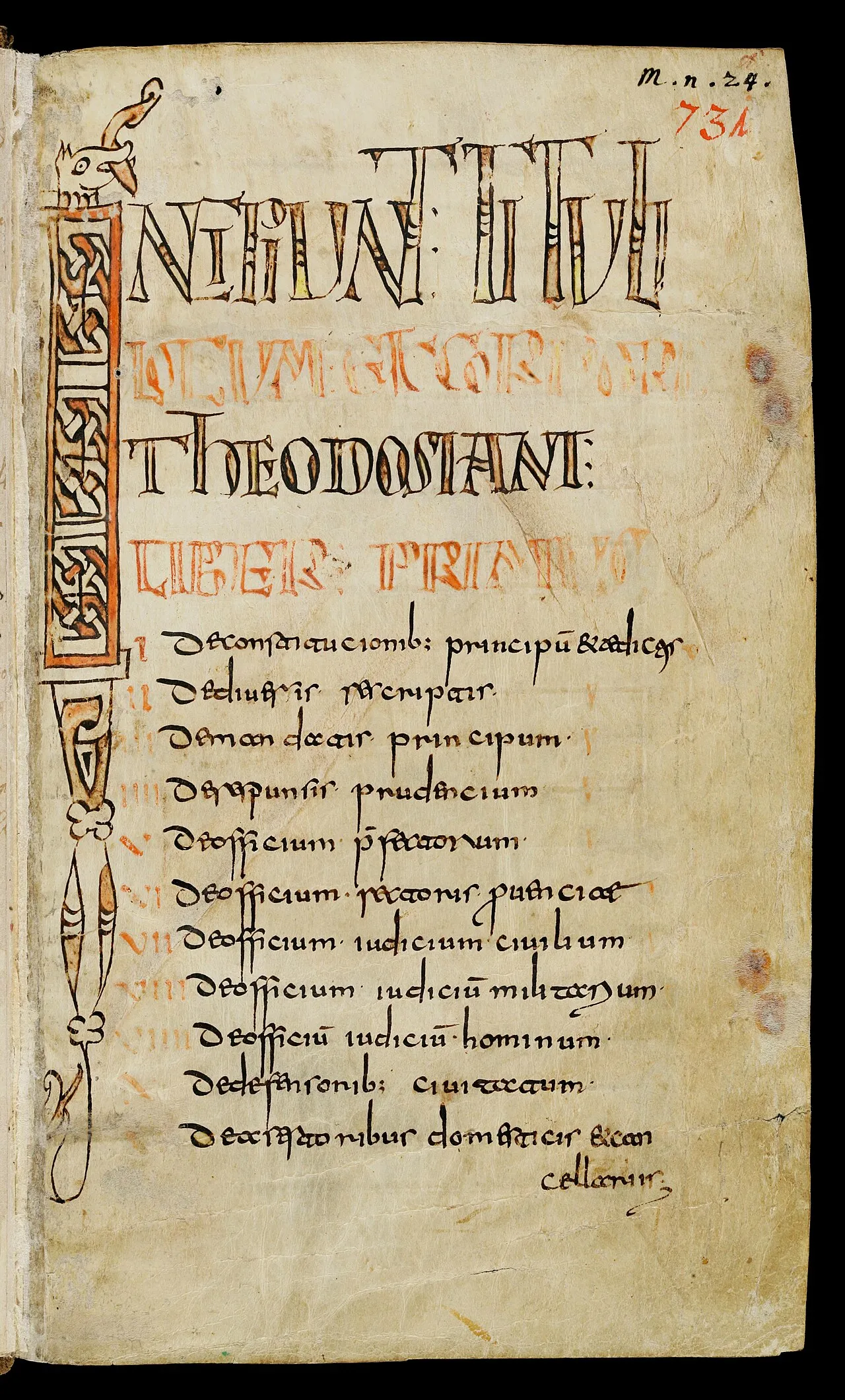
Il fisco. La Novella II cancellò gli arretrati d'imposta che soffocavano i contribuenti, un condono per ricominciare; la Novella III vietò ai funzionari di estorcere tributi illegali e inchiodò i curiales, i consiglieri municipali, alle loro città , da cui il ceto medio urbano fuggiva schiacciato dalle tasse. I monumenti. La Novella IV proibì di demolire gli edifici pubblici di Roma, le cui marmoree membra venivano depredate dai magistrati per erigere dimore private: chi avesse autorizzato uno smantellamento avrebbe pagato cinquanta libbre d'oro: è una delle prime leggi di tutela del patrimonio della storia. La famiglia. La Novella VI vietò ai padri di rinchiudere le figlie in convento contro la loro volontà , espediente diffuso per non pagarne la dote, e fissò a quarant'anni l'età minima per le vedove che volessero votarsi alla castità : la demografia tardo-romana stava implodendo per mancanza di nozze e di nascite. La giustizia. La Novella VII protesse i decurioni dalle confische arbitrarie; la Novella VIII regolò lo ius postliminii dei prigionieri restituiti dai barbari.
Taxation. Novella II cancelled the tax arrears that were choking the taxpayers, a pardon to begin again; Novella III forbade officials to extort illegal levies and nailed the curiales, the municipal councillors, to their cities, from which the urban middle class was fleeing, crushed by taxes. The monuments. Novella IV forbade the demolition of Rome's public buildings, whose marble limbs were being plundered by magistrates to raise private mansions: whoever authorised a dismantling would pay fifty pounds of gold, it is one of the earliest heritage-protection laws in history. The family. Novella VI forbade fathers to shut their daughters in convents against their will, a widespread device to avoid paying the dowry, and set forty as the minimum age for widows who wished to vow themselves to chastity: late-Roman demography was imploding for want of marriages and births. Justice. Novella VII protected the decurions from arbitrary confiscations; Novella VIII regulated the ius postliminii of prisoners returned by the barbarians.
Nessuno dei suoi predecessori del V secolo aveva osato tanto. Ma le leggi hanno bisogno di braccia che le applichino, e l'apparato amministrativo delle province, ormai sfaldato, non era più in grado di tradurle in realtà . La visione di Maioriano correva più veloce dello Stato che avrebbe dovuto realizzarla.
None of his fifth-century predecessors had dared so much. But laws need arms to enforce them, and the administrative apparatus of the provinces, by now crumbled, was no longer able to turn them into reality. Majorian's vision ran faster than the State that should have carried it out.
03Campagne in Gallia e SpagnaCampaigns in Gaul and Spain
Maioriano fu l'ultimo imperatore d'Occidente a scendere in campo come generale e Augusto insieme. Nell'estate del 458 calò in Gallia alla testa di un esercito composito: romani, unni, germani ricondotti alla fedeltà imperiale. La regione era nel caos: i Visigoti di Teodorico II, appresa l'uccisione del loro alleato Avito, avevano occupato Narbona e premevano sulla Provenza. Gli si fece incontro, con le truppe galliche rimaste fedeli, Egidio, l'altro grande generale dell'epoca, che di lì a poco avrebbe fondato l'enclave romana di Soissons.
Majorian was the last Western emperor to take the field as general and Augustus at once. In the summer of 458 he descended into Gaul at the head of a composite army: Romans, Huns, Germans brought back to imperial loyalty. The region was in chaos: the Visigoths of Theodoric II, on learning of the killing of their ally Avitus, had occupied Narbonne and were pressing upon Provence. Toward him, with the Gallic troops that had remained loyal, came Aegidius, the other great general of the age, who would soon found the Roman enclave of Soissons.
Nella primavera del 459, sotto le mura di Arelate (Arles), Maioriano sconfisse i Visigoti in battaglia campale e li costrinse a un nuovo foedus: Teodorico II restituì gran parte delle conquiste recenti, lo riconobbe Augusto, si impegnò a combattere come alleato in Spagna. A celebrarlo accorse il poeta Sidonio Apollinare, già panegirista del suocero Avito, che ad Arelate recitò un nuovo, elaboratissimo Panegirico (il Carmen V, seicentotré esametri) davanti al nuovo principe. Era il sigillo ufficiale: l'aristocrazia gallica accettava Maioriano.
In the spring of 459, beneath the walls of Arelate (Arles), Majorian defeated the Visigoths in pitched battle and forced them into a new foedus: Theodoric II returned much of his recent conquests, recognised him as Augustus, pledged to fight as an ally in Spain. To celebrate him hastened the poet Sidonius Apollinaris, already panegyrist of his father-in-law Avitus, who at Arelate recited a new, most elaborate Panegyric (the Carmen V, six hundred and three hexameters) before the new prince. It was the official seal: the Gallic aristocracy accepted Majorian.
Da Arelate, nell'inverno tra il 459 e il 460, valicò i Pirenei e riprese la Spagna nord-orientale: la Tarraconense tornò sotto le aquile, e i Suebi di Galizia furono ricacciati fra i loro monti. Per la prima volta dal 409, un esercito romano marciava di nuovo nella penisola iberica. Ma lo sguardo di Maioriano era già oltre il mare, fisso sull'obiettivo supremo: la diocesi d'Africa, il granaio che Genserico aveva strappato a Roma nel 439.
From Arelate, in the winter between 459 and 460, he crossed the Pyrenees and recovered north-eastern Spain: Tarraconensis returned beneath the eagles, and the Suebi of Galicia were driven back among their mountains. For the first time since 409, a Roman army marched again in the Iberian peninsula. But Majorian's gaze was already beyond the sea, fixed on the supreme objective: the diocese of Africa, the granary that Gaiseric had torn from Rome in 439.
04La Flotta Bruciata a CartagenaThe Fleet Burned at Cartagena
Maioriano aveva compreso ciò che pochi osavano vedere: senza l'Africa, l'Occidente era spacciato. Il grano africano sfamava Roma, le imposte di quella diocesi reggevano due terzi del bilancio occidentale, e la flotta vandala dominava ormai il Mediterraneo. Riprendere Cartagine significava risorgere. Per due anni preparò la spedizione con una sistematicità impressionante: requisì i cantieri di Miseno, di Ravenna, della Gallia meridionale; rastrellò marinai e rematori in tutto l'Occidente; raccolse una flotta di almeno trecento navi da guerra a Carthago Spartaria, Cartagena, sulla costa sud-orientale di Spagna. Era la più vasta operazione navale romana dai tempi di Costanzo Cloro.
Majorian had grasped what few dared to see: without Africa, the West was finished. African grain fed Rome, the taxes of that diocese sustained two-thirds of the Western budget, and the Vandal fleet now dominated the Mediterranean. To retake Carthage meant to rise again. For two years he prepared the expedition with impressive thoroughness: he requisitioned the shipyards of Misenum, of Ravenna, of southern Gaul; he combed sailors and oarsmen throughout the West; he gathered a fleet of at least three hundred warships at Carthago Spartaria, Cartagena, on the south-eastern coast of Spain. It was the largest Roman naval operation since the days of Constantius Chlorus.
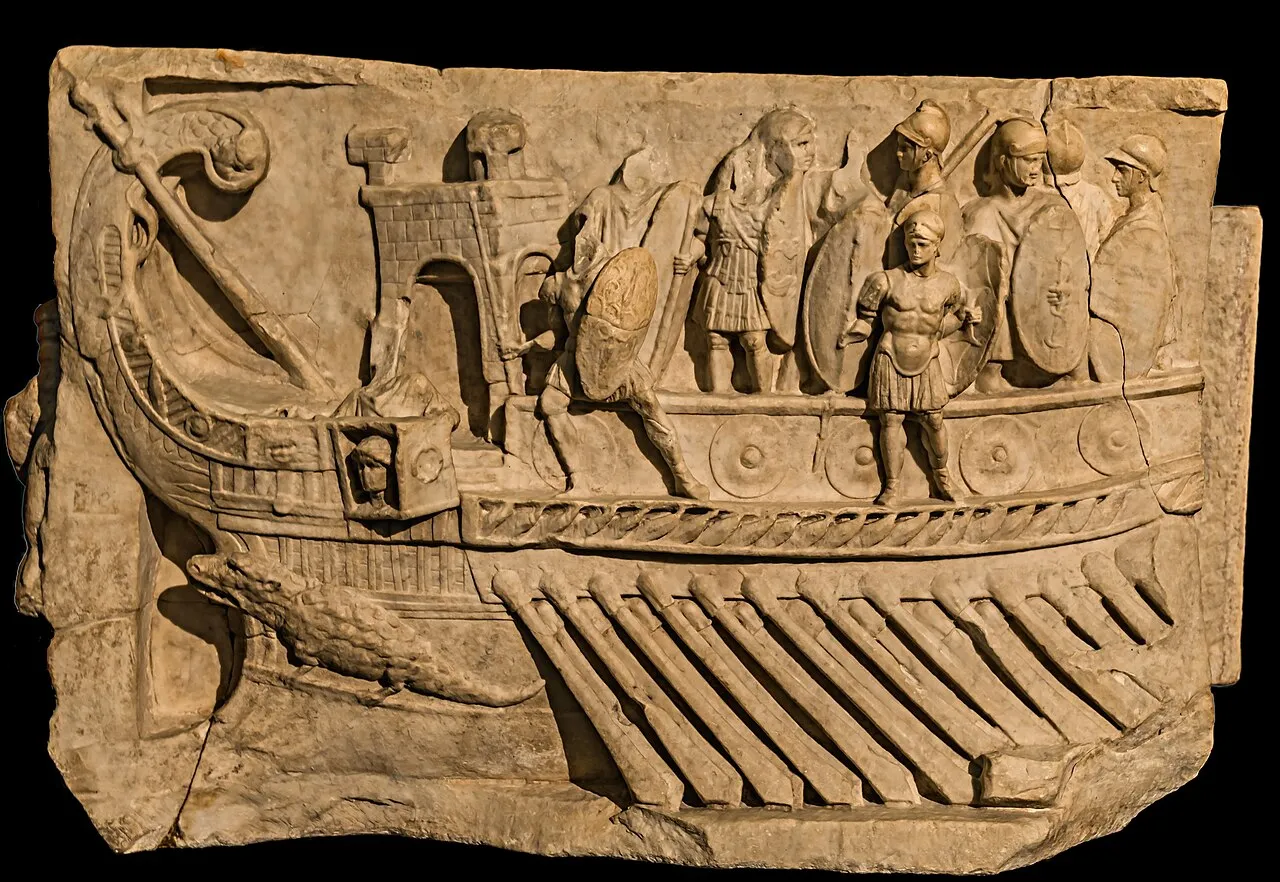
Nel maggio del 460, mentre Maioriano si attardava a Saragozza per gli ultimi accordi coi federati, Genserico colpì . Informato, racconta Procopio, dai senatori filovandali della provincia, lanciò un colpo di mano su Cartagena: le navi vandale penetrarono di sorpresa nel porto e incendiarono o trascinarono via gran parte della flotta romana, ancora all'ancora. Le fonti sono avare di particolari, ma l'esito non lascia dubbi: in una sola notte, due anni di preparativi si dissolsero nel fuoco.
In May 460, while Majorian lingered at Saragossa for the final agreements with the federates, Gaiseric struck. Informed, Procopius relates, by the pro-Vandal senators of the province, he launched a surprise raid on Cartagena: the Vandal ships slipped into the harbour and burned or dragged away most of the Roman fleet, still at anchor. The sources are sparing of detail, but the outcome leaves no doubt: in a single night, two years of preparation dissolved in fire.
Non gli restavano alternative. Aprì trattative con Genserico e accettò una pace umiliante: la rinuncia formale a ogni pretesa imperiale sull'Africa, il riconoscimento del regno vandalo come potenza sovrana. Era la prima volta, dalla riforma di Augusto, che Roma sanciva per legge la perdita di una propria diocesi. Nel novembre del 460 rientrò in Italia per via di terra, attraverso la Gallia e le Alpi, alla testa di un esercito intatto, ma con l'aura ormai infranta.
No alternative remained. He opened negotiations with Gaiseric and accepted a humiliating peace: the formal renunciation of every imperial claim on Africa, the recognition of the Vandal kingdom as a sovereign power. It was the first time, since the reform of Augustus, that Rome enshrined in law the loss of one of its own dioceses. In November 460 he returned to Italy by land, through Gaul and the Alps, at the head of an army still intact, but with its aura now shattered.
05La Fine — Tortona, 7 Agosto 461The End — Tortona, August 7, 461
Il disastro africano consegnò a Ricimero esattamente il pretesto che cercava da mesi. Un imperatore che vinceva battaglie, dettava leggi, rivendicava a sé ogni decisione militare e fiscale era divenuto pericoloso: non più un socio, ma un rivale. E le riforme di Maioriano avevano alienato anche la grande aristocrazia senatoria d'Italia, i latifondisti feriti dalle confische e dalla fine dei privilegi fiscali. Ricimero seppe raccogliere quel malcontento e volgerlo a proprio favore.
The African disaster handed Ricimer exactly the pretext he had sought for months. An emperor who won battles, dictated laws, claimed for himself every military and fiscal decision had become dangerous: no longer a partner, but a rival. And Majorian's reforms had alienated even the great senatorial aristocracy of Italy, the landowners wounded by the confiscations and the end of fiscal privileges. Ricimer knew how to gather that discontent and turn it to his own advantage.
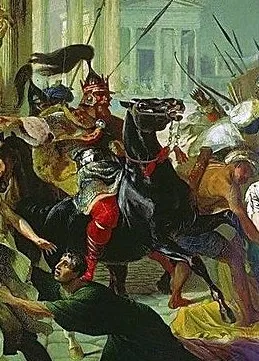
Mentre Maioriano risaliva la penisola col suo esercito ormai assottigliato, Ricimero gli mosse incontro con le truppe palatine a lui devote. Lo intercettò il 2 agosto 461 presso il fiume Iria, nei pressi di Tortona, in Liguria. Le fonti non parlano di battaglia: più probabilmente Maioriano fu consegnato dai suoi stessi ufficiali, comprati da Ricimero. Spogliato della porpora, trascinato in catene a Tortona e torturato (lo riferisce Idazio, che era contemporaneo) fu decapitato il 7 agosto 461, cinque giorni dopo la cattura. Aveva quarantun anni e aveva regnato tre anni e sette mesi.
While Majorian was marching back up the peninsula with his now-thinned army, Ricimer moved against him with the palatine troops devoted to him. He intercepted him on 2 August 461 by the river Iria, near Tortona, in Liguria. The sources speak of no battle: more probably Majorian was handed over by his own officers, bought by Ricimer. Stripped of the purple, dragged in chains to Tortona and tortured (so Hydatius, a contemporary, reports) he was beheaded on 7 August 461, five days after his capture. He was forty-one years old and had reigned three years and seven months.
La sua morte fu uno spartiacque definitivo. Nel Declino e caduta dell'Impero Romano, Edward Gibbon scrisse di lui: «Maioriano si erge, fra le tenebre della sua epoca, come un raro e splendido esempio di virtù romana» . Dopo di lui, nessun imperatore d'Occidente osò più una vera restaurazione: Libio Severo fu un puro fantoccio, Antemio dipese da Costantinopoli, gli ultimi tre regnarono soltanto su Ravenna. Egidio, il fedele generale di Gallia, rifiutò di riconoscere il nuovo regime e si proclamò indipendente a Soissons, fondando di fatto l'ultimo regno romano in terra gallica, sopravvissuto fino al 486, dieci anni oltre la fine stessa dell'Occidente. E perfino Sidonio Apollinare, davanti all'assassino del suo Augusto, scelse il silenzio: il Panegirico ad Antemio del 468 non pronuncia mai il nome di Maioriano. Era la damnatio del rimpianto.
His death was a definitive watershed. In the Decline and Fall of the Roman Empire, Edward Gibbon wrote of him: «Majorian stands forth, amidst the darkness of his age, as a rare and splendid example of Roman virtue» . After him, no Western emperor dared again a true restoration: Libius Severus was a pure puppet, Anthemius depended on Constantinople, the last three reigned over Ravenna alone. Aegidius, the loyal general of Gaul, refused to recognise the new regime and proclaimed himself independent at Soissons, founding in effect the last Roman kingdom on Gallic soil, which survived until 486, ten years beyond the very end of the West. And even Sidonius Apollinaris, before the murderer of his Augustus, chose silence: the Panegyric to Anthemius of 468 never utters the name of Majorian. It was the damnatio of regret.