01Il Giovane di PadovaThe Young Man from Padua
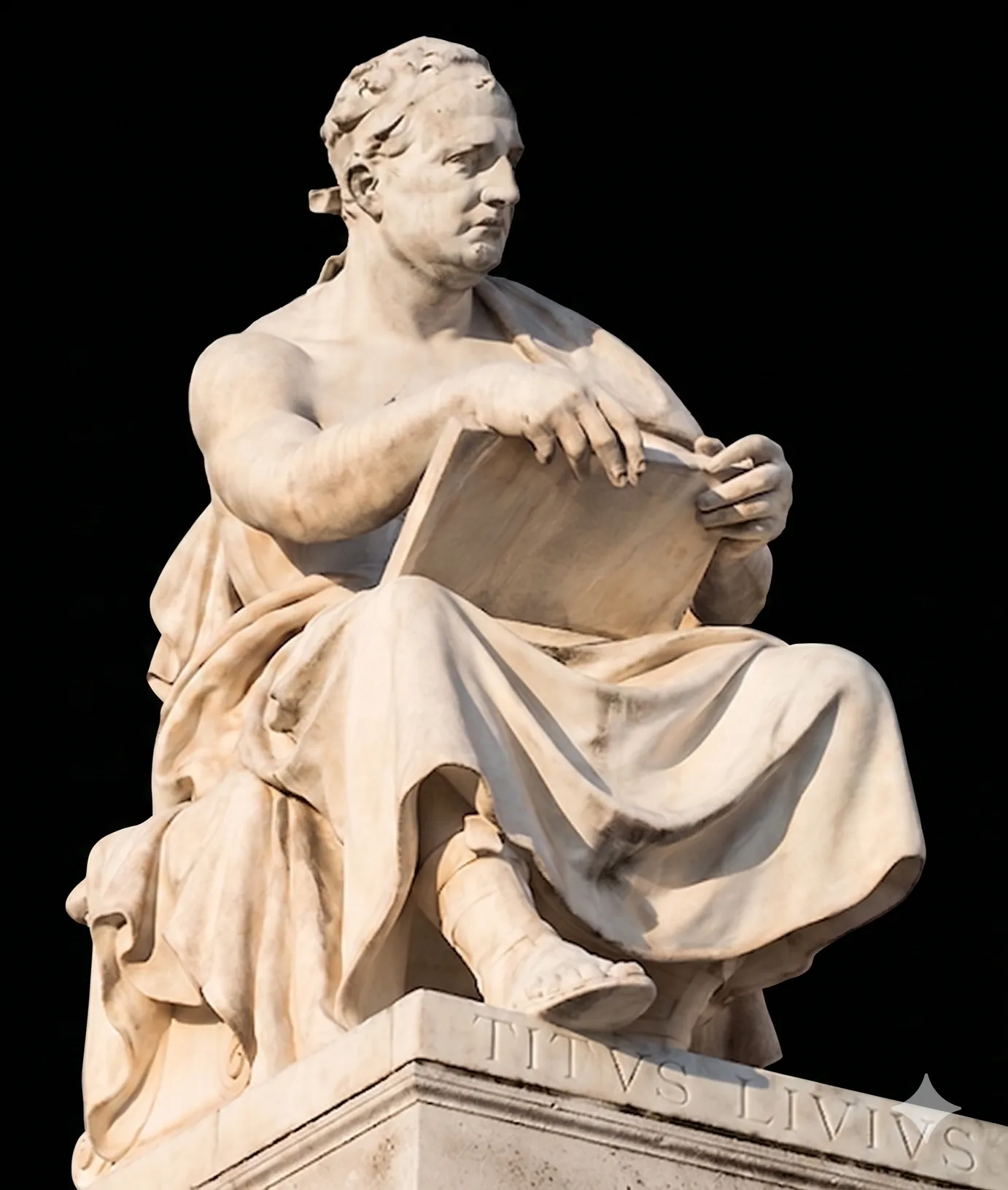
Tito Livio nacque nel 59 a.C. a Patavium, l'odierna Padova, allora una delle città più ricche e orgogliose della Gallia Cisalpina. Patavium era nota per la sua moralità severa, il suo attaccamento alle tradizioni repubblicane e la sua prosperità commerciale; queste radici segnarono il carattere di Livio in modo profondo e permanente. A differenza di quasi tutti gli altri scrittori latini di rilievo, non sappiamo quasi nulla della sua famiglia: probabilmente apparteneva alla classe agiata locale, ricevette un'ottima educazione retorica e filosofica, e, cosa straordinaria per un intellettuale dell'epoca, non intraprese mai una carriera politica né militare.
Livy was born in 59 BC at Patavium, present-day Padua, then one of the wealthiest and proudest cities of Cisalpine Gaul. Patavium was known for its strict morality, its attachment to republican traditions, and its commercial prosperity; these roots shaped Livy's character deeply and permanently. Unlike almost all other significant Latin writers, we know almost nothing of his family: he probably belonged to the prosperous local class, received an excellent education in rhetoric and philosophy, and, remarkably for an intellectual of his era, never pursued a political or military career.
Fu una scelta quasi unica nel suo secolo. Mentre i suoi coetanei rincorrevano il cursus honorum, i comandi militari e i bottini delle guerre civili, Livio decise di non impugnare mai né la spada né il fascio littorio: dedicò l'intera esistenza, più di quarant'anni, a un solo, immenso libro. La sua Padova, fiera della propria rettitudine repubblicana, gli aveva impresso un'impronta morale che non lo abbandonò mai; e quando Asinio Pollione volle criticarlo, gli rimproverò proprio la Patavinitas, una presunta cadenza provinciale del suo latino. Era l'accusa di un uomo di mondo a un uomo di provincia, ma fu il provinciale di Padova, non il raffinato Pollione, a dare a Roma la sua memoria.
It was a choice almost unique in his century. While his contemporaries chased the cursus honorum, military commands and the spoils of civil war, Livy resolved never to take up either the sword or the lictor's fasces: he devoted his entire existence, more than forty years, to a single, immense book. His Padua, proud of its republican rectitude, had stamped him with a moral imprint that never left him; and when Asinius Pollio sought to criticise him, it was precisely his Patavinitas, a supposed provincial cadence in his Latin, that he reproached. It was the charge of a man of the world against a man of the provinces, yet it was the provincial of Padua, not the polished Pollio, who gave Rome its memory.
Si trasferì a Roma in giovane età, probabilmente nei turbolenti anni del tardo periodo triumvirale, e lì conobbe quella Roma che stava uscendo dalla guerra civile e che Augusto stava lentamente trasformando in qualcosa di nuovo. Divenne amico personale di Augusto, che, secondo un aneddoto tramandato da Tacito, lo chiamava bonariamente «pompeiano» per le sue evidenti simpatie repubblicane, senza per questo ostacolare la sua opera. Livio non era un cortigiano: era uno storico che godeva della protezione del principe senza rinunciare alla propria voce.
He moved to Rome in his youth, likely during the turbulent years of the late triumviral period, and there came to know a Rome emerging from civil war that Augustus was slowly transforming into something new. He became a personal friend of Augustus, who, according to an anecdote passed down by Tacitus, jokingly called him a "Pompeian" for his evident republican sympathies, without hindering his work. Livy was not a courtier: he was a historian who enjoyed the prince's protection without surrendering his own voice.
Verso la fine della sua vita, dopo aver completato la monumentale opera storica che lo avrebbe reso immortale, tornò a Padova, la città in cui era nato, e lì morì nel 17 d.C. Aveva settantasei anni. Si dice che avesse anche incoraggiato il futuro imperatore Claudio, allora giovane studioso balbuziente ignorato dalla corte, a dedicarsi agli studi storici: Claudio avrebbe poi scritto opere su Etruschi e Cartaginesi, oggi perdute.
Toward the end of his life, after completing the monumental historical work that would make him immortal, he returned to Padua, the city where he was born, and died there in 17 AD at seventy-six years of age. It is said that he also encouraged the future emperor Claudius, then a young stuttering scholar ignored by the court, to devote himself to historical studies: Claudius would later write works on the Etruscans and Carthaginians, now lost.
02Ab Urbe Condita: Dalla Fondazione della CittàAb Urbe Condita: From the Founding of the City
L'Ab Urbe Condita Libri, «I libri dalla fondazione della città», è una delle opere più ambiziose mai concepite dalla cultura latina: 142 libri che narrano la storia di Roma dalla fondazione leggendaria da parte di Romolo nel 753 a.C. fino alla morte di Druso il Maggiore nel 9 a.C. Un arco di oltre settecento anni di storia, raccontato in un'unica opera organica da un solo scrittore. Livio vi lavorò per circa quarant'anni, da intorno al 27 a.C. fino alla fine della sua vita, pubblicando i libri a gruppi, chiamati «decadi», man mano che li completava.
The Ab Urbe Condita Libri, "Books from the Founding of the City", is one of the most ambitious works ever conceived by Latin culture: 142 books narrating the history of Rome from the legendary founding by Romulus in 753 BC to the death of Drusus the Elder in 9 BC. A span of over seven hundred years of history, told in a single organic work by a single writer. Livy worked on it for about forty years, from around 27 BC to the end of his life, publishing the books in groups, called "decades", as he completed them.
I libri sopravvissuti sono 35: la prima decade (libri I–X), che copre le origini di Roma e le guerre sannitiche; la terza, quarta e quinta decade (libri XXI–XLV), che narrano le guerre puniche e la conquista del Mediterraneo orientale. I rimanenti 107 libri sono perduti, ma ne conosciamo il contenuto grazie a brevi sommari antichi chiamati Periochae, conservati per quasi tutti i 142 libri. Ciò che è sopravvissuto è già sufficiente a fare dell'opera una delle fonti principali per la storia romana: i libri sulle guerre puniche (con il ritratto di Annibale, la descrizione del Trasimeno e di Canne) sono tra le pagine più intense della storiografia antica.
The surviving books are 35: the first decade (Books I–X), covering Rome's origins and the Samnite wars; and the third, fourth, and fifth decades (Books XXI–XLV), narrating the Punic Wars and the conquest of the eastern Mediterranean. The remaining 107 books are lost, but their contents are known through brief ancient summaries called Periochae, preserved for nearly all 142 books. What has survived is already enough to make the work one of the principal sources for Roman history: the books on the Punic Wars (with the portrait of Hannibal, the description of Trasimene and Cannae) are among the most intense pages of ancient historiography.
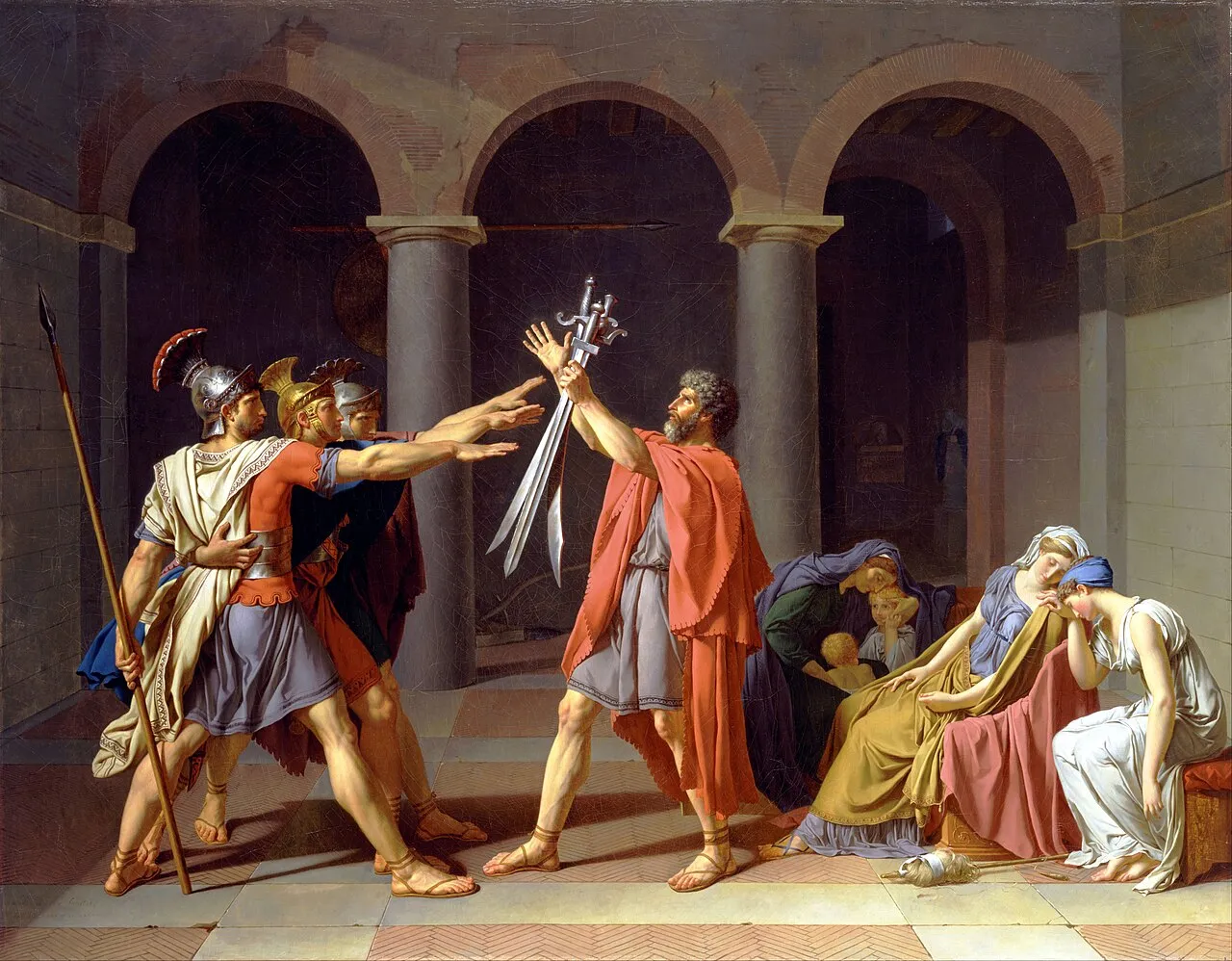
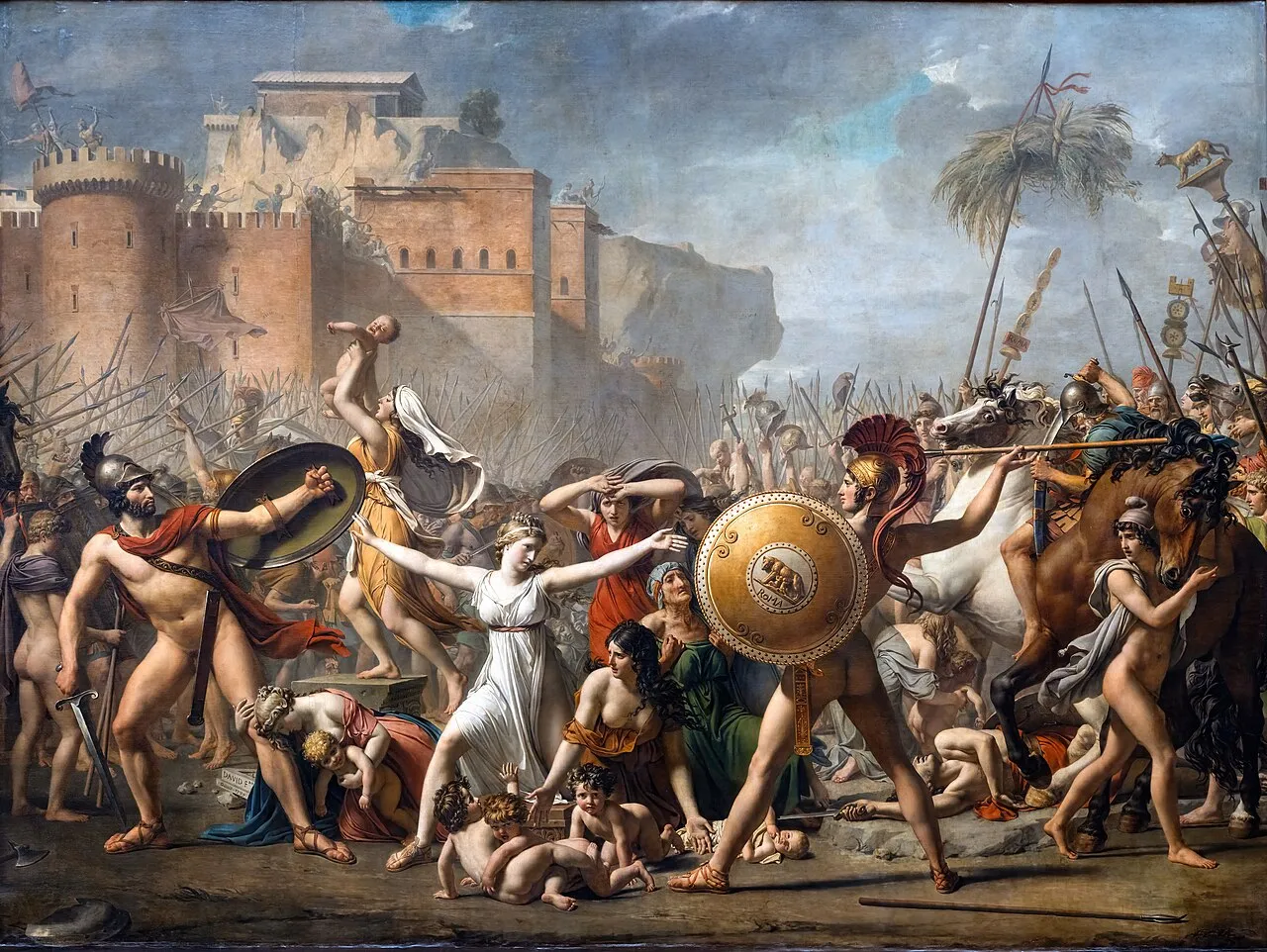
La prima decade è il cuore mitico dell'opera e la sorgente da cui l'Occidente ha attinto le sue immagini più durature di Roma. Qui Livio narra Romolo e Remo allevati dalla lupa, il ratto delle Sabine e la pace siglata dalle donne stesse fattesi scudo tra i mariti e i padri, il duello dei tre Orazi contro i tre Curiazi, la cacciata dei Tarquini e la nascita della Repubblica. Qui sfilano gli eroi divenuti sinonimo di virtù: Orazio Coclite che da solo tiene il ponte Sublicio contro l'esercito etrusco, Muzio Scevola che brucia la propria destra davanti a Porsenna per mostrare il disprezzo del dolore, Clelia che fugge a nuoto attraverso il Tevere. Storia o leggenda che fossero, questi exempla divennero il catechismo morale di ogni romano.
The first decade is the mythic heart of the work and the source from which the West drew its most enduring images of Rome. Here Livy narrates Romulus and Remus suckled by the she-wolf, the rape of the Sabine women and the peace sealed by the women themselves throwing their bodies between husbands and fathers, the duel of the three Horatii against the three Curiatii, the expulsion of the Tarquins and the birth of the Republic. Here parade the heroes who became bywords for virtue: Horatius Cocles holding the Sublician bridge alone against the Etruscan army, Mucius Scaevola burning his own right hand before Porsenna to show his contempt for pain, Cloelia swimming to freedom across the Tiber. Whether history or legend, these exempla became the moral catechism of every Roman.
03Lo Storico e il Suo MetodoThe Historian and His Method
Livio fu uno storico letterario più che un ricercatore d'archivio. Non aveva l'approccio critico di Tucidide né la curiosità etnografica di Erodoto: lavorava principalmente raccogliendo e selezionando le fonti già disponibili (annalisti romani, storiografi greci che avevano scritto di Roma) e rielaborandole in una narrazione fluida ed elegante. I suoi critici antichi, primo tra tutti Polibio, lo accusarono di essere impreciso, di privilegiare la retorica sulla verità, di non aver mai visitato i luoghi di cui narrava. L'accusa era in parte fondata, ma mancava di misura.
Livy was a literary historian rather than an archival researcher. He had neither the critical approach of Thucydides nor the ethnographic curiosity of Herodotus: he worked primarily by collecting and selecting sources already available (Roman annalists, Greek historians who had written about Rome) and reshaping them into a fluid, elegant narrative. His ancient critics, foremost among them Polybius, accused him of being imprecise, of privileging rhetoric over truth, of having never visited the places he described. The accusation was partly founded, but lacked proportion.
Il vero centro del metodo di Livio era morale, non positivista: la storia come specchio in cui i lettori potevano riconoscere i modelli di virtù da imitare e i vizi da evitare. I suoi eroi (Cincinnato, Fabio Massimo, Scipione l'Africano, Camillo) non sono solo figure storiche; sono esempi di quella disciplina, dedizione e virtù civica che Livio vedeva scomparire nell'Italia del suo tempo. La preoccupazione per il declino morale di Roma è il filo che attraversa tutta l'opera: la grandezza della Repubblica nasceva dalla virtù, e dall'erosione della virtù veniva la crisi.
The true centre of Livy's method was moral, not positivist: history as a mirror in which readers could recognize models of virtue to imitate and vices to avoid. His heroes (Cincinnatus, Fabius Maximus, Scipio Africanus, Camillus) are not merely historical figures; they are examples of that discipline, dedication, and civic virtue that Livy saw disappearing in the Italy of his time. The concern for Rome's moral decline is the thread that runs through the entire work: the Republic's greatness was born of virtue, and from the erosion of virtue came crisis.
Livio era pienamente consapevole di camminare sul confine tra storia e mito. Nella sua stessa prefazione avvertì il lettore che gli eventi anteriori alla fondazione di Roma, e per molti versi anche quelli successivi, erano avvolti in racconti più adatti alle finzioni poetiche che agli annali veritieri; e dichiarò che non avrebbe né confermato né smentito tali leggende, perché all'antichità è concesso il diritto di rendere più venerande le proprie origini mescolando l'umano al divino. Non era ingenuità, ma scelta consapevole: là dove non poteva accertare il fatto, Livio cercava la verità morale, ciò che la leggenda insegnava, convinto che un popolo si fondi non solo sui documenti, ma sulle storie che racconta di sé.
Livy was fully aware of walking the line between history and myth. In his very preface he warned the reader that the events preceding Rome's founding, and in many respects those following it too, were wrapped in tales fitter for poetic fictions than for truthful annals; and he declared that he would neither affirm nor refute such legends, for antiquity is granted the right to make its own origins more venerable by mingling the human with the divine. This was not naivety but a conscious choice: where he could not ascertain the fact, Livy sought the moral truth, what the legend taught, convinced that a people is founded not only on documents, but on the stories it tells about itself.
La sua prosa, quella che gli antichi chiamavano «la latinità patavinità», è densa, periodica, ricca di discorsi diretti costruiti con tecnica retorica raffinata. I discorsi che inserisce nei momenti chiave della narrazione (quello di Camillo prima della battaglia del Veio, quello di Scipione ai soldati prima di Zama) non pretendono di essere trascrizioni letterali: sono ricostruzioni verosimili di come un grande romano avrebbe dovuto parlare in quell'occasione. Questa convenzione era universalmente condivisa nell'antichità, da Tucidide a Sallustio.
His prose, what the ancients called "Paduan Latinity", is dense, periodic, rich in direct speeches constructed with refined rhetorical technique. The speeches he inserts at key moments in the narrative (that of Camillus before the battle of Veii, that of Scipio to his soldiers before Zama) do not claim to be literal transcriptions: they are plausible reconstructions of how a great Roman ought to have spoken on that occasion. This convention was universally shared in antiquity, from Thucydides to Sallust.
04L'Eredità: Due Millenni di LettureThe Legacy: Two Millennia of Readings
Già nell'antichità, l'Ab Urbe Condita godeva di una fama straordinaria. Si racconta che un uomo avesse attraversato il Mediterraneo da Cadice appositamente per vedere Livio, non un imperatore, non un generale, ma uno scrittore. Era considerato il corrispettivo latino di Omero per il mondo della prosa storica: il testo di riferimento, il monumento della memoria collettiva di Roma. Quintiliano, nel suo trattato sull'oratoria, lo giudica impareggiabile per eloquenza e capacità narrativa; lo affianca a Cicerone come uno dei due pilastri della cultura latina.
Already in antiquity, the Ab Urbe Condita enjoyed extraordinary fame. It is told that a man had crossed the Mediterranean from Cadiz expressly to see Livy, not an emperor, not a general, but a writer. He was considered the Latin equivalent of Homer for the world of historical prose: the reference text, the monument of Rome's collective memory. Quintilian, in his treatise on oratory, judges him unequaled in eloquence and narrative capacity; he places him alongside Cicero as one of the two pillars of Latin culture.
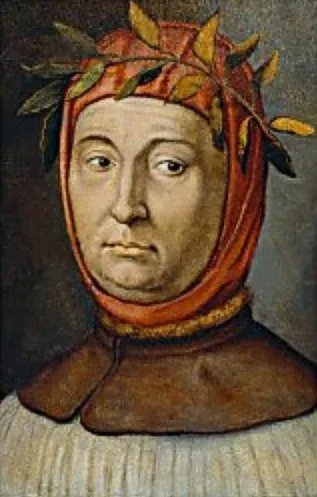
Nel Medioevo, quando la trasmissione manoscritta si ridusse drasticamente, molti libri di Livio andarono perduti. Ma quelli sopravvissuti continuarono a essere copiati nei monasteri, letti nelle scuole, usati come modello di prosa latina. Il vero rilancio avvenne con il Rinascimento: Francesco Petrarca fu il primo a collazionare sistematicamente i manoscritti di Livio superstiti, e la sua passione per lo storico padovano influenzò profondamente la sua concezione di Roma e della storia. Niccolò Machiavelli costruì i propri Discorsi sopra la prima Deca di Tito Livio, uno dei testi fondativi della teoria politica moderna, proprio su una lettura ravvicinata dei dieci libri liviani sulla Roma arcaica e repubblicana. Per Machiavelli, Livio era il testimone privilegiato di una Roma capace di virtù politica che l'Italia del suo tempo aveva dimenticato.
In the Middle Ages, when manuscript transmission was drastically reduced, many of Livy's books were lost. But those that survived continued to be copied in monasteries, read in schools, used as models of Latin prose. The true revival came with the Renaissance: Francesco Petrarch was the first to systematically collate the surviving Livy manuscripts, and his passion for the Paduan historian profoundly influenced his conception of Rome and history. Niccolò Machiavelli built his Discourses on the First Decade of Titus Livy, one of the foundational texts of modern political theory, precisely upon a close reading of Livy's ten books on archaic and republican Rome. For Machiavelli, Livy was the privileged witness to a Rome capable of political virtue that the Italy of his day had forgotten.
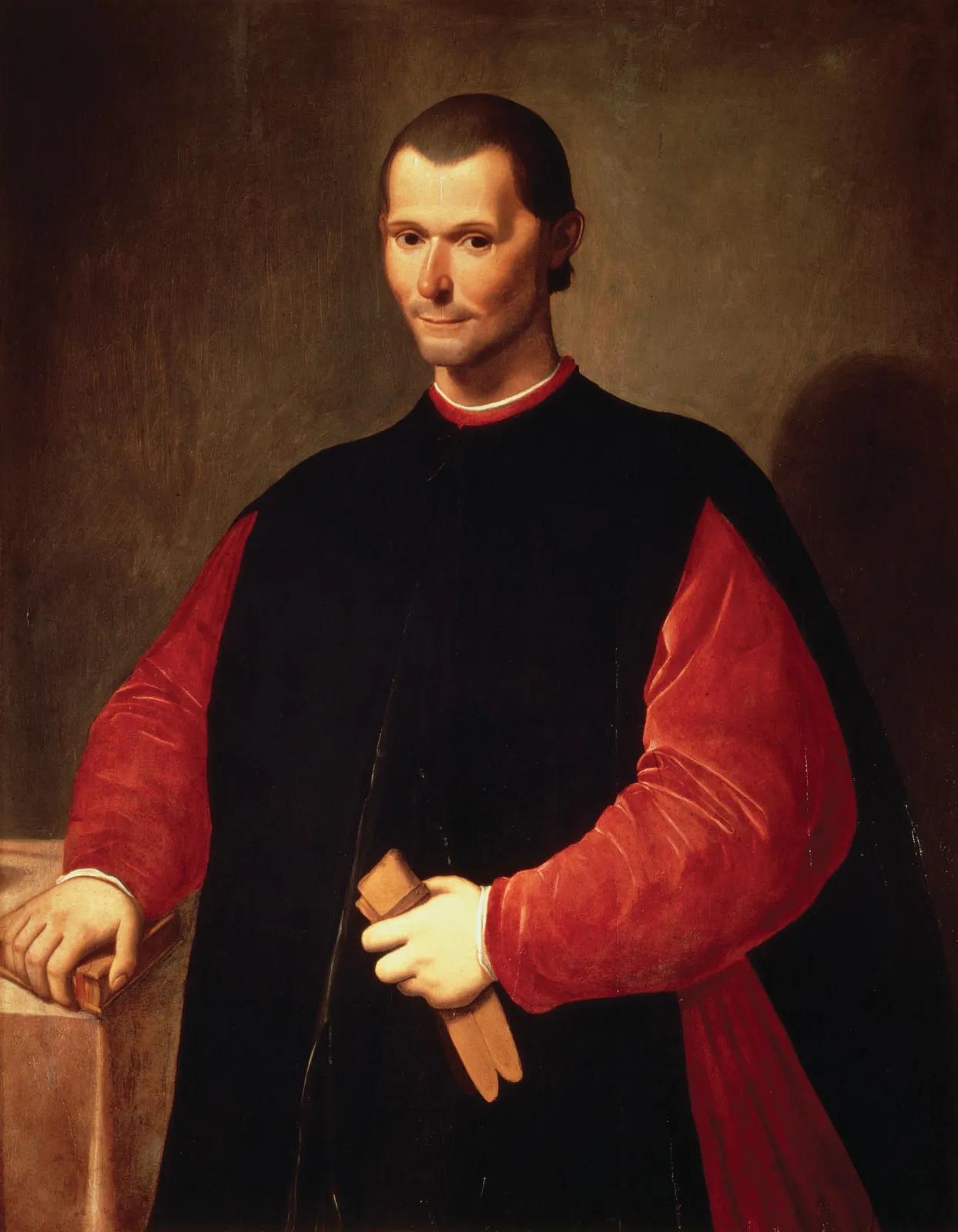
Ma l'eredità più profonda di Livio fu politica. Quando Machiavelli, nei suoi Discorsi sopra la prima Deca, smontò i dieci libri liviani per cercarvi le leggi segrete del vivere libero, fece dell'Ab Urbe Condita il manuale del repubblicanesimo moderno. Da quelle pagine (la virtù del cittadino, il sospetto verso il potere personale, l'equilibrio fra le istituzioni) sarebbero discesi i teorici delle repubbliche europee e, due secoli più tardi, i padri fondatori americani, che firmavano i propri scritti con gli pseudonimi degli eroi di Livio: «Bruto», «Publio», «Cincinnato». Il sogno di una Roma libera, che Livio aveva fissato nella prosa, continuò a plasmare la storia molto dopo che l'impero, e l'idea stessa di repubblica antica, erano scomparsi.
But Livy's deepest legacy was political. When Machiavelli, in his Discourses on the First Decade, took apart Livy's ten books to seek in them the secret laws of free living, he made the Ab Urbe Condita the handbook of modern republicanism. From those pages (the virtue of the citizen, the suspicion of personal power, the balance among institutions) would descend the theorists of Europe's republics and, two centuries later, the American founding fathers, who signed their writings with the pseudonyms of Livy's heroes: “Brutus”, “Publius”, “Cincinnatus”. The dream of a free Rome that Livy had fixed in prose went on shaping history long after the empire, and the very idea of the ancient republic, had vanished.
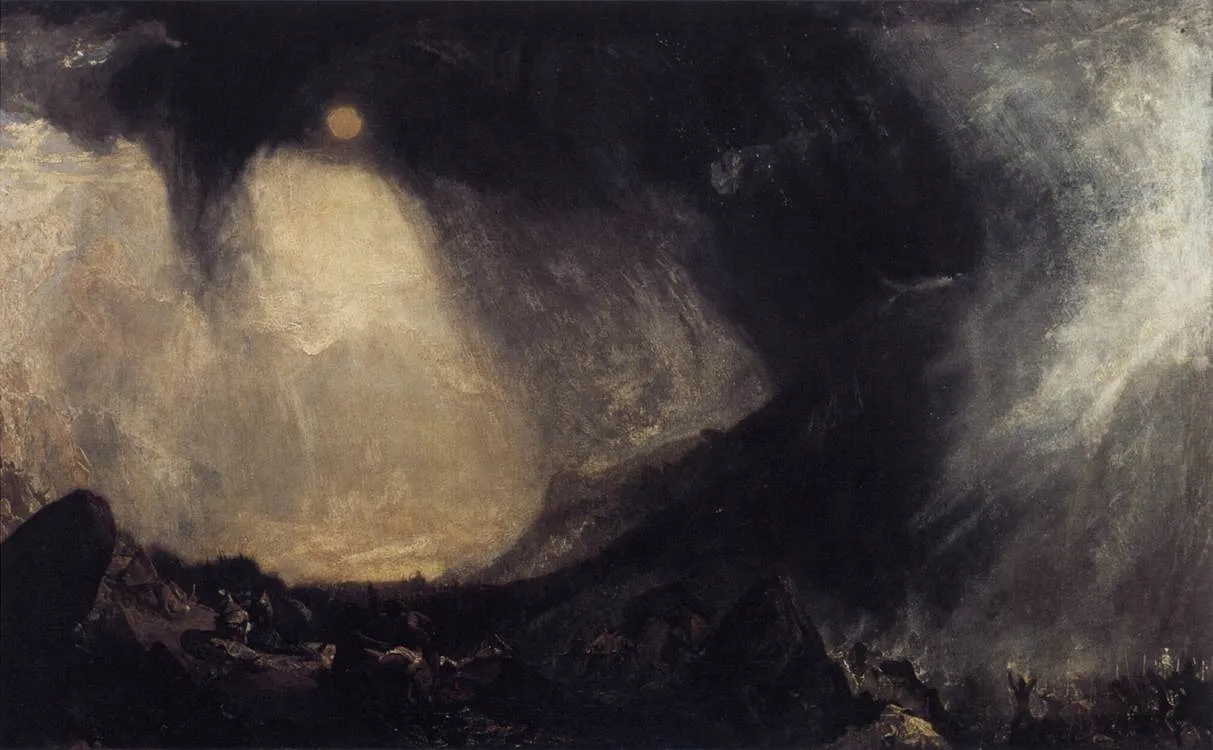
Oggi Livio resta la fonte primaria irrinunciabile per amplissimi tratti della storia romana: le origini leggendarie della città, le guerre con i popoli italici, la conquista del Mediterraneo attraverso le guerre puniche, l'espansione verso oriente. Senza di lui, quella storia sarebbe in gran parte nel buio. La scoperta di nuovi frammenti di libri perduti, come avvenne nel 1986 con ritrovamenti papiracei, è ancora oggi un evento che mobilita il mondo accademico. E l'immagine di Annibale che attraversa le Alpi con gli elefanti, quella di Orazio Coclite che difende il ponte sul Tevere contro i Tarquini, quella di Cincinnato chiamato dall'aratro alla dittatura: sono immagini che il mondo ha in mente grazie a lui.
Today Livy remains the indispensable primary source for vast stretches of Roman history: the legendary origins of the city, the wars with Italic peoples, the conquest of the Mediterranean through the Punic Wars, the expansion toward the East. Without him, that history would be largely in darkness. The discovery of new fragments of lost books, as happened in 1986 with papyrus finds, is still today an event that mobilizes the academic world. And the image of Hannibal crossing the Alps with elephants, of Horatius Cocles defending the bridge over the Tiber against the Tarquins, of Cincinnatus called from the plow to the dictatorship: these are images the world holds in mind thanks to him.