01La Fondazione — Hispania, 61 a.C.The Founding — Hispania, 61 BC
La Legio X nacque nel 61 a.C. in Hispania Ulterior, dove Gaio Giulio Cesare era stato nominato propretore. A 39 anni, indebitato fino al collo e con la carriera politica appesa a un filo, Cesare aveva bisogno di una vittoria militare per giustificare il trionfo, ripagare i creditori e candidarsi al consolato. Reclutò due nuove legioni, la VIII e la X, tra i cittadini romani e gli italici di stanza nella penisola iberica, e le impiegò in una rapida campagna contro le tribù dei Callaeci e dei Lusitani (parti dell'odierna Galizia e Portogallo). In pochi mesi la X dimostrò una disciplina e un'aggressività superiori alle altre unità: Cesare la designò come la sua legione.
The Legio X was raised in 61 BC in Hispania Ulterior, where Gaius Julius Caesar had been appointed propraetor. At 39, deep in debt and with his political career hanging by a thread, Caesar needed a military victory to justify a triumph, repay creditors, and run for consul. He raised two new legions, the VIII and the X, from Roman citizens and Italics stationed in the Iberian peninsula, and used them in a rapid campaign against the Callaeci and Lusitani tribes (parts of today's Galicia and Portugal). Within months the X showed discipline and aggression superior to other units: Caesar designated her as his legion.
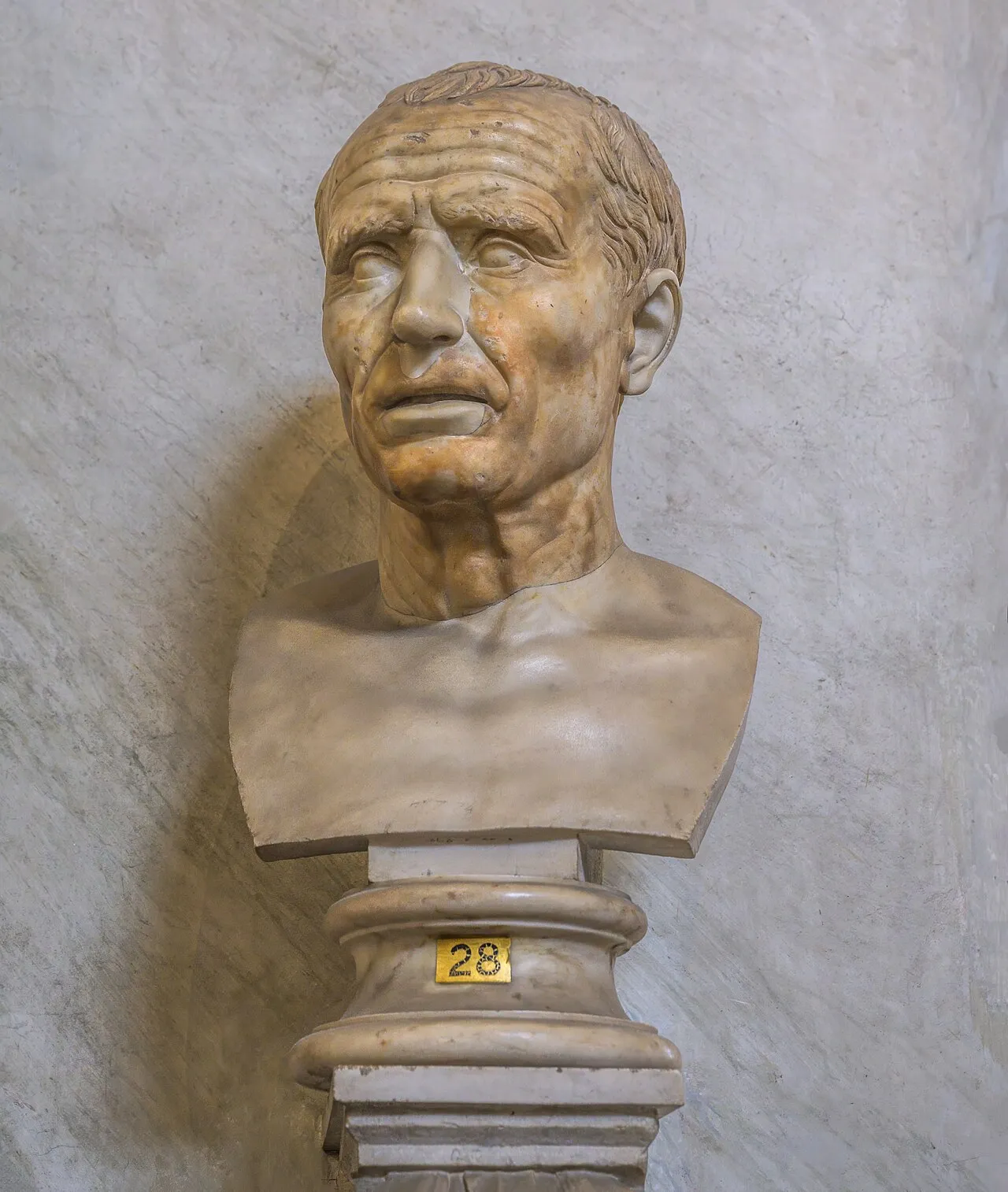
L'arma vincente di Cesare era la velocità di reazione della Decima. Gli storici antichi (Plutarco, Svetonio, Cesare stesso nel De Bello Gallico) la descrivono come l'unità con cui Cesare apriva le battaglie e copriva le ritirate: la guardia del corpo personale del comandante, la riserva chiamata nelle situazioni più disperate. Cesare la pagava di più, le concedeva il bottino migliore e la marciava in coda alla colonna: la posizione d'onore. Ne conosceva personalmente i centurioni; ne premiava pubblicamente gli aquiliferi (portatori d'aquila); ne tollerava, entro limiti, l'orgoglio aggressivo.
Caesar's winning weapon was the reaction speed of the Tenth. Ancient historians (Plutarch, Suetonius, Caesar himself in the De Bello Gallico) describe her as the unit Caesar opened battles with and used to cover retreats: the commander's personal bodyguard, the reserve called in the most desperate situations. Caesar paid them more, gave them the best booty, and marched them at the column's rear: the position of honour. He knew their centurions personally; he publicly rewarded their aquiliferi (eagle-bearers); he tolerated, within limits, their aggressive pride.
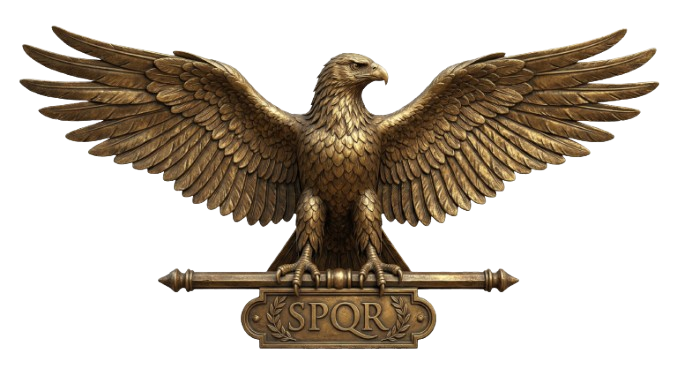
Mario nel 104 a.C. fece dell'aquila d'argento il vessillo unico di ogni legione. Perdere l'aquila era disonore assoluto: i legionari morivano per recuperarla. La Decima non perse mai la sua aquila in oltre tre secoli di servizio.
Marius in 104 BC made the silver eagle the single standard of every legion. Losing the eagle was absolute dishonour: legionaries died to recover it. The Tenth never lost her eagle in over three centuries of service.
Un solo uomo per legione. Scelto tra i veterani più valorosi. Stipendio doppio. Il più famoso aquilifero della Decima, anonimo nelle fonti, saltò per primo dal naviglio sbarcando in Britannia nel 55 a.C., gridando ai compagni esitanti di seguirlo per non perdere l'aquila al nemico.
One man per legion. Chosen among the bravest veterans. Double pay. The most famous aquilifer of the Tenth, anonymous in sources, was first to leap from his ship landing in Britain in 55 BC, shouting to hesitating comrades to follow him so as not to lose the eagle to the enemy.
Comandante della prima centuria della prima coorte, l'ufficiale più anziano della legione dopo i tribuni. Della Decima divennero leggendari Tito Pullone e Lucio Voreno, i due centurioni rivali citati da Cesare nel De Bello Gallico V, 44.
Commander of the first century of the first cohort: the legion's most senior officer after the tribunes. Of the Tenth, Titus Pullo and Lucius Vorenus became legendary, the two rival centurions named by Caesar in De Bello Gallico V, 44.
Nel 58 a.C., durante una trattativa rischiosa con il re germanico Ariovisto, Cesare montò i legionari della X sui cavalli della cavalleria gallica per garantirne la lealtà. Ne ricevettero il soprannome Equestris («a cavallo»): onore unico nell'esercito romano.
In 58 BC, during a risky negotiation with the Germanic king Ariovistus, Caesar mounted the legionaries of the X on Gallic cavalry horses to ensure their loyalty. They received the nickname Equestris ("mounted"): a unique honour in the Roman army.
02Le Guerre Galliche — Otto Anni di VittorieThe Gallic Wars — Eight Years of Victories
Dal 58 al 50 a.C., la Decima Legione fu il pilastro della conquista della Gallia. Cesare ne fece la propria punta di lancia in ogni grande battaglia campale. Le fonti, soprattutto il De Bello Gallico dello stesso Cesare, la menzionano per nome in modo eccezionale: nessun'altra legione cesariana riceve attenzione equivalente. Combatté in tutte le grandi vittorie e in tutte le crisi della campagna gallica.
From 58 to 50 BC, the Tenth Legion was the pillar of the conquest of Gaul. Caesar made her his spearhead in every major pitched battle. The sources, especially Caesar's own De Bello Gallico, name her in an exceptional manner: no other Caesarian legion receives equivalent attention. She fought in all the great victories and all the crises of the Gallic campaign.
- 58 a.C. · Bibracte Battaglia contro gli ElveziBattle against the Helvetii — Prima grande vittoria di Cesare in Gallia. La Decima e tre altre legioni distruggono l'orda di 263.000 Elvezi in migrazione verso ovest. La Decima è schierata al centro della prima linea: posizione di massimo onore. La metà dei migranti elvezi muore; i sopravvissuti vengono rispediti in Svizzera.Caesar's first great victory in Gaul. The Tenth and three other legions destroy the 263,000-strong horde of Helvetii migrating westward. The Tenth is deployed in the centre of the first line: position of maximum honour. Half of the Helvetian migrants die; the survivors are sent back to Switzerland.
- 58 a.C. · Vosgi Battaglia contro AriovistoBattle against Ariovistus — Cesare distrugge la coalizione germanica del re svebo Ariovisto presso Mulhouse. Prima della battaglia Cesare consegna la cavalleria gallica alla Decima: episodio che le frutta il soprannome Equestris. La X spezza il centro dello schieramento svebo; la cavalleria germanica fugge oltre il Reno e non torna più in Gallia per quattro secoli.Caesar destroys the Germanic coalition of the Suebic king Ariovistus near Mulhouse. Before the battle Caesar hands over the Gallic cavalry to the Tenth, an episode that earns her the epithet Equestris. The X breaks the centre of the Suebic line; Germanic cavalry flees across the Rhine and does not return to Gaul for four centuries.
- 57 a.C. · Sambre Battaglia della SabisBattle of the Sabis — Le tribù belghe coalizzate sorprendono Cesare durante l'allestimento del campo. La Decima e la Nona, sull'ala sinistra, contengono l'attacco e contrattaccano. Cesare nel De Bello Gallico II, 25 racconta di aver afferrato uno scudo da un legionario della retroguardia e di essere corso in prima linea: solo allora l'esercito reagisce. Vittoria in extremis.The coalition of Belgic tribes surprises Caesar while pitching camp. The Tenth and Ninth, on the left wing, contain the attack and counterattack. Caesar in De Bello Gallico II, 25 recounts grabbing a shield from a rearguard legionary and running to the front line: only then does the army react. In extremis victory.
- 55 a.C. · Britannia Sbarco in BritanniaLanding in Britain — Cesare attraversa la Manica per la prima volta: primo Romano della storia. La Decima sbarca per prima sotto un fitto fuoco di giavellotti e onde alte. I legionari esitano fra le acque alte; l'aquilifero della X salta gridando «Desilite, commilitones, nisi vultis aquilam hostibus prodere» («Saltate, compagni, se non volete tradire l'aquila al nemico»). La legione lo segue. La testa di sbarco è salva.Caesar crosses the Channel for the first time: the first Roman in history. The Tenth lands first under heavy javelin fire and high waves. The legionaries hesitate in the deep water; the Tenth's aquilifer leaps shouting «Desilite, commilitones, nisi vultis aquilam hostibus prodere» ("Jump, comrades, unless you want to betray the eagle to the enemy"). The legion follows. The beachhead is saved.
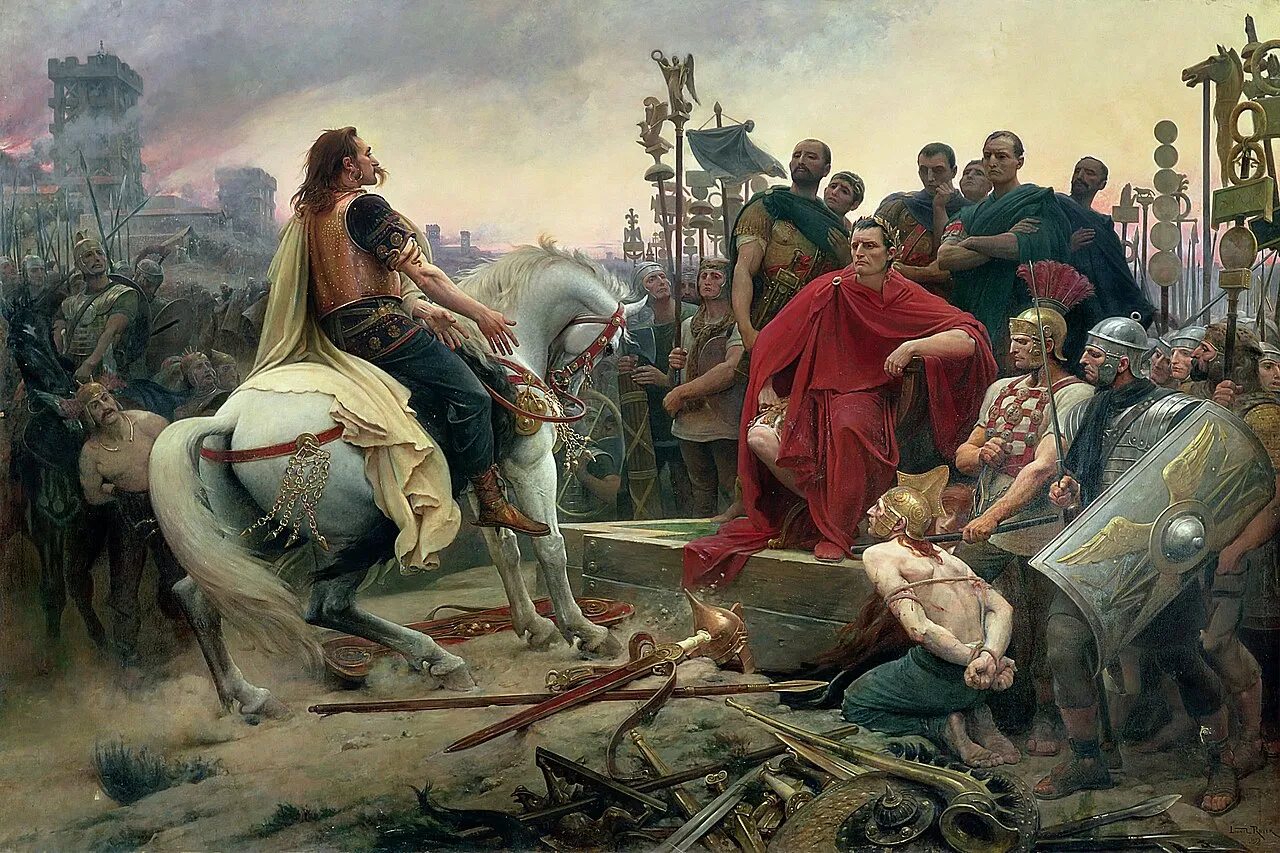
- 52 a.C. · Alesia L'assedio di AlesiaThe siege of Alesia — La battaglia più famosa di Cesare. 50.000 legionari romani (Decima inclusa) accerchiano Vercingetorige con 80.000 Galli ad Alesia, costruendo 25 km di circonvallazione interna ed esterna. Quando 250.000 Galli di soccorso assediano gli assedianti, la Decima, comandata da Marco Antonio in persona, riceve l'attacco principale e regge fino al contrattacco vittorioso di Cesare con la cavalleria germanica. Fine effettiva della Gallia indipendente.Caesar's most famous battle. 50,000 Roman legionaries (including the Tenth) encircle Vercingetorix with 80,000 Gauls at Alesia, building 25 km of inner and outer circumvallation. When 250,000 Gallic relief forces besiege the besiegers, the Tenth, commanded by Mark Antony in person, receives the main attack and holds until Caesar's victorious counter-charge with Germanic cavalry. Effective end of independent Gaul.
Cesare nel De Bello Gallico V, 44 racconta uno degli episodi più celebri della Decima: due centurioni della XI coorte, Tito Pullone e Lucio Voreno, in perenne competizione per la promozione a primus pilus. Durante un assedio dei Nervi, Pullone uscì dal vallo gridando: «Cosa stai aspettando, Voreno? Quando proverai il tuo valore?» Voreno lo seguì. I due si salvarono a vicenda in mezzo ai Galli, uccidendo decine di nemici, e tornarono al campo coperti di gloria. Cesare conclude: «Non si poté decidere chi dei due fosse stato il migliore». L'episodio fu ripreso dalla serie HBO Rome (2005), che ne fece i due protagonisti di fantasia.
Caesar in De Bello Gallico V, 44 recounts one of the most famous Tenth Legion episodes: two centurions of the XI cohort, Titus Pullo and Lucius Vorenus, in perpetual competition for promotion to primus pilus. During a siege by the Nervii, Pullo leapt outside the rampart shouting: "What are you waiting for, Vorenus? When will you prove your worth?" Vorenus followed him. The two saved each other amid the Gauls, killing dozens of enemies, and returned to camp covered in glory. Caesar concludes: "It could not be decided which of the two had been better." The episode was taken up by the HBO series Rome (2005), which made the two its fictional protagonists.
03La Guerra Civile — Farsalo e MundaThe Civil War — Pharsalus and Munda
Il 10 gennaio 49 a.C., Cesare attraversò il Rubicone con la Decima e altri reparti veterani. Era l'inizio della guerra civile contro Pompeo e il Senato. La Decima fu nuovamente il fulcro delle battaglie decisive: quelle che cambiarono per sempre la storia romana.
On January 10, 49 BC, Caesar crossed the Rubicon with the Tenth and other veteran units. It was the start of the civil war against Pompey and the Senate. The Tenth was again the linchpin of the decisive battles: those that changed Roman history forever.
Farsalo · 9 agosto 48 a.C.Pharsalus · 9 August 48 BC
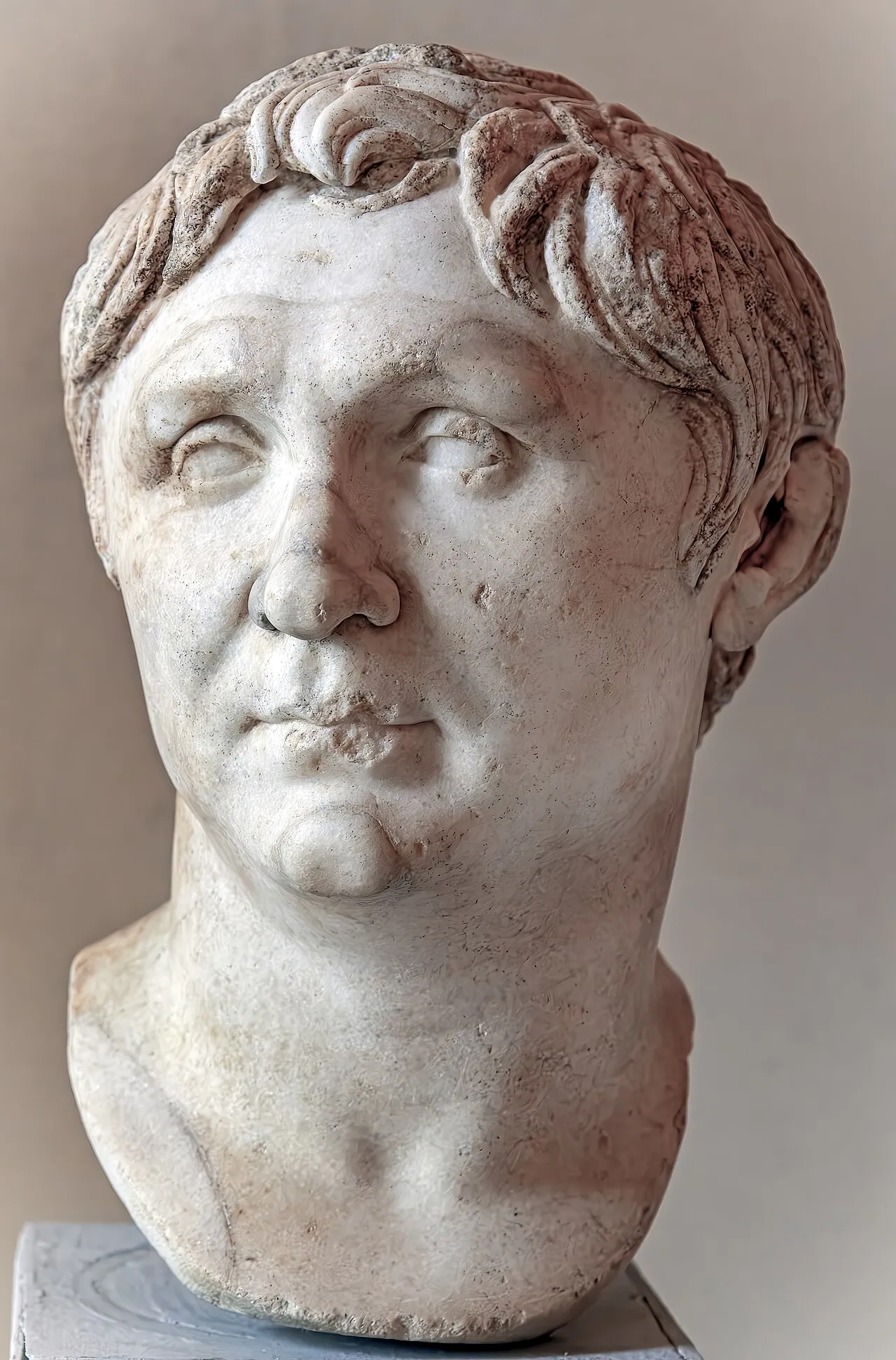
La battaglia più importante della Repubblica romana. La Decima all'ala destra, comandata da Publio Silla, riceve la carica della cavalleria pompeiana (7.000 cavalieri contro 1.000 cesariani). La famosa quarta linea nascosta da Cesare distrugge la cavalleria nemica con i pila usati come picche. Pompeo fugge dal campo. Della Decima cadono 30 uomini; dei pompeiani 6.000. Pompeo riparerà in Egitto, dove sarà assassinato dal faraone Tolomeo XIII.
The most important battle of the Roman Republic. The Tenth on the right wing, commanded by Publius Sulla, receives the charge of the Pompeian cavalry (7,000 horsemen against 1,000 Caesarians). Caesar's famous hidden fourth line destroys the enemy cavalry with pila used as pikes. Pompey flees the field. The Tenth loses 30 men; the Pompeians 6,000. Pompey will flee to Egypt, where he will be murdered by Pharaoh Ptolemy XIII.
Munda · 17 marzo 45 a.C.Munda · 17 March 45 BC
L'ultima battaglia della guerra civile, in Hispania contro i figli di Pompeo, Gneo e Sesto. Lo scontro più duro della carriera di Cesare. La Decima, ormai composta da veterani sessantenni, regge l'urto al centro per ore. Cesare ammise dopo la battaglia di aver combattuto «non per la vittoria, ma per la vita». 30.000 pompeiani morti; alla Decima 1.000 caduti: il bilancio più alto di tutta la sua storia. Dopo Munda, la guerra civile è finita.
The civil war's last battle, in Hispania against Pompey's sons Gnaeus and Sextus. The hardest engagement of Caesar's career. The Tenth, now composed of sixty-year-old veterans, holds the line in the centre for hours. Caesar admitted after the battle that he had fought "not for victory, but for life." 30,000 Pompeians dead; the Tenth lost 1,000: the highest toll of her entire history. After Munda, the civil war is over.
Nell'estate del 47 a.C., dopo Farsalo e prima della campagna africana contro i pompeiani superstiti, la Decima si ammutinò a Campo Marzio reclamando il congedo, le terre promesse e i bonus. Cesare arrivò davanti alle truppe senza scorta. Senza alzare la voce, pronunciò una sola parola: «Quirites!» (Cittadini!), non «soldati», non «commilitoni». Era il licenziamento implicito: non più legionari, ma semplici civili. La Decima, umiliata, supplicò di essere reintegrata; Cesare li perdonò pubblicamente e li portò in Africa. Svetonio (Divus Iulius 70) racconta che bastò la singola parola «Quirites» a far piangere i centurioni. È uno degli episodi più celebri della letteratura latina sul rapporto tra comandante e soldato.
In summer 47 BC, after Pharsalus and before the African campaign against the surviving Pompeians, the Tenth mutinied at the Field of Mars demanding discharge, the promised lands, and bonuses. Caesar appeared before the troops without escort. Without raising his voice, he uttered a single word: "Quirites!" (Citizens!), not "soldiers, " not "comrades." It was the implicit dismissal: no longer legionaries, but mere civilians. The Tenth, humiliated, begged to be reinstated; Caesar publicly forgave them and took them to Africa. Suetonius (Divus Iulius 70) reports that the single word "Quirites" was enough to make the centurions weep. It is one of the most famous episodes in Latin literature on the relationship between commander and soldier.
04Equipaggiamento e Tattica del LegionarioEquipment and Tactics of the Legionary
Il legionario della Decima, come ogni soldato dell'esercito riformato da Mario (107 a.C.), era una macchina da guerra completa: portava sulle spalle, oltre alle armi, attrezzi da scavo, palificate, viveri per due settimane e materiale da accampamento, un carico complessivo di 35—40 kg. Marciava 30 km al giorno in formazione, costruiva un campo trincerato ogni sera, e poteva combattere quaranta minuti consecutivi in formazione serrata sotto il peso completo dell'armatura.
The Tenth's legionary, like every soldier of Marius's reformed army (107 BC), was a complete war machine: he carried on his shoulders, besides his weapons, digging tools, palisade stakes, two weeks of supplies, and camp materials, a total load of 35—40 kg. He marched 30 km a day in formation, built a fortified camp every evening, and could fight forty consecutive minutes in close formation under full armour weight.
Adattata dalle spade celtiberiche durante la Seconda Guerra Punica. Arma da punta più che da taglio: progettata per affondi rapidi sotto lo scudo nemico. La punta era l'unica parte indurita: il resto della lama era acciaio dolce per evitare rotture. Polibio: «Un solo colpo bastava a uccidere».
Adapted from Celtiberian swords during the Second Punic War. Thrusting rather than cutting weapon: designed for rapid stabs under the enemy shield. The point was the only hardened part: the rest of the blade was mild steel to avoid breakage. Polybius: "A single stroke was enough to kill."
Asta di legno con punta in ferro lungo collo dolce. All'impatto sullo scudo nemico, il collo si piegava, rendendo lo scudo inutilizzabile e impossibile da restituire. Ogni legionario ne aveva due: gettati a 20-25 m dal nemico aprivano le formazioni avversarie prima della carica con il gladius.
Wooden shaft with iron tip on a soft-iron neck. On impact with the enemy shield, the neck bent, making the shield unusable and impossible to return. Each legionary had two: thrown at 20–25 m from the enemy they opened the opposing formations before the charge with the gladius.
Tre strati di legno incollati a contrasto di venatura, rivestito di cuoio e tela, bordato di metallo, con umbone in bronzo. La curva avvolgeva il corpo proteggendone i due lati. Insieme formavano la testudo, formazione corazzata mobile usata dalla Decima a Munda contro le frecce pompeiane.
Three glued wooden layers with cross-grain, leather and canvas covered, metal-rimmed, with bronze boss. The curve wrapped the body protecting both sides. Together they formed the testudo, mobile armoured formation used by the Tenth at Munda against Pompeian arrows.
Calotta in bronzo o ferro, paranuca esteso, paragnatidi pieghevoli. Spesso decorato con cresta trasversale di crine rosso o nero che distingueva i centurioni dai semplici legionari. La Decima è raffigurata sull'arco di Orange con elmi ornati di pennacchio frontale.
Bronze or iron skull, extended neck-guard, hinged cheek-pieces. Often decorated with a transverse crest of red or black horsehair that distinguished centurions from rank-and-file legionaries. The Tenth is depicted on the Arch of Orange with helmets adorned with a frontal plume.
Suola di triplo cuoio con 60-90 chiodi di ferro a punta tronca per la trazione. La parte superiore aperta a strisce di cuoio teneva ventilato il piede in clima caldo, ma diveniva tortura in inverno. I chiodi delle caligae della Decima, ne sono stati ritrovati a Bibracte e Alesia, pesavano 600 g per paio.
Triple-leather sole with 60–90 truncated iron hobnails for traction. The upper part open with leather strips kept the foot ventilated in hot climates but became torture in winter. The hobnails of the Tenth's caligae, found at Bibracte and Alesia, weighed 600 g per pair.
Bastone a forcella con tutto l'occorrente: mantello (sagum), tunica di ricambio, razione di grano per 14 giorni, mola a mano, pentola di bronzo (patera), strigili, palo per palizzata, pala (dolabra) per scavare il vallum. Mario soprannominò i suoi soldati «muli mariani» (muli di Mario) per il carico.
A forked stick with everything needed: cloak (sagum), spare tunic, 14-day grain ration, hand mill, bronze pot (patera), strigils, palisade stake, shovel (dolabra) to dig the vallum. Marius nicknamed his soldiers "muli mariani" (Marius's mules) for the load.
La formazione di battaglia standard della Decima, come di ogni legione cesariana, era la triplex acies: tre linee scaglionate. Quattro coorti in prima linea (la più esposta), tre in seconda (riserva immediata, sostegno offensivo), tre in terza (riserva strategica, contrattacco decisivo). Le linee ruotavano: quando la prima era esausta, retrocedeva attraverso i varchi mentre la seconda avanzava, un meccanismo di rotazione che permetteva di combattere per ore senza esaurimento. A Farsalo Cesare aggiunse la quarta linea segreta dei 3.000 veterani, un'innovazione tattica inedita. La Decima fu sempre schierata nei punti chiave: ala destra a Farsalo, centro a Bibracte e ai Vosgi, retroguardia ad Alesia.
The Tenth's standard battle formation, like every Caesarian legion's, was the triplex acies: three staggered lines. Four cohorts in the first line (the most exposed), three in the second (immediate reserve, offensive support), three in the third (strategic reserve, decisive counterattack). The lines rotated: when the first was exhausted, it withdrew through the gaps while the second advanced, a rotation mechanism that allowed combat for hours without exhaustion. At Pharsalus, Caesar added the secret fourth line of 3,000 veterans: an unprecedented tactical innovation. The Tenth was always deployed at key points: right wing at Pharsalus, centre at Bibracte and the Vosges, rearguard at Alesia.
05L'Eredità — Tre Secoli di ServizioThe Legacy — Three Centuries of Service
Dopo l'assassinio di Cesare nel 44 a.C., la Decima fu coinvolta nelle guerre civili tra i triumviri. Ottaviano e Marco Antonio se la disputarono. Nel 31 a.C., dopo Azio, Augusto la riorganizzò fondendola con un'altra legione cesariana, da cui il nuovo epiteto Gemina («gemella»). La nuova Legio X Gemina divenne unità permanente dell'esercito imperiale e fu stanziata sul limes danubiano e renano per i tre secoli successivi.
After Caesar's assassination in 44 BC, the Tenth was caught in the civil wars among the triumvirs. Octavian and Mark Antony disputed her. In 31 BC, after Actium, Augustus reorganized her by merging her with another Caesarian legion, hence the new epithet Gemina ("twin"). The new Legio X Gemina became a permanent unit of the imperial army and was stationed on the Danubian and Rhenish limes for the following three centuries.
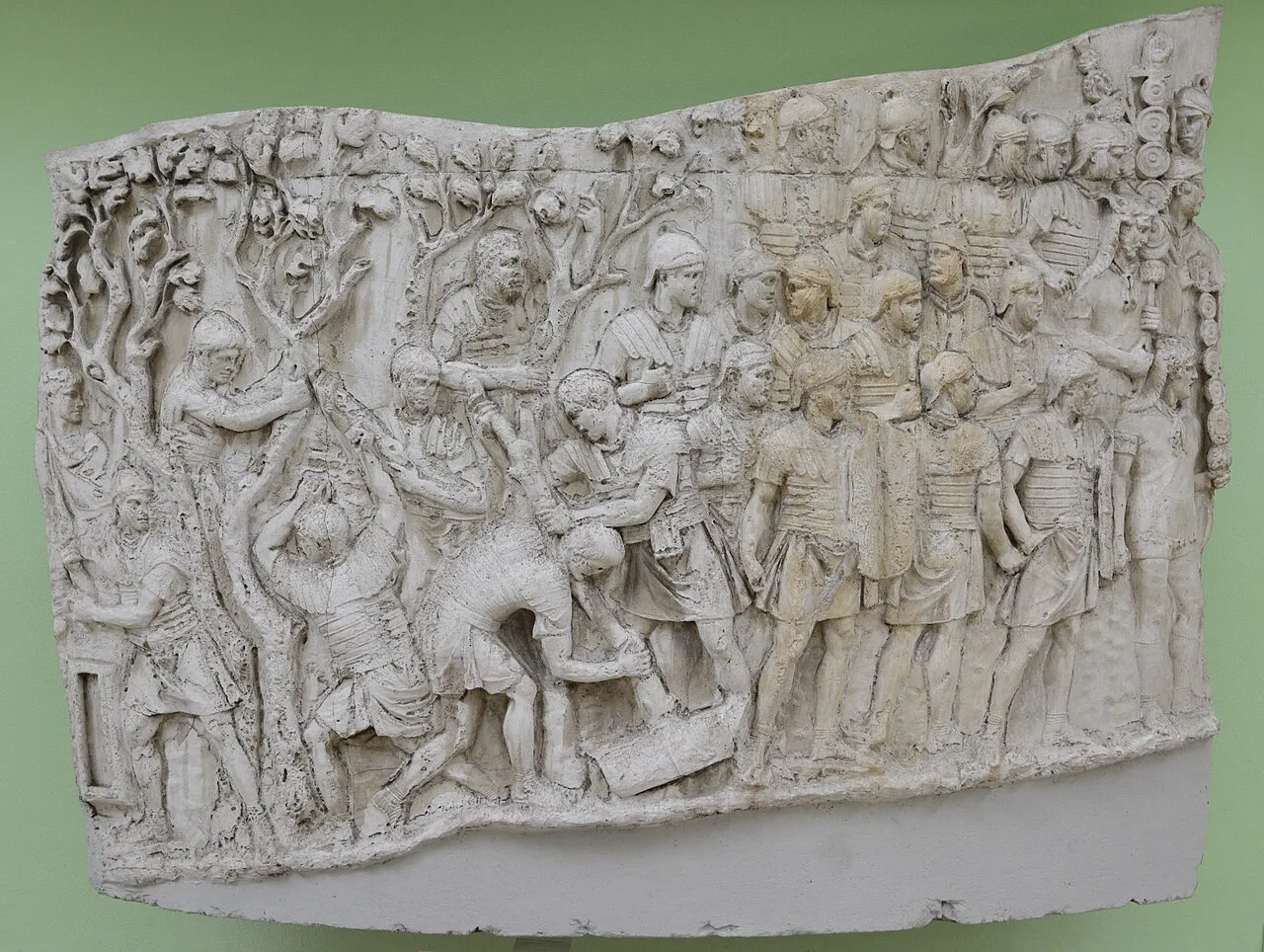
- 31 a.C. Nasce Legio X GeminaLegio X Gemina is born — Augusto fonde la X cesariana con un'altra legione veterana dopo Azio. La nuova unità conserva l'aquila della X e l'epiteto «Equestris» insieme al nuovo «Gemina». Stanziata in Hispania durante le guerre cantabriche; poi sul Reno, in Pannonia, in Dacia. Combatte sotto Augusto, Tiberio, Domiziano, Traiano, Marco Aurelio.After Actium, Augustus merges the Caesarian X with another veteran legion. The new unit keeps the X's eagle and the epithet "Equestris" together with the new "Gemina". Stationed in Hispania during the Cantabrian wars; then on the Rhine, in Pannonia, in Dacia. Fights under Augustus, Tiberius, Domitian, Trajan, Marcus Aurelius.
- 41–58 d.C. Nasce Legio X FretensisLegio X Fretensis is born — Un secondo nucleo cesariano-augusteo viene assegnato alla provincia di Siria con il nome Fretensis («dello stretto», forse di Messina). Combatte i Parti, gli Armeni, e soprattutto reprime la grande rivolta giudaica del 66–73 d.C. È la Decima che, sotto Tito, distrugge il Tempio di Gerusalemme nel 70 d.C. e poi conquista Masada nel 73.A second Caesarian-Augustan nucleus is assigned to the province of Syria with the name Fretensis ("of the strait", perhaps of Messina). It fights the Parthians, the Armenians, and above all crushes the great Jewish revolt of 66–73 AD. It is the Tenth that, under Titus, destroys the Temple of Jerusalem in 70 AD and then conquers Masada in 73.
- 70 d.C. · Gerusalemme L'Assedio di GerusalemmeThe Siege of Jerusalem — La Legio X Fretensis, comandata da Tito, è uno dei quattro legioni che assedia e distrugge Gerusalemme. Il Tempio è incendiato il 4 agosto 70. Il tesoro del Tempio (la menorah, la tavola dei pani, le trombe d'argento) viene trasportato a Roma. La X Fretensis si accampa sul Monte Sion e vi rimane di guarnigione per i due secoli successivi. Il suo bollo legionario è ancora visibile su tegole rinvenute negli scavi.Legio X Fretensis, commanded by Titus, is one of the four legions besieging and destroying Jerusalem. The Temple is burned on 4 August 70. The Temple treasure (the menorah, the table of showbread, the silver trumpets) is transported to Rome. The X Fretensis camps on Mount Zion and remains garrisoned there for the following two centuries. Its legionary stamp is still visible on tiles found in excavations.
- 73 d.C. · Masada L'Assedio di MasadaThe Siege of Masada — L'episodio più celebre della X Fretensis. La fortezza zelota di Masada, costruita da Erode il Grande sulla cima di una rupe nel deserto della Giudea, è l'ultimo focolaio della resistenza ebraica. Per due anni la X Fretensis costruisce un'enorme rampa di assedio (visibile ancora oggi). Quando finalmente i Romani sfondano, trovano i 960 difensori suicidi: uno degli episodi più drammatici della storia antica. Eltissimo monumento alla disciplina ingegneristica della Decima.The X Fretensis's most famous episode. The Zealot fortress of Masada, built by Herod the Great atop a cliff in the Judean desert, is the last stronghold of Jewish resistance. For two years the X Fretensis builds an enormous siege ramp (still visible today). When the Romans finally break through, they find the 960 defenders dead by suicide: one of the most dramatic episodes in ancient history. A supreme monument to the Tenth's engineering discipline.
- 405 d.C. Ultime menzioniLast mentions — La Notitia Dignitatum (ca. 400 d.C.) registra ancora la Legio X Gemina a Vindobona (Vienna) e la X Fretensis ad Aila (Aqaba), nel deserto giordano. Sono le ultime tracce ufficiali. Le due legioni si dissolvono con il collasso del limes danubiano e orientale nel V secolo. La Decima di Cesare aveva combattuto per 466 anni consecutivi, il record assoluto dell'esercito romano.The Notitia Dignitatum (ca. 400 AD) still records the Legio X Gemina at Vindobona (Vienna) and the X Fretensis at Aila (Aqaba), in the Jordanian desert. They are the last official traces. The two legions dissolve with the collapse of the Danubian and Eastern limes in the 5th century. Caesar's Tenth had fought for 466 consecutive years, the absolute record of the Roman army.
Definire la Decima «la migliore legione di sempre» è un giudizio di valore che gli antichi non si ponevano nei termini moderni. Eppure la Decima ha alcune caratteristiche uniche nell'intera storia militare romana: (1) il suo nome appare nelle fonti narrative più frequentemente di qualsiasi altra legione cesariana; (2) ha combattuto in più battaglie campali decisive di qualsiasi altra unità del suo tempo (Bibracte, Vosgi, Sambre, Britannia, Gergovia, Alesia, Farsalo, Tapso, Munda); (3) non ha mai perso una battaglia campale sotto Cesare; (4) non ha mai perso la sua aquila; (5) ha generato due legioni imperiali, Gemina e Fretensis, che hanno avuto ciascuna una storia di tre secoli. Per i Romani stessi, dire «come la Decima» era diventato proverbio: significava soldato disciplinato, fedele e invincibile. È il modello ideale del legionario romano, e per estensione, di un certo tipo di virtù militare occidentale che è ancora oggi referente nella cultura europea.
Calling the Tenth "the greatest legion of all time" is a value judgment ancients did not pose in modern terms. Yet the Tenth has some unique features in the entire history of Roman military: (1) her name appears in narrative sources more frequently than any other Caesarian legion's; (2) she fought in more decisive pitched battles than any other unit of her time (Bibracte, Vosges, Sambre, Britain, Gergovia, Alesia, Pharsalus, Thapsus, Munda); (3) she never lost a pitched battle under Caesar; (4) she never lost her eagle; (5) she generated two imperial legions, Gemina and Fretensis, each with a three-century history. For Romans themselves, saying "like the Tenth" had become proverbial: it meant disciplined, loyal, invincible soldier. She is the ideal model of the Roman legionary, and by extension, of a certain type of Western military virtue that is still today a reference point in European culture.