01L'Elezione del SenatoThe Senate's Election
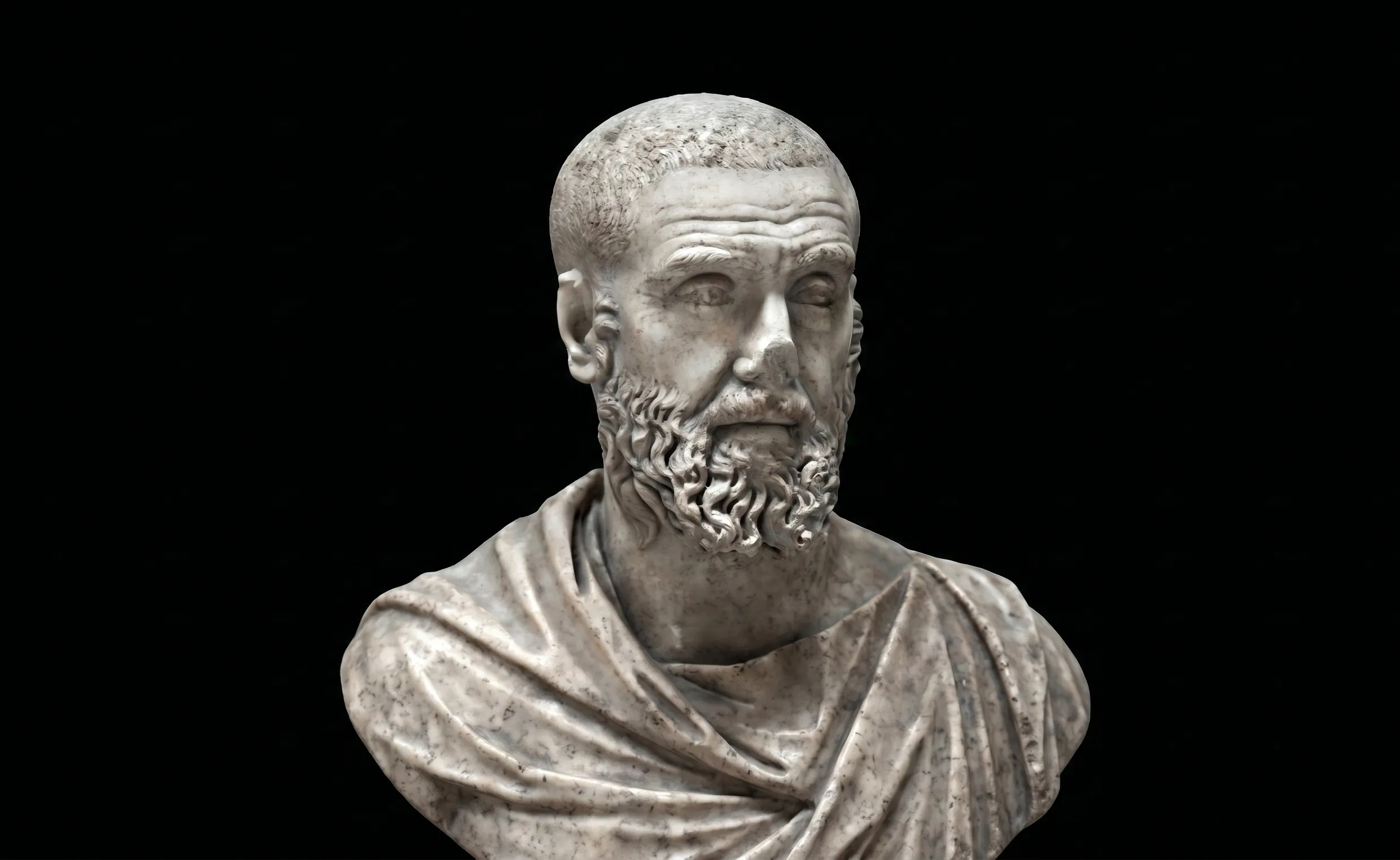
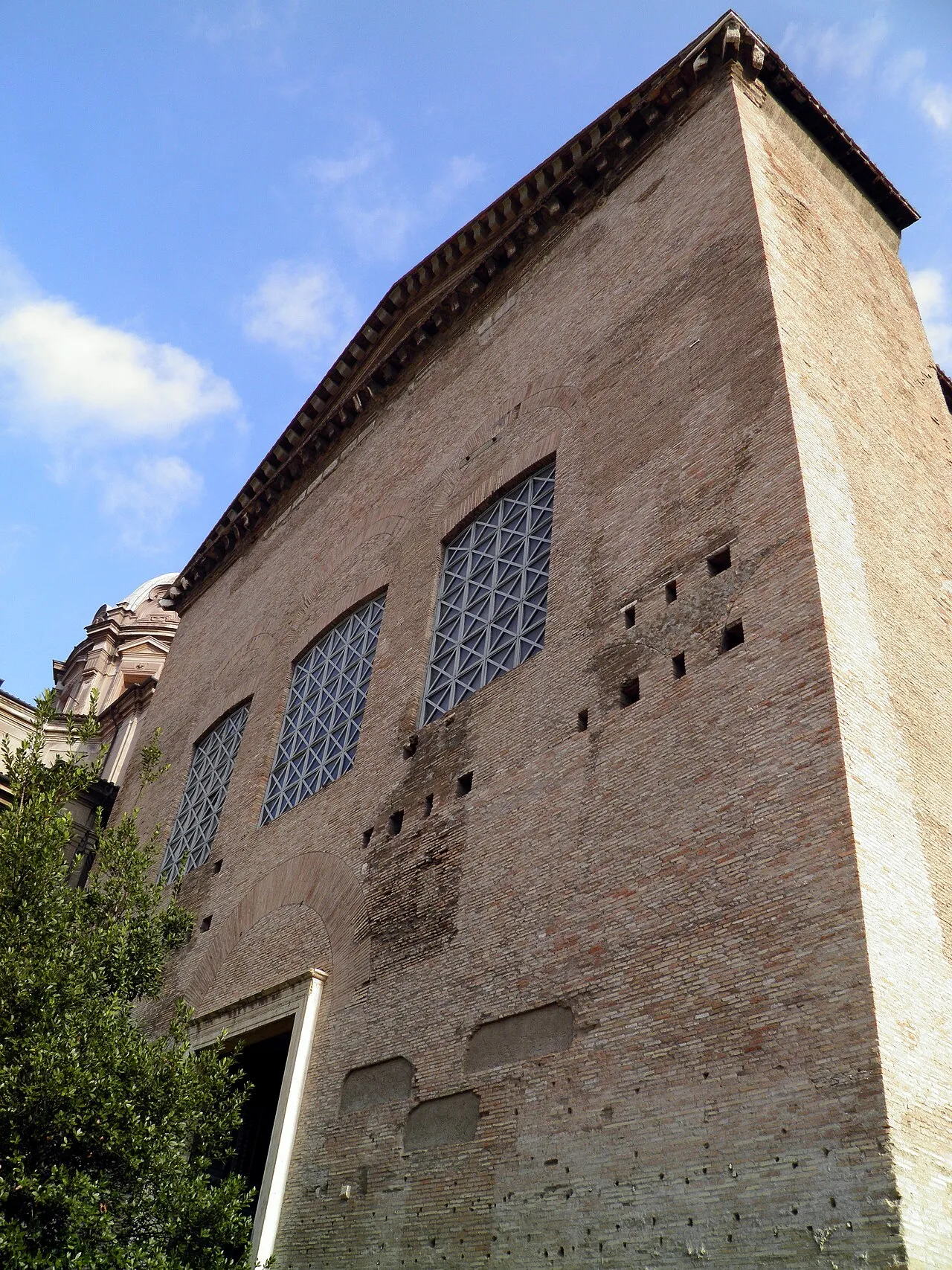
Dopo la morte dei Gordiani in Africa, il Senato romano si trovò in una posizione disperata: Massimino il Trace stava marciando verso l'Italia con il suo esercito. La curia senatoriale nominò una commissione di venti senatori per gestire la crisi, che elesse due co-imperatori: Marco Clodio Pupieno Massimo, generale esperto che avrebbe comandato le operazioni militari, e Decimo Celio Calvino Balbino, senatore di lungo corso che avrebbe gestito l'amministrazione civile. Era la prima volta dai tempi della Repubblica che il Senato eleggeva apertamente i propri imperatori.
After the Gordians' deaths in Africa, the Roman Senate found itself in a desperate position: Maximinus Thrax was marching toward Italy with his army. The senatorial curia appointed a commission of twenty senators to manage the crisis, which elected two co-emperors: Marcus Clodius Pupienus Maximus, an experienced general who would command military operations, and Decimus Caelius Calvinus Balbinus, a long-serving senator who would manage civil administration. It was the first time since the Republic that the Senate had openly elected its own emperors.
I VigintiviriThe Vigintiviri
La commissione che elesse i due imperatori si chiamò Vigintiviri Rei Publicae Curandae , «venti uomini per la cura dello Stato»: un'istituzione di emergenza che richiamava i comitati repubblicani della tarda crisi del I secolo a.C. La maggioranza erano consolari, alcuni avevano servito con i Gordiani in Africa. Pupieno aveva 73 anni, era stato governatore di Bitinia, Acaia, Germania Inferiore, prefetto urbano di Roma sotto Alessandro Severo. Balbino, 68 anni, era stato due volte console (213 e 218 sotto Caracalla ed Elagabalo), proconsole d'Asia, e poeta dilettante. La complementarietà dei due (Pupieno duro generale, Balbino raffinato senatore) fu il ragionamento dei venti, ma anche il vizio strutturale che li avrebbe condannati: i due non si parlavano fra di loro, non si fidavano l'uno dell'altro, e ciascuno si chiudeva nella propria ala del Palatino con la propria guardia personale.
The commission that elected the two emperors was called Vigintiviri Rei Publicae Curandae, «twenty men for the care of the State»: an emergency institution that recalled the republican committees of the late 1st-century BC crisis. The majority were consulars, some had served with the Gordians in Africa. Pupienus was 73 years old, had been governor of Bithynia, Achaea, Lower Germany, prefect of Rome under Alexander Severus. Balbinus, 68 years old, had been twice consul (213 and 218 under Caracalla and Elagabalus), proconsul of Asia, and amateur poet. The complementarity of the two (Pupienus tough general, Balbinus refined senator) was the twenty's reasoning, but also the structural flaw that would condemn them: the two did not speak with each other, did not trust one another, and each shut himself up in his own wing of the Palatine with his own personal guard.
Il popolo di Roma, però, non accettò questa scelta: voleva un imperatore della famiglia Gordiana. Ci furono sommosse violente nel Foro; Pupieno e Balbino, pressati dalla piazza, accettarono di fare del giovane nipote di Gordiano I un Cesare, Gordiano III, come compromesso.
The Roman people, however, did not accept this choice: they wanted an emperor from the Gordian family. There were violent riots in the Forum; Pupienus and Balbinus, pressured by the crowd, agreed to make the young grandson of Gordian I a Caesar, Gordian III, as a compromise.
Il Bambino-CompromessoThe Compromise-Child
Erodiano racconta la scena del Tempio di Giove Capitolino: durante la cerimonia di proclamazione, il popolo bloccò gli accessi e gridò «Augustum Gordianum!». I lictori non riuscivano a sgomberare la piazza. Pupieno e Balbino, terrorizzati, fecero portare il piccolo Marco Antonio Gordiano, nipote tredicenne di Gordiano I e fratello di Gordiano II, e lo presentarono come Caesar sopra le loro teste. Solo allora la folla cedette. Era la prima volta nella storia romana che la legittimità imperiale veniva contrattata pubblicamente con la plebs urbana a gradini di compromesso davanti agli dei.
Herodian recounts the scene at the Temple of Jupiter Capitoline: during the proclamation ceremony, the people blocked the entrances and shouted «Augustum Gordianum!». The lictors could not clear the square. Pupienus and Balbinus, terrified, had little Marcus Antonius Gordian, thirteen-year-old grandson of Gordian I and brother of Gordian II, brought up and presented him as Caesar above their heads. Only then did the crowd relent. It was the first time in Roman history that imperial legitimacy was publicly negotiated with the plebs urbana in compromise-steps before the gods.
02I 99 Giorni e la FineThe 99 Days and the End
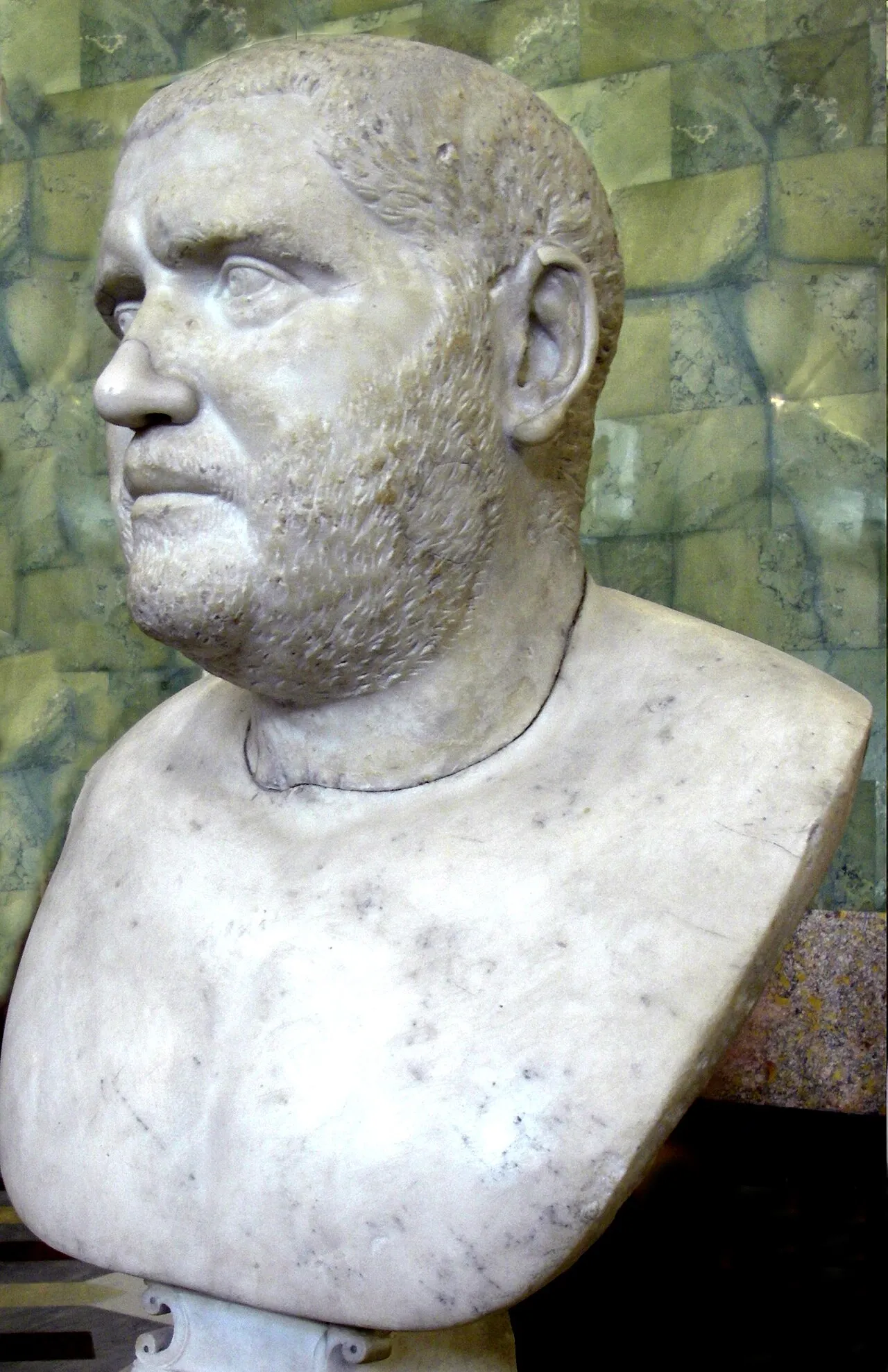
Pupieno guidò l'esercito contro Massimino, che nel frattempo si era impantanato nell'assedio di Aquileia. Prima che i due eserciti si scontrassero, i soldati di Massimino lo uccisero: la notizia raggiunse Pupieno mentre era ancora in marcia. La minaccia era eliminata senza combattere. Pupieno tornò trionfante a Roma. Ma il problema più profondo rimase: la Guardia Pretoriana non voleva imperatori eletti dai senatori. Il 29 luglio 238, durante i Giochi Capitolini, i pretoriani irruppero nel palazzo, trascinarono fuori Pupieno e Balbino, li torturarono e li uccisero per strada. Il loro corpo fu abbandonato sul selciato. Gordiano III, il tredicenne Cesare, fu proclamato unico Augusto.
Pupienus led the army against Maximinus, who had meanwhile become bogged down in the siege of Aquileia. Before the two armies clashed, Maximinus's own soldiers killed him: the news reached Pupienus while he was still on the march. The threat was eliminated without fighting. Pupienus returned triumphantly to Rome. But the deeper problem remained: the Praetorian Guard did not want emperors elected by senators. On July 29, 238, during the Capitoline Games, the praetorians burst into the palace, dragged out Pupienus and Balbinus, tortured them and killed them in the street. Their bodies were abandoned on the pavement. Gordian III, the thirteen-year-old Caesar, was proclaimed sole Augustus.
Il Mancato DonativumThe Withheld Donativum
L'errore fatale del duumvirato fu di non versare alla Guardia Pretoriana il donativum di accesso al trono, la mancia di accessione, da tempo consolidata, equivalente a circa 12.000 sesterzi a testa. Pupieno e Balbino, ossessionati dalla restaurazione dell'austerità senatoria, considerarono umiliante «comprare la fedeltà» dei pretoriani. Inoltre, durante la guerra, Pupieno aveva schierato a Roma un reparto di germani ausiliari come guardia del corpo personale, che pattugliava il Palatino in armi: i pretoriani lo interpretarono come un atto di sfiducia istituzionale, e quasi una sostituzione preparatoria. Il malumore covò per tutta la primavera del 238.
The fatal error of the duumvirate was not to pay the Praetorian Guard the accession donativum, the long-established accession gift, equivalent to about 12,000 sesterces per head. Pupienus and Balbinus, obsessed with restoring senatorial austerity, considered «buying the loyalty» of the praetorians humiliating. Moreover, during the war, Pupienus had deployed in Rome a detachment of Germanic auxiliaries as personal bodyguards, who patrolled the Palatine under arms: the praetorians interpreted it as an institutional vote of no confidence, and almost a preparatory replacement. Discontent simmered throughout the spring of 238.
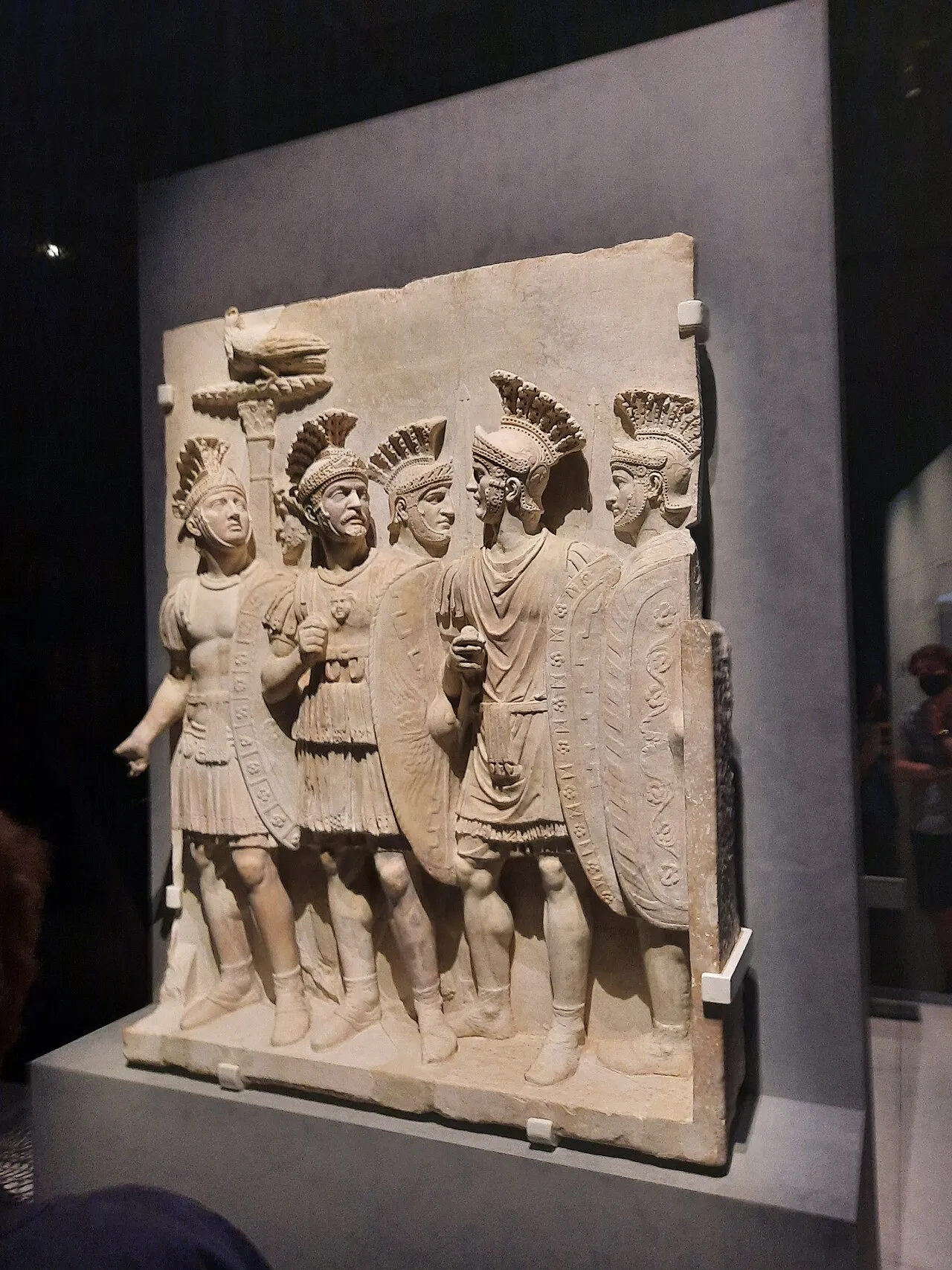
L'Irruzione (29 luglio 238)The Storming (29 July 238)
La mattina del 29 luglio, durante l'apertura dei Ludi Capitolini al Tempio di Giove sul Campidoglio, una colonna di pretoriani in armi marciò dalla Castra Praetoria al Palatino. Pupieno, che era nella propria ala del palazzo, mandò una staffetta a chiamare i Germani, ma Balbino, che pensò ad un complotto del collega per assassinarlo, ordinò di non far entrare nessuno. Quando finalmente capirono di avere il nemico comune alle porte, era troppo tardi. I pretoriani li trovarono nella stessa stanza, denudati per fuggire, e li trascinarono per i capelli giù per la Sacra Via fino al Castro Pretorio. Erodiano, testimone, racconta che li mutilarono progressivamente (dita, naso, orecchie) costringendoli a guardare l'agonia reciproca. Morirono insieme dopo ore.
On the morning of July 29, during the opening of the Ludi Capitolini at the Temple of Jupiter on the Capitoline, a column of armed praetorians marched from the Castra Praetoria to the Palatine. Pupienus, who was in his own wing of the palace, sent a runner to call the Germani, but Balbinus, who thought it was a plot by his colleague to assassinate him, ordered that no one be admitted. When they finally understood that the common enemy was at the gates, it was too late. The praetorians found them in the same room, stripped to flee, and dragged them by the hair down the Sacra Via to the Castra Praetoria. Herodian, a witness, recounts that they mutilated them progressively (fingers, nose, ears) forcing them to watch each other's agony. They died together after hours.
Il breve regno di Pupieno e Balbino segnò l'ultima volta che il Senato tentò di esercitare un controllo diretto sulla scelta dell'imperatore. Da quel momento in poi fu l'esercito, e solo l'esercito, a decidere chi sedeva sul trono.
The brief reign of Pupienus and Balbinus marked the last time the Senate attempted to exercise direct control over the choice of emperor. From that moment on it was the army, and the army alone, that decided who sat on the throne.
Significato StoriograficoHistoriographical Significance
Pupieno e Balbino sono spesso liquidati come imperatori-cometa di pochi mesi, ma la loro elezione fu l'ultima volta nella storia che il Senato esercitò il diritto repubblicano di nominare i propri imperatori. Per Edward Gibbon questo doppio principato fu «un nobile tentativo di restaurare la res publica con tre secoli di ritardo». Theodor Mommsen vi vide la «prova definitiva che la monarchia militare era ormai irreversibile». Per lo storico contemporaneo Brian Campbell (The Crisis of Empire, 2005), gli eventi del 238, sei imperatori in dodici mesi, segnano il passaggio dalla monarchia costituzionale alla monarchia militare puramente arbitraria: dopo il 238, non solo l'esercito decide chi sale al trono, ma il Senato cessa perfino di formulare l'illusione costituzionale.
Pupienus and Balbinus are often dismissed as comet-emperors of a few months, but their election was the last time in history that the Senate exercised the republican right to nominate its own emperors. For Edward Gibbon this double principate was «a noble attempt to restore the res publica three centuries too late». Theodor Mommsen saw in it the «definitive proof that military monarchy was now irreversible». For the contemporary historian Brian Campbell (The Crisis of Empire, 2005), the events of 238, six emperors in twelve months, mark the transition from constitutional monarchy to purely arbitrary military monarchy: after 238, not only does the army decide who ascends the throne, but the Senate even ceases to formulate the constitutional illusion.