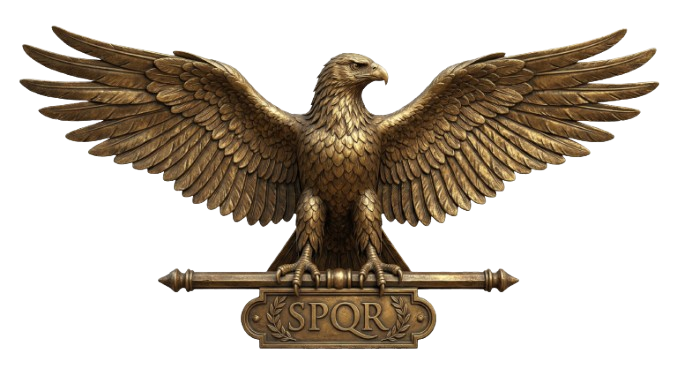
01Il Padre Oreste e il Colpo di StatoFather Orestes and the Coup
Romolo Augustolo non scelse mai di essere imperatore: a scegliere per lui fu suo padre, Oreste. E Oreste era una figura straordinaria del crepuscolo romano. Nato attorno al 420 in Pannonia (l'odierna Ungheria occidentale) da una nobile casata romano-pannonica, il padre Tatulo alto funzionario imperiale, la moglie figlia del conte Romolo di Petovio (oggi Ptuj, in Slovenia), apparteneva a quell'aristocrazia latina di frontiera che il crollo del limes danubiano aveva costretto a servire, di volta in volta, Romani, Unni e Germani.
Romulus Augustulus never chose to be emperor: the one who chose for him was his father, Orestes. And Orestes was an extraordinary figure of the Roman twilight. Born around 420 in Pannonia (today's western Hungary) of a noble Romano-Pannonian house: his father Tatulus a senior imperial official, his wife the daughter of count Romulus of Petovio (today Ptuj, in Slovenia). He belonged to that Latin frontier aristocracy which the collapse of the Danubian limes had forced to serve, by turns, Romans, Huns and Germans.
Fra il 449 e il 453 fu notarius, segretario personale, di Attila in persona. Il bizantino Prisco di Panio, che lo conobbe durante l'ambasceria del 449 alla corte unna, lo dipinge come uomo coltissimo, capace di stendere documenti diplomatici in latino e in greco. Morto Attila nel 453 e dissoltosi l'impero unno l'anno seguente nella battaglia di Nedao, Oreste passò al servizio di Roma. Per vent'anni risalì la gerarchia militare, tessendo una rete personale di fedeltà soprattutto fra i foederati germanici dell'Italia settentrionale: Sciri, Eruli, Rugi, Turcilingi, popoli minori che combattevano per Roma in cambio di terre. Quando Giulio Nepote sbarcò in Italia, nel 474, Oreste era il candidato naturale alla carica di magister militum praesentalis, comandante supremo dell'esercito d'Italia.
Between 449 and 453 he was notarius, personal secretary, of Attila himself. The Byzantine Priscus of Panium, who knew him during the embassy of 449 to the Hunnic court, paints him as a most cultivated man, able to draft diplomatic documents in Latin and Greek. With Attila dead in 453 and the Hunnic empire dissolved the following year at the battle of Nedao, Orestes passed into the service of Rome. For twenty years he climbed the military hierarchy, weaving a personal web of loyalty above all among the Germanic foederati of northern Italy: Sciri, Heruli, Rugii, Turcilingi, minor peoples who fought for Rome in exchange for lands. When Julius Nepos landed in Italy, in 474, Orestes was the natural candidate for the office of magister militum praesentalis, supreme commander of the army of Italy.
Nell'agosto del 475, incaricato da Nepote di guidare un'offensiva in Gallia contro i Visigoti di Eurico, Oreste volse l'esercito su Ravenna: le truppe federate preferivano un comandante che le guidava da anni a un Augusto venuto dall'Oriente. Nepote fuggì in Dalmazia il 28 agosto 475, e per due mesi Oreste resse Ravenna in proprio nome. La porpora, però , non poteva cingerla: la legge romana vietava il titolo augusteo ai non romani, e benché Oreste fosse cittadino a tutti gli effetti, l'idea di un imperatore « pannonico, già segretario di Attila» era impensabile per il Senato e per la corte d'Oriente. La via d'uscita fu mettere sul trono il proprio figlio. Il 31 ottobre 475, a Ravenna, Romolo Augustolo, che aveva circa quindici anni, forse meno, fu acclamato Augusto dai soldati.
In August 475, charged by Nepos with leading an offensive in Gaul against the Visigoths of Euric, Orestes turned the army upon Ravenna: the federate troops preferred a commander who had led them for years to an Augustus come from the East. Nepos fled to Dalmatia on 28 August 475, and for two months Orestes held Ravenna in his own name. The purple, however, he could not gird: Roman law forbade the Augustan title to non-Romans, and although Orestes was a citizen in every respect, the idea of an emperor "Pannonian, once Attila's secretary" was unthinkable to the Senate and to the Eastern court. The way out was to set his own son on the throne. On 31 October 475, at Ravenna, Romulus Augustulus, about fifteen, perhaps less, was acclaimed Augustus by the soldiers.
L'ironia dei nomi non sfuggiva a nessuno: il ragazzo si chiamava Romolo, come il fondatore mitico di Roma e come il nonno materno; e il sacro titolo di Augustus gli fu rimpicciolito nel diminutivo «Augustulus» , il « piccolo Augusto» — soprannome di scherno coniato dai contemporanei, mai inciso su un documento ufficiale. Il primo imperatore e l'ultimo portavano lo stesso nome: Romulus. Mille trecento anni dopo, Edward Gibbon vi avrebbe letto «un disegno della Provvidenza, o uno scherzo del Caso» .
The irony of the names escaped no one: the boy was called Romulus, like the mythic founder of Rome and like his maternal grandfather; and the sacred title of Augustus was shrunk for him into the diminutive "Augustulus", the "little Augustus", a nickname of derision coined by contemporaries, never inscribed on an official document. The first emperor and the last bore the same name: Romulus. Thirteen hundred years later, Edward Gibbon would read in it "a design of Providence, or a jest of Chance".
02Il 4 Settembre 476 — La FineSeptember 4, 476 — The End
Le truppe germaniche di Odoacre, capo di stirpe mista, skira o rugia (le fonti divergono; il padre Edica era stato consigliere di Attila), al servizio di Roma come foederatus, avevano appoggiato la rivolta di Oreste contro Nepote in cambio di una promessa precisa: l'assegnazione di un terzo delle terre d'Italia, la tertia, il sistema d'insediamento già concesso ai Visigoti in Gallia e ai Vandali in Africa. Era la rivendicazione di sempre dei foederati germanici: smettere di vivere da ospiti dell'esercito e diventare, finalmente, padroni della terra.
The Germanic troops of Odoacer, a leader of mixed stock, Scirian or Rugian (sources diverge; his father Edica had been Attila's counsellor), serving Rome as a foederatus, had backed Orestes's revolt against Nepos in exchange for a precise promise: the assignment of a third of the lands of Italy, the tertia, the settlement system already granted to the Visigoths in Gaul and the Vandals in Africa. It was the age-old demand of the Germanic foederati: to cease living as guests of the army and to become, at last, masters of the soil.
Ma Oreste, temendo la collera dell'aristocrazia senatoria italica, atterrita all'idea di vedersi espropriare le ville, venne meno alla parola data nei primi mesi del 476. I Germani, guidati da Odoacre, insorsero in agosto. Oreste cercò scampo dietro le mura di Ticinum (Pavia), dove invano il vescovo sant'Epifanio tentò un compromesso; fu catturato il 28 agosto 476 e giustiziato all'istante. Pochi giorni dopo, presso Ravenna, cadde anche il fratello Paolo. La capitale dell'Occidente si arrese senza che una spada fosse levata in sua difesa.
But Orestes, fearing the wrath of the Italic senatorial aristocracy, terrified at the thought of seeing their villas expropriated, broke his given word in the first months of 476. The Germans, led by Odoacer, rose in August. Orestes sought refuge behind the walls of Ticinum (Pavia), where in vain the bishop Saint Epiphanius attempted a compromise; he was captured on 28 August 476 and executed on the spot. A few days later, near Ravenna, his brother Paulus fell too. The capital of the West surrendered without a single sword being raised in its defence.
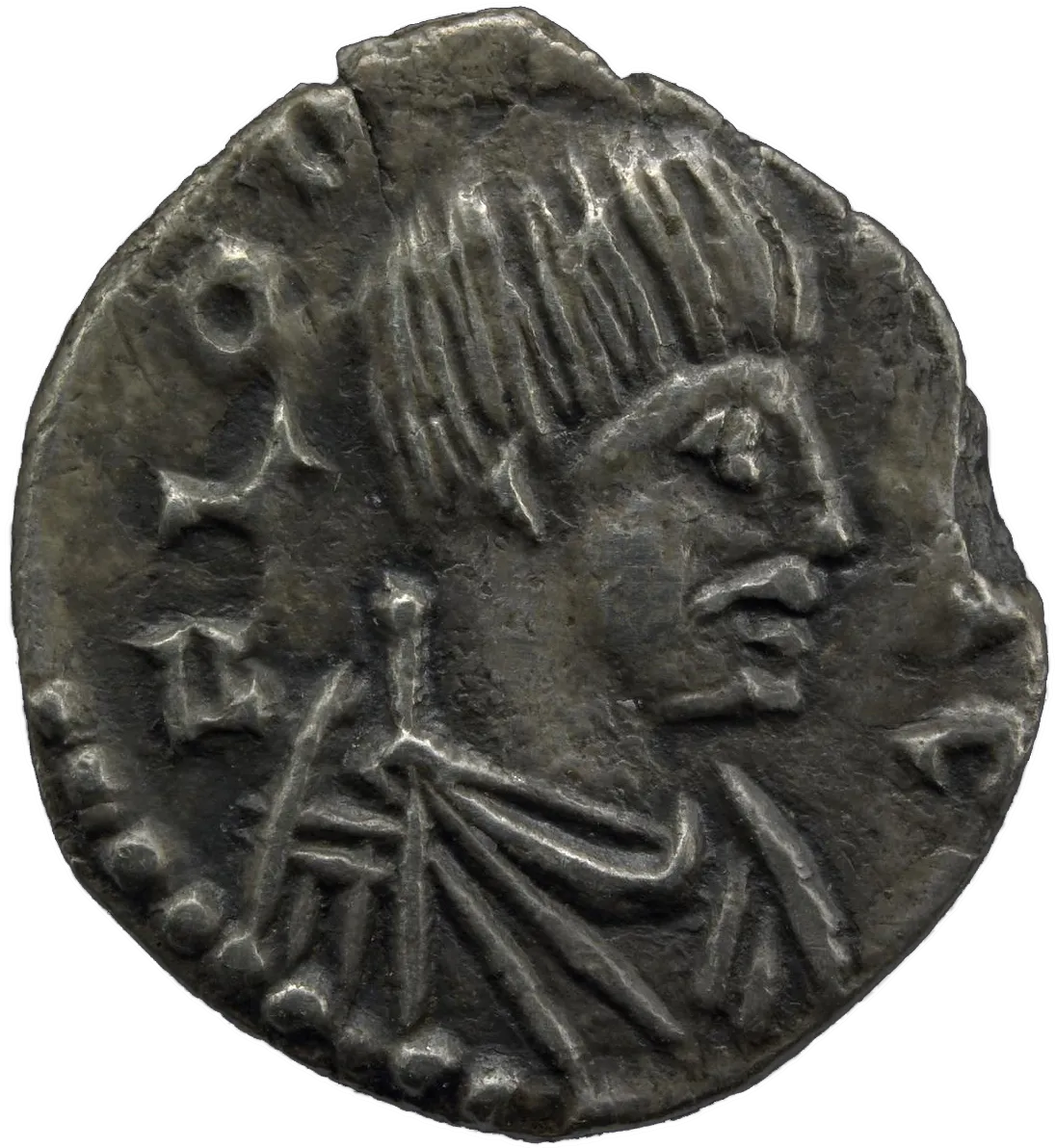
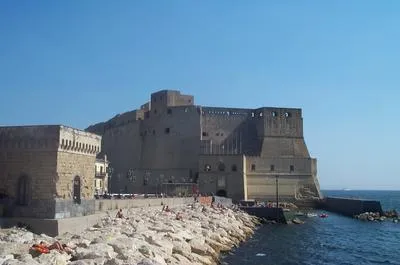
Il 4 settembre 476 Odoacre fece condurre alla sua presenza il giovane Romolo. Non lo uccise: era troppo giovane, innocente, e ormai del tutto inoffensivo. Il bizantino Malco di Filadelfia aggiunge un tocco umano: il vincitore fu mosso a pietà dalla bellezza e dalla giovanissima età del ragazzo. Romolo abdicò (secondo l'Anonymus Valesianus, il primo Augusto della storia romana a deporre spontaneamente la porpora rimanendo in vita) e consegnò le insegne. Odoacre lo confinò al Castellum Lucullanum, villa-fortezza sul promontorio di Miseno, nel Golfo di Napoli, che era stata di Lucullo e poi residenza imperiale; e gli assegnò una rendita di seimila solidi d'oro l'anno: una pensione dorata, pari allo stipendio di un alto generale.
On 4 September 476 Odoacer had the young Romulus led into his presence. He did not kill him: he was too young, innocent, and by now wholly harmless. The Byzantine Malchus of Philadelphia adds a human touch: the victor was moved to pity by the beauty and the very young age of the boy. Romulus abdicated (according to the Anonymus Valesianus, the first Augustus in Roman history to lay down the purple of his own will while still alive) and handed over the insignia. Odoacer confined him to the Castellum Lucullanum, a villa-fortress on the promontory of Misenum, in the Gulf of Naples, which had once been Lucullus's and then an imperial residence; and assigned him an income of six thousand gold solidi a year: a gilded pension, equal to the salary of a high general.
Poi Odoacre compì il gesto che chiudeva un'era: rispedì a Costantinopoli le insegne imperiali (il diadema, la porpora, il chlamys augusteo) con una delegazione del Senato di Roma. Il messaggio a Zenone era di sottile diplomazia: l'Occidente, dichiarava il Senato, non aveva più bisogno di un imperatore proprio; un solo Augusto bastava all'Impero intero, e Odoacre avrebbe retto l'Italia da patricius, sotto la sovranità formale dell'unico sovrano. Zenone rispose con calcolata ambiguità : accettò le insegne, confermò Odoacre patricius, ma gli ordinò di riconoscere ancora come Augusto legittimo Giulio Nepote, vivo in Dalmazia. Per quattro anni l'Italia battette moneta nel nome di Nepote, che più non rimise piede nella Penisola.
Then Odoacer performed the gesture that closed an age: he sent back to Constantinople the imperial insignia (the diadem, the purple, the Augustan chlamys) with a delegation of the Senate of Rome. The message to Zeno was of subtle diplomacy: the West, the Senate declared, no longer needed an emperor of its own; one Augustus sufficed for the whole Empire, and Odoacer would hold Italy as patricius, under the formal sovereignty of the single sovereign. Zeno answered with calculated ambiguity: he accepted the insignia, confirmed Odoacer as patricius, but ordered him still to recognise as legitimate Augustus Julius Nepos, alive in Dalmatia. For four years Italy struck coin in the name of Nepos, who never again set foot in the Peninsula.
03L'Esilio, la Sopravvivenza e l'EreditàExile, Survival and Legacy
Romolo Augustolo sopravvisse alla caduta dell'Impero: ed è forse questa la cosa più straordinaria della sua vicenda. Visse nel Castellum Lucullanum per decenni, apparentemente indisturbato dai poteri che si avvicendavano in Italia. Odoacre gli pagò la pensione; e quando Odoacre fu a sua volta deposto e ucciso dal re ostrogoto Teodorico, nel 493, anche il nuovo regime lasciò in pace il vecchio imperatore. L'ultima traccia documentaria di Romolo è una lettera del 507–511, dettata da Cassiodoro a nome di Teodorico, che lo informa di una riduzione della rendita. Era ancora vivo, dunque, a quasi mezzo secolo dalla sua deposizione.
Romulus Augustulus survived the fall of the Empire: and this is perhaps the most extraordinary thing about his story. He lived in the Castellum Lucullanum for decades, apparently undisturbed by the powers that succeeded one another in Italy. Odoacer paid him his pension; and when Odoacer was in turn deposed and killed by the Ostrogoth king Theodoric, in 493, the new regime too left the old emperor in peace. The last documentary trace of Romulus is a letter of 507–511, dictated by Cassiodorus in Theodoric's name, informing him of a reduction in his income. He was still alive, then, almost half a century after his deposition.
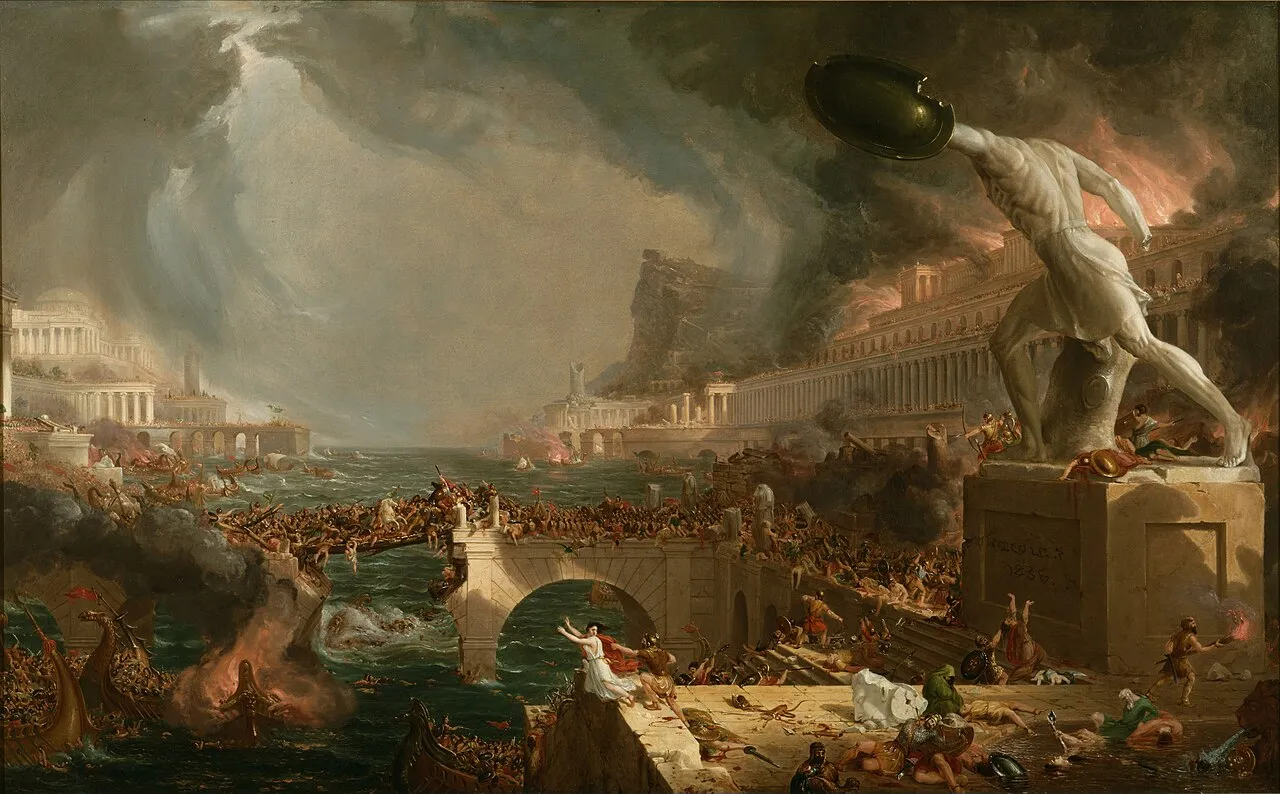
La sua storia solleva una domanda di fondo: il 476 fu davvero la « fine» dell'Impero Romano d'Occidente? Sul piano del simbolo, senza dubbio: con la restituzione delle insegne a Costantinopoli, l'Occidente dichiarava di non aver più bisogno di un proprio Augusto. Ma sul piano concreto, il mondo romano d'Occidente continuò a vivere sotto i regni germanici: il diritto romano restò in vigore, il latino lingua di cancelleria, la Chiesa custode delle istituzioni di Roma. La « caduta» del 476 fu meno un crollo improvviso che la presa d'atto di una metamorfosi già compiuta nell'arco di un secolo. Romolo Augustolo non ne fu il protagonista, ma il simbolo involontario. Il nome del primo re di Roma a chiudere la fila degli imperatori d'Occidente: difficile immaginare un sigillo più perfetto.
His story raises a fundamental question: was 476 truly the "end" of the Western Roman Empire? On the plane of symbol, beyond doubt: with the return of the insignia to Constantinople, the West declared that it no longer needed an Augustus of its own. But on the concrete plane, the Roman world of the West went on living under the Germanic kingdoms: Roman law remained in force, Latin the language of chancery, the Church the keeper of the institutions of Rome. The "fall" of 476 was less a sudden collapse than the acknowledgement of a metamorphosis already accomplished over the span of a century. Romulus Augustulus was not its protagonist, but its involuntary symbol. The name of Rome's first king closing the line of the emperors of the West: it is hard to imagine a more perfect seal.
04Il Mondo Dopo il 476The World After 476
Romolo Augustolo visse abbastanza da vedere sorgere il regno ostrogoto d'Italia. Nel 489, per mandato dell'imperatore d'Oriente Zenone, Teodorico il Grande calò sull'Italia di Odoacre. La guerra durò quattro anni e si chiuse il 5 marzo 493 col celebre banchetto di Ravenna, in cui Teodorico trafisse Odoacre di propria mano, forse nello stesso palazzo che era stato di Onorio. Il regno teodoriciano, che sarebbe durato fino al 553, fu per molti versi la prosecuzione dell'Occidente romano sotto un'altra bandiera: leggi romane in vigore, latino di cancelleria, monete col profilo del re goto ma il nome dell'Augusto d'Oriente, senatori romani ancora signori delle loro terre. E anche la pensione di Romolo continuò a essere versata.
Romulus Augustulus lived long enough to see the Ostrogothic kingdom of Italy arise. In 489, by commission of the Eastern emperor Zeno, Theodoric the Great descended upon Odoacer's Italy. The war lasted four years and closed on 5 March 493 with the famous banquet at Ravenna, where Theodoric ran Odoacer through with his own hand, perhaps in the very palace that had been Honorius's. The Theodorican kingdom, which would last until 553, was in many respects the continuation of the Roman West under another banner: Roman laws in force, Latin of the chancery, coins with the Gothic king's profile but the name of the Eastern Augustus, Roman senators still lords of their lands. And Romulus's pension too continued to be paid.
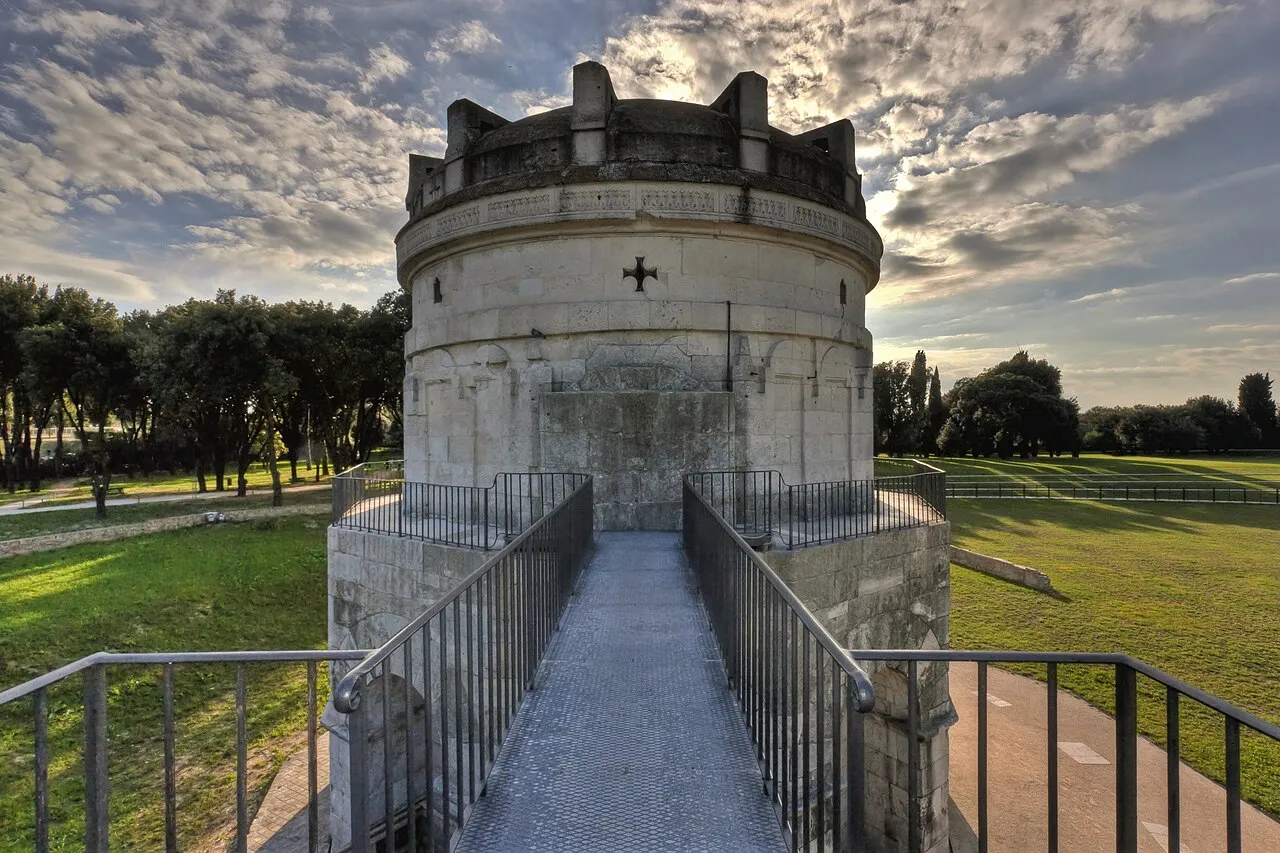
Il «476» come « fine dell'Impero Romano d'Occidente» è una costruzione della storiografia posteriore. Per i contemporanei non vi fu cesura evidente: Procopio di Cesarea, che scrive negli anni Quaranta del VI secolo, non vi attribuisce particolare rilievo; è lo storico Marcellino Comes, a Costantinopoli verso il 519, il primo a definirlo formalmente la «fine dell'Hesperium regnum» , il regno d'Occidente. Sant'Eugippio, nella Vita di Severino del Norico (verso il 511), ne parla come di una semplice notizia giunta all'eremita, non come la fine di un'epoca. A consacrare il 476 come spartiacque della storia universale fu Edward Gibbon, che nel suo Declino e caduta dell'Impero Romano (1776–1789) ne fissò per sempre il «tragico epilogo nelle persone di un usurpatore e di un fanciullo» .
The "476" as "fall of the Roman Empire of the West" is a construction of later historiography. For contemporaries there was no evident caesura: Procopius of Caesarea, writing in the 540s, attributes no particular importance to it; it is the historian Marcellinus Comes, at Constantinople around 519, who is the first to define it formally the "end of the Hesperium regnum", the kingdom of the West. Saint Eugippius, in the Life of Severinus of Noricum (toward 511), speaks of it as a mere piece of news reaching the hermit, not as the end of an age. It was Edward Gibbon who consecrated 476 as the watershed of universal history, fixing forever, in his Decline and Fall of the Roman Empire (1776–1789), its "tragic epilogue in the persons of an usurper and a child".
La cultura europea moderna ne ha fatto un archetipo letterario. Lo svizzero Friedrich Dü rrenmatt lo elesse protagonista della commedia Romolo il Grande (1949): un imperatore che, consapevole del marciume del proprio impero, sceglie deliberatamente l'inerzia per accelerarne la fine, e che, all'arrivo dei Germani, scopre con ironico sollievo di essere stato preceduto da chi credeva di precedere. Gli storici Stewart Oost (1968) e Ralph Mathisen hanno avanzato un'ipotesi suggestiva, anche se indimostrabile: che quel ragazzo sia il medesimo Romulus cui Cassiodoro, verso il 511, conferma per lettera la pensione. Se così fosse, l'ultimo Augusto d'Occidente sarebbe vissuto fino al 511: trentacinque anni oltre la propria caduta, sopravvivendo a Odoacre, attraversando l'intera età di Teodorico, spegnendosi poco prima che le guerre di Giustiniano tornassero a insanguinare l'Italia. Un imperatore-bambino diventato vecchio. La verità non si saprà mai. Ma l'immagine, un ragazzo deposto nel 476 che vede l'Italia rifiorire sotto nuovi re germanici e muore di vecchiaia nella villa di Lucullo, è esattamente la metafora di cui il mondo tardo-antico aveva bisogno per raccontare la propria fine.
Modern European culture has made of him a literary archetype. The Swiss Friedrich Dü rrenmatt chose him as protagonist of the comedy Romulus the Great (1949): an emperor who, aware of the rottenness of his own empire, deliberately chooses inertia to hasten its end, and who, on the arrival of the Germans, discovers with ironic relief that he has been forestalled by those he believed he was forestalling. The historians Stewart Oost (1968) and Ralph Mathisen advanced a suggestive, if unprovable, hypothesis: that this boy is the very Romulus to whom Cassiodorus, around 511, confirms a pension by letter. If so, the last Augustus of the West would have lived until 511: thirty-five years beyond his own fall, surviving Odoacer, passing through the whole age of Theodoric, dying shortly before Justinian's wars came to bloody Italy anew. A boy-emperor grown old. The truth will never be known. But the image, a boy deposed in 476 who sees Italy bloom again under new Germanic kings and dies of old age in the villa of Lucullus, is exactly the metaphor the late-antique world needed to recount its own ending.