01BiografiaBiography
La nascita del prodigio (37–49 d.C.)
Birth of a prodigy (37–49 AD)
Lucio Domizio Enobarbo nacque ad Antium (l'attuale Anzio) il 15 dicembre del 37 d.C., nove mesi esatti dopo l'ascesa al trono dello zio Caligola. Il padre, Gneo Domizio Enobarbo, era un aristocratico patrizio dalla reputazione sinistra: pretore, console, ma noto per crudeltà e dissolutezza, accusato di adulterio, incesto e omicidio. Quando seppe della nascita del figlio, secondo Svetonio dichiarò con cinismo che da lui e da Agrippina « non poteva nascere nulla se non qualcosa di abominevole e dannoso per il bene pubblico» . Era un'ironia che il tempo avrebbe ripagato per intero.
Lucius Domitius Ahenobarbus was born at Antium (modern Anzio) on 15 December 37 AD, nine months precisely after his uncle Caligula's accession. His father, Gnaeus Domitius Ahenobarbus, was a patrician aristocrat of sinister reputation: praetor, consul, but known for cruelty and dissolution, accused of adultery, incest and murder. When he learned of his son's birth, according to Suetonius, he cynically declared that from himself and Agrippina « nothing could be born except something abominable and harmful to the public good» . It was an irony time would repay in full.
La madre, Giulia Agrippina (detta Agrippina Minore per distinguerla dalla nonna), era figura ben più potente. Sorella di Caligola, pronipote di Augusto attraverso Germanico e Agrippina Maggiore, era stata educata nel palazzo imperiale e respirava politica fin dall'infanzia. Nel 39 d.C., quando il piccolo Lucio aveva due anni, Caligola accusò le sorelle di tradimento e relegò Agrippina nelle isole Pontine. Il bambino fu sottratto alla madre, l'eredità paterna confiscata; venne affidato alla zia paterna Domizia Lepida, che lo cresceva, secondo le malelingue, in compagnia di un barbiere e di un danzatore. Erano i primi due anni di una vita già segnata.
His mother, Julia Agrippina (called Agrippina the Younger to distinguish her from her grandmother), was a far more powerful figure. Sister of Caligula, great-granddaughter of Augustus through Germanicus and Agrippina the Elder, she had been raised inside the imperial palace and breathed politics from childhood. In 39 AD, when little Lucius was two, Caligula accused his sisters of treason and exiled Agrippina to the Pontine Islands. The child was taken from his mother, his paternal inheritance confiscated; he was entrusted to his paternal aunt Domitia Lepida, who reared him, according to malicious rumour, in the company of a barber and a dancer. Those were the first two years of a life already marked.
Tutto cambiò nel 41 d.C. con l'assassinio di Caligola e l'ascesa al trono di Claudio, fratello del defunto Germanico e quindi zio di Agrippina. La nuova imperatrice consort, Messalina, era nemica giurata della cugina; ma le cose cambiarono quando Messalina cadde nel 48 d.C. dopo lo scandalo del matrimonio con Gaio Silio. Claudio, vecchio e debole, cercava una nuova moglie e i suoi liberti gli imposero, contro la legge sull'incesto fra parenti, proprio Agrippina. Il matrimonio fu celebrato il 1° gennaio del 49 d.C. La madre di Lucio era diventata imperatrice; il bambino, già orfano di padre, ora aveva un patrigno imperatore.
Everything changed in 41 AD with Caligula's assassination and the accession of Claudius, brother of the late Germanicus and so uncle of Agrippina. The new imperial consort, Messalina, was sworn enemy of her cousin; but matters shifted when Messalina fell in 48 AD after the scandal of her marriage to Gaius Silius. Claudius, old and weak, sought a new wife and his freedmen pushed upon him, against the law on incest between relatives, none other than Agrippina. The marriage was celebrated on 1 January 49 AD. Lucius's mother had become empress; the boy, already fatherless, now had a stepfather who was emperor.
L'erede di Claudio (49–54 d.C.)
The heir of Claudius (49–54 AD)
Agrippina aveva un piano. Convinse Claudio ad adottare suo figlio nel 50 d.C., scavalcando il legittimo erede Britannico, figlio carnale dell'imperatore. Lucio Domizio cambiò nome in Nerone Claudio Cesare Druso Germanico, prese il cognomen sacro dei Cesari e si trasferì al Palatino. Era l'erede ufficiale a tredici anni. Per prepararlo, Agrippina richiamò dall'esilio in Corsica un filosofo stoico di Cordova, condannato anni prima per adulterio sotto Caligola: si chiamava Lucio Anneo Seneca. Sarebbe diventato il più influente intellettuale del regno.
Agrippina had a plan. She persuaded Claudius to adopt her son in 50 AD, leapfrogging the legitimate heir Britannicus, the emperor's natural son. Lucius Domitius changed his name to Nero Claudius Caesar Drusus Germanicus, took the sacred cognomen of the Caesars and moved to the Palatine. He was the official heir at thirteen. To prepare him, Agrippina recalled from exile in Corsica a Stoic philosopher from Cordoba, condemned years before for adultery under Caligula: his name was Lucius Annaeus Seneca. He would become the most influential intellectual of the reign.
A diciassette anni Nerone fu fatto sposare a Claudia Ottavia, figlia di Claudio, dopo aver fatto rompere il fidanzamento di lei con un altro nobile. Era un'ulteriore vincolo dinastico: Nerone era ora figlio adottivo, genero, e cugino dell'imperatore. Britannico, di tre anni più giovane, fu marginalizzato a corte. Quando il 13 ottobre del 54 d.C. Claudio morì (secondo Tacito e Svetonio, avvelenato dalla famosa avvelenatrice Locusta su ordine di Agrippina con un piatto di funghi) Nerone fu portato dalla Guardia Pretoriana al campo, dove i pretoriani lo acclamarono imperatore in cambio di un donativo di quindicimila sesterzi a testa. Aveva sedici anni e dieci mesi.
At seventeen Nero was married to Claudia Octavia, daughter of Claudius, after her engagement to another noble had been broken off. It was a further dynastic tie: Nero was now adoptive son, son-in-law and cousin of the emperor. Britannicus, three years younger, was marginalised at court. When on 13 October 54 AD Claudius died (according to Tacitus and Suetonius, poisoned by the famous poisoner Locusta on Agrippina's orders with a dish of mushrooms) Nero was taken by the Praetorian Guard to camp, where the praetorians acclaimed him emperor in exchange for a donative of fifteen thousand sesterces a head. He was sixteen and ten months old.
Il Quinquennium Neronis (54–59 d.C.)
The Quinquennium Neronis (54–59 AD)
I primi cinque anni di Nerone passarono alla storia come quinquennium Neronis, "il quinquennio di Nerone": il periodo migliore di tutti i Cesari, secondo il giudizio dello stesso Traiano mezzo secolo dopo. Tre uomini governavano dietro al ragazzo: Seneca, il maestro filosofo, redigeva i discorsi pubblici e teorizzava il principato in opere come il De Clementia; Sesto Afranio Burro, prefetto del pretorio, gestiva il governo militare; Agrippina, la madre, voleva controllare tutto. Il triangolo era fragile: Seneca e Burro avevano un patto tacito di moderare il sovrano e tenere a bada l'imperatrice madre.
Nero's first five years passed into history as the quinquennium Neronis: the best period of all the Caesars, by the judgement of Trajan himself half a century later. Three men governed behind the boy: Seneca, the philosopher tutor, drafted public speeches and theorised the principate in works like the De Clementia; Sextus Afranius Burrus, praetorian prefect, handled military government; Agrippina, his mother, wanted to control everything. The triangle was fragile: Seneca and Burrus had a tacit pact to moderate the sovereign and keep the dowager empress in check.
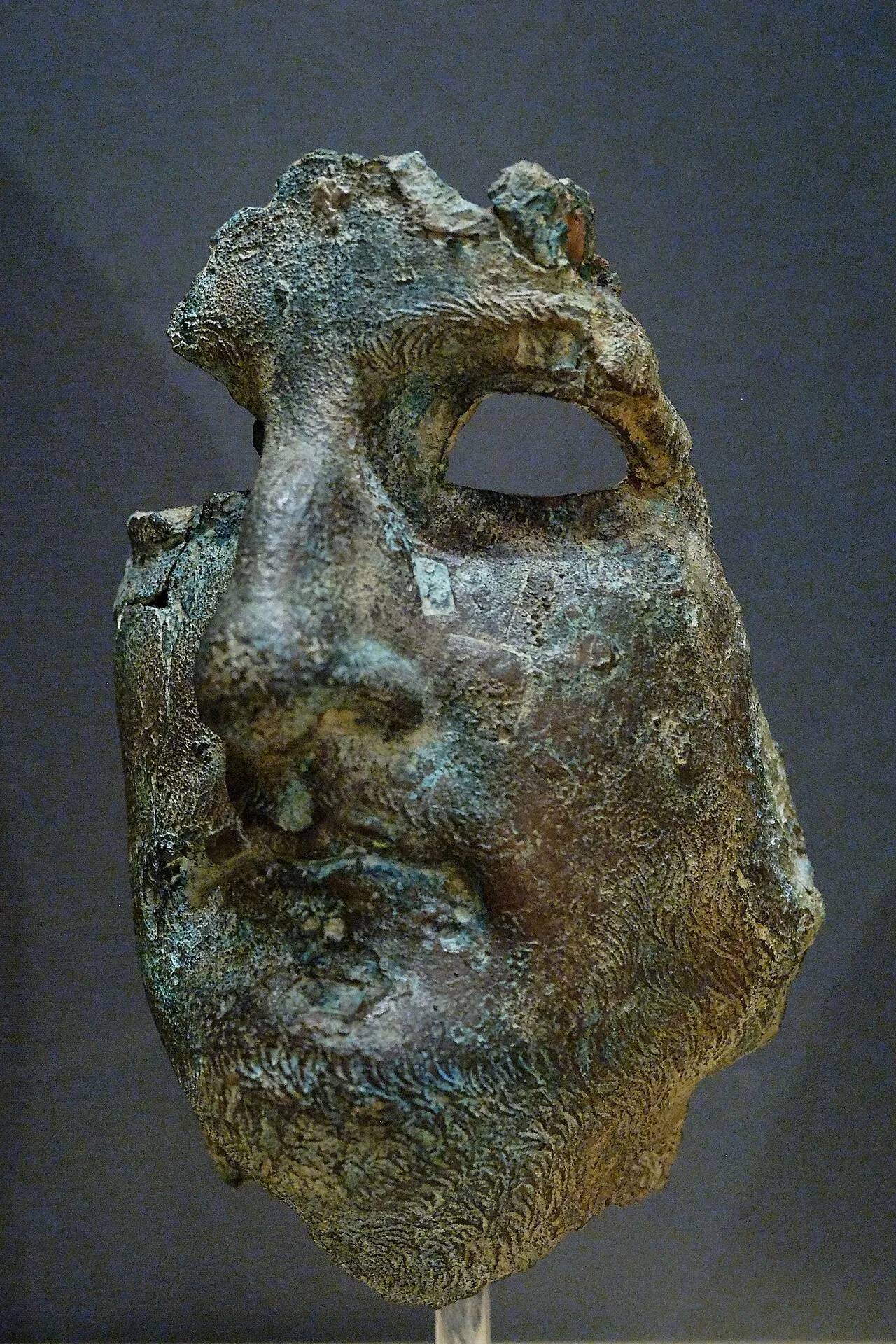
Il giovane principe firmava le condanne a morte sospirando «vellem nescire litteras» , "vorrei non saper scrivere"; abolì processi sospetti, ridusse i tributi delle province, vietò ai magistrati di accettare regali, restituì al Senato dignità e funzioni che Caligola e Claudio avevano calpestato. Erano le riforme che Seneca aveva immaginato per un principato illuminato. Persino il rapporto con Britannico, fratellastro pericoloso, sembrava reggere, finché il 12 febbraio del 55 d.C., al banchetto del Palatino, il giovane non cadde fulminato, "epilettico" secondo la versione ufficiale, avvelenato secondo Tacito. Nerone aveva diciassette anni e cominciava a uccidere.
The young prince signed death sentences sighing «vellem nescire litteras» , "I wish I could not write"; he abolished suspect trials, reduced provincial tributes, forbade magistrates from accepting gifts, restored to the Senate dignity and functions that Caligula and Claudius had trampled. These were the reforms Seneca had imagined for an enlightened principate. Even the relationship with Britannicus, dangerous half-brother, seemed to hold, until on 12 February 55 AD, at the Palatine banquet, the young man fell dead, "epileptic" by the official version, poisoned according to Tacitus. Nero was seventeen and beginning to kill.
Mentre Roma celebrava il quinquennio aureo, in Oriente esplodeva la grande crisi del regno: la guerra partica per l'Armenia, che Nerone affidò al miglior generale del suo tempo, Gneo Domizio Corbulone. Per nove anni Corbulone marciò , conquistò e negoziò : Artaxata cadde nel 58, Tigranocerta nel 59, fino al compromesso del 63 d.C. che insediò il principe partico Tiridate sul trono armeno con la corona consegnata da Nerone in persona a Roma. Era il più clamoroso successo diplomatico del regno e avrebbe garantito mezzo secolo di pace con la Partia.
While Rome celebrated the golden quinquennium, in the East the great crisis of the reign exploded: the Parthian war for Armenia, which Nero entrusted to the finest general of his age, Gnaeus Domitius Corbulo. For nine years Corbulo marched, conquered and negotiated: Artaxata fell in 58, Tigranocerta in 59, down to the compromise of 63 AD which installed the Parthian prince Tiridates on the Armenian throne with his crown handed over by Nero in person at Rome. It was the most spectacular diplomatic success of the reign and would secure half a century of peace with Parthia.
Il matricidio (59 d.C.)
The matricide (59 AD)
Il rapporto con Agrippina si guastò quando Nerone si invaghì perdutamente di una libertina di nome Poppea Sabina, già moglie del suo amico Otone. Agrippina si oppose al divorzio dall'innocua Ottavia e tentò persino di sedurre il figlio, secondo Svetonio, per riprendere influenza. Nerone decise di eliminarla. Il piano fu tortuoso: nel marzo del 59 d.C., durante le feste di Minerva a Baia, l'invitò sulla sua lussuosa galera nel Golfo di Napoli; la nave, costruita per crollare in mare, si spezzò come previsto, ma Agrippina nuotò fino a riva. Quando si rese conto del fallimento, Nerone mandò sicari nella sua villa di Bauli. Lei, riconoscendoli, scoperse il ventre e disse: « Ventrem feri!», "Colpite il grembo!". Aveva quarantatré anni; il figlio aveva ventun anni.
The relationship with Agrippina turned sour when Nero fell wildly in love with a freedwoman called Poppaea Sabina, already wife of his friend Otho. Agrippina opposed the divorce from the harmless Octavia and even attempted, according to Suetonius, to seduce her son in order to regain influence. Nero decided to eliminate her. The plan was tortuous: in March 59 AD, during the festival of Minerva at Baiae, he invited her aboard his luxurious galley in the Bay of Naples; the ship, built to collapse at sea, broke up as planned, but Agrippina swam to shore. When he realised the failure, Nero sent assassins to her villa at Bauli. She, recognising them, bared her belly and said: « Ventrem feri!», "Strike the womb!". She was forty-three; her son was twenty-one.
Il delitto fu il punto di non ritorno. Seneca dovette redigere il messaggio al Senato in cui Nerone accusava la madre di un complotto e si congratulava con se stesso per essersi salvato; persino i senatori, abituati a tutto, si accorsero della falsità . Ma nessuno osò protestare: Roma ottenne preghiere ufficiali di ringraziamento. Da quel giorno Nerone non si liberò mai più del fantasma. Svetonio dice che lo perseguitavano incubi e che fece sacrifici per esorcizzare la madre. Liberato dal controllo materno, prese una strada nuova: l'attore, il poeta, il cantante, l'auriga.
The crime was the point of no return. Seneca had to draft the message to the Senate in which Nero accused his mother of a plot and congratulated himself on his survival; even the senators, used to everything, noticed the lie. But none dared protest: Rome offered official prayers of thanksgiving. From that day Nero never freed himself of the ghost. Suetonius says nightmares pursued him and that he performed sacrifices to exorcise his mother. Released from maternal control, he took a new path: actor, poet, singer, charioteer.
L'artista al potere (59–64 d.C.)
The artist in power (59–64 AD)
Nerone aveva una vera passione per la cithara, lo strumento a corde sacro ad Apollo, e per il canto. La sua ambizione segreta era essere riconosciuto come grande artista dell'oikoumé ne greca. Cominciò a esibirsi in privato, poi alla corte, poi nei Iuvenalia (60 d.C.) e nei Neronia (62 d.C.), giochi quinquennali greci da lui istituiti a Roma. La sua voce era considerata mediocre, ma nessuno poté mai dirlo: cantava per ore con manuali del fiato, esercizi di postura, regole rigide di alimentazione. I posteri ne avrebbero fatto la quintessenza dell'imperatore istrione, ma per Nerone era invece la massima dignità cui si potesse aspirare.
Nero had a genuine passion for the cithara, the stringed instrument sacred to Apollo, and for singing. His secret ambition was to be recognised as a great artist of the Greek oikumené . He began performing in private, then at court, then in the Iuvenalia (60 AD) and the Neronia (62 AD), quinquennial Greek games he had established in Rome. His voice was considered mediocre, but no one ever dared say so: he sang for hours with breathing manuals, posture exercises, strict dietary rules. Posterity would make him the quintessence of the histrionic emperor, but for Nero it was the highest dignity to which one could aspire.
Nel 62 d.C. morì Burro (forse di tumore alla gola, forse avvelenato) e Seneca, vecchio e disilluso, chiese di ritirarsi a vita privata. Nerone accettò le dimissioni del maestro e nominò come prefetto del pretorio Tigellino, ex stalliere divenuto cortigiano: brutale, spregiudicato, totalmente devoto al sovrano. Era una nuova gestione: cadde la legge sulla maiestas che proteggeva la critica al principe; ricominciarono i processi politici. Nerone divorziò da Ottavia con l'accusa montata di adulterio e la fece esiliare nelle isole di Pandataria, dove fu costretta al suicidio: aveva ventidue anni. Sposò Poppea, che gli avrebbe dato una figlia (morta a quattro mesi) e poi sarebbe morta lei stessa nel 65 d.C., secondo le malelingue, per un calcio dell'imperatore in stato di gravidanza avanzata.
In 62 AD Burrus died (perhaps of throat cancer, perhaps poisoned) and Seneca, old and disillusioned, asked to retire to private life. Nero accepted his teacher's resignation and appointed as praetorian prefect Tigellinus, a former stableman turned courtier: brutal, ruthless, utterly devoted to the sovereign. It was new management: the law on maiestas protecting criticism of the prince fell; political trials resumed. Nero divorced Octavia on a manufactured charge of adultery and had her exiled to the Pandateria islands, where she was forced to suicide: she was twenty-two. He married Poppaea, who would bear him a daughter (dead at four months) and then die herself in 65 AD, according to malicious tongues, from a kick by the emperor when heavily pregnant.
Il fuoco e la Domus Aurea (64–65 d.C.)
The fire and the Domus Aurea (64–65 AD)
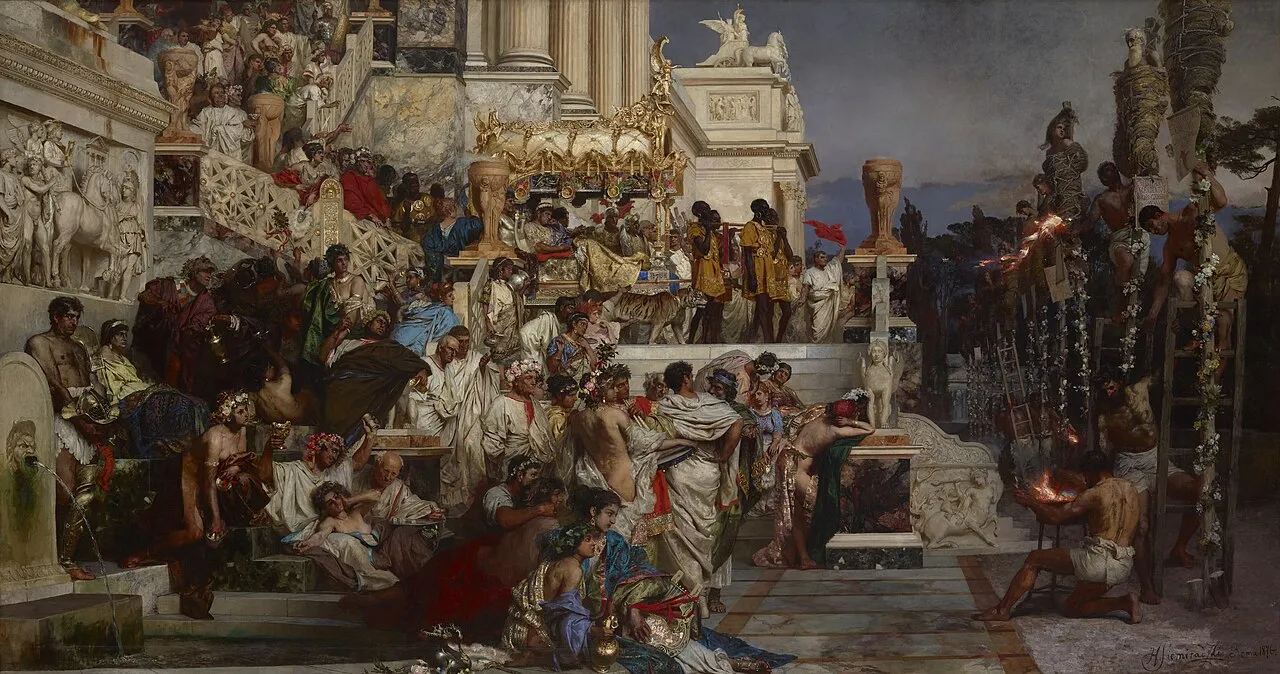
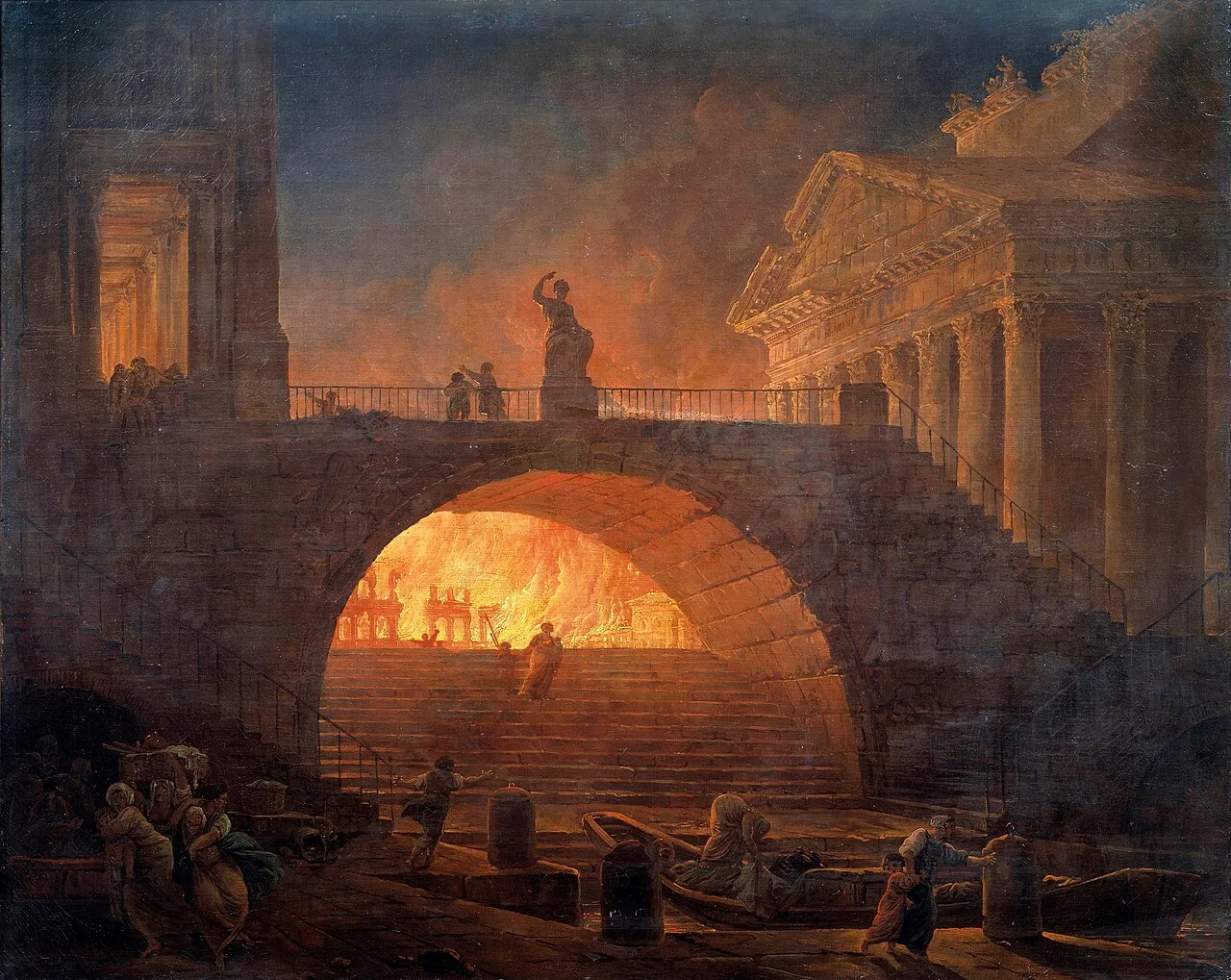
La notte del 18 luglio 64 d.C. scoppiò nelle botteghe presso il Circo Massimo il Grande Incendio, il più devastante della storia romana. Per nove giorni le fiamme bruciarono dieci dei quattordici rioni della città : tre completamente distrutti, sette gravemente danneggiati. Migliaia di morti, decine di migliaia di senzatetto. Nerone non era a Roma; era ad Anzio. Quando arrivò la notizia corse indietro, organizzò soccorsi, aprì le proprie ville al popolo, distribuì grano a prezzo politico, fece costruire baracche temporanee. Ma l'opinione pubblica già sospettosa cominciò a dire che era stato lui ad appiccare l'incendio, e che mentre Roma bruciava aveva cantato dall'alto della torre di Mecenate i versi della Caduta di Troia. La leggenda è quasi sicuramente falsa, le fonti più antiche tacciono, ma rimase incollata al suo nome.
On the night of 18 July 64 AD, the Great Fire, the most devastating in Roman history, broke out in the shops near the Circus Maximus. For nine days the flames burned ten of the city's fourteen districts: three completely destroyed, seven gravely damaged. Thousands of dead, tens of thousands homeless. Nero was not in Rome; he was at Antium. When word reached him, he hurried back, organised relief, opened his villas to the people, distributed grain at controlled prices, had temporary barracks built. But the already suspicious public began to say that he had set the fire himself, and that while Rome burned he had sung from the top of Maecenas's tower the verses of the Fall of Troy. The legend is almost certainly false, the earliest sources are silent, but it stuck to his name forever.
La voce divenne pericolosa: serviva un capro espiatorio. Nerone scelse i cristiani, una piccola setta giudaica già sospetta di "odio del genere umano". Tacito, anni dopo, descrisse la persecuzione con dettagli atroci: i fedeli furono cuciti dentro pelli di animali e gettati ai cani, oppure crocifissi, oppure trasformati in torce viventi nei giardini imperiali del Vaticano. Era una violenza spettacolare che non convinse nessuno: persino Tacito, ostile ai cristiani, scrisse che il popolo provò pietà per le vittime "non per causa pubblica, ma per crudeltà di un singolo". Tradizionalmente, sotto questa persecuzione caddero martiri sia San Pietro, crocifisso a testa in giù nel circo Vaticano, sia San Paolo, decapitato sulla via Laurentina. Nerone diventò così il primo grande nemico del cristianesimo, e nei testi cristiani successivi si trasformò nell'Anticristo: fu identificato col 666 dell'Apocalisse di Giovanni, il numero della Bestia.
The rumour became dangerous: a scapegoat was needed. Nero chose the Christians, a small Jewish sect already suspected of "hatred of the human race". Tacitus, years later, described the persecution with terrible detail: believers were sewn inside animal skins and thrown to dogs, or crucified, or turned into living torches in the imperial Vatican gardens. It was spectacular violence that convinced no one: even Tacitus, hostile to Christians, wrote that the people pitied the victims "not for public cause, but out of one man's cruelty". By tradition, both Saint Peter, crucified upside down in the Vatican circus, and Saint Paul, beheaded on the Via Laurentina, fell martyrs under this persecution. Nero thus became the first great enemy of Christianity, and in later Christian texts was transformed into the Antichrist: he was identified with the 666 of John's Apocalypse, the number of the Beast.
Sulle macerie ancora calde, Nerone cominciò a costruire il suo sogno: la Domus Aurea, la "Casa d'Oro". Cinquanta ettari nel cuore di Roma, fra il Palatino, l'Esquilino e il Celio, occupati da un immenso parco con un lago artificiale (lì dove sarebbe sorto il Colosseo), boschi, vigneti, animali esotici. Al centro il palazzo: lungo trecento metri, decorato con stucchi, affreschi, marmi rari, soffitti girevoli che spargevano fiori e profumi sui commensali, una sala ottagonale con cupola la cui volta girò per la prima volta nell'architettura romana. Davanti al vestibolo, una statua colossale di Nerone alta trenta metri, opera dello scultore Zenodoro, rappresentava l'imperatore come dio Sole. Quando il palazzo fu finito, sembra che Nerone, attraversando le sale, abbia esclamato: « quasi tandem habitare coepi», "finalmente comincio ad abitare come un uomo". Era la cifra del personaggio.
On the still-hot ruins, Nero began building his dream: the Domus Aurea, the "Golden House". Fifty hectares in the heart of Rome, between the Palatine, Esquiline and Caelian, occupied by an immense park with an artificial lake (where the Colosseum would later rise), woods, vineyards, exotic animals. At the centre the palace: three hundred metres long, decorated with stucco, frescoes, rare marbles, revolving ceilings that scattered flowers and perfumes on the diners, an octagonal hall with a dome whose vault revolved for the first time in Roman architecture. In front of the vestibule, a colossal statue of Nero, thirty metres tall, by the sculptor Zenodorus, depicted the emperor as the Sun god. When the palace was finished, Nero is said to have crossed the halls and exclaimed: « quasi tandem habitare coepi», "at last I begin to live like a man". It was the cipher of the character.
« Roma ha una sola casa, ed è cosa più vasta della città » . « Rome is becoming a single house; flee to Veii, citizens, unless that house too has overtaken Veii» . Svetonio, Vita di Nerone 39 (graffito popolare)
La caduta dell'artista (65–68 d.C.)
The fall of the artist (65–68 AD)
Nel 65 d.C. la nobiltà senatoria, schiacciata fra le tasse della ricostruzione e il terrore dei processi politici, organizzò una congiura per uccidere Nerone e mettere al suo posto Gaio Calpurnio Pisone, senatore amabile e mediocre. La Congiura dei Pisoni coinvolse oltre quaranta persone, fra cui senatori, cavalieri, ufficiali pretoriani, intellettuali. Fu scoperta per il tradimento di un liberto. La repressione fu spaventosa: morti per esecuzione o suicidio forzato sia Pisone, sia il poeta Lucano (nipote di Seneca, autore della Pharsalia), sia il romanziere Petronio (autore del Satyricon), sia, piuttosto pretestuosamente coinvolto, Seneca stesso. Il vecchio filosofo si tagliò le vene in casa, recitando agli amici, secondo Tacito, le sue ultime massime stoiche e dedicando la propria morte alla libertà . Nerone aveva ventotto anni e aveva ucciso il proprio maestro.
In 65 AD the senatorial nobility, crushed between reconstruction taxes and the terror of political trials, organised a conspiracy to kill Nero and put in his place Gaius Calpurnius Piso, an amiable and mediocre senator. The Pisonian Conspiracy involved over forty people, including senators, equestrians, praetorian officers and intellectuals. It was uncovered through the betrayal of a freedman. The repression was appalling: dead by execution or forced suicide were Piso himself, the poet Lucan (Seneca's nephew, author of the Pharsalia), the novelist Petronius (author of the Satyricon), and, rather contrivedly implicated, Seneca himself. The old philosopher cut his veins at home, reciting to his friends, according to Tacitus, his final Stoic maxims and dedicating his death to liberty. Nero was twenty-eight and had killed his own teacher.
Nel 66 d.C. arrivò trionfalmente a Roma Tiridate con tremila cavalieri partici per essere incoronato re d'Armenia: lo spettacolo durò nove mesi, costò oltre duecento milioni di sesterzi e svuotò le casse pubbliche, già dissestate dalla ricostruzione di Roma. Pochi mesi dopo, in Giudea, scoppiò la rivolta giudaica: Nerone affidò le legioni d'Oriente al figlio di un oscuro provinciale di nome Tito Flavio Vespasiano, scelta apparentemente innocua che la storia avrebbe ribaltato. Nerone stesso, ormai disinteressato dell'amministrazione, partì per la Grecia con un seguito di seimila persone: cantanti, attori, sacerdoti, ballerini. Per quindici mesi gareggiò nei festival panellenici (Olimpia, Delfi, Nemea, Istmia) e, come prevedibile, vinse milleottocentotto corone, anche le gare cui non poteva partecipare per qualche difetto di nascita o anagrafico. Era ridicolo e insieme grandioso: l'imperatore di Roma esibiva la corona panellenica come più alta dignità del mondo.
In 66 AD Tiridates arrived in Rome in triumph with three thousand Parthian horsemen to be crowned king of Armenia: the spectacle lasted nine months, cost over two hundred million sesterces and emptied the public coffers, already wrecked by Rome's reconstruction. A few months later, in Judea, the Jewish revolt broke out: Nero entrusted the eastern legions to the son of an obscure provincial named Titus Flavius Vespasian, an apparently harmless choice that history would overturn. Nero himself, by now indifferent to administration, left for Greece with a retinue of six thousand people: singers, actors, priests, dancers. For fifteen months he competed in the panhellenic festivals (Olympia, Delphi, Nemea, Isthmia) and, predictably, won one thousand eight hundred and eight crowns, even in events he could not enter for some birth or registry defect. It was ridiculous and grandiose at once: the emperor of Rome flaunted the panhellenic crown as the world's highest dignity.
Mentre era in Grecia, l'Italia tremava per le tasse e il malumore montava nelle province. Gaio Giulio Vindice, nobile gallo-romano governatore della Lugdunense, si rivoltò nella primavera del 68 d.C. Le sue truppe non erano molte, ma il suo manifesto contro Nerone ("tiranno, cantante, matricida, incendiario") circolò nelle altre province. Nerone, tornato a Roma, sottovalutò la crisi: continuò a esibirsi al Palatino, scrisse poemi sulla rivolta, addestrò un reggimento di cavalieri scelti per portarli in scena come delfini di guerra. Vindice fu sconfitto a Vesonzio dal collega Verginio Rufo, ma la rivolta già aveva ispirato altri: in Spagna Servio Sulpicio Galba, governatore della Tarraconense, settantun anni, si fece proclamare imperatore dalle proprie legioni.
While he was in Greece, Italy trembled under taxation and discontent rose in the provinces. Gaius Julius Vindex, Gallo-Roman noble governor of Lugdunensis, rose in revolt in the spring of 68 AD. His troops were few, but his manifesto against Nero ("tyrant, singer, matricide, arsonist") circulated in other provinces. Nero, back in Rome, underestimated the crisis: he kept performing on the Palatine, wrote poems about the revolt, drilled a regiment of select horsemen to bring on stage as war dolphins. Vindex was defeated at Vesontio by his colleague Verginius Rufus, but the revolt had already inspired others: in Spain Servius Sulpicius Galba, governor of Tarraconensis, seventy-one years old, had himself proclaimed emperor by his own legions.
Tutto crollò in pochi giorni. La Guardia Pretoriana di Tigellino, comprata con un donativo, abbandonò il sovrano. Il Senato, riunito in segreto, dichiarò Nerone hostis publicus, "nemico pubblico", e lo condannò alla pena tradizionale dei traditori della patria: il more maiorum: spogliato, legato a una forca, frustato a morte con verghe. Nerone, fuggito dal Palatino notte tempo con quattro liberti fedeli, si rifugiò nella villa di uno di loro, Faonte, lungo la via Salaria. Lì trascorse le sue ultime ore aspettando i sicari, recitando versi greci, esitando a darsi la morte. Quando sentì il rumore degli zoccoli dei cavalieri che lo cercavano, si fece aiutare dal segretario Epafrodito a piantarsi un pugnale in gola. Le sue ultime parole, secondo Svetonio: « Qualis artifex pereo!», "Quale artista muore con me!". Era il 9 giugno del 68 d.C., aveva trent'anni e sei mesi, regnava da quattordici anni.
Everything collapsed in a few days. Tigellinus's Praetorian Guard, bought off with a donative, abandoned the sovereign. The Senate, meeting in secret, declared Nero hostis publicus, "public enemy", and condemned him to the traditional penalty for traitors to the fatherland: the more maiorum: stripped, tied to a fork, flogged to death with rods. Nero, fleeing the Palatine by night with four faithful freedmen, took refuge in the villa of one of them, Phaon, along the Via Salaria. There he spent his last hours awaiting the assassins, reciting Greek verses, hesitating to take his life. When he heard the hoofbeats of the cavalry searching for him, he had his secretary Epaphroditus help him drive a dagger into his throat. His last words, according to Suetonius: « Qualis artifex pereo!», "What an artist dies in me!". It was 9 June 68 AD; he was thirty years and six months old; he had reigned fourteen years.
Con lui morì la dinastia Giulio-Claudia, la stirpe diretta di Augusto e di Cesare. Il suo corpo fu cremato e le ceneri deposte nel mausoleo dei Domizi sul Monte Pincio. Per anni le donne del popolo lo piansero come un benefattore e ornarono di fiori la sua tomba. Cominciava nel frattempo l'anno dei quattro imperatori: Galba, Otone, Vitellio, Vespasiano. Tacito avrebbe scritto che con Nerone era stato « svelato il segreto dell'Impero: che un imperatore poteva essere fatto altrove che a Roma» . Era il vero, spaventoso lascito politico del cantore.
With him died the Julio-Claudian dynasty, the direct line of Augustus and Caesar. His body was cremated and his ashes deposited in the Domitii's mausoleum on the Pincian Hill. For years women of the common people mourned him as a benefactor and decorated his tomb with flowers. Meanwhile began the Year of the Four Emperors: Galba, Otho, Vitellius, Vespasian. Tacitus would write that Nero had « laid bare the secret of the Empire: that an emperor could be made elsewhere than in Rome» . It was the true, terrifying political legacy of the singer.
02Battaglie e Campagne MilitariBattles and Military Campaigns
Nerone non comandò mai un esercito di persona. La sua attività militare passa attraverso tre teatri delegati a comandanti di altissimo livello: l'Armenia con Corbulone (vittoria diplomatica e mezzo secolo di pace con la Partia), la Britannia con Svetonio Paolino (rivolta di Boudicca repressa contro un esercito dieci volte superiore), la Giudea con Vespasiano (che ereditò la guerra che avrebbe vinto da imperatore). Tre fronti diversi, ognuno con un esito che lo sopravvisse: la pace partica per cinquant'anni, la pacificazione britannica per quarant'anni, la distruzione di Gerusalemme nel 70 d.C.
Nero never personally commanded an army. His military activity passes through three theatres delegated to top-level commanders: Armenia with Corbulo (diplomatic victory and half a century of peace with Parthia), Britain with Suetonius Paulinus (the revolt of Boudicca crushed against an army ten times superior), Judea with Vespasian (who inherited the war he would later win as emperor). Three different fronts, each with an outcome that outlived him: Parthian peace for fifty years, British pacification for forty years, the destruction of Jerusalem in 70 AD.
- 55–63 d.C. Guerra romano-partica per l'Armenia — Il conflitto più importante del regno. Il generale Gneo Domizio Corbulone conduce una brillante campagna contro i Parti per il controllo dell'Armenia. Dopo alterne vicende, si giunge a un compromesso: Tiridate, principe partico, regna sull'Armenia ma riceve la corona da Nerone a Roma. Roman-Parthian War for Armenia — The most important conflict of the reign. General Gnaeus Domitius Corbulo conducts a brilliant campaign against the Parthians for control of Armenia. After shifting fortunes, a compromise is reached: Tiridates, a Parthian prince, rules Armenia but receives his crown from Nero in Rome.
- 58 d.C. Conquista di Artaxata — Corbulone conquista e distrugge Artaxata, la capitale armena, costringendo il re partico Tiridate alla fuga. Una vittoria che dimostra la superiorità tattica romana. Conquest of Artaxata — Corbulo conquers and destroys Artaxata, the Armenian capital, forcing the Parthian king Tiridates to flee. A victory demonstrating Roman tactical superiority.
- 59 d.C. Presa di Tigranocerta — Corbulone avanza e prende Tigranocerta, la seconda capitale armena. Nerone insedia Tigrane VI come re cliente di Roma. Capture of Tigranocerta — Corbulo advances and takes Tigranocerta, the second Armenian capital. Nero installs Tigranes VI as Rome's client king.
- 60–61 d.C. Rivolta di Boudicca in Britannia — La regina degli Iceni guida una devastante rivolta che distrugge Camulodunum, Londinium e Verulamium, uccidendo circa 70.000 romani e alleati. Il governatore Svetonio Paolino la sconfigge nella Battaglia di Watling Street con forze nettamente inferiori. Boudica's revolt in Britain — The queen of the Iceni leads a devastating revolt that destroys Camulodunum, Londinium and Verulamium, killing approximately 70,000 Romans and allies. Governor Suetonius Paulinus defeats her at the Battle of Watling Street with vastly outnumbered forces.
- 62 d.C. Disastro di Rhandeia — Il legato Cesennio Peto subisce una umiliante sconfitta a Rhandeia in Armenia, costretto a passare sotto il giogo partico. L'unico grande rovescio militare del regno, che porterà al richiamo di Corbulone. Disaster of Rhandeia — Legate Caesennius Paetus suffers a humiliating defeat at Rhandeia in Armenia, forced to pass under the Parthian yoke. The only major military setback of the reign, leading to Corbulo's recall.
- 66–73 d.C. Prima Guerra Giudaica (inizio) — La Giudea si rivolta contro Roma nel 66 d.C. Nerone invia il generale Vespasiano con tre legioni. La guerra proseguirà sotto Vespasiano e Tito, culminando nella distruzione del Tempio di Gerusalemme nel 70 d.C. First Jewish-Roman War (beginning) — Judea revolts against Rome in 66 AD. Nero sends general Vespasian with three legions. The war would continue under Vespasian and Titus, culminating in the destruction of the Temple of Jerusalem in 70 AD.
- 68 d.C. Rivolta di Vindice e Galba — Gaio Giulio Vindice, governatore della Gallia Lugdunense, si rivolta contro Nerone. Sebbene sconfitto, la rivolta incoraggia Galba in Spagna a proclamarsi imperatore. La Guardia Pretoriana abbandona Nerone, che è dichiarato nemico pubblico dal Senato. Revolt of Vindex and Galba — Gaius Julius Vindex, governor of Gallia Lugdunensis, revolts against Nero. Though defeated, the revolt encourages Galba in Spain to proclaim himself emperor. The Praetorian Guard abandons Nero, who is declared a public enemy by the Senate.
03Riforme e Leggi FondamentaliKey Reforms and Laws
- 54–59 d.C. Quinquennium Neronis — I cinque anni d'oro sotto la guida di Seneca e Burro. Riduzione delle tasse, clemenza verso i condannati, rispetto formale per il Senato, riforme giudiziarie che limitano i poteri degli avvocati corrotti. Un periodo così ben governato che Traiano lo lodò come modello. Quinquennium Neronis — The golden five years under Seneca and Burrus's guidance. Tax reductions, clemency toward the condemned, formal respect for the Senate, judicial reforms limiting the powers of corrupt lawyers. A period so well governed that Trajan praised it as a model.
- 58 d.C. Riforma fiscale — Nerone tenta di abolire tutte le imposte indirette (vectigalia), una riforma radicale che avrebbe rivoluzionato il sistema fiscale romano. Il Senato lo dissuade per ragioni pratiche, ma riesce comunque a ridurre i dazi doganali dal 5% al 2,5%. Tax reform — Nero attempts to abolish all indirect taxes (vectigalia), a radical reform that would have revolutionized the Roman tax system. The Senate dissuades him for practical reasons, but he still manages to reduce customs duties from 5% to 2.5%.
- 64 d.C. Norme edilizie post-incendio — Dopo il Grande Incendio, Nerone impone rivoluzionarie norme edilizie: strade più larghe, portici obbligatori, limiti di altezza per gli edifici, uso della pietra vulcanica ignifuga al posto del legno, cortili aperti. Roma viene ricostruita in modo più sicuro e razionale. Post-fire building codes — After the Great Fire, Nero imposes revolutionary building codes: wider streets, mandatory porticos, height limits for buildings, use of fireproof volcanic stone instead of wood, open courtyards. Rome is rebuilt in a safer and more rational manner.
- 64 d.C. Svalutazione monetaria — Riduce il contenuto d'argento del denario dal 98% al 93,5% e il peso dell'aureo. Una riforma monetaria pragmatica che permetterà di finanziare la ricostruzione di Roma, ma che stabilisce un precedente pericoloso di svalutazione. Monetary devaluation — Reduces the silver content of the denarius from 98% to 93.5% and the weight of the aureus. A pragmatic monetary reform that would finance Rome's reconstruction, but establishes a dangerous precedent of devaluation.
- 65 d.C. Persecuzione dei cristiani — Dopo l'incendio, Nerone accusa i cristiani e scatena la prima persecuzione sistematica. Secondo la tradizione, sia San Pietro che San Paolo muoiono martiri a Roma durante questo periodo. Una svolta nella storia del cristianesimo. Persecution of Christians — After the fire, Nero blames the Christians and unleashes the first systematic persecution. According to tradition, both Saint Peter and Saint Paul are martyred in Rome during this period. A turning point in the history of Christianity.
- 66 d.C. Incoronazione di Tiridate — La soluzione diplomatica alla questione armena: Tiridate viene a Roma e riceve la corona direttamente da Nerone in una cerimonia spettacolare nel Foro. Un compromesso che garantirà 50 anni di pace con la Partia. Coronation of Tiridates — The diplomatic solution to the Armenian question: Tiridates comes to Rome and receives his crown directly from Nero in a spectacular ceremony in the Forum. A compromise that would guarantee 50 years of peace with Parthia.
04Opere e CostruzioniWorks and Constructions
- 64–68 d.C. Domus Aurea — Il colossale palazzo di Nerone, costruito sulle rovine dell'incendio. Un complesso di circa 50 ettari nel cuore di Roma con un lago artificiale (dove poi sorgerà il Colosseo), una statua colossale di Nerone alta 30 metri, sale da banchetto con soffitti girevoli che spargevano petali, pareti ricoperte d'oro e gemme. L'architetto Severo e l'ingegnere Celere crearono un capolavoro di ingegneria. Domus Aurea — Nero's colossal palace, built on the ruins of the fire. A complex of approximately 50 hectares in the heart of Rome with an artificial lake (where the Colosseum would later rise), a 30-meter-tall colossal statue of Nero, banquet halls with revolving ceilings that scattered petals, walls covered in gold and gems. Architect Severus and engineer Celer created an engineering masterpiece.
- 64 d.C. Ricostruzione di Roma — Dopo il Grande Incendio, Nerone finanzia una ricostruzione sistematica della città con nuove norme urbanistiche. Le nuove strade sono più larghe e rettilinee, gli edifici in pietra con portici protettivi. La Roma post-incendio è una città più moderna e sicura. Reconstruction of Rome — After the Great Fire, Nero finances a systematic reconstruction of the city with new urban planning standards. The new streets are wider and straighter, buildings are in stone with protective porticos. Post-fire Rome is a more modern and safer city.
- 60 d.C. Terme di Nerone — Le prime grandi terme pubbliche di Roma sul Campo Marzio, che stabiliscono il modello per le future terme imperiali (Tito, Traiano, Caracalla). Un edificio innovativo con palestra, giardini e biblioteca. Baths of Nero — The first great public baths of Rome on the Campus Martius, establishing the model for future imperial baths (Titus, Trajan, Caracalla). An innovative building with gymnasium, gardens and library.
- 62 d.C. Ginnasio e Neronia — Costruisce un ginnasio alla greca e istituisce i Neronia, giochi quinquennali con gare di musica, poesia e atletica sul modello greco. Un tentativo di ellenizzare la cultura romana, molto criticato dai tradizionalisti. Gymnasium and Neronia — Builds a Greek-style gymnasium and establishes the Neronia, quinquennial games with competitions in music, poetry and athletics in the Greek model. An attempt to Hellenize Roman culture, heavily criticized by traditionalists.
- 67 d.C. Canale di Corinto (tentativo) — Nerone tenta di tagliare l'Istmo di Corinto con un canale, un progetto che sarà realizzato solo nel XIX secolo. Inizia personalmente i lavori con un piccone d'oro. I lavori vengono abbandonati dopo la rivolta del 68 d.C. Corinth Canal (attempt) — Nero attempts to cut through the Isthmus of Corinth with a canal, a project that would only be realized in the 19th century. He personally begins the work with a golden pickaxe. The works are abandoned after the revolt of 68 AD.
- 65 d.C. Porto di Ostia (ampliamento) — Continua l'opera di Claudio ampliando il porto di Ostia con nuovi magazzini e infrastrutture per garantire l'approvvigionamento di grano a Roma dopo l'incendio. Port of Ostia (expansion) — Continues Claudius's work by expanding the port of Ostia with new warehouses and infrastructure to ensure Rome's grain supply after the fire.
05Eredità e Giudizio StoricoLegacy and Historical Judgement
La condanna delle fonti
The verdict of the sources
La fortuna storica di Nerone è stata schiacciata dal peso di tre testimoni implacabili: Tacito, Svetonio e Cassio Dione. Tutti e tre scrivono in età flavia o antonina, sotto dinastie che dovevano legittimarsi proprio contro la memoria del cantore: il loro Nerone è il tiranno per definizione, lo specchio nero da cui ogni nuovo principe poteva distinguersi. Tacito, in particolare, lo costruisce con sapienza letteraria: ogni delitto è un climax, ogni discorso pubblico è ironicamente smentito dai fatti, ogni gesto artistico è descritto con disprezzo. La damnatio memoriae votata dal Senato (le statue distrutte, i nomi cancellati) consegnò al posteri solo un lato del personaggio.
Nero's historical fortune has been crushed by the weight of three implacable witnesses: Tacitus, Suetonius and Cassius Dio. All three write under the Flavian or Antonine dynasties, which had to legitimise themselves against the memory of the singer: their Nero is the tyrant by definition, the black mirror from which every new prince could distinguish himself. Tacitus, in particular, builds him with literary skill: every crime is a climax, every public speech is ironically belied by events, every artistic gesture is described with contempt. The damnatio memoriae voted by the Senate (statues destroyed, names erased) left posterity only one side of the character.
Ma c'era un'altra Roma: quella delle classi popolari urbane, che ricordavano la riduzione delle tasse, la generosità del giovane principe, gli spettacoli grandiosi, l'imperatore che almeno mostrava la sua passione invece di nascondersi dietro una facciata. Per anni dopo la sua morte le donne ornarono di fiori la tomba sul Pincio; nei secoli successivi tre Falsi Neroni, cantori somiglianti a lui, comparvero in Oriente, raccolsero seguaci, furono uccisi dalle autorità . La leggenda del Nero Redivivus, l'imperatore che sarebbe tornato per vendicarsi, sopravvisse fino al III secolo: pochi imperatori romani ebbero un mito tanto resistente.
But there was another Rome: that of the urban lower classes, who remembered the tax reductions, the young prince's generosity, the grandiose spectacles, an emperor who at least showed his passion instead of hiding behind a facade. For years after his death women decorated the Pincian tomb with flowers; in the following centuries three False Neros, singers resembling him, appeared in the East, gathered followers, were killed by the authorities. The legend of Nero Redivivus, the emperor who would return to take revenge, survived until the 3rd century: few Roman emperors had so resilient a myth.
L'Anticristo dei cristiani
Antichrist of the Christians
Per la giovane chiesa cristiana, Nerone fu l'archetipo del persecutore, il primo e il modello di tutti i successivi. La tradizione lo accusa di aver fatto crocifiggere Pietro a testa in giù nel circo Vaticano e di aver fatto decapitare Paolo sulla via Laurentina; sotto la sua basilica oggi, secondo gli scavi, riposano effettivamente le ossa di un uomo del I secolo che la Chiesa identifica con l'apostolo. La sua persecuzione fu locale e di breve durata, ma la memoria diventò cosmica: nell'Apocalisse di Giovanni, scritta probabilmente sotto Domiziano, la « Bestia il cui numero è il numero di un uomo: 666» viene tradizionalmente decifrata come la trasposizione numerica di "Caesar Neron" in lettere ebraiche. Per quasi due millenni i cristiani avrebbero proiettato su Nerone il volto del male assoluto.
For the young Christian church, Nero was the archetype of the persecutor, the first and model of all those who would follow. Tradition accuses him of crucifying Peter upside down in the Vatican circus and beheading Paul on the Via Laurentina; beneath his basilica today, according to excavation, rest the bones of a 1st-century man whom the Church identifies with the apostle. His persecution was local and brief, but the memory became cosmic: in John's Apocalypse, probably written under Domitian, the « Beast whose number is the number of a man: 666» is traditionally decoded as the numerical transposition of "Caesar Neron" in Hebrew letters. For almost two millennia Christians would project onto Nero the face of absolute evil.
L'imperatore artista
The artist-emperor
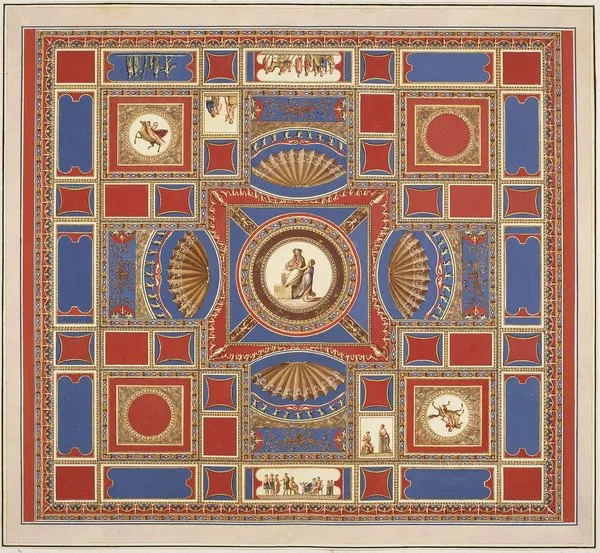
Sul piano culturale Nerone è un caso unico in tutta la storia romana: un sovrano che voleva essere riconosciuto come artista. Il suo amore per la cithara, per la poesia ellenistica, per il teatro greco non era pose ma autentica vocazione. Gli storici tradizionalisti, Tacito in primis, lo trattarono come segno di degenerazione orientale; oggi gli archeologi ne riconoscono l'effetto: i Neronia portarono per la prima volta a Roma una cultura agonistica e musicale ellenizzante; la Domus Aurea, ritrovata in gran parte sotto le terme di Traiano, mostrò al Rinascimento decorazioni così libere e fantastiche da generare un nuovo termine: grottesco, dalle "grotte" sotterranee in cui si trovavano. Raffaello e i suoi allievi le copiarono nelle Logge Vaticane.
On the cultural plane Nero is a unique case in all of Roman history: a ruler who wanted to be recognised as an artist. His love for the cithara, Hellenistic poetry, Greek theatre was no pose but genuine vocation. Traditionalist historians, Tacitus first among them, treated this as a sign of oriental degeneracy; today archaeologists recognise its effect: the Neronia brought to Rome for the first time a Hellenising agonistic and musical culture; the Domus Aurea, rediscovered in great part beneath the Baths of Trajan, showed the Renaissance such free and fantastic decorations that they generated a new term: grottesco, from the underground "grottoes" where they were found. Raphael and his pupils copied them in the Vatican Loggias.
Anche sul piano letterario Nerone fu un mecenate involontario di proporzioni enormi. Sotto di lui scrissero Seneca le Lettere a Lucilio e le tragedie; Lucano il poema epico anti-cesariano Pharsalia, aspra revisione della guerra civile fra Cesare e Pompeo, che gli costò la testa; Petronio, "arbitro dell'eleganza" alla corte, il Satyricon, primo grande romanzo della letteratura europea. Persino lo storico ufficiale Plinio il Vecchio cominciò sotto di lui i propri lavori. Era una stagione letteraria piena, distrutta proprio dal terrore neroniano.
On the literary plane too Nero was an involuntary patron of enormous proportions. Under him Seneca wrote the Letters to Lucilius and the tragedies; Lucan the anti-Caesarian epic Pharsalia, a bitter revision of the civil war between Caesar and Pompey, which cost him his head; Petronius, "arbiter of elegance" at court, wrote the Satyricon, the first great novel of European literature. Even the official historian Pliny the Elder began his work under him. It was a full literary season, destroyed by the very Neronian terror.
Il segreto svelato
The secret revealed
La conseguenza politica della morte di Nerone fu più profonda di qualunque crimine: aveva chiuso la dinastia Giulio-Claudia, la sola che vantasse il sangue diretto di Augusto. Per la prima volta dal 27 a.C. l'Impero era senza un Cesare di sangue. La domanda che Augusto aveva tenuto sotto controllo per quarant'anni (chi può comandare?) tornava al centro: e la risposta non era più "il discendente del divo Giulio", ma "chi controlla più legioni". Nei dodici mesi successivi quattro generali si dichiararono imperatori: Galba in Spagna, Otone a Roma, Vitellio sul Reno, Vespasiano in Giudea. Il vincitore, Vespasiano, fondò la dinastia Flavia. Ma il principio era cambiato per sempre.
The political consequence of Nero's death ran deeper than any crime: he had closed the Julio-Claudian dynasty, the only one boasting the direct blood of Augustus. For the first time since 27 BC the Empire was without a Caesar by blood. The question Augustus had kept under control for forty years (who may command?) returned to centre stage: and the answer was no longer "the descendant of the divine Julius", but "whoever controls the most legions". In the next twelve months four generals declared themselves emperors: Galba in Spain, Otho at Rome, Vitellius on the Rhine, Vespasian in Judea. The victor, Vespasian, founded the Flavian dynasty. But the principle had changed forever.
Tacito coniò per quel passaggio una formula che sarebbe rimasta proverbiale: « evulgato imperii arcano: posse principem alibi quam Romae fieri» — "fu svelato il segreto dell'Impero: che un imperatore poteva nascere altrove che a Roma". Da quel momento in poi, per quattrocento anni, qualsiasi comandante con l'appoggio delle proprie legioni avrebbe potuto rivendicare il trono. Le grandi crisi del III secolo (gli imperatori-soldato, i ventisei pretendenti in cinquant'anni) erano già scritte nel suicidio del cantore lungo la via Salaria.
Tacitus coined for that turning point a formula that would become proverbial: « evulgato imperii arcano: posse principem alibi quam Romae fieri» — "the secret of empire had been revealed: that an emperor could be made elsewhere than in Rome". From that moment on, for four hundred years, any commander backed by his own legions could claim the throne. The great crises of the 3rd century (the soldier-emperors, the twenty-six claimants in fifty years) were already written in the singer's suicide along the Via Salaria.
Duemila anni dopo
Two thousand years later
Nessun imperatore romano ha avuto una fortuna popolare paragonabile a quella di Nerone. Le tragedie di Monteverdi (L'incoronazione di Poppea, 1642), Racine, Stendhal, Dumas, Quo Vadis di Sienkiewicz, decine di film hollywoodiani, da Peter Ustinov a Klaus Maria Brandauer, lo hanno reinventato sempre come la quintessenza della tirannia estetizzante. Il suo nome è passato nel linguaggio comune (« essere un Nerone» , « come Nerone che suona la lira mentre Roma brucia»), è diventato l'archetipo dell'arte folle al potere. Eppure ogni generazione di storici ne ha riscoperto qualcosa: l'amministratore moderato del quinquennio, il riformatore urbanistico dopo l'incendio, il diplomatico paziente nel compromesso armeno, l'ammiratore della Grecia in un mondo che diventava ellenistico anche senza saperlo.
No Roman emperor has had a popular fortune comparable to Nero's. The tragedies of Monteverdi (The Coronation of Poppaea, 1642), Racine, Stendhal, Dumas, Sienkiewicz's Quo Vadis, dozens of Hollywood films, from Peter Ustinov to Klaus Maria Brandauer, have always reinvented him as the quintessence of aestheticised tyranny. His name has entered common speech (« to be a Nero» , « like Nero playing the lyre while Rome burns»), become the archetype of mad art in power. And yet each generation of historians has rediscovered something: the moderate administrator of the quinquennium, the post-fire urban reformer, the patient diplomat in the Armenian compromise, the admirer of Greece in a world that was becoming Hellenistic even without realising it.
Forse il più giusto epitaffio è il suo stesso, contraffatto e sublime: « Qualis artifex pereo!». Era stato attore di se stesso fino all'ultimo respiro, e, come ogni grande attore, aveva commesso il suo errore fatale credendo che la scena coincidesse con la realtà . Ma la sua maschera continuò a vivere nella memoria di Roma e del mondo: temuta, derisa, copiata, immortale. Quando, secoli dopo, l'imperatore Traiano ricordò con apparente paradosso il suo "buon" quinquennio, riconosceva ciò che gli sarebbe rimasto più difficile da ammettere: che persino il peggiore dei sovrani aveva, almeno una volta, ben governato.
Perhaps the most just epitaph is his own, counterfeit and sublime: « Qualis artifex pereo!». He had been the actor of himself to his last breath, and, like every great actor, had committed his fatal error in believing that the stage coincided with reality. But his mask went on living in the memory of Rome and the world: feared, derided, copied, immortal. When centuries later the emperor Trajan recalled with apparent paradox his "good" quinquennium, he was acknowledging what he would find hardest to admit: that even the worst of sovereigns had, at least once, ruled well.