01L'Adolescente che Radunò un EsercitoThe Teenager Who Raised an Army
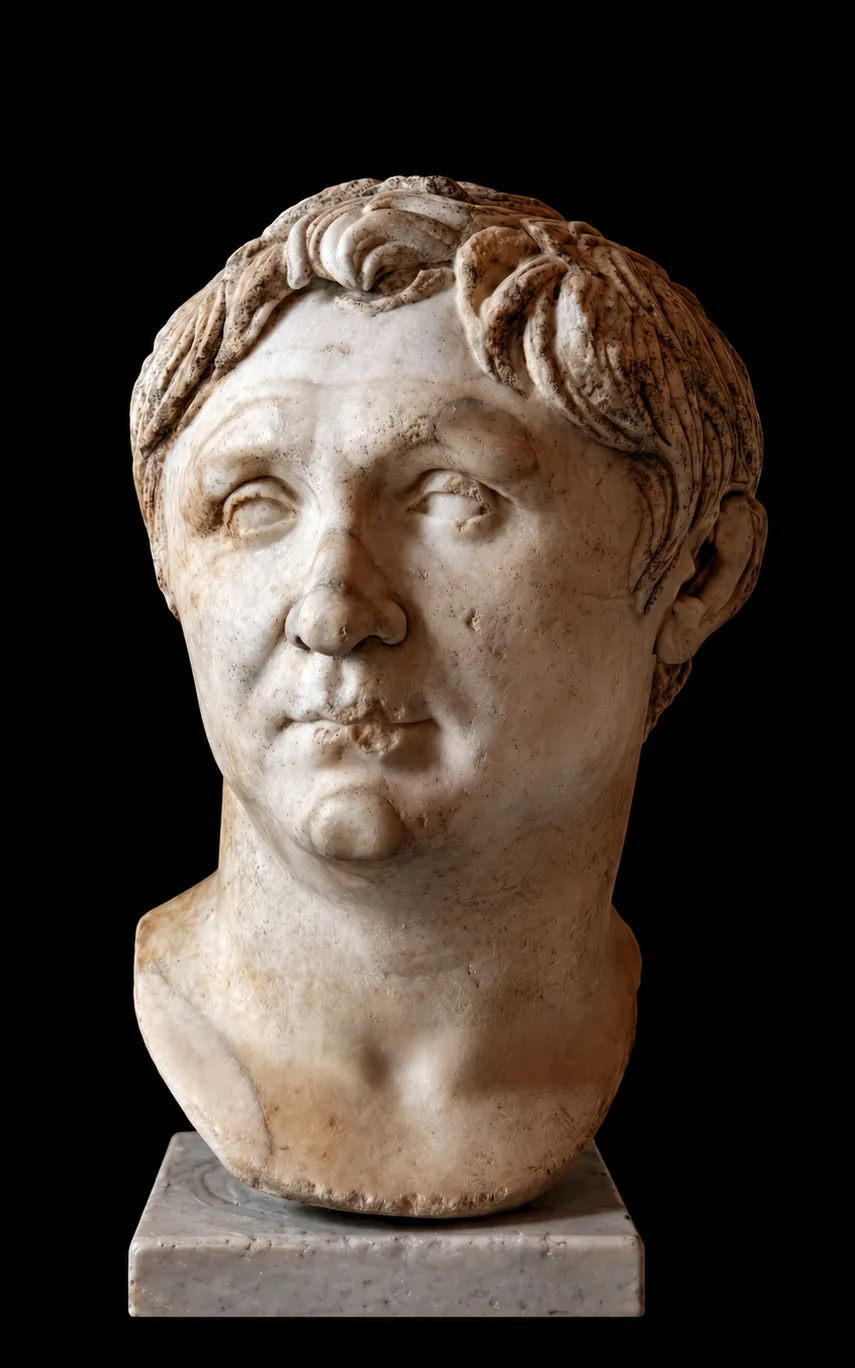
Gneo Pompeo nacque il 29 settembre del 106 a.C. nel Picenum, lungo il versante adriatico dell'Italia centrale, da una ricca famiglia equestre che in quella terra possedeva sterminati latifondi e una clientela armata e fedelissima. Suo padre, Gneo Pompeo Strabone, era un generale di prim'ordine ma di indole oscura e avida, odiato dal popolo e diffidato da entrambe le fazioni che dilaniavano Roma, quella di Mario e quella di Silla. Quando una pestilenza (o, secondo alcuni, un fulmine) lo portò via nell'87 a.C., lasciò al figlio diciassettenne tre eredità che ne avrebbero deciso il destino: un patrimonio immenso, tre legioni di veterani piceni votati al nome dei Pompei, e l'ombra ingombrante di una reputazione da riscattare.
Gnaeus Pompeius was born on 29 September 106 BC in Picenum, along the Adriatic side of central Italy, into a wealthy equestrian family that held boundless estates and a loyal, armed clientele in that land. His father, Gnaeus Pompeius Strabo, was a first-rate general but dark and grasping in nature, hated by the people and distrusted by both factions tearing Rome apart, that of Marius and that of Sulla. When a pestilence (or, some said, a lightning bolt) carried him off in 87 BC, he left his seventeen-year-old son three inheritances that would decide his destiny: an immense fortune, three legions of Picene veterans sworn to the name of the Pompeii, and the cumbersome shadow of a reputation to redeem.
Il gesto che avrebbe definito l'intera esistenza di Pompeo giunse nell'83 a.C., quando Silla sbarcò in Italia dalla Grecia per strappare Roma ai mariani. Pompeo non aveva cariche, non sedeva in Senato, contava appena ventitré anni: eppure, di propria iniziativa, levò dai veterani del padre tre intere legioni, le armò a sue spese e mosse incontro al dittatore offrendogliele come alleato. Era un atto al tempo stesso illegale e geniale, un privato cittadino che si presentava a capo di un esercito personale. Silla, sbalordito, gli andò incontro, scese da cavallo e lo salutò pubblicamente imperator: il titolo che spettava soltanto ai generali coronati dalla vittoria. A nessuno, in quella generazione, era stato tributato un onore simile così presto.
The act that would define Pompey's entire existence came in 83 BC, when Sulla landed in Italy from Greece to wrest Rome from the Marians. Pompey held no office, sat in no Senate, was barely twenty-three: and yet, on his own initiative, he raised three whole legions from his father's veterans, armed them at his own expense, and marched to meet the dictator, offering them as an ally. It was an act at once illegal and brilliant, a private citizen presenting himself at the head of a personal army. Sulla, astounded, came forward, dismounted, and publicly hailed him imperator: the title due only to generals crowned by victory. To no one of that generation had such an honour been granted so early.
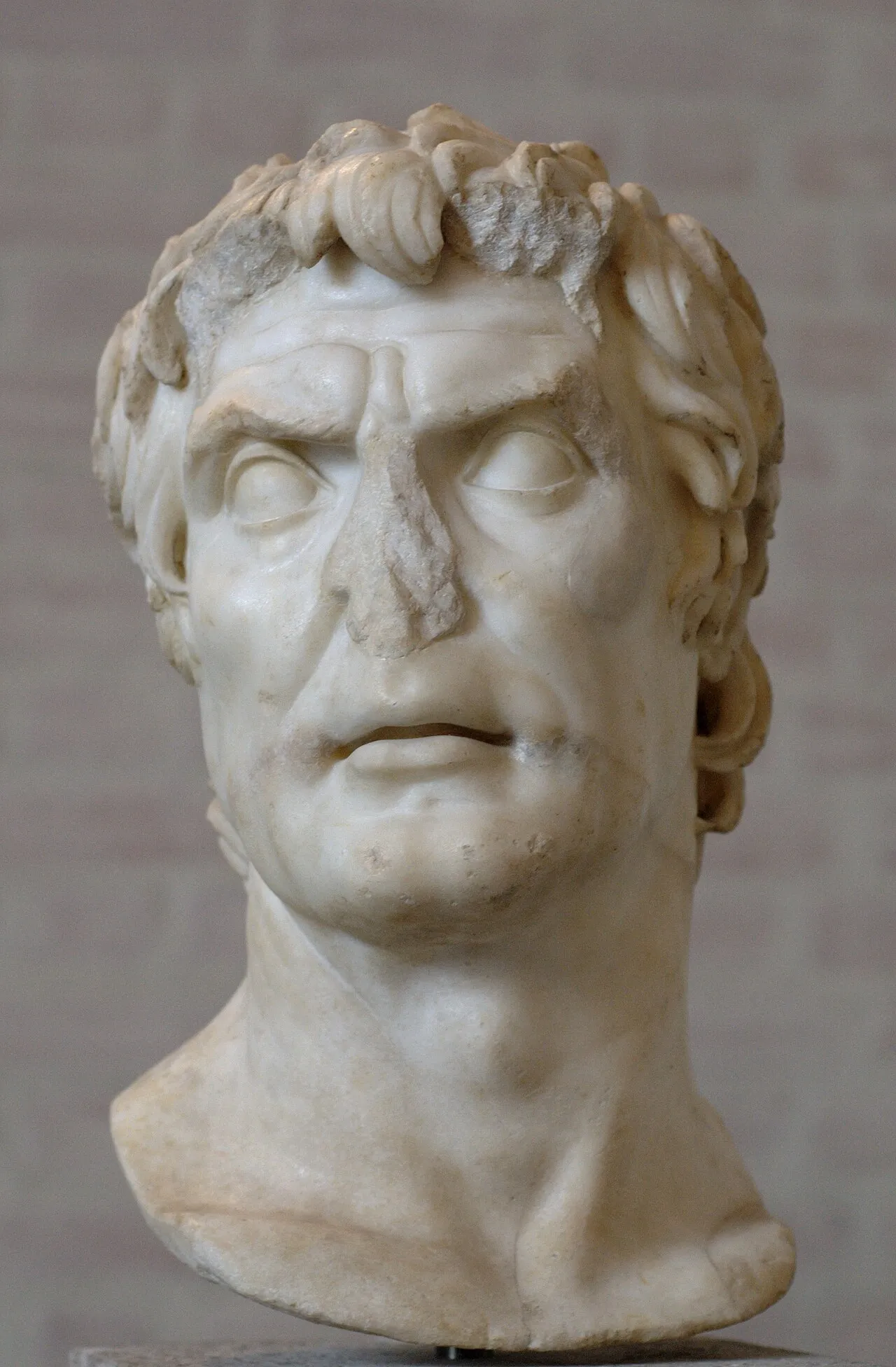
Silla lo spedì a spegnere le ultime resistenze mariane in Sicilia e poi in Africa, e le campagne furono fulminee e spietate: fu in quegli anni che i nemici lo soprannominarono adulescentulus carnifex, «il giovane macellaio». Al ritorno, non ancora venticinquenne e privo di qualsiasi magistratura, Pompeo pretese ciò che la legge riservava solo ai consoli e ai pretori: il trionfo. Silla si oppose, richiamandolo al rispetto della tradizione. Allora il giovane, con un'arroganza che era già statura politica, gli rammentò, racconta Plutarco, che «più uomini adorano il sole che sorge di quello che tramonta». Silla, mezzo irritato e mezzo ammirato, cedette: «Trionfi, dunque!». Esigere l'impossibile e ottenerlo: Pompeo aveva trovato la formula della sua intera carriera. Da quel trionfo prese il soprannome che avrebbe portato per sempre: Magnus, il Grande.
Sulla sent him to stamp out the last Marian resistance in Sicily and then in Africa, and the campaigns were swift and pitiless, it was in those years that his enemies nicknamed him adulescentulus carnifex, "the teenage butcher." On his return, not yet twenty-five and holding no magistracy, Pompey demanded what the law reserved for consuls and praetors alone: the triumph. Sulla refused, recalling him to the respect of tradition. Then the young man, with an arrogance that was already political stature, reminded him, Plutarch relates, that "more men worship the rising sun than the setting one." Sulla, half irritated and half admiring, gave way: "Then let him triumph!" To demand the impossible and obtain it: Pompey had found the formula of his entire career. From that triumph he took the surname he would bear forever: Magnus, the Great.
02Il Signore del MediterraneoMaster of the Mediterranean
- 67 a.C. La Legge Gabinia e la guerra ai pirati — Il Mediterraneo era ormai un mare di predoni: le flotte dei pirati cilici saccheggiavano le coste, strangolavano i convogli di grano da cui Roma dipendeva e si erano spinte a violare persino il porto di Ostia, alle porte dell'Urbe. La fame minacciava la città. Il tribuno Aulo Gabinio propose allora una misura inaudita: conferire a Pompeo un imperium straordinario su tutto il Mediterraneo e su tutte le coste fino a ottanta chilometri nell'entroterra, con flotte, legioni e tesoro a discrezione. Il Senato insorse inorridito, intuendo la mostruosa concentrazione di potere: CesareCaesar fu tra i pochissimi a votare a favore. Ma il popolo approvò per acclamazione. Pompeo divise il mare in tredici settori e li ripulì uno per uno, spazzando i pirati da occidente verso oriente fino a stringerli in Cilicia: in soli quarantanove giorni la piaga secolare era debellata. E invece di crocifiggere i prigionieri, li trasformò in contadini, fondando città dove prima c'erano covi di predoni, una clemenza politica che nessuno, in quell'età feroce, aveva osato. The Lex Gabinia and the war on the pirates — The Mediterranean had become a sea of marauders: the fleets of the Cilician pirates plundered the coasts, throttled the grain convoys on which Rome depended, and had gone so far as to violate even the port of Ostia, at the gates of the City. Famine threatened Rome. The tribune Aulus Gabinius then proposed an unheard-of measure: to grant Pompey an extraordinary imperium over the whole Mediterranean and all its coasts up to eighty kilometres inland, with fleets, legions and treasury at his discretion. The Senate rose in horror, sensing the monstrous concentration of power: Caesar was among the very few to vote in favour. But the people approved by acclamation. Pompey divided the sea into thirteen sectors and cleared them one by one, sweeping the pirates from west to east until he pinned them in Cilicia: in just forty-nine days the age-old scourge was crushed. And instead of crucifying his prisoners, he turned them into farmers, founding towns where once there had been dens of brigands: a political clemency none, in that ferocious age, had dared.
- 66 a.C. Il comando contro Mitridate — Trionfatore sui mari, Pompeo ottenne subito, con la Legge Manilia, un secondo comando immenso: la guerra contro Mitridate VI del Ponto, il re che da quasi trent'anni sfidava Roma e ne aveva fatto massacrare decine di migliaia di cittadini in Asia. Pompeo subentrò a Lucullo, l'abile generale che aveva già piegato il re ma era stato logorato dagli ammutinamenti e dalle invidie senatorie, e portò la campagna alla conclusione che gli altri avevano solo sfiorato. Sconfitto in battaglia campale, Mitridate fuggì oltre il Mar Nero, nei suoi domini più remoti, e lì, tradito dal proprio figlio e incapace di darsi la morte col veleno cui si era assuefatto per una vita, si fece trafiggere da una guardia. Era il 63 a.C.: con lui spirava l'ultimo grande nemico ellenistico di Roma. Command against Mithridates — Triumphant over the seas, Pompey at once obtained, by the Lex Manilia, a second vast command: the war against Mithridates VI of Pontus, the king who for nearly thirty years had defied Rome and had tens of thousands of her citizens massacred in Asia. Pompey succeeded Lucullus, the able general who had already broken the king but had been worn down by mutinies and senatorial envy, and brought to its conclusion the campaign the others had only grazed. Defeated in pitched battle, Mithridates fled beyond the Black Sea, into his remotest domains, and there, betrayed by his own son and unable to take his life with the poison to which a lifetime had inured him, he had a guard run him through. It was 63 BC: with him died Rome's last great Hellenistic enemy.
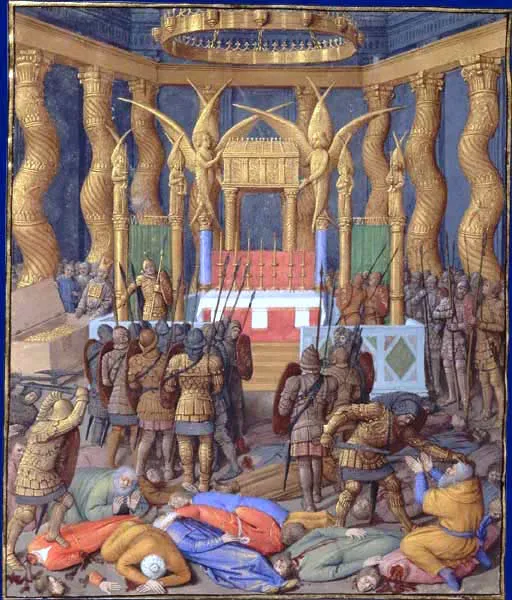
- 65–63 a.C. La conquista dell'Oriente — Pompeo non si arrestò alla vittoria: si fece organizzatore di mondi. Trasformò il Ponto in provincia, piegò con la sola diplomazia Tigrane il Grande d'Armenia, spinse le aquile fino alle pendici del Caucaso e alle rive del Caspio. Calò poi in Siria, dove cancellò con un tratto di penna l'agonizzante regno dei Seleucidi, gli eredi di Alessandro, riducendolo a provincia romana. Nel 63 a.C. cinse d'assedio Gerusalemme, dilaniata da una guerra civile, e dopo tre mesi ne espugnò il Tempio: penetrò, unico fra i romani, fino al Sancta Sanctorum, ma, narrano le fonti ebraiche, non vi toccò il tesoro né profanò il santuario, e l'indomani ne ordinò la purificazione. La Giudea divenne tributaria di Roma. Quando, nel 61 a.C., Pompeo celebrò il suo terzo trionfo, le insegne proclamavano la sottomissione di quattordici nazioni e cinquecentosei città: nessun romano aveva mai dominato tanta parte del mondo conosciuto. The conquest of the East — Pompey did not halt at victory: he made himself the organiser of worlds. He turned Pontus into a province, bent Tigranes the Great of Armenia by diplomacy alone, drove the eagles to the slopes of the Caucasus and the shores of the Caspian. He then swept into Syria, where with a stroke of the pen he erased the dying kingdom of the Seleucids, the heirs of Alexander, reducing it to a Roman province. In 63 BC he laid siege to Jerusalem, torn by civil war, and after three months stormed its Temple: he entered, alone among the Romans, as far as the Holy of Holies, but, Jewish sources relate, touched neither its treasure nor profaned the sanctuary, and the next day ordered it purified. Judaea became tributary to Rome. When, in 61 BC, Pompey celebrated his third triumph, the placards proclaimed the subjugation of fourteen nations and five hundred and six cities: no Roman had ever ruled so vast a share of the known world.
03Il Primo TriumviratoThe First Triumvirate
Tornato in Italia nel 62 a.C. dopo il fasto del trionfo orientale, Pompeo compì un gesto che stupì tutti: sciolse l'esercito. Avrebbe potuto marciare su Roma come Silla, e nessuno lo avrebbe fermato; scelse invece di rientrare come semplice cittadino, fidando nella propria gloria. Fu un errore di calcolo tragico. Il Senato, dominato dagli optimates, l'oligarchia conservatrice guidata da Catone, non gli fu grato della moderazione: la temette, e lo punì. Per anni bloccò ostinatamente le due sole cose che Pompeo chiedeva: la ratifica dell'ordinamento dato all'Oriente e l'assegnazione di terre ai suoi veterani congedati. Il primo generale del mondo, che aveva colmato d'oro l'erario, si vedeva umiliato nei corridoi della politica da uomini che non avevano mai comandato una legione.
Returning to Italy in 62 BC after the splendour of his eastern triumph, Pompey did a thing that astonished everyone: he disbanded his army. He could have marched on Rome like Sulla, and none would have stopped him; instead he chose to return as a private citizen, trusting in his own glory. It was a tragic miscalculation. The Senate, dominated by the optimates, the conservative oligarchy led by Cato, was not grateful for his restraint: it feared it, and punished him. For years it stubbornly blocked the only two things Pompey asked: the ratification of the settlement he had given the East and the grant of land to his discharged veterans. The first general in the world, who had filled the treasury with gold, found himself humiliated in the corridors of politics by men who had never commanded a legion.
Fu da quella frustrazione che nacque, nel 60 a.C., il patto più gravido di conseguenze della storia repubblicana: il Primo Triumvirato. Non un'istituzione, ma un'alleanza segreta tra tre uomini che insieme potevano ciò che divisi era loro negato: Pompeo, Giulio CesareJulius Caesar, abile e spregiudicato, reduce dalla Spagna e affamato di consolato, e Marco Licinio Crasso, l'uomo più ricco di Roma. Ciascuno offriva ciò che agli altri mancava: Pompeo la gloria e i veterani, Cesare il genio politico e il favore della plebe, Crasso l'oro. A suggellare il patto, Pompeo sposò Giulia, la giovane figlia di Cesare: e accadde l'imprevedibile, il vecchio soldato se ne innamorò perdutamente. Fu un matrimonio d'amore dentro un'alleanza di calcolo, e per qualche anno la coppia incantò Roma, finché Giulia, nel 54 a.C., non morì di parto. Con lei si spezzò l'ultimo, fragile legame umano tra il suocero e il genero.
It was from that frustration that there was born, in 60 BC, the pact most pregnant with consequence in Republican history: the First Triumvirate. Not an institution, but a secret alliance among three men who together could achieve what divided was denied them: Pompey, Julius Caesar, able and unscrupulous, back from Spain and hungry for the consulship, and Marcus Licinius Crassus, the richest man in Rome. Each offered what the others lacked: Pompey the glory and the veterans, Caesar the political genius and the favour of the plebs, Crassus the gold. To seal the pact, Pompey married Julia, Caesar's young daughter: and the unforeseeable happened, the old soldier fell desperately in love. It was a marriage of love within an alliance of calculation, and for some years the couple enchanted Rome, until Julia, in 54 BC, died in childbirth. With her snapped the last, fragile human bond between father-in-law and son-in-law.
Un anno più tardi, nel 53 a.C., la rovina si compì. Crasso, smanioso di eguagliare in gloria i due alleati, invase la Partia e fu annientato a Carre: il suo esercito massacrato, lui stesso ucciso e, narra la leggenda, la sua bocca colmata d'oro fuso, beffa atroce della sua avidità. Il triumvirato non esisteva più. Restavano due titani, non più cognati, non più amici, sospinti l'uno contro l'altro dal vuoto che la storia aborrisce. Il Senato di Catone, che non poteva piegare nessuno dei due, decise di servirsi del più anziano contro il più giovane: corteggiò Pompeo, lo colmò di onori, lo nominò perfino console unico nel 52 a.C., trasformandolo nel campione di quella stessa oligarchia che fino a ieri lo aveva avvilito. Lusingato, persuaso di non aver più bisogno dell'antico socio, Pompeo si lasciò usare. Fu l'errore fatale della sua vita.
A year later, in 53 BC, ruin came to pass. Crassus, craving to equal his two allies in glory, invaded Parthia and was annihilated at Carrhae: his army massacred, himself killed, and, legend tells, his mouth filled with molten gold, a hideous mockery of his greed. The triumvirate was no more. There remained two titans, no longer kinsmen, no longer friends, driven against each other by the void that history abhors. Cato's Senate, which could bend neither of them, resolved to use the elder against the younger: it courted Pompey, heaped honours upon him, even named him sole consul in 52 BC, turning him into the champion of the very oligarchy that until yesterday had demeaned him. Flattered, persuaded he no longer needed his old partner, Pompey let himself be used. It was the fatal error of his life.
04La Guerra Civile: Fuga e SconfittaThe Civil War: Flight and Defeat
Quando, all'alba del 10 gennaio del 49 a.C., CesareCaesar varcò con una sola legione il Rubicone, il piccolo fiume che segnava il confine sacro dell'Italia, la guerra civile era cominciata. Pompeo si trovò in una posizione angosciante: le sue legioni più fedeli erano lontane, in Spagna, e le truppe d'Italia erano reclute incerte o, peggio, veterani che avevano servito Cesare in Gallia. Contro il parere sdegnato dei senatori, prese una decisione fredda e lucida: non difendere Roma, ma abbandonarla. Si ritirò a Brindisi e di lì passò il mare verso l'Epiro, dove avrebbe potuto radunare con calma l'immensa potenza dell'Oriente a lui devoto e affamare l'Italia con il dominio delle flotte. Cesare entrò in una Roma deserta senza vibrare un colpo. Pompeo aveva ceduto la capitale, ma, nel suo calcolo, non la guerra.
When, at dawn on 10 January 49 BC, Caesar crossed the Rubicon with a single legion, the little river that marked the sacred boundary of Italy, the civil war had begun. Pompey found himself in an anguishing position: his most loyal legions were far away, in Spain, and the troops in Italy were uncertain recruits or, worse, veterans who had served Caesar in Gaul. Against the indignant counsel of the senators, he made a cold and lucid decision: not to defend Rome, but to abandon it. He withdrew to Brundisium and from there crossed the sea to Epirus, where he could calmly gather the immense power of the East devoted to him and starve Italy through command of the fleets. Caesar entered a deserted Rome without striking a blow. Pompey had yielded the capital, but, in his reckoning, not the war.
In Grecia, Pompeo radunò una forza formidabile: quasi quarantasettemila fanti e settemila cavalieri, superiore per numero all'esercito di Cesare, e con essa l'intero fiore del Senato, accampato come una corte itinerante. Nell'estate del 48 a.C., davanti a Durazzo, lo stratega ebbe la sua occasione: con una serie di manovre serrò Cesare in un assedio rovesciato e gli inflisse una dura sconfitta, costringendone le legioni affamate a ritirarsi. Lo stesso Cesare confessò che quel giorno la guerra avrebbe potuto chiudersi, «se il nemico avesse avuto un comandante capace di vincere». Ma Pompeo, per prudenza, per timore di una trappola, o per il peso di troppi senatori che gli respiravano sul collo pretendendo la resa dei conti, non osò inseguire. Lasciò sfuggire l'avversario ferito. Fu il preludio del disastro.
In Greece, Pompey gathered a formidable force: nearly forty-seven thousand infantry and seven thousand cavalry, superior in number to Caesar's army, and with it the whole flower of the Senate, encamped like a wandering court. In the summer of 48 BC, before Dyrrachium, the strategist had his chance: through a series of manoeuvres he locked Caesar into a reversed siege and dealt him a hard defeat, forcing his starving legions to retreat. Caesar himself confessed that on that day the war might have ended, "had the enemy had a commander who knew how to win." But Pompey, out of caution, out of fear of a trap, or under the weight of too many senators breathing down his neck and demanding the final reckoning, did not dare pursue. He let his wounded adversary slip away. It was the prelude to disaster.
Lo scontro risolutivo si consumò il 9 agosto del 48 a.C. nella piana di Farsalo, in Tessaglia. Pompeo schierava il doppio degli uomini e una cavalleria magnifica, su cui fondava l'intero piano: travolgere con essa l'ala destra di Cesare e accerchiarlo. Ma Cesare aveva letto nella mente del rivale. Dietro la propria cavalleria, troppo esigua, nascose una quarta linea di fanti veterani scelti, con un ordine inconsueto: non lanciare i giavellotti, ma vibrarli come picche contro il volto dei giovani cavalieri aristocratici, «colpite la faccia!». Quando la cavalleria pompeiana caricò sicura della vittoria, si trovò davanti quel muro di punte rivolte agli occhi e si sbandò nel panico. Scoperta l'ala, le legioni di Cesare avvolsero il nemico. La linea di Pompeo si frantumò. E Pompeo (l'uomo dei tre trionfi, il signore dell'Oriente) vedendo crollare il proprio disegno, si ritirò nella tenda e vi rimase muto, impietrito, finché l'urto dei fuggiaschi non lo travolse: allora si strappò le insegne di comandante e fuggì a cavallo, irriconoscibile.
The decisive clash came on 9 August 48 BC on the plain of Pharsalus, in Thessaly. Pompey fielded twice the men and a magnificent cavalry, on which his entire plan rested: to overwhelm Caesar's right wing with it and encircle him. But Caesar had read his rival's mind. Behind his own too-scanty cavalry he hid a fourth line of picked veteran infantry, with an unusual order: not to hurl their javelins, but to thrust them like pikes at the faces of the young aristocratic horsemen: "strike the face!" When the Pompeian cavalry charged, sure of victory, it met that wall of points aimed at the eyes and scattered in panic. The wing laid bare, Caesar's legions enveloped the enemy. Pompey's line shattered. And Pompey (the man of three triumphs, the lord of the East) seeing his design collapse, withdrew to his tent and sat there mute, petrified, until the rush of fugitives swept over him: then he tore off the insignia of command and fled on horseback, unrecognisable.
05La Morte in Egitto e l'EreditàDeath in Egypt and the Legacy
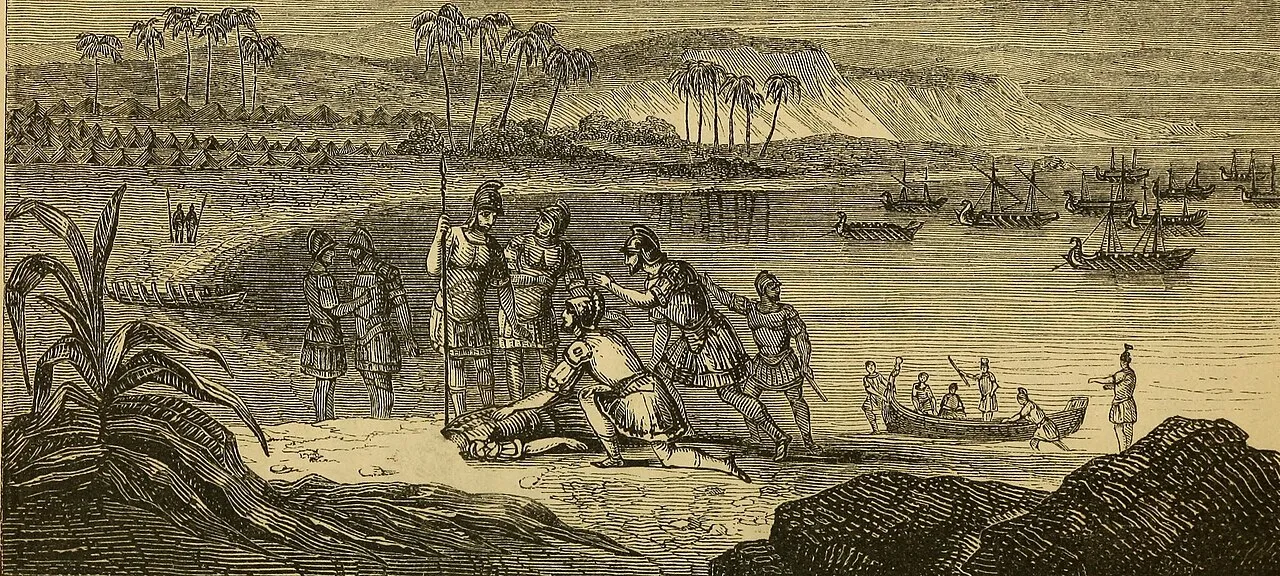
In fuga da Farsalo, Pompeo cercò scampo in Egitto, regno dell'adolescente Tolomeo XIII, di cui il Senato romano, e Pompeo stesso, era stato protettore. Salpò verso Pelusio con la moglie Cornelia e il figlio Sesto, certo di trovare gratitudine. Ma alla corte di Alessandria i consiglieri del faraone ragionarono con gelida aritmetica: accogliere lo sconfitto significava attirarsi l'ira di Cesare; ucciderlo significava comprarne il favore. «Un morto non morde», sentenziò il retore Teodoto. La mattina del 28 settembre del 48 a.C., alla vigilia del suo cinquantottesimo compleanno, Pompeo fu invitato a salire su una scialuppa per raggiungere la riva. Sotto gli occhi della moglie che lo guardava dalla nave, mentre prendeva la mano del vecchio commilitone Lucio Settimio, fu pugnalato alle spalle. Non gridò: si coprì il volto con la toga e morì in silenzio, con la dignità che la politica gli aveva negato.
In flight from Pharsalus, Pompey sought refuge in Egypt, the kingdom of the adolescent Ptolemy XIII, whose protector the Roman Senate, and Pompey himself, had been. He sailed for Pelusium with his wife Cornelia and his son Sextus, certain to find gratitude. But at the court of Alexandria the pharaoh's counsellors reasoned with icy arithmetic: to receive the loser meant drawing Caesar's wrath; to kill him meant buying his favour. "A dead man does not bite, " pronounced the rhetorician Theodotus. On the morning of 28 September 48 BC, on the eve of his fifty-eighth birthday, Pompey was invited to board a skiff to reach the shore. Under the eyes of his wife, who watched from the ship, as he took the hand of his old comrade-in-arms Lucius Septimius, he was stabbed from behind. He did not cry out: he covered his face with his toga and died in silence, with the dignity that politics had denied him.
Pochi giorni dopo Cesare giunse ad Alessandria all'inseguimento del rivale. Quando il cortigiano egiziano gli porse, come un dono, la testa mozzata di Pompeo, il vincitore di Farsalo distolse lo sguardo e scoppiò in pianto. Non era finzione politica: Pompeo era stato suo genero, l'uomo amato da sua figlia Giulia, il compagno con cui aveva diviso per un decennio il dominio del mondo, il solo avversario alla sua altezza. Fece giustiziare gli assassini, raccolse le ceneri e le rese a Cornelia perché le deponesse nella villa di Pompeo presso Albano. Agli Egizi che avevano creduto di compiacerlo non perdonò mai del tutto lo scempio di un uomo di tale grandezza. Dove riposi oggi il capo di Pompeo Magno, nessuno lo sa: la sabbia d'Alessandria ne custodisce il segreto.
A few days later Caesar reached Alexandria in pursuit of his rival. When the Egyptian courtier offered him, as a gift, Pompey's severed head, the victor of Pharsalus turned his eyes away and burst into tears. It was no political pretence: Pompey had been his son-in-law, the man beloved by his daughter Julia, the partner with whom he had shared for a decade the mastery of the world, the only adversary worthy of him. He had the assassins put to death, gathered the ashes and returned them to Cornelia to lay in Pompey's villa near Alba. The Egyptians who had thought to please him he never wholly forgave for the butchery of a man of such greatness. Where the head of Pompey the Great rests today, none knows: the sand of Alexandria keeps its secret.
L'eredità di Pompeo è quella di un gigante che per due decenni fu l'uomo più potente di Roma, non per nascita né per usurpazione, ma per autentico genio militare e per la devozione sconfinata dei suoi soldati. Pulì il Mediterraneo, raddoppiò le province dell'Impero, portò le aquile dove nessun romano le aveva mai spinte. Eppure la sua sconfitta non fu militare: fu politica. Non comprese mai fino in fondo che la spada, da sola, non bastava a governare Roma, e si affidò a un Senato che lo adoperò come arma salvo poi temerlo, senza mai concedergli la legittimità che cercava. CesareCaesar, suo genero ed erede involontario, intese quel gioco assai meglio di lui: e dove Pompeo aveva esitato, egli non avrebbe esitato. Con la caduta del Grande, l'ultima alternativa al potere personale scomparve dalla scena, e Roma scivolò, inesorabile, verso l'Impero.
Pompey's legacy is that of a giant who for two decades was the most powerful man in Rome, not by birth nor by usurpation, but by genuine military genius and the boundless devotion of his soldiers. He cleared the Mediterranean, doubled the Empire's provinces, carried the eagles where no Roman had ever driven them. And yet his defeat was not military: it was political. He never fully grasped that the sword alone did not suffice to govern Rome, and he entrusted himself to a Senate that used him as a weapon only to fear him afterwards, never granting him the legitimacy he sought. Caesar, his son-in-law and involuntary heir, understood that game far better than he: and where Pompey had hesitated, he would not hesitate. With the fall of the Great, the last alternative to personal power vanished from the stage, and Rome slid, inexorable, toward the Empire.