01Il Continuatore di AurelianoAurelian's Continuator
Origini pannoniche e ascesa militare (232–276 d.C.)
Pannonian origins and military rise (232–276 AD)
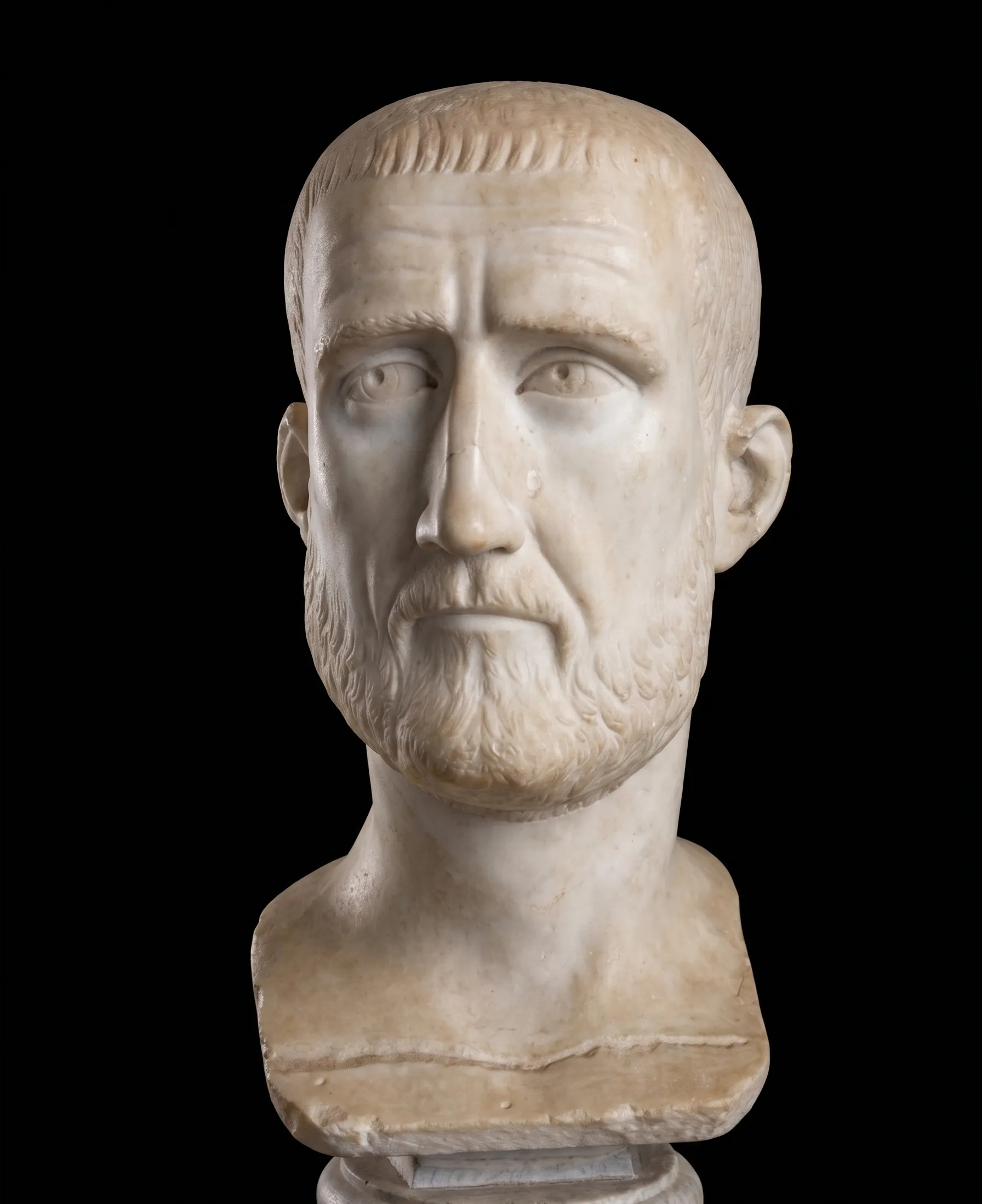
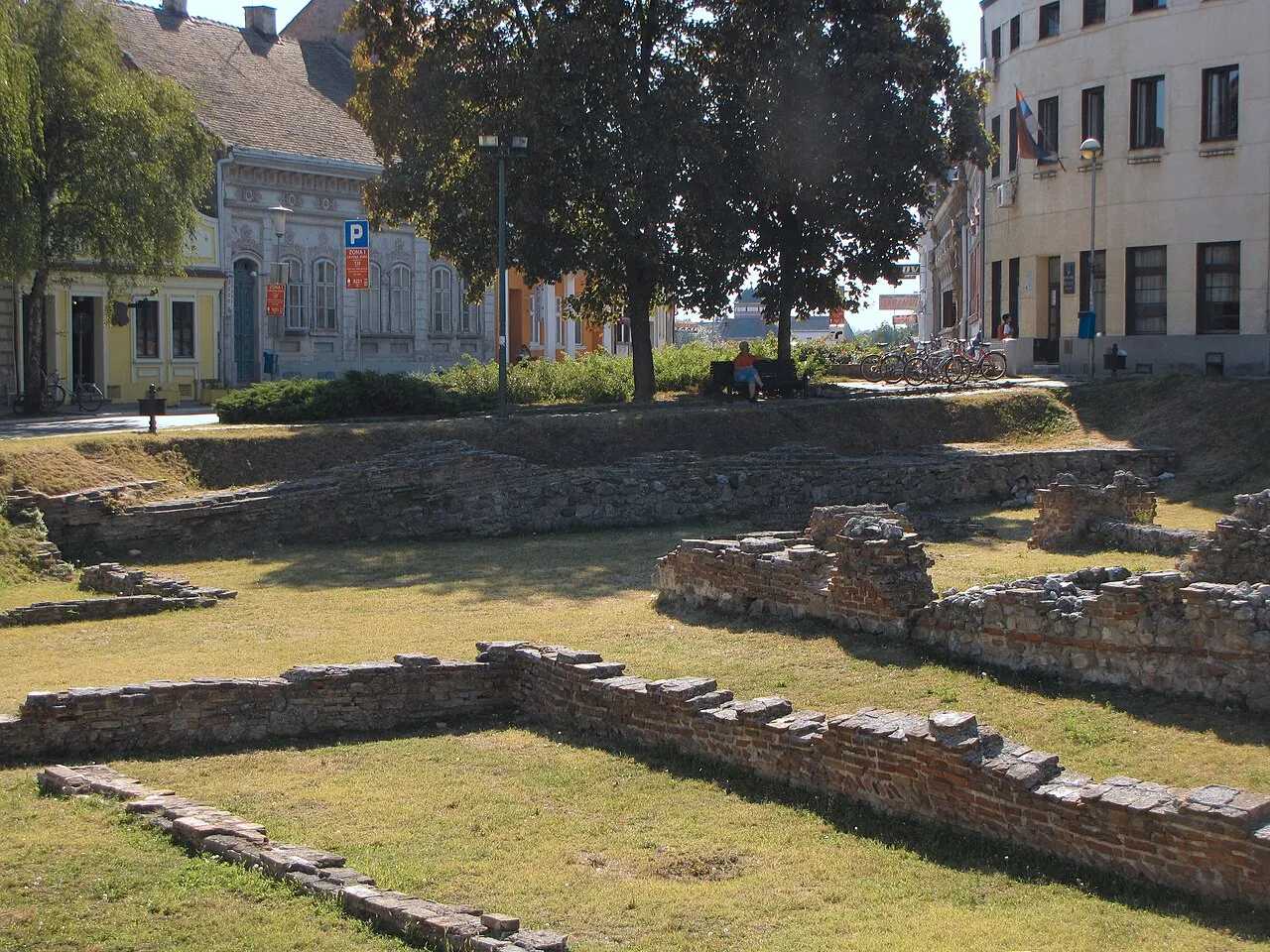
Marco Aurelio Probo nacque il 19 agosto del 232 a Sirmium, città-fortezza sul fiume Sava nell'odierna Serbia, capitale economica e militare delle province illiriche. Il padre, di nome Massimo secondo le fonti, era un giardiniere o piccolo proprietario; la famiglia non aveva alcun pedigree senatorio. Probo apparteneva al ceppo dei militari illirici, insieme a Claudio II, Aureliano, Tacito, e i futuri Diocleziano e Massimiano, che nel III secolo strapparono l'Impero al collasso. Entrò nell'esercito sotto Valeriano intorno al 250 e fu nominato tribuno militare in giovanissima età, distinguendosi in dieci anni di campagne dalla Germania alla Persia. Sotto Aureliano ottenne comandi indipendenti in Egitto (dove represse la rivolta del mercante Firmo) e in Asia. Era il candidato naturale al trono.
Marcus Aurelius Probus was born on 19 August 232 at Sirmium, a fortress-city on the river Sava in modern Serbia, economic and military capital of the Illyrian provinces. His father, named Maximus according to the sources, was a gardener or small landowner; the family had no senatorial pedigree. Probus belonged to the line of Illyrian soldier-emperors, together with Claudius II, Aurelian, Tacitus, and the future Diocletian and Maximian, who in the 3rd century pulled the Empire back from collapse. He joined the army under Valerian around 250 and was made military tribune at a very young age, distinguishing himself in ten years of campaigns from Germany to Persia. Under Aurelian he held independent commands in Egypt (where he crushed the merchant Firmus's revolt) and in Asia. He was the natural candidate for the throne.
L'acclamazione e la sconfitta di Floriano (276 d.C.)
Acclamation and defeat of Florianus (276 AD)
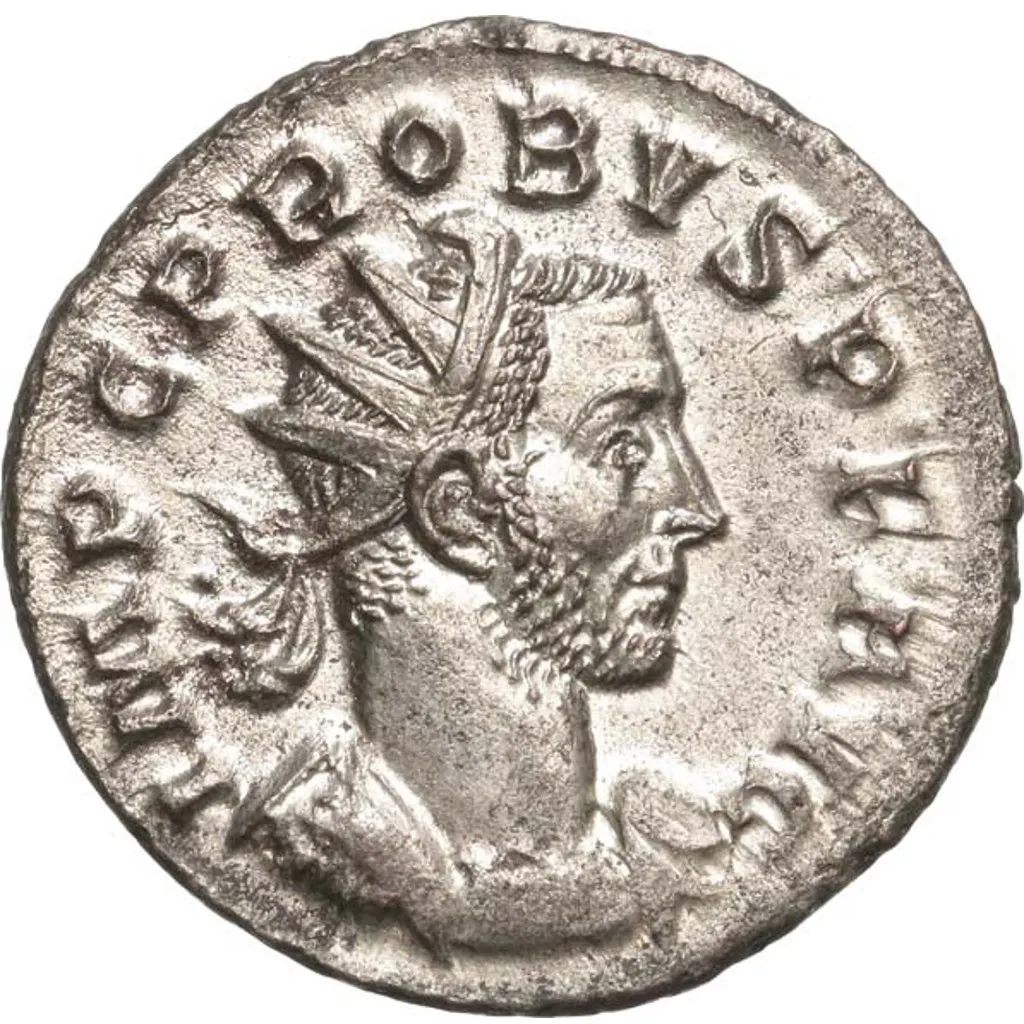
Quando Tacito morì a Tyana nel giugno del 276, suo fratellastro Floriano si autoproclamò imperatore senza attendere la conferma del Senato. Le legioni d'Oriente, che avevano combattuto sotto Probo nella stessa campagna anatolica, lo rifiutarono e proclamarono il loro generale a Antiochia. I due eserciti si fronteggiarono per settimane vicino a Tarso, in Cilicia, senza vere battaglie campali: Probo evitò lo scontro frontale, sapendo che il caldo estivo cilicio avrebbe distrutto i settentrionali di Floriano. Dopo circa 88 giorni di regno, le truppe dello stesso Floriano lo abbandonarono e lo uccisero a Tarso. Probo era unico signore dell'Impero. Aveva quarantaquattro anni.
When Tacitus died at Tyana in June 276, his half-brother Florianus proclaimed himself emperor without awaiting the Senate's confirmation. The eastern legions, which had fought under Probus in the same Anatolian campaign, rejected him and proclaimed their general at Antioch. The two armies faced each other for weeks near Tarsus, in Cilicia, with no real pitched battles: Probus avoided open combat, knowing the Cilician summer heat would destroy Florianus's northerners. After about 88 days of reign, Florianus's own troops abandoned him and killed him at Tarsus. Probus was sole lord of the Empire. He was forty-four years old.
« In breve tempo non avremo più bisogno di soldati » . « Shortly we shall have no further need of soldiers » . Probo ai senatori (Historia Augusta, Prob. 20.3), frase che i suoi soldati non gli perdonarono maiProbus to the senators (Historia Augusta, Prob. 20.3), a line his soldiers never forgave him
02Le Grandi CampagneThe Great Campaigns
- 277 d.C.Liberazione della Gallia — Mentre Probo era in Oriente, Franchi, Alamanni, Lugii e Burgundi avevano invaso la Gallia in massa, occupando, secondo la Historia Augusta, ben sessanta città tra Reno e Loira. Probo arrivò personalmente sul Reno, vinse i Lugii sul fiume Mein, sconfisse i Franchi in molteplici battaglie e ricostruì il limes germanicus con nuovi forti. Catturò il capo alemanno Semnone e lo costrinse a restituire tutto il bottino: una romanitas ferita ma intatta.Liberation of Gaul — While Probus was in the East, Franks, Alemanni, Lugii and Burgundians had invaded Gaul en masse, occupying, according to the Historia Augusta, some sixty cities between the Rhine and the Loire. Probus arrived personally on the Rhine, defeated the Lugii on the river Main, beat the Franks in multiple engagements and rebuilt the limes germanicus with new forts. He captured the Alemannic chief Semnon and forced him to return all the loot: a romanitas wounded but intact.
- 278 d.C.Campagne danubiane contro Vandali e Sarmati — Spostatosi al fronte danubiano, Probo sconfisse i Vandali Asdingi e i Sarmati Iazigi, recuperando un altro tratto del limes. Insediò circa centomila Bastarni nei territori spopolati della Tracia come laeti (coloni-soldati): un esperimento decisivo, che Diocleziano e Costantino avrebbero esteso a politica imperiale ordinaria. Inaugurò così il modello del foederato che sostituirà progressivamente il legionario tradizionale.Danubian campaigns against Vandals and Sarmatians — Moving to the Danubian front, Probus defeated the Hasding Vandals and the Iazyges Sarmatians, recovering another stretch of the limes. He settled around one hundred thousand Bastarnae in the depopulated territories of Thrace as laeti (soldier-colonists): a decisive experiment that Diocletian and Constantine would extend into ordinary imperial policy. He thus inaugurated the model of the foederatus that would progressively replace the traditional legionary.
- 279 d.C.Repressione delle rivolte in Asia Minore — Bande di Isaurici (montanari della Pisidia) si erano impadronite di Lidia e Panfilia, devastando città e strade. Probo mandò il generale Terenzio Massimo a sgominarli; il problema isaurico rimase endemico per secoli, ma fu contenuto. Inoltre represse una rivolta in Egitto degli abitanti dell'oasi di Coptos, riportando definitivamente sotto controllo la Tebaide.Suppression of revolts in Asia Minor — Bands of Isaurians (highlanders from Pisidia) had seized Lydia and Pamphylia, devastating cities and roads. Probus sent the general Terentius Maximus to root them out; the Isaurian problem remained endemic for centuries but was contained. He also crushed an Egyptian revolt by the inhabitants of the Coptos oasis, bringing the Thebaid definitively back under control.
- 280 d.C.Le tre usurpazioni — In un solo anno tre usurpatori si proclamarono Augusto in tre angoli dell'Impero: Saturnino in Egitto (governatore di Siria, acclamato dai propri soldati), Bonoso e Proculo in Gallia (entrambi alti ufficiali, spinti dai loro stessi familiari). Probo li liquidò tutti e tre nel giro di pochi mesi: Saturnino fu ucciso dai suoi, Bonoso si impiccò ("non un uomo è morto, ma un'anfora", commentò Probo riferendosi alla nota sete del rivale), Proculo fu consegnato dai Franchi presso cui aveva cercato rifugio.The three usurpations — In a single year three usurpers proclaimed themselves Augustus in three corners of the Empire: Saturninus in Egypt (governor of Syria, acclaimed by his own soldiers), Bonosus and Proculus in Gaul (both senior officers, pushed by their own families). Probus disposed of all three within months: Saturninus was killed by his men, Bonosus hanged himself ("no man has died, but an amphora", Probus quipped, alluding to the rival's notorious thirst), Proculus was handed over by the Franks he had fled to.
- 281 d.C.Il grande trionfo di Roma — Tornato a Roma per la prima volta da imperatore, Probo celebrò un trionfo sontuoso: prigionieri di tutte le frontiere, centinaia di animali esotici, giochi nel Circo Massimo, distribuzione di pane e vino al popolo. Il Senato gli accordò i titoli di Gothicus, Germanicus Maximus, Persicus. Era il riconoscimento ufficiale che la riunificazione iniziata da Aureliano era stata consolidata.The great triumph in Rome — Returning to Rome for the first time as emperor, Probus celebrated a sumptuous triumph: prisoners from every frontier, hundreds of exotic animals, games in the Circus Maximus, distribution of bread and wine to the people. The Senate granted him the titles of Gothicus, Germanicus Maximus, Persicus. It was official recognition that the reunification begun by Aurelian had been consolidated.
- 282 d.C.Preparazione della campagna persiana — Forte della pace sui confini, Probo iniziò a radunare un esercito a Sirmium per riprendere la grande spedizione contro la Persia sassanide che Aureliano non aveva potuto realizzare. Per tenere i soldati occupati prima della partenza, ordinò loro di drenare le paludi e ripiantare i vigneti attorno alla sua città natale. Fu un errore fatale.Preparing the Persian campaign — Strengthened by the peace on the frontiers, Probus began assembling an army at Sirmium to resume the great expedition against Sasanian Persia that Aurelian had been unable to carry out. To keep the soldiers occupied before departure, he ordered them to drain the marshes and replant the vineyards around his home city. It was a fatal mistake.
03Le Riforme Civili e l'AgricolturaCivil Reforms and Agriculture
La riapertura dei vigneti (editto del 280 d.C. ca.)
The reopening of the vineyards (edict of c. 280 AD)
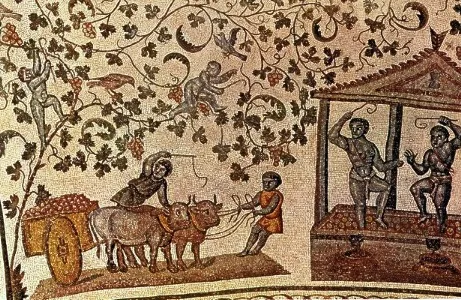
Nel 92 d.C. Domiziano aveva emanato un editto che proibiva nuovi impianti viticoli nelle province occidentali e ordinava lo sradicamento di metà dei vigneti provinciali, per proteggere i produttori italici dalla concorrenza. La misura era rimasta formalmente in vigore per quasi due secoli, sebbene largamente disattesa. Probo la abrogò ufficialmente, autorizzando il libero impianto di vigne in Gallia, Pannonia, Mesia e Britannia. Promosse personalmente la viticoltura sui colli attorno a Sirmium (Fruška Gora, ancora oggi area vitivinicola serba) e fece insegnare ai soldati le tecniche del taglio della vite e del torchio. Era una riforma di portata civilizzatrice: la cultura del vino diventò la firma stessa della romanitas nelle province settentrionali.
In 92 AD Domitian had issued an edict forbidding new vine plantings in the western provinces and ordering the uprooting of half the provincial vineyards, to protect Italic producers from competition. The measure had remained formally in force for almost two centuries, though largely ignored. Probus officially repealed it, authorising free vine planting in Gaul, Pannonia, Moesia and Britain. He personally promoted viticulture on the hills around Sirmium (Fruška Gora, still today a Serbian wine region) and had soldiers taught vine-pruning and press techniques. It was a reform of civilising importance: wine culture became the very signature of romanitas in the northern provinces.
La politica di colonizzazione barbarica
Barbarian settlement policy
Probo formalizzò ciò che Marco Aurelio aveva improvvisato e Aureliano aveva sperimentato: l'insediamento sistematico di popolazioni germaniche all'interno dei confini come laeti (coloni con obbligo militare ereditario) e dediticii (sottomessi). Centomila Bastarni in Tracia, sedicimila Franchi sulle coste del Mar Nero, gruppi di Vandali e Gepidi in Mesia. La logica era duplice: ripopolare le province devastate dalla peste antoniniana e dalle invasioni, e trasformare nemici esterni in soldati interni. Funzionò, ma seminò la trasformazione etnica che due secoli più tardi avrebbe portato all'Impero "barbarizzato" di Stilicone e Alarico.
Probus formalised what Marcus Aurelius had improvised and Aurelian had experimented with: the systematic settlement of Germanic populations within the frontiers as laeti (colonists bound to hereditary military service) and dediticii (subjected ones). One hundred thousand Bastarnae in Thrace, sixteen thousand Franks on the Black Sea coast, groups of Vandals and Gepids in Moesia. The logic was twofold: repopulate provinces devastated by the Antonine Plague and the invasions, and turn external enemies into internal soldiers. It worked, but it sowed the ethnic transformation that two centuries later would produce the "barbarised" Empire of Stilicho and Alaric.
Lavori pubblici e bonifiche
Public works and drainage
Convinto che l'esercito dovesse essere produttivo anche in tempo di pace, Probo lo impiegò sistematicamente in opere civili: drenaggio delle paludi attorno a Sirmium, scavo del nuovo canale tra il Danubio e il Sava, riapertura dell'antico canale di Tolomeo II in Egitto (oggi Canale di Suez antico), rinforzo delle vie consolari in Pannonia e Mesia. I soldati lo odiavano per questo, ma le opere durarono. Le paludi di Sirmium, prosciugate sotto Probo, ospitarono in pochi decenni una delle maggiori concentrazioni urbane dell'Impero.
Convinced that the army should be productive even in peacetime, Probus systematically employed it on civil works: drainage of the marshes around Sirmium, digging of a new canal between the Danube and the Sava, reopening of the ancient canal of Ptolemy II in Egypt (the ancient Suez Canal), reinforcement of the consular roads in Pannonia and Moesia. The soldiers hated him for it, but the works endured. The marshes of Sirmium, drained under Probus, hosted within a few decades one of the major urban concentrations of the Empire.
04La Fine IronicaThe Ironic End
L'ammutinamento di Sirmium (settembre 282 d.C.)
The Sirmium mutiny (September 282 AD)
Mentre Probo attendeva nella sua città natale la partenza per la grande spedizione persiana, le legioni stanziate in Rezia e nel Norico, sotto il comando del prefetto del pretorio Marco Aurelio Caro, lo proclamarono Augusto contro Probo nel mese di agosto/settembre del 282. Probo, avvisato del tradimento, inviò un primo contingente per affrontare Caro: i suoi soldati passarono in massa dalla parte del rivale. A Sirmium, le truppe rimaste, le stesse che da mesi prosciugavano le paludi sotto il sole estivo, appresero che il loro imperatore voleva opporsi alla nuova acclamazione: si ammutinarono. Lo inseguirono fino a una torre fortificata (la turris ferrata, "torre ferrata") dove cercò rifugio, vi entrarono e lo uccisero.
As Probus waited in his native city for the departure of the great Persian expedition, the legions stationed in Raetia and Noricum, under the command of the praetorian prefect Marcus Aurelius Carus, proclaimed him Augustus against Probus in August/September 282. Probus, warned of the betrayal, sent a first contingent to confront Carus: his soldiers defected en masse to the rival. At Sirmium, the remaining troops, the very ones who had for months been draining the marshes under the summer sun, learned that their emperor intended to oppose the new acclamation: they mutinied. They chased him to a fortified tower (the turris ferrata, "iron tower") where he sought refuge, broke in and killed him.
L'eredità: l'inquadramento del IV secolo
Legacy: the framework of the 4th century
Le truppe, una volta uccisolo, lo seppellirono con onori imperiali in un grandioso mausoleo sulla collina di Sirmium: segno che il loro odio era circoscritto all'uomo che li faceva lavorare, non al sovrano in quanto tale. Caro regnò appena un anno prima di morire fulminato in Persia. Ma il vero erede dell'opera di Probo fu, dieci anni dopo, Diocleziano: dalla stessa scuola militare illirica, dalla stessa città di Sirmium come capitale operativa, dal medesimo programma di stabilizzazione delle frontiere e di insediamento di laeti. Senza il sessennio di Probo, che chiuse la "Crisi del III secolo" iniziata mezzo secolo prima, la Tetrarchia sarebbe stata impossibile. La sua morte ironica resta la testimonianza più amara del paradosso del III secolo: un Impero che non sapeva più sopravvivere senza guerra.
The troops, once they had killed him, buried him with imperial honours in a grand mausoleum on the hill of Sirmium, a sign that their hatred was confined to the man who made them work, not to the sovereign as such. Carus reigned barely a year before dying struck by lightning in Persia. But the true heir of Probus's work was, ten years later, Diocletian: from the same Illyrian military school, with the same city of Sirmium as operational capital, with the same programme of frontier stabilisation and laeti settlement. Without Probus's six years, which closed the "Crisis of the 3rd Century" begun half a century earlier, the Tetrarchy would have been impossible. His ironic death remains the bitterest testimony to the paradox of the 3rd century: an Empire that no longer knew how to survive without war.