01L'Ascesa di un Patrizio DecadutoRise of a Fallen Patrician
Lucio Cornelio Silla nacque nel 138 a.C. da una famiglia patrizia che il tempo aveva spogliato della sua gloria. I Cornelii erano una gens antichissima, ma il ramo di Silla languiva impoverito da generazioni: Plutarco racconta che da giovane abitava in stanze d'affitto, tra attori, mimi e cortigiane, in un ambiente che un nobile romano avrebbe giudicato disonorevole. Fu proprio quella povertà a forgiarne il carattere, un patrizio costretto a farsi da sé, dotato di un'intelligenza fredda, di un'ironia tagliente e di un fascino amorale che lo rendevano insieme seducente e inquietante. Per anni sembrò destinato all'oblio. Solo nel 107 a.C., a trentun anni, un'età avanzata per cominciare il cursus honorum, ottenne la sua prima carica: questore al seguito di Gaio Mario, l'uomo nuovo che dominava Roma, nella guerra contro il re Giugurta di Numidia.
Lucius Cornelius Sulla was born in 138 BC into a patrician family that time had stripped of its glory. The Cornelii were a most ancient gens, but Sulla's branch had languished in poverty for generations: Plutarch tells that in his youth he lodged in rented rooms, among actors, mimes and courtesans, in surroundings a Roman noble would have judged disgraceful. It was that very poverty that forged his character, a patrician forced to make himself, gifted with a cold intelligence, a cutting wit and an amoral charm that made him at once seductive and unsettling. For years he seemed destined for oblivion. Only in 107 BC, at thirty-one, a late age to begin the cursus honorum, did he obtain his first office: quaestor in the service of Gaius Marius, the new man who dominated Rome, in the war against King Jugurtha of Numidia.
Fu sulle sabbie d'Africa che Silla colse il primo grande colpo della sua vita. Nel 105 a.C., con un'audacia diplomatica al limite della temerarietà, si addentrò con pochi uomini nel territorio di Bocco, re di Mauretania, e lo persuase a tradire il genero Giugurta e a consegnarglielo in catene. La guerra giugurtina era finita, e di fatto per mano di Silla. Ma la gloria, per legge, spettava al comandante in capo: Gaio Mario. Silla incassò l'offesa in silenzio. Poi fece incidere su un anello sigillare la scena della consegna e lo ostentò per anni a ogni occasione. Era una provocazione studiata, una rivendicazione muta e insolente. Mario non la dimenticò mai. In quel piccolo gesto di vanità era racchiuso il germe della prima, vera guerra civile romana.
It was on the sands of Africa that Sulla seized the first great stroke of his life. In 105 BC, with a diplomatic audacity bordering on recklessness, he ventured with a few men into the territory of Bocchus, king of Mauretania, and persuaded him to betray his son-in-law Jugurtha and surrender him in chains. The Jugurthine War was over, and in fact by Sulla's hand. But the glory, by law, belonged to the commander-in-chief: Gaius Marius. Sulla swallowed the slight in silence, and then had the scene of the surrender engraved on a signet ring and flaunted it for years at every opportunity. It was a calculated provocation, a mute and insolent claim. Marius never forgot it. In that small gesture of vanity lay the seed of the first true Roman civil war.
02La Marcia su Roma e la DittaturaThe March on Rome and the Dictatorship
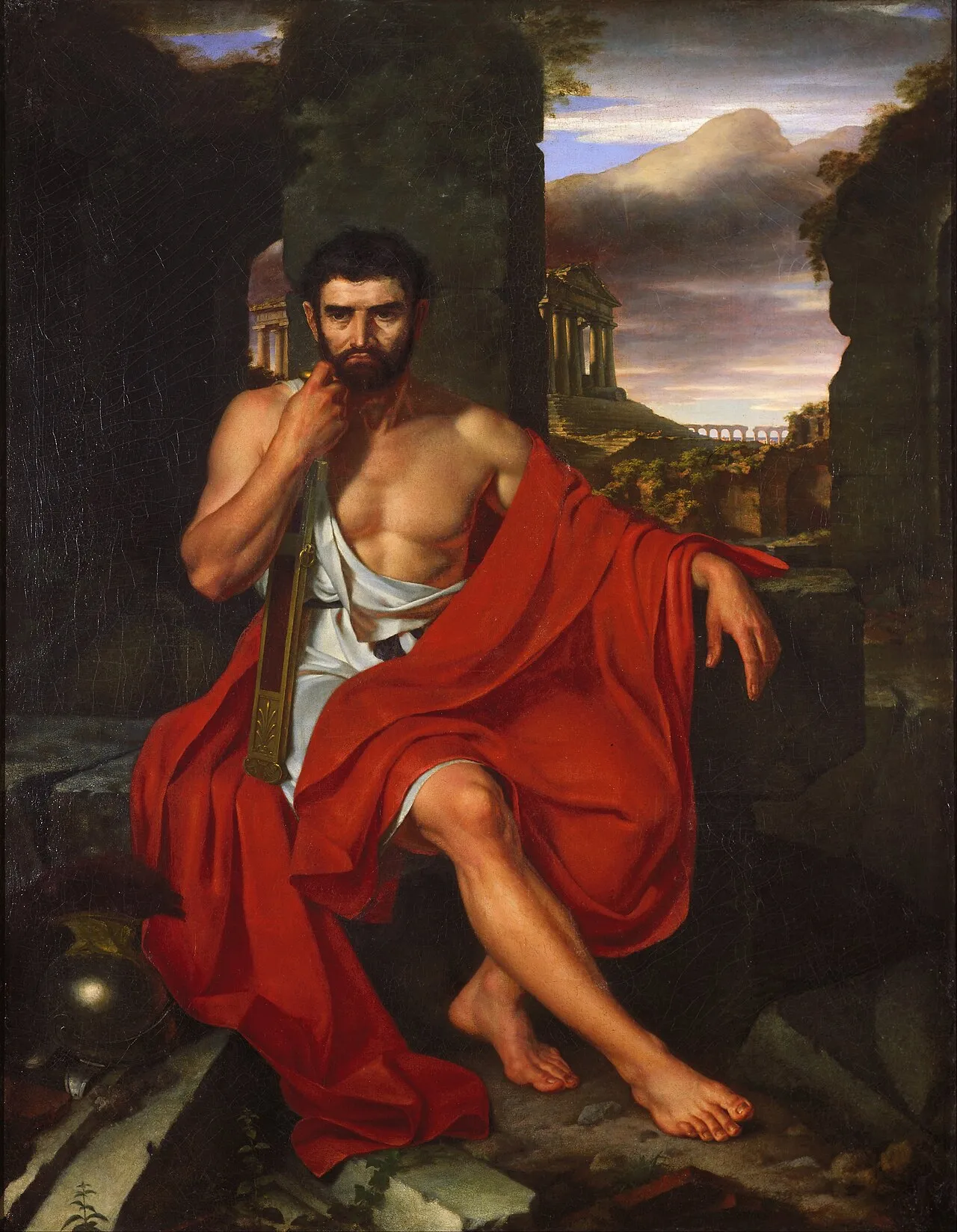
Nell'88 a.C. Silla varcò una soglia che nessun romano aveva mai osato sfiorare. Quando il tribuno Publio Sulpicio Rufo fece approvare con la violenza la legge che assegnava a Mario il ricco comando contro Mitridate, Silla si trovava a Nola, a capo delle sue legioni. Invece di obbedire, radunò i soldati e parlò loro. Promise gloria, bottino, l'Oriente intero: e i legionari, legati ormai più al loro generale che allo Stato, lo seguirono. Tutti i tribuni militari, tranne uno solo, rifiutarono inorriditi e abbandonarono il campo; ma la truppa marciò. Era il tabù supremo della Repubblica: nessun esercito in armi poteva oltrepassare il pomerium, il confine sacro tracciato da Romolo. Silla non si limitò a varcarlo: combatté per le strade di Roma, di quartiere in quartiere, lanciando frecce incendiarie sui tetti. Mario fuggì esule in Africa. Dichiarati nemici pubblici i suoi avversari, Silla partì per la Grecia, dove nei tre anni seguenti schiacciò gli eserciti di Mitridate a Cheronea (86 a.C.) e a Orcomeno (85 a.C.).
In 88 BC Sulla crossed a threshold no Roman had ever dared approach. When the tribune Publius Sulpicius Rufus forced through, by violence, the law assigning Marius the rich command against Mithridates, Sulla was at Nola, at the head of his legions. Instead of obeying, he gathered the soldiers and spoke to them. He promised glory, plunder, the whole East: and the legionaries, bound now more to their general than to the State, followed him. Every military tribune but one refused in horror and abandoned the camp; but the rank and file marched. It was the supreme taboo of the Republic: no army in arms could pass the pomerium, the sacred boundary traced by Romulus. Sulla did not merely cross it: he fought through the streets of Rome, district by district, hurling fire-arrows onto the rooftops. Marius fled into exile in Africa. Having had his opponents declared public enemies, Sulla departed for Greece, where over the next three years he crushed Mithridates's armies at Chaeronea (86 BC) and Orchomenus (85 BC).
Ma mentre Silla guerreggiava in Oriente, alle sue spalle Roma cambiava padrone. I mariani ripresero la città e scatenarono il loro terrore: Mario rientrò trionfante e vendicativo, fece trucidare i nemici politici per le strade e spirò pochi giorni dopo aver assunto il suo settimo, leggendario consolato. Quando Silla riportò le legioni in Italia, nell'83 a.C., trovò un regime mariano arroccato e una guerra civile a tutto campo. Lo scontro decisivo si consumò il 1° novembre dell'82 a.C. davanti alla Porta Collina, sotto le mura stesse di Roma: una mattanza notturna contro l'ultima coalizione di mariani e Sanniti, che si protrasse fino all'alba e in cui Roma stessa rischiò di cadere. Silla vinse. L'indomani entrò in città da signore assoluto, e mentre faceva massacrare nel Circo Flaminio migliaia di prigionieri sanniti, le cui grida giungevano fino al Senato riunito, si fece conferire una carica mostruosa: dictator legibus faciendis et reipublicae constituendae, dittatore «per fare le leggi e riordinare lo Stato», senza alcun limite di tempo. La dittatura tradizionale durava sei mesi; quella di Silla non aveva scadenza.
But while Sulla waged war in the East, behind his back Rome changed masters. The Marians retook the city and unleashed their own terror: Marius returned triumphant and vengeful, had political enemies butchered in the streets, and expired a few days after assuming his seventh, legendary consulship. When Sulla brought his legions back to Italy, in 83 BC, he found an entrenched Marian regime and a civil war raging on every front. The decisive clash came on 1 November 82 BC before the Colline Gate, beneath the very walls of Rome: a nocturnal slaughter against the last coalition of Marians and Samnites, dragging on until dawn, in which Rome itself nearly fell. Sulla won. The next day he entered the city as absolute lord, and while he had thousands of Samnite prisoners massacred in the Circus Flaminius, their screams carrying to the assembled Senate, he had himself granted a monstrous office: dictator legibus faciendis et reipublicae constituendae, dictator "to make laws and set the State in order, " with no limit of time. The traditional dictatorship lasted six months; Sulla's had no expiry.
03Le Proscrizioni e le RiformeThe Proscriptions and the Reforms
Le proscrizioni furono l'invenzione più sinistra di Silla, e la parola stessa entrò per sempre nel lessico del terrore. Nel Foro comparvero tabelle con lunghi elenchi di nomi: chiunque vi figurasse era posto fuori dalla legge, poteva essere ucciso impunemente da chiunque, e il suo patrimonio veniva confiscato e messo all'asta a vantaggio dello Stato, e degli amici del dittatore. Per ogni testa recisa e consegnata si pagavano due talenti; ai figli e ai nipoti dei proscritti fu interdetto per sempre l'accesso alle cariche pubbliche. Il meccanismo era così perfetto nella sua ferocia da generare il proprio abuso: bastava possedere una villa ambita perché un nome venisse aggiunto alla lista. Tra coloro che si arricchirono rastrellando a prezzo vile i beni dei morti vi fu un giovane freddo e calcolatore, Marco Licinio Crasso: la sua sterminata fortuna, quella che un giorno avrebbe finanziato il primo triumvirato, nacque nel sangue delle proscrizioni sillane.
The proscriptions were Sulla's most sinister invention, and the word itself entered forever into the lexicon of terror. In the Forum appeared tablets bearing long lists of names: anyone listed was placed outside the law, could be killed with impunity by anyone, and his estate was confiscated and auctioned for the benefit of the State, and of the dictator's friends. For every severed head delivered, two talents were paid; the sons and grandsons of the proscribed were barred forever from public office. The mechanism was so perfect in its ferocity that it bred its own abuse: it was enough to own a coveted villa for a name to be added to the list. Among those who grew rich raking in the goods of the dead at paltry prices was a cold, calculating young man, Marcus Licinius Crassus: his boundless fortune, the very one that would one day finance the First Triumvirate, was born in the blood of the Sullan proscriptions.
Eppure, cessato il bagno di sangue, Silla rivelò il volto del legislatore. Diede alla Repubblica una riforma costituzionale ampia, lucida e profondamente reazionaria, concepita per restituire al Senato il dominio assoluto sullo Stato. Raddoppiò i senatori da trecento a seicento, immettendovi cavalieri e centurioni a lui fedeli; spuntò le armi dei tribuni della plebe, che riteneva la radice di ogni disordine, vietando loro di presentare leggi senza il placet del Senato e precludendo a chi era stato tribuno ogni ulteriore carriera, così da scoraggiare gli ambiziosi dal cercare quella magistratura. Irrigidì il cursus honorum, fissando età minime severe per ogni carica e l'obbligo di rispettarne l'ordine; portò i tribunali sotto il controllo dei senatori e riorganizzò il governo delle province. Era una restaurazione oligarchica totale: il potere doveva tornare nelle mani dei pochi, e il popolo essere ridotto al silenzio.
And yet, the bloodbath over, Sulla revealed the face of the lawgiver. He gave the Republic a constitutional reform that was sweeping, lucid and deeply reactionary, conceived to restore to the Senate absolute mastery of the State. He doubled the senators from three hundred to six hundred, filling them with equestrians and centurions loyal to him; he blunted the weapons of the tribunes of the plebs, whom he held the root of every disorder, forbidding them to bring laws without the Senate's assent and barring former tribunes from any further career, so as to discourage the ambitious from seeking that magistracy. He stiffened the cursus honorum, fixing strict minimum ages for each office and the duty to follow its order; he brought the courts under senatorial control and reorganised the government of the provinces. It was a total oligarchic restoration: power had to return to the hands of the few, and the people be reduced to silence.
04L'Abdicazione e la MorteThe Abdication and Death
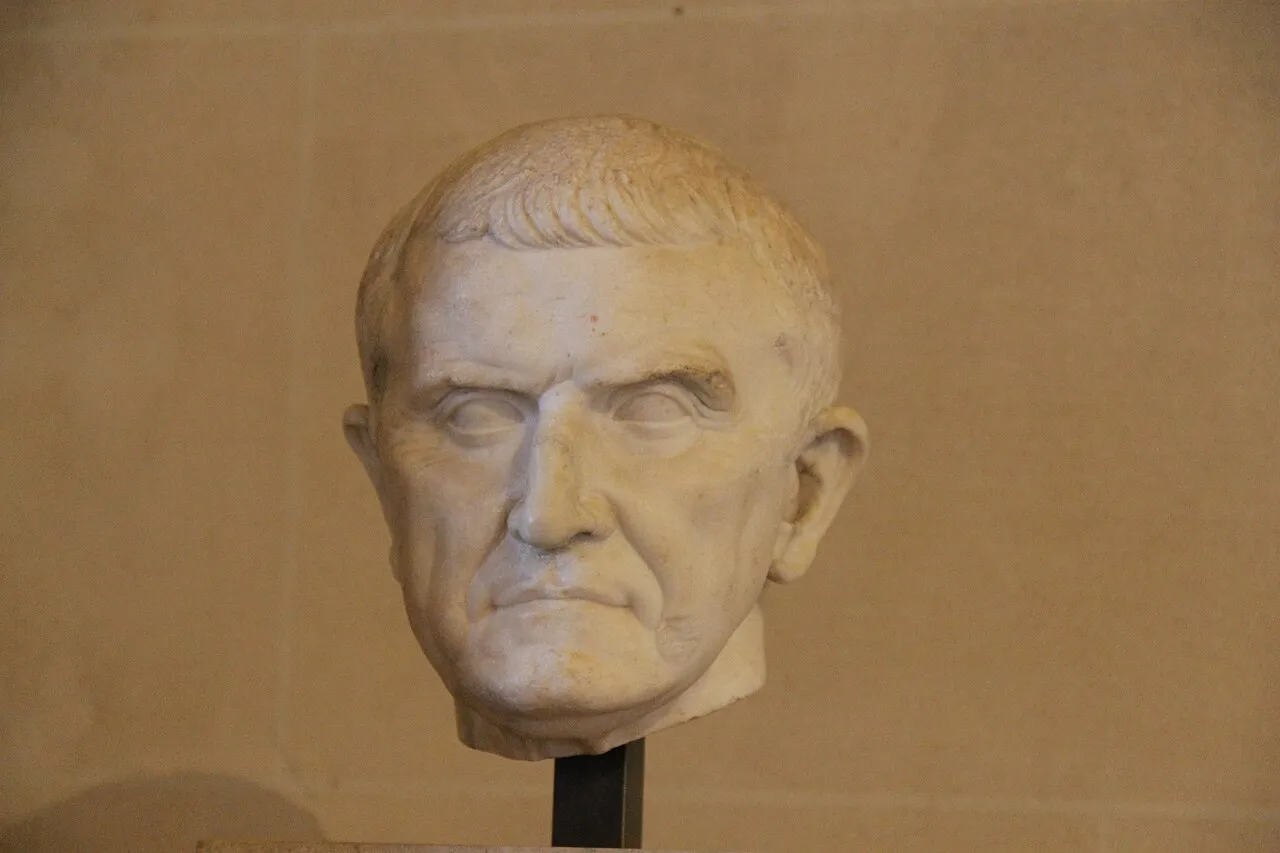
Nel 79 a.C. Silla compì il gesto che ancora oggi sconcerta gli storici: abdicò. All'apice di un potere che nessuna legge limitava, convocò il popolo nel Foro, depose i fasci della dittatura, congedò i littori e si dichiarò di nuovo un semplice cittadino, pronto a rendere conto a chiunque del proprio operato. Nessuno osò chiedergliene. Si racconta che attraversasse Roma scortato soltanto da pochi amici, e che un giovane lo seguisse coprendolo di insulti senza che egli reagisse: Silla si limitò a osservare, con cupa lungimiranza, che quel ragazzo avrebbe insegnato a ogni futuro detentore del potere assoluto a non deporlo mai più. Era una profezia di precisione agghiacciante: nessuno, dopo di lui (non Cesare, non Antonio, non Ottaviano) avrebbe più restituito spontaneamente ciò che la spada aveva conquistato.
In 79 BC Sulla performed the act that still confounds historians: he abdicated. At the height of a power no law restrained, he summoned the people to the Forum, laid down the fasces of the dictatorship, dismissed the lictors, and declared himself once more a private citizen, ready to answer to anyone for his deeds. No one dared call him to account. It is told that he walked across Rome escorted only by a few friends, and that a youth followed him heaping insults without his reacting: Sulla merely observed, with grim foresight, that this boy would teach every future holder of absolute power never to lay it down again. It was a prophecy of chilling precision: no one after him (not Caesar, not Antony, not Octavian) would ever again freely surrender what the sword had won.
Si ritirò nella sontuosa villa di Puteoli, tra i vapori sulfurei dei Campi Flegrei, e si immerse in ciò che più amava: i banchetti, il teatro, la compagnia di attori e di amici, e la stesura delle sue Memorie in ventidue libri, oggi perdute, ma fonte preziosa per Plutarco. La fine giunse nel 78 a.C., e fu orrenda: secondo Plutarco una putrefazione divorò il suo corpo dall'interno, generando vermi che nessuna cura riusciva a debellare, descrizione forse leggendaria, ma in cui gli antichi vollero leggere il giudizio degli dèi sulla sua spietatezza. Roma gli decretò funerali di Stato senza precedenti, con un corteo che raccolse onori da tutta Italia. Sull'epitaffio, che egli stesso aveva dettato, era scolpita la sintesi della sua intera esistenza: «Nessun amico mi superò mai nel bene, nessun nemico nel male».
He retired to his sumptuous villa at Puteoli, amid the sulphurous vapours of the Phlegraean Fields, and plunged into what he loved most: banquets, the theatre, the company of actors and friends, and the writing of his Memoirs in twenty-two books, now lost, but a precious source for Plutarch. The end came in 78 BC, and it was hideous: according to Plutarch a putrefaction devoured his body from within, breeding worms no remedy could check, a description perhaps legendary, but in which the ancients chose to read the gods' verdict on his ruthlessness. Rome decreed him a state funeral without precedent, with a procession that gathered honours from across Italy. On the epitaph he had himself dictated was carved the summary of his entire existence: "No friend ever surpassed me in doing good, nor any enemy in doing harm."
L'eredità di Silla è tanto profonda quanto paradossale. Volle restaurare la Repubblica oligarchica, e finì per dimostrare al mondo che la Repubblica era già morta. Aveva rivelato una verità che non si poteva più nascondere: un generale risoluto, alla testa di legioni fedeli a lui e non allo Stato, poteva impadronirsi di Roma con la forza, e il Senato non possedeva alcuno strumento per fermarlo. Le sue stesse riforme, smantellate nel giro di un decennio, non sopravvissero a chi le aveva imposte. Ma la lezione del metodo rimase. Un giovane di diciotto anni, che si era rifiutato con sprezzo di ripudiare la moglie figlia di un mariano sfidando l'ira del dittatore, l'aveva appresa meglio di chiunque: si chiamava Gaio Giulio Cesare. Mezzo secolo più tardi avrebbe varcato il Rubicone ripetendo, passo per passo, la marcia di Silla, ma questa volta nessuno avrebbe più deposto il potere.
Sulla's legacy is as profound as it is paradoxical. He sought to restore the oligarchic Republic, and ended by proving to the world that the Republic was already dead. He had laid bare a truth that could no longer be hidden: a resolute general, at the head of legions loyal to him and not to the State, could seize Rome by force, and the Senate possessed no instrument to stop him. His own reforms, dismantled within a decade, did not outlive the man who had imposed them. But the lesson of the method remained. A youth of eighteen, who had scornfully refused to repudiate his wife, the daughter of a Marian, defying the dictator's wrath, had learned it better than anyone: his name was Gaius Julius Caesar. Half a century later he would cross the Rubicon, repeating step by step the march of Sulla, but this time no one would lay power down again.