01L'Erede di CannaeHeir of Cannae
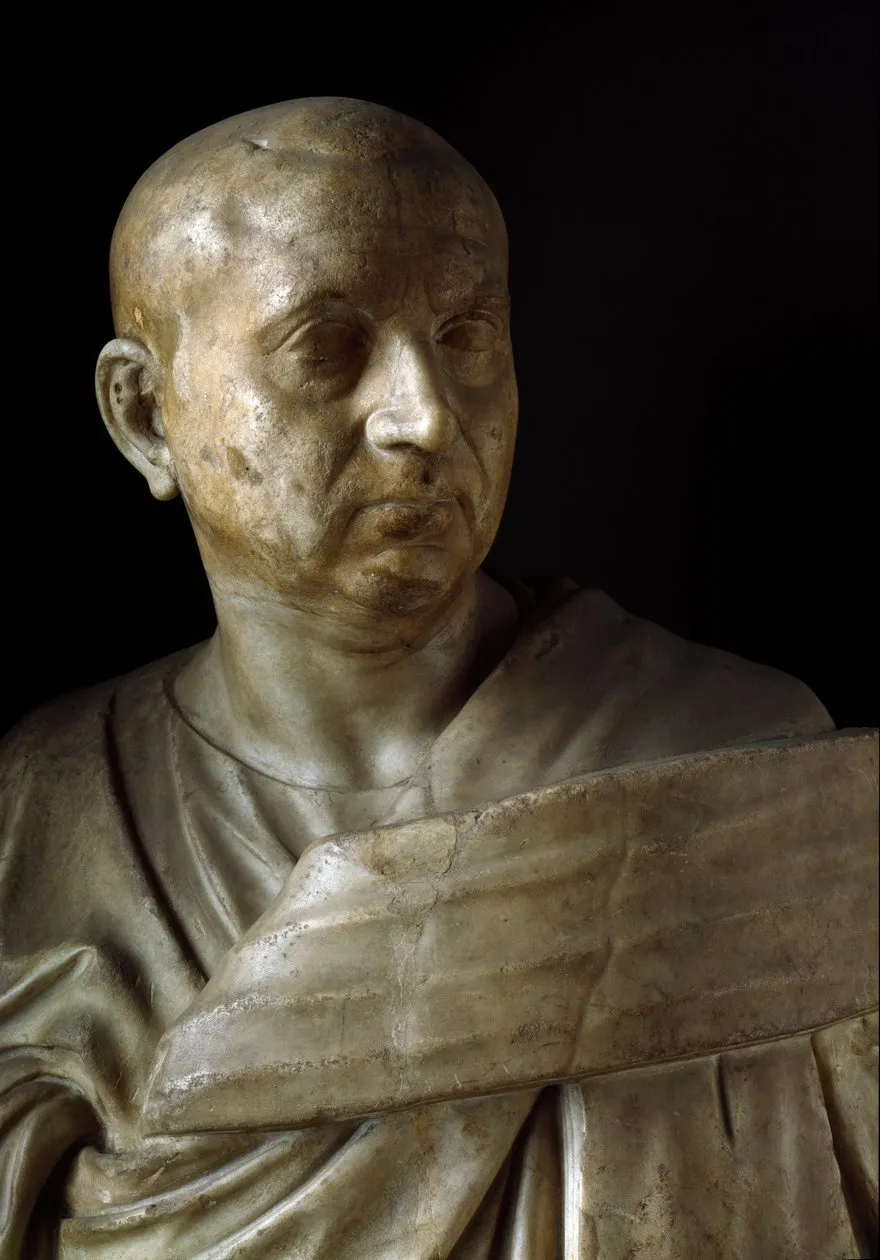
Publio Cornelio Scipione nacque intorno al 236 a.C., nel cuore di una Roma che non aveva ancora conosciuto la paura. Apparteneva ai Cornelii Scipiones, uno dei rami più antichi e illustri del patriziato, una stirpe che da generazioni forniva alla Repubblica consoli e generali. Crebbe respirando l'odore del bronzo e della cera delle imagines, le maschere degli antenati che vegliavano dall'atrio di casa: a un fanciullo di quel sangue non si insegnava un mestiere, si insegnava il comando. Suo padre era console, suo zio Gneo un generale stimato, e il destino di Publio sembrava già scritto nelle pagine del cursus honorum. Poi, nel 218 a.C., dalle Alpi calò la tempesta. Sul fiume Ticino, in una delle prime scaramucce contro Annibale, il padre console rimase isolato e ferito in mezzo alla cavalleria cartaginese. Secondo la tradizione fu il figlio diciassettenne a spronare il cavallo dentro la mischia e a trascinarlo in salvo. Aveva l'età di un ragazzo; ebbe il gesto di un eroe.
Publius Cornelius Scipio was born around 236 BC, in the heart of a Rome that had not yet known fear. He belonged to the Cornelii Scipiones, one of the oldest and most illustrious branches of the patriciate, a line that for generations had furnished the Republic with consuls and generals. He grew up breathing the scent of bronze and of the wax imagines, the ancestral masks that watched over the atrium of the house: a child of that blood was not taught a trade, he was taught command. His father was a consul, his uncle Gnaeus a respected general, and Publius's destiny seemed already written in the pages of the cursus honorum. Then, in 218 BC, the storm descended from the Alps. On the river Ticinus, in one of the first skirmishes against Hannibal, his consul father was cut off and wounded amid the Carthaginian cavalry. According to tradition it was his seventeen-year-old son who spurred his horse into the melee and dragged him to safety. He had the age of a boy; he had the deed of a hero.
Due anni più tardi, il 2 agosto del 216 a.C., il nome di Canne entrò per sempre nel vocabolario della catastrofe. Su quella pianura di Puglia Annibale chiuse ottantamila Romani in una sacca mortale, lasciando arretrare il proprio centro per poi serrare le ali come una tenaglia: in una sola giornata di sole e di polvere caddero forse settantamila legionari, il fiore dell'aristocrazia repubblicana sterminato in poche ore. Tra i pochi che si aprirono la strada con la spada c'era il giovane tribuno militare Scipione. Quella stessa notte, mentre Roma vacillava, filtrò la voce che un gruppo di ufficiali superstiti, impazziti dal terrore, progettava di abbandonare l'Italia e cercare fortuna alla corte di un re straniero. Scipione irruppe nel loro alloggio con un manipolo di fedeli, puntò la spada nuda al petto del loro capo e li costrinse a giurare, uno per uno, che mai avrebbero tradito la patria. Era un atto illegale, un colpo di pura volontà individuale contro il diritto e contro la disperazione, ed era esattamente l'uomo di cui Roma, in quell'ora, aveva un disperato bisogno.
Two years later, on 2 August 216 BC, the name of Cannae entered forever into the vocabulary of catastrophe. On that Apulian plain Hannibal closed eighty thousand Romans into a deadly pocket, letting his own centre give ground only to snap the wings shut like pincers: in a single day of sun and dust perhaps seventy thousand legionaries fell, the flower of the Republican aristocracy wiped out in a matter of hours. Among the few who cut their way out sword in hand was the young military tribune Scipio. That same night, as Rome reeled, word leaked that a group of surviving officers, maddened by terror, were plotting to abandon Italy and seek their fortune at the court of a foreign king. Scipio burst into their quarters with a handful of loyal men, pressed the bare blade to their leader's chest and forced them to swear, one by one, that they would never betray the homeland. It was an illegal act, a stroke of pure individual will against both law and despair, and it was exactly the man Rome, in that hour, desperately needed.
02La Conquista della SpagnaThe Conquest of Spain
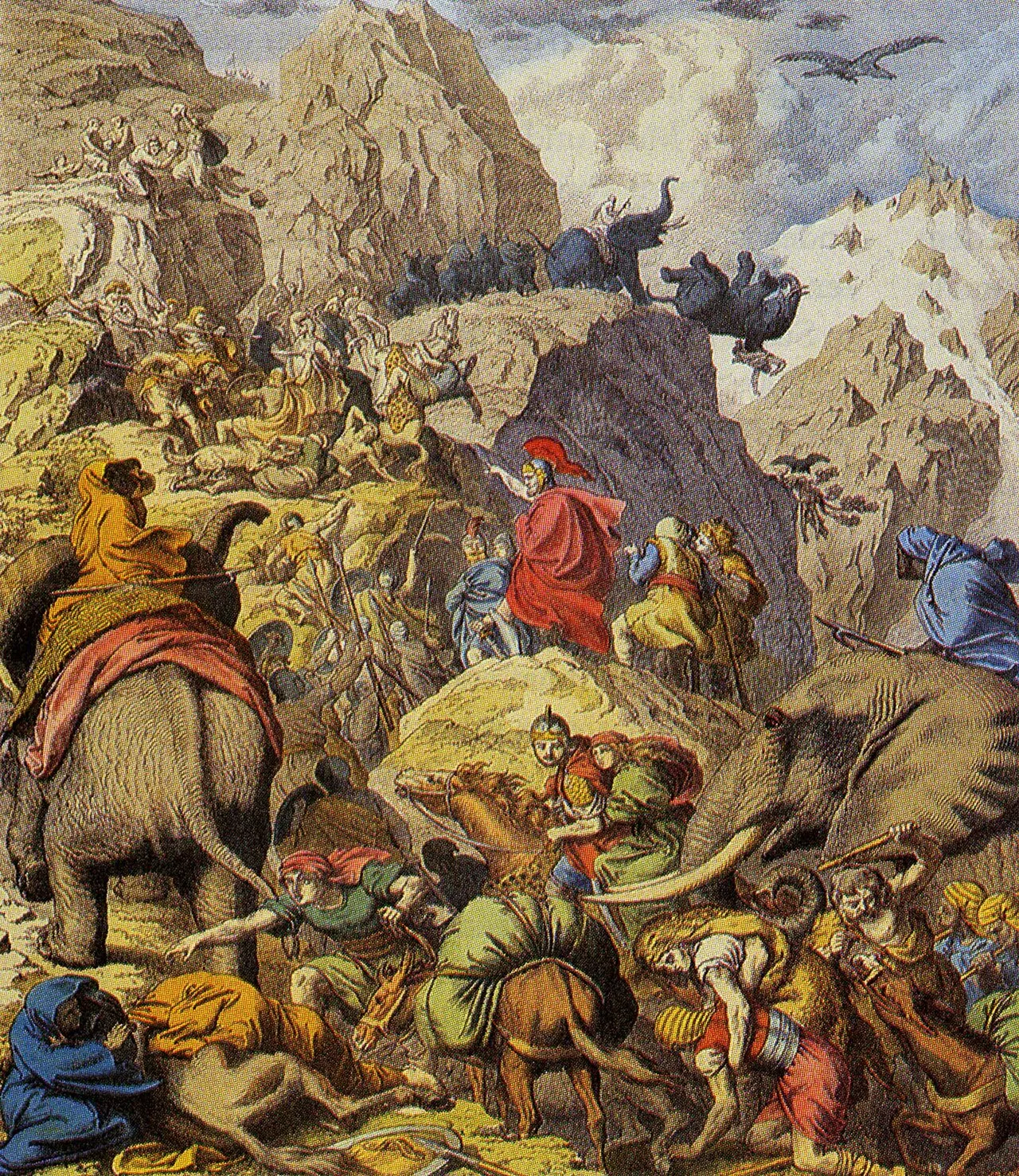
Nel 211 a.C. la guerra di Spagna si tinse di lutto per i Cornelii: in due battaglie combattute a poche settimane di distanza, il padre e lo zio di Scipione furono accerchiati e uccisi dai Cartaginesi. In un colpo solo Roma aveva perduto entrambi i suoi comandanti in Iberia, e il fronte spagnolo, vitale perché tagliava ad Annibale i rifornimenti e le riserve di uomini, rischiava di sgretolarsi. L'anno seguente, quando i comizi si riunirono per assegnare quel comando avvelenato, accadde l'impensabile: nessun senatore di rango osò candidarsi. Allora si fece avanti un solo uomo. Aveva venticinque anni, non aveva ancora percorso il cursus honorum oltre l'edilità, e portava il nome dei due generali appena caduti. Il popolo lo elesse per acclamazione e gli conferì l'imperium proconsolare, un potere che di norma coronava una vita intera di cariche. Pubblio Cornelio Scipione divenne così il più giovane comandante con potere autonomo nella storia della Repubblica.
In 211 BC the Spanish war turned to mourning for the Cornelii: in two battles fought within weeks of each other, Scipio's father and uncle were surrounded and killed by the Carthaginians. At a single stroke Rome had lost both her commanders in Iberia, and the Spanish front, vital because it cut Hannibal off from supplies and reserves of men, threatened to collapse. The following year, when the assembly met to award that poisoned command, the unthinkable happened: not one senator of rank dared to stand. Then a single man came forward. He was twenty-five, had not yet carried the cursus honorum beyond the aedileship, and bore the name of the two generals just fallen. The people elected him by acclamation and granted him proconsular imperium: a power that normally crowned an entire lifetime of office. Publius Cornelius Scipio thus became the youngest commander with independent authority in the history of the Republic.
- 209 a.C. La presa di Carthago Nova — La capitale cartaginese di Spagna sorgeva su un promontorio cinto dal mare e da una laguna: era ritenuta inespugnabile. Scipione la prese in un solo giorno. Spie e pescatori gli avevano rivelato un segreto: con certi venti del nord la laguna si ritirava, lasciando un guado sotto le mura non difese. Mentre l'assalto frontale inchiodava la guarnigione sul lato di terra, egli guidò di persona cinquecento uomini nell'acqua bassa e li scagliò contro le difese sguarnite. Prima di sera la città cadde, e con essa i suoi arsenali, il tesoro e centinaia di ostaggi iberici. Scipione li liberò e li rese alle loro tribù con onore: in un gesto solo trasformò decine di popoli spagnoli da sudditi di Cartagine in alleati di Roma. The taking of Carthago Nova — The Carthaginian capital in Spain stood on a headland ringed by sea and lagoon: it was reckoned impregnable. Scipio took it in a single day. Spies and fishermen had revealed a secret: under certain north winds the lagoon withdrew, leaving a ford beneath the undefended walls. While the frontal assault pinned the garrison on the landward side, he personally led five hundred men through the shallows and hurled them against the stripped defences. Before evening the city fell, and with it its arsenals, its treasury and hundreds of Iberian hostages. Scipio freed them and restored them to their tribes with honour: in a single gesture he turned dozens of Spanish peoples from subjects of Carthage into allies of Rome.
- 208 a.C. Battaglia di Baecula — Sulle alture della Betica Scipione affrontò e sconfisse Asdrubale Barca, fratello di Annibale. La vittoria fu netta, ma il nemico riuscì a sottrarsi con il nerbo dell'esercito e a marciare verso le Alpi, deciso a portare rinforzi al fratello in Italia. A Roma si mormorò che Scipione lo avesse lasciato fuggire. La sua risposta svelava già un disegno più grande: non gli interessava inseguire Asdrubale per la Spagna, gli interessava Cartagine. Nella sua mente prendeva forma l'idea che avrebbe ribaltato la guerra: colpire il nemico nel suo stesso cuore, in Africa. Battle of Baecula — On the heights of Baetica Scipio met and defeated Hasdrubal Barca, Hannibal's brother. The victory was clear, yet the enemy slipped away with the core of his army and marched toward the Alps, determined to carry reinforcements to his brother in Italy. At Rome it was muttered that Scipio had let him escape. His answer already revealed a larger design: he had no interest in chasing Hasdrubal across Spain, his interest was Carthage. In his mind the idea was already taking shape that would overturn the war: to strike the enemy in his own heart, in Africa.
- 206 a.C. Battaglia di Ilipa — Fu il capolavoro tattico della campagna iberica. Di fronte a un esercito cartaginese più numeroso, Scipione tese una trappola psicologica: per giorni schierò le truppe sempre allo stesso modo (Romani al centro, alleati spagnoli ai lati) abituando il nemico a quella visione. Poi, all'alba della battaglia, rovesciò ogni cosa. Mandò avanti i suoi uomini migliori sulle ali e relegò gli Spagnoli al centro, attaccando prima che i Cartaginesi avessero finito di consumare il rancio. Mentre il centro tratteneva il nemico, le ali romane lo avvolsero da entrambi i lati e lo schiacciarono. Era la manovra di Annibale a Canne, capovolta e perfezionata, rovesciata contro gli allievi di Annibale. Quando il sole tramontò, la Spagna era romana. Battle of Ilipa — It was the tactical masterpiece of the Iberian campaign. Facing a more numerous Carthaginian army, Scipio laid a psychological trap: for days he drew up his troops in the same way every time (Romans in the centre, Spanish allies on the wings) conditioning the enemy to that sight. Then, at the dawn of battle, he reversed everything. He sent his best men forward on the wings and relegated the Spaniards to the centre, attacking before the Carthaginians had finished their morning meal. While the centre held the enemy, the Roman wings enveloped him on both sides and crushed him. It was Hannibal's manoeuvre at Cannae, inverted and perfected, turned against Hannibal's own pupils. When the sun went down, Spain was Roman.
03L'Invasione dell'Africa e ZamaThe Invasion of Africa and Zama
Acclamato a Roma come il liberatore della Spagna, Scipione si presentò al Senato con un piano che aveva il sapore dell'eresia: smettere di rincorrere Annibale per le campagne d'Italia e portare invece il ferro e il fuoco in Africa, sotto le mura di Cartagine. Solo così, sosteneva, si sarebbe costretto il grande nemico, che da quindici anni vagava invitto per la penisola, a tornare in patria per difenderla. Contro di lui si levò la voce del vecchio Quinto Fabio Massimo, il Cunctator, il «Temporeggiatore» che con la prudenza aveva salvato Roma dopo Canne: parlò di follia, di azzardo, di un giovane ebbro della propria fortuna. Ma la fortuna, agli occhi dei Romani, era essa stessa una virtù, e Scipione ne sembrava ricolmo. Ottenne il consolato per il 205 a.C. e la provincia di Sicilia; con i fondi raccolti tra le città alleate e un esercito di volontari accorsi al suo nome, nel 204 a.C. salpò per l'Africa.
Hailed at Rome as the liberator of Spain, Scipio came before the Senate with a plan that had the flavour of heresy: to stop chasing Hannibal across the fields of Italy and carry steel and fire instead into Africa, beneath the walls of Carthage. Only thus (he argued) would the great enemy, who for fifteen years had roamed the peninsula undefeated, be forced to return home to defend it. Against him rose the voice of old Quintus Fabius Maximus, the Cunctator, the "Delayer" whose caution had saved Rome after Cannae: he spoke of madness, of recklessness, of a young man drunk on his own fortune. But fortune, to Roman eyes, was itself a virtue, and Scipio seemed brimming with it. He won the consulship for 205 BC and the province of Sicily; with funds gathered among the allied cities and an army of volunteers who flocked to his name, in 204 BC he set sail for Africa.
- 203 a.C. L'incendio dei campi — Bloccato per mesi davanti a Utica, Scipione ricorse all'inganno. Aprì finte trattative di pace con Asdrubale Giscone e con il re numida Siface, alleato di Cartagine, e con il pretesto degli ambasciatori fece studiare ai suoi ufficiali la pianta dei due accampamenti nemici, costruiti di legno e di canne. Poi, in una notte senza luna, vi appiccò il fuoco simultaneamente. Le fiamme corsero più veloci degli uomini: migliaia di Cartaginesi e Numidi arsero vivi o furono trucidati mentre fuggivano disarmati dal rogo. Ciò che restava dei due eserciti fu trascinato in campo aperto e annientato ai Campi Magni. Siface fu catturato poco dopo. La strada per Cartagine era spalancata. The burning of the camps — Stalled for months before Utica, Scipio resorted to deceit. He opened sham peace talks with Hasdrubal Gisco and the Numidian king Syphax, Carthage's ally, and under cover of his envoys had his officers memorise the layout of the two enemy camps, built of wood and reed. Then, on a moonless night, he set them ablaze at the same moment. The flames ran faster than men: thousands of Carthaginians and Numidians burned alive or were cut down as they fled unarmed from the inferno. What remained of the two armies was dragged into open battle and destroyed at the Great Plains. Syphax was taken soon after. The road to Carthage lay wide open.
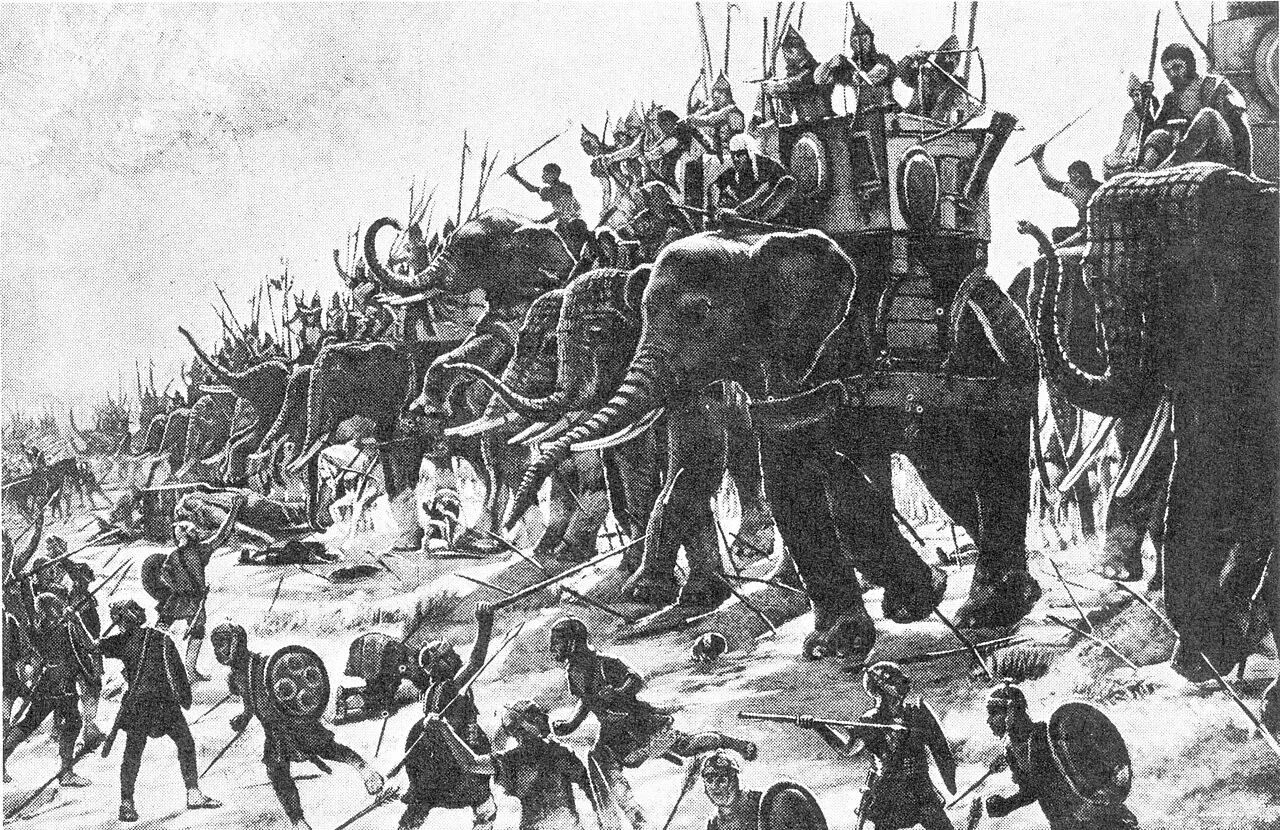
- 202 a.C. — ottobre La battaglia di Zama — Richiamato in fretta dall'Italia, Annibale sbarcò in Africa per la difesa estrema. Prima dello scontro, i due più grandi capitani del mondo vollero guardarsi negli occhi: si incontrarono di persona, con i soli interpreti, in uno dei colloqui più celebri dell'antichità. Annibale offrì la pace cedendo le terre già perdute; Scipione rifiutò: la resa dei conti non poteva più essere rimandata. L'indomani si schierarono gli eserciti che avrebbero deciso il padrone del Mediterraneo. Annibale pose ottanta elefanti in prima linea, certo che avrebbero sfondato. Ma Scipione aveva previsto tutto: ordinò ai manipoli di aprirsi in corridoi e di terrorizzare le bestie con il fragore delle trombe e le grida, deviandole verso il vuoto e contro le stesse file cartaginesi. Poi la cavalleria numida di Massinissa, alleata di Roma, tornata dall'inseguimento, piombò alle spalle del nemico e chiuse la tenaglia. L'allievo aveva battuto il maestro con la sua stessa arte. Fu l'unica sconfitta di Annibale in oltre trent'anni di guerra. The Battle of Zama — Recalled in haste from Italy, Hannibal landed in Africa for the last defence. Before the clash, the two greatest captains in the world wished to look each other in the eye: they met in person, with only their interpreters, in one of the most celebrated conversations of antiquity. Hannibal offered peace by ceding the lands already lost; Scipio refused: the reckoning could be postponed no longer. The next day the armies that would decide the master of the Mediterranean took the field. Hannibal set eighty elephants in the front line, sure they would break through. But Scipio had foreseen it all: he ordered his maniples to open into corridors and to terrify the beasts with the blare of trumpets and shouting, driving them into empty lanes and back against the Carthaginian ranks themselves. Then the Numidian cavalry of Masinissa, Rome's ally, returning from the pursuit, crashed into the enemy's rear and shut the pincers. The pupil had beaten the master with the master's own art. It was Hannibal's only defeat in over thirty years of war.
Le condizioni di pace furono durissime ma non spietate: Cartagine consegnò la flotta da guerra, si impegnò a versare diecimila talenti d'argento in cinquant'anni, rinunciò a ogni possedimento fuori dall'Africa e perse il diritto di muovere guerra senza il consenso di Roma. Non fu la distruzione della città: quella sarebbe venuta solo nel 146 a.C., per mano di un altro Scipione. L'Africano coltivava una visione più sottile e più moderna: un rivale umiliato ma vivo, ridotto all'impotenza ma non cancellato, poteva valere più di un cumulo di macerie. Rientrò in patria al colmo della gloria, accolto come l'uomo che aveva spezzato la più lunga paura di Roma, e il popolo gli tributò un trionfo e un soprannome che nessun cittadino aveva mai portato dal nome di una terra vinta: Africanus. A poco più di trent'anni era il primo uomo della Repubblica, e proprio quella grandezza, troppo solare per un ordinamento che temeva i re, avrebbe finito per scavargli intorno il vuoto.
The peace terms were harsh but not merciless: Carthage surrendered her war fleet, bound herself to pay ten thousand talents of silver over fifty years, gave up every possession outside Africa, and lost the right to make war without Rome's consent. It was not the destruction of the city: that would come only in 146 BC, at the hands of another Scipio. Africanus nursed a subtler and more modern vision: a rival humiliated but alive, reduced to impotence yet not erased, could be worth more than a heap of rubble. He returned home at the summit of glory, welcomed as the man who had broken Rome's longest fear, and the people granted him a triumph and a surname no citizen had ever borne from the name of a conquered land: Africanus. At little more than thirty he was the first man of the Republic, and that very greatness, too bright for a state that feared kings, would in the end hollow out the ground around him.
04La Caduta: un'Ingratitudine RomanaThe Fall: A Roman Ingratitude
Gli anni che seguirono il trionfo africano furono, per Scipione, una lenta discesa nell'ombra. Restava l'uomo più ammirato di Roma, ma proprio per questo il più sorvegliato. La Repubblica era una macchina gelosa, costruita per impedire che un solo cittadino si elevasse troppo sopra gli altri, e l'aura quasi regale dell'Africano cominciava a inquietare il Senato. Il suo nemico più tenace fu Marco Porcio Catone, il rigido censore che avrebbe poi scandito a ogni discorso il suo «Carthago delenda est»: uomo di campagna, di un moralismo antico e intransigente, vedeva nel cosmopolitismo ellenizzante di Scipione, nel suo amore per la cultura greca e nel suo portamento da semidio una minaccia ai costumi degli avi. L'occasione dello scontro venne dall'Oriente. Nel 190 a.C. Scipione affiancò il fratello Lucio nella guerra contro Antioco III di Siria, e a Magnesia il regno seleucide fu piegato. Ma al ritorno, invece della riconoscenza, i due fratelli trovarono un processo: l'accusa di essersi appropriati di parte del bottino e di aver accettato denaro dal re sconfitto.
The years that followed the African triumph were, for Scipio, a slow descent into shadow. He remained the most admired man in Rome, and for that very reason the most watched. The Republic was a jealous machine, built to prevent any single citizen from rising too far above the rest, and the almost regal aura of Africanus had begun to disquiet the Senate. His most tenacious enemy was Marcus Porcius Cato, the rigid censor who would later end every speech with his "Carthago delenda est": a man of the countryside, of an ancient and uncompromising moralism, who saw in Scipio's Hellenizing cosmopolitanism, in his love of Greek culture and his demigod's bearing, a threat to the customs of the ancestors. The occasion for the clash came from the East. In 190 BC Scipio joined his brother Lucius in the war against Antiochus III of Syria, and at Magnesia the Seleucid kingdom was broken. But on their return, instead of gratitude, the two brothers found a trial: the charge of having pocketed part of the booty and accepted money from the defeated king.
Il processo divenne uno dei momenti più memorabili della storia repubblicana. Quando il tribuno cominciò a leggere i capi d'accusa davanti al popolo, Scipione non si difese: si alzò e ricordò che proprio in quel giorno, anni prima, aveva vinto Annibale a Zama e salvato la patria. «Romani, disse, saliamo al Campidoglio a rendere grazie agli dèi.» E si incamminò. La folla lo seguì in massa, lasciando gli accusatori soli nel Foro: per quel giorno il processo si dissolse. Ma l'astio non si placò, e Scipione comprese che la sua Roma non aveva più posto per lui. Stanco, ferito nell'orgoglio, si ritirò nella villa di Liternum, sulla costa campana, e non rimise più piede a Roma. Quando morì, intorno al 183 a.C., per una di quelle coincidenze che paiono scritte dal destino, lo stesso anno in cui Annibale, braccato dai Romani, si dava la morte con il veleno in esilio in Bitinia, lasciò un'ultima volontà tagliente come una sentenza: non voleva riposare nella città che aveva salvato. Sulla tomba, dice la tradizione, fece incidere le parole: «Ingrata patria, ne ossa quidem mea habes» — «Patria ingrata, non avrai nemmeno le mie ossa».
The trial became one of the most memorable moments in Republican history. When the tribune began to read the charges before the people, Scipio did not defend himself: he rose and reminded them that on this very day, years before, he had defeated Hannibal at Zama and saved the homeland. "Romans, " he said, "let us go up to the Capitol to give thanks to the gods." And he set off. The crowd followed him in a mass, leaving his accusers alone in the Forum: for that day the trial dissolved. But the rancour did not subside, and Scipio understood that his Rome no longer had a place for him. Weary, wounded in his pride, he withdrew to his villa at Liternum, on the Campanian coast, and never again set foot in Rome. When he died, around 183 BC, by one of those coincidences that seem written by fate, the same year in which Hannibal, hunted by the Romans, took his own life with poison in exile in Bithynia: he left a final wish as sharp as a verdict: he would not rest in the city he had saved. On his tomb, tradition says, he had these words carved: "Ingrata patria, ne ossa quidem mea habes", "Ungrateful fatherland, you shall not have even my bones."
05Ritratto: l'Uomo e la LeggendaPortrait: The Man and the Legend
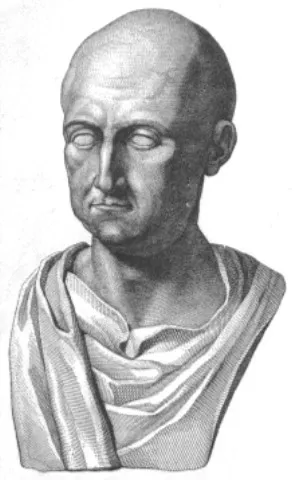
Fin dalla giovinezza Scipione coltivò attorno a sé un'aura di eccezionalità che nessun altro romano della sua generazione aveva osato cercare. Prima di ogni decisione importante saliva da solo al tempio di Giove Capitolino e vi sostava per ore, in silenzio, nella cella del dio; e si raccontava che i cani da guardia, scrive Livio, non gli abbaiassero mai contro. Lasciò credere di ricevere consigli direttamente dagli dèi, e non smentì mai apertamente la voce: gli era utile. Si sussurrava persino che la madre Pomponia lo avesse concepito da un serpente disteso nel suo letto, il medesimo prodigio che la leggenda attribuiva alla nascita di Alessandro Magno. Polibio, scettico per natura e per metodo, comprese il gioco: Scipione, scrive, non credeva davvero a quei segni, ma sapeva che i suoi soldati ne avevano bisogno, e perciò «agiva come se fosse ispirato dagli dèi», facendone uno strumento di comando.
From his youth Scipio cultivated about himself an aura of exceptionality that no other Roman of his generation had dared to seek. Before every important decision he would climb alone to the temple of Jupiter Capitolinus and linger there for hours, in silence, in the god's inner cell; and it was told that the guard dogs, Livy writes, never barked at him. He let it be believed that he received counsel directly from the gods, and never openly denied the rumour: it served him well. It was even whispered that his mother Pomponia had conceived him by a serpent stretched in her bed, the very prodigy that legend attributed to the birth of Alexander the Great. Polybius, sceptical by nature and by method, saw through the game: Scipio, he writes, did not truly believe in those signs, but he knew his soldiers needed them, and so he "acted as if inspired by the gods, " making of it an instrument of command.
Era, nel profondo, un uomo greco di cultura. Parlava correntemente la lingua di Atene, leggeva Senofonte, vestiva talora alla maniera ellenica e amava il teatro, le terme, la conversazione dei filosofi: gesti che facevano fremere d'orrore Catone e l'ala più rigida del Senato. Aveva ufficiali greci nel suo stato maggiore e rispettava la civiltà del nemico in un'epoca in cui Roma vedeva nel mondo non latino soltanto una massa di barbari da soggiogare. Quando, alla vigilia di Zama, incontrò Annibale, i due, narrano Livio e Polibio, si parlarono in greco, da pari a pari, con la cortesia di chi riconosce nell'avversario la propria misura. Anni dopo, entrambi ormai esuli, un aneddoto immortale li riunì: interrogato su chi fosse il più grande condottiero della storia, Annibale rispose Alessandro, poi Pirro, poi se stesso; e quando Scipione, sorridendo, gli chiese dove si sarebbe collocato se non lo avesse vinto, Annibale replicò che allora si sarebbe posto davanti a tutti. Era, sotto il velo dell'orgoglio, il più alto degli omaggi: l'uomo che aveva fatto tremare Roma riconosceva nel romano il proprio vincitore.
He was, at his core, a man of Greek culture. He spoke the language of Athens fluently, read Xenophon, sometimes dressed in the Hellenic manner and loved the theatre, the baths, the conversation of philosophers: gestures that made Cato and the sternest wing of the Senate shudder with horror. He kept Greek officers on his staff and respected the enemy's civilisation in an age when Rome saw in the non-Latin world only a mass of barbarians to be subdued. When, on the eve of Zama, he met Hannibal, the two, Livy and Polybius relate, spoke to each other in Greek, as equals, with the courtesy of men who recognise in their adversary their own measure. Years later, both by then in exile, an immortal anecdote reunited them: asked who was the greatest commander in history, Hannibal answered Alexander, then Pyrrhus, then himself; and when Scipio, smiling, asked where he would have placed himself had he not been beaten, Hannibal replied that then he would have set himself above them all. Beneath the veil of pride it was the highest of tributes: the man who had made Rome tremble acknowledged in the Roman his conqueror.
Ma il genio di Scipione non visse soltanto di carisma e di astuzia: rifondò la macchina militare romana. Diede alla legione manipolare una flessibilità sconosciuta, trasformando hastati, principes e triarii da semplici linee successive in unità capaci di manovre laterali coordinate, di aprirsi e richiudersi a comando. Impose ai soldati un addestramento quotidiano modellato sulle tecniche dei gladiatori, e fu il primo generale di Roma a fare dello spionaggio uno strumento sistematico di guerra: a Carthago Nova conosceva le maree, a Ilipa le abitudini del nemico, a Zama il terreno e le bestie che vi avrebbe affrontato. Per lui la battaglia si vinceva nella mente molto prima che sul campo. In questo, più che un erede della tradizione, fu un anticipatore: il prototipo del comandante moderno, che calcola prima di colpire.
But Scipio's genius did not live on charisma and cunning alone: he refounded the Roman military machine. He gave the manipular legion an unknown flexibility, turning hastati, principes and triarii from mere successive lines into units capable of coordinated lateral manoeuvres, of opening and closing on command. He imposed on his soldiers a daily training modelled on the techniques of gladiators, and he was the first Roman general to make espionage a systematic instrument of war: at Carthago Nova he knew the tides, at Ilipa the enemy's habits, at Zama the ground and the beasts he would face there. For him the battle was won in the mind long before the field. In this, more than an heir of tradition, he was a forerunner: the prototype of the modern commander, who calculates before he strikes.
06L'Eredità: Da Scipione Emiliano a CiceroneThe Legacy: From Scipio Aemilianus to Cicero
L'eredità di Scipione fu insieme di sangue e di pensiero, e attraversò i secoli per entrambe le vie. Sua figlia Cornelia, donna di cultura e di fermezza leggendarie, sposò Tiberio Sempronio Gracco e generò i due tribuni che avrebbero scosso le fondamenta della Repubblica nel tentativo di riformarla: Tiberio e Gaio Gracco. Rimasta vedova, Cornelia rifiutò perfino la mano di un re d'Egitto pur di restare a Roma a crescere i figli, e la sua saggezza divenne proverbiale. Quando una matrona le mostrò con orgoglio i propri gioielli e le chiese di esibire i suoi, Cornelia attese il ritorno dei figli dalla scuola, li indicò e rispose: «Haec ornamenta mea sunt» — «Questi sono i miei gioielli». In lei l'orgoglio degli Scipioni si fece virtù civile.
Scipio's legacy was at once of blood and of thought, and it crossed the centuries by both roads. His daughter Cornelia, a woman of legendary culture and firmness, married Tiberius Sempronius Gracchus and bore the two tribunes who would shake the foundations of the Republic in the attempt to reform it: Tiberius and Gaius Gracchus. Widowed, Cornelia even refused the hand of an Egyptian king to remain at Rome and raise her sons, and her wisdom became proverbial. When a matron proudly displayed her own jewels and asked to see hers, Cornelia waited for her sons to return from their lessons, pointed to them and answered: "Haec ornamenta mea sunt" ("These are my jewels.") In her the pride of the Scipios became civic virtue.
Per via di adozione, il nome e il prestigio della casa passarono a Publio Cornelio Scipione Emiliano, nipote acquisito dell'Africano. Fu lui, nel 146 a.C., a compiere ciò che il nonno aveva scelto di non fare: stringere d'assedio Cartagine e raderla al suolo, chiudendo per sempre la sfida punica. Si racconta che, contemplando la città in fiamme, Emiliano abbia recitato i versi di Omero sulla caduta di Troia («Verrà un giorno in cui perirà la sacra Ilio, e Priamo, e il popolo di Priamo») pensando, con un brivido, che un destino simile potesse un giorno attendere anche Roma. Accanto a lui viveva Polibio, lo storico greco che aveva conosciuto da vicino l'Africano e ne avrebbe tramandato il ritratto più lucido. Attorno a Emiliano fiorì il celebre «Circolo degli Scipioni», un cenacolo di intellettuali greci e romani, vi gravitavano il filosofo Panezio e il commediografo Terenzio, che fu la prima vera fucina dell'umanesimo latino.
Through adoption, the name and prestige of the house passed to Publius Cornelius Scipio Aemilianus, the adoptive grandson of Africanus. It was he who, in 146 BC, accomplished what his grandfather had chosen not to do: to besiege Carthage and raze it to the ground, closing the Punic challenge forever. It is told that, gazing on the burning city, Aemilianus recited Homer's verses on the fall of Troy ("There will come a day when sacred Ilium shall perish, and Priam, and Priam's people") thinking, with a shudder, that a like fate might one day await Rome too. Beside him lived Polybius, the Greek historian who had known Africanus closely and would hand down his clearest portrait. Around Aemilianus flourished the famous "Scipionic Circle, " a coterie of Greek and Roman intellectuals, the philosopher Panaetius and the playwright Terence moved within it, which was the first true workshop of Latin humanism.
Più di un secolo dopo, nel 51 a.C., fu ancora uno Scipione a ispirare la più alta pagina filosofica di Roma. Cicerone scelse l'Africano per suggellare il suo De re publica con il Somnium Scipionis, «Il Sogno di Scipione». Vi si racconta di Scipione Emiliano che, addormentato sotto le stelle alla vigilia di una battaglia, riceve in sogno la visita del nonno adottivo: l'Africano gli svela il destino dell'anima dopo la morte, l'armonia delle sfere celesti, l'irrisoria piccolezza della gloria terrena di fronte all'eternità del cosmo. Da quel breve testo, salvato e meditato per tutto il Medioevo grazie al commento di Macrobio, sarebbe germogliata un'intera tradizione di pensiero, fino a Dante e a Tasso, sull'idea che servire la patria sia partecipare a un ordine divino.
More than a century later, in 51 BC, it was again a Scipio who inspired Rome's loftiest philosophical page. Cicero chose Africanus to seal his De re publica with the Somnium Scipionis, "Scipio's Dream." It tells of Scipio Aemilianus who, asleep beneath the stars on the eve of a battle, receives in a dream the visit of his adoptive grandfather: Africanus reveals to him the destiny of the soul after death, the harmony of the celestial spheres, the laughable smallness of earthly glory before the eternity of the cosmos. From that brief text, preserved and meditated upon throughout the Middle Ages thanks to Macrobius's commentary, a whole tradition of thought would spring, down to Dante and Tasso, on the idea that to serve one's country is to share in a divine order.
La fortuna postuma dell'Africano non conobbe tramonto. Tito Livio gli dedicò le pagine più ispirate dei libri XXI–XXX e XXXVIII dell'Ab Urbe Condita, scolpendo intorno a lui l'immagine del condottiero romano ideale. Petrarca, quindici secoli dopo, ne fece l'eroe del suo poema epico latino, l'Africa, sognando di rinverdire con lui la gloria di Roma; Machiavelli lo studiò nei Discorsi, confrontandolo con Annibale per estrarne le leggi eterne del comando; e l'età dei Lumi e delle rivoluzioni lo riscoprì come modello di virtù repubblicana, celebrato da Voltaire e dipinto dai maestri del Neoclassicismo. La sua tomba di Liternum non è mai stata ritrovata, come egli aveva voluto. Ma il nome di Scipione l'Africano è rimasto inciso là dove nessuna patria ingrata può cancellarlo: tra i pochissimi uomini che hanno piegato il corso della storia del Mediterraneo.
The posthumous fortune of Africanus knew no sunset. Livy devoted to him the most inspired pages of books XXI–XXX and XXXVIII of the Ab Urbe Condita, carving around him the image of the ideal Roman commander. Petrarch, fifteen centuries later, made him the hero of his Latin epic poem, the Africa, dreaming of reviving Rome's glory through him; Machiavelli studied him in the Discourses, comparing him with Hannibal to draw out the eternal laws of command; and the age of the Enlightenment and of revolutions rediscovered him as a model of republican virtue, praised by Voltaire and painted by the masters of Neoclassicism. His tomb at Liternum has never been found, as he had wished. But the name of Scipio Africanus has remained engraved where no ungrateful fatherland can erase it: among the very few men who bent the course of Mediterranean history.