01Il Soldato di DioclezianoDiocletian's Soldier
Origini pannoniche e amicizia con Diocleziano (ca. 250–284 d.C.)
Pannonian origins and friendship with Diocletian (c. 250–284 AD)
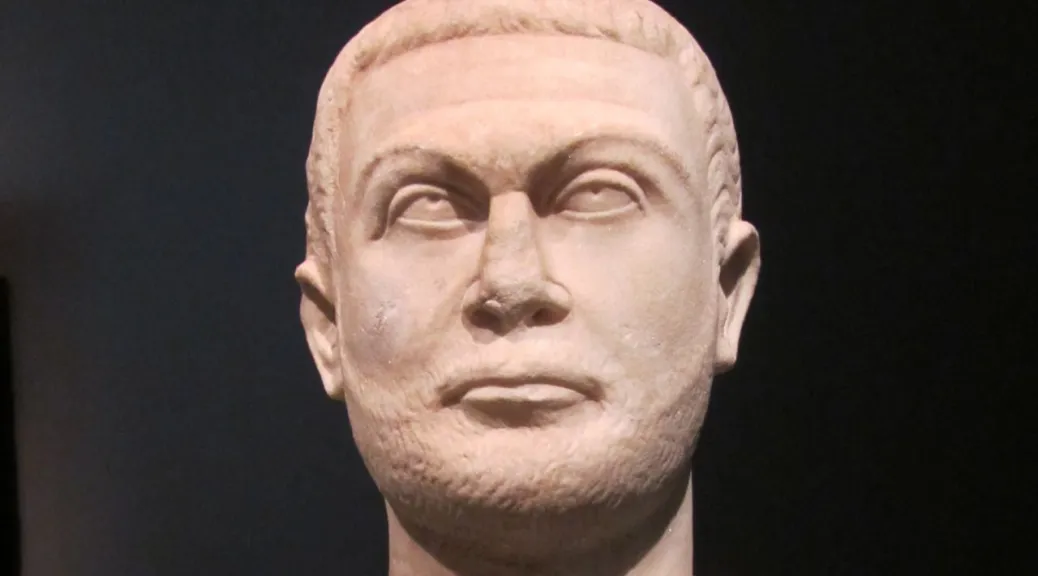
Marco Aurelio Valerio Massimiano nacque attorno al 250 d.C. nei pressi di Sirmium (Pannonia, oggi Sremska Mitrovica, Serbia), da una famiglia contadina priva di mezzi, il padre, secondo Eutropio, era un mercante o un piccolo bottegaio. Come Diocleziano, di cinque anni più anziano e nato pochi chilometri più a sud nella stessa regione illirica, trovò nella carriera militare l'unica via di ascesa sociale disponibile. I due si conobbero giovanissimi nelle legioni del Danubio, servirono insieme sotto Aureliano, Probo e Caro, e svilupparono un'amicizia che sarebbe rimasta il fondamento più solido della Tetrarchia. Massimiano era totalmente diverso dal compagno: fisicamente imponente, brutale in battaglia, scarsamente alfabetizzato (le fonti lo descrivono come vir asper, "uomo aspro"), ma di lealtà assoluta verso il proprio amico. Diocleziano era il cervello; lui era il braccio.
Marcus Aurelius Valerius Maximianus was born around 250 AD near Sirmium (Pannonia, modern Sremska Mitrovica, Serbia), from a peasant family without means: his father, according to Eutropius, was a merchant or small shopkeeper. Like Diocletian, five years his elder and born a few kilometres further south in the same Illyrian region, he found in the military career the only avenue of social advancement available. The two met very young in the Danubian legions, served together under Aurelian, Probus and Carus, and developed a friendship that would remain the most solid foundation of the Tetrarchy. Maximian was totally different from his companion: physically imposing, brutal in battle, barely literate (the sources describe him as vir asper, "harsh man"), but absolutely loyal to his friend. Diocletian was the brain; he was the arm.
Cesare 285 d.C., Augustus 286 d.C.: la nascita della Diarchia
Caesar 285 AD, Augustus 286 AD: birth of the Dyarchy
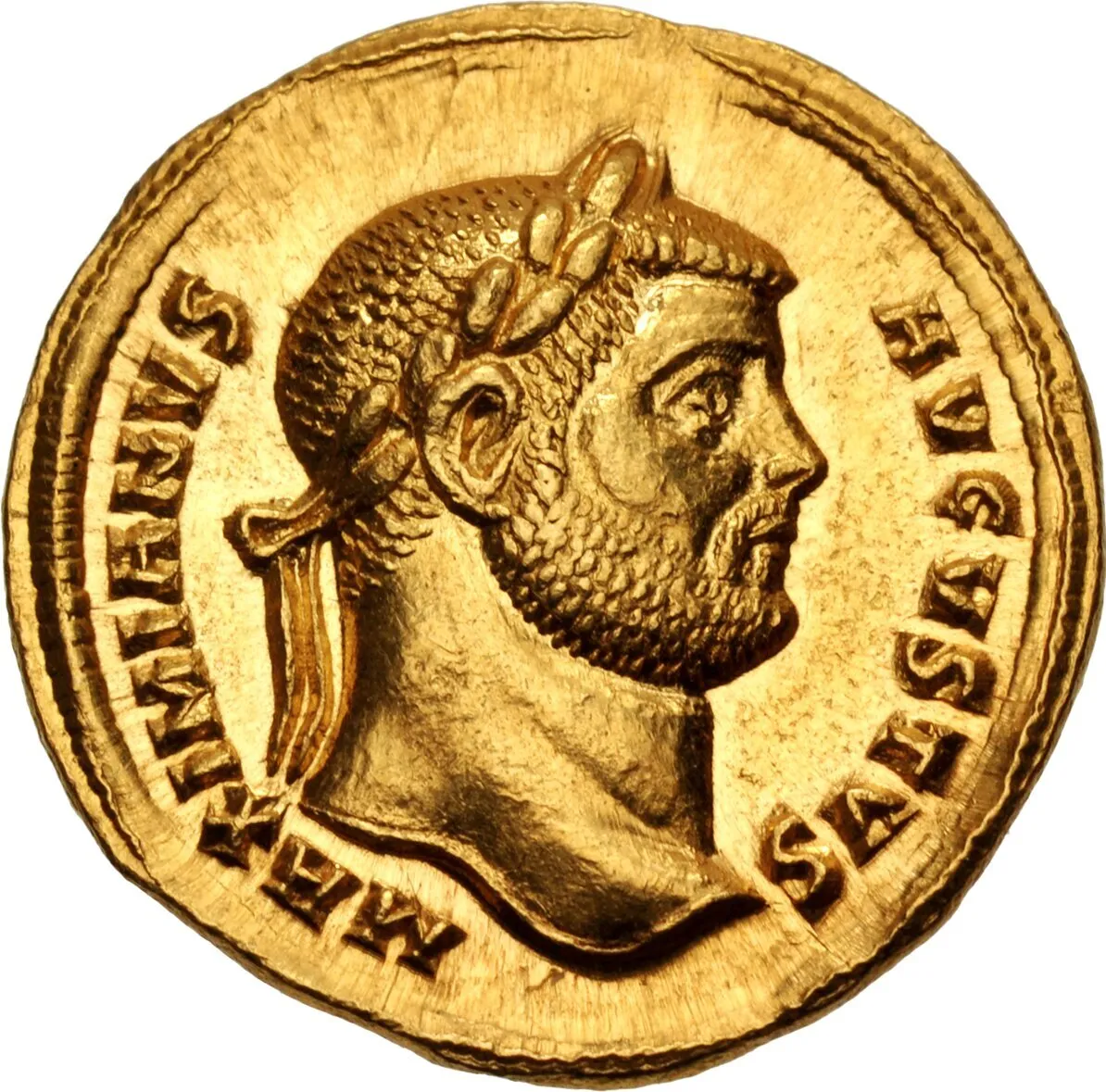
Subito dopo la battaglia del Margus (estate 285), Diocleziano si trovò davanti al problema strutturale del III secolo: un solo imperatore non basta. La Gallia era in rivolta, il Reno era violato, la Britannia stava per staccarsi. La soluzione era nominare un collega affidabile. Massimiano fu acclamato Cesare il 21 luglio 285 a Mediolanum (Milano), e inviato immediatamente in Gallia. Là, in pochi mesi, schiacciò la grande rivolta dei Bagaudi: bande di contadini galli, schiavi fuggitivi e veterani disertori che avevano creato un proprio stato armato sotto i capi Aeliano e Amando. La pacificazione fu rapida e brutale, come si addiceva al carattere di Massimiano. Il 1° aprile 286 Diocleziano lo elevò ad Augustus, suo pari di rango. Assunse il signum divino di Herculius (figlio di Ercole, esecutore di fatiche). Diocleziano era Iovius, padre celeste; Massimiano era il suo braccio terreno, il guerriero che esegue gli ordini divini.
Immediately after the battle of the Margus (summer 285), Diocletian faced the structural problem of the 3rd century: one emperor is not enough. Gaul was in revolt, the Rhine was breached, Britain was about to break away. The solution was to appoint a trustworthy colleague. Maximian was acclaimed Caesar on 21 July 285 at Mediolanum (Milan), and sent immediately to Gaul. There, within months, he crushed the great revolt of the Bagaudae: bands of Gallic peasants, runaway slaves and deserting veterans who had created their own armed state under the chiefs Aelianus and Amandus. Pacification was rapid and brutal, fitting Maximian's character. On 1 April 286 Diocletian elevated him to Augustus, his peer in rank. He assumed the divine signum of Herculius (son of Hercules, performer of labours). Diocletian was Iovius, heavenly father; Maximian was his earthly arm, the warrior who executes the divine orders.
La spartizione territoriale: Occidente a Milano
Territorial division: West from Milan
Con l'elevazione ad Augustus, Massimiano ottenne il governo dell'intero Occidente: Italia, Africa, Gallia, Britannia, Hispania, mentre Diocleziano teneva l'Oriente. Stabilì la propria capitale a Mediolanum (Milano), città strategicamente posizionata fra il limes renano e quello danubiano, dove sarebbe rimasto per quasi vent'anni. Roma, di nuovo, fu marginalizzata: Massimiano vi mise piede solo per cerimonie eccezionali (i Vicennalia del 303 con Diocleziano). Quando nel 293 fu introdotta la Tetrarchia piena, dovette adottare come Cesare Costanzo I Cloro (anch'egli illirico, padre del futuro Costantino), e dargli in sposa la figliastra Teodora. La sua altra figlia, Fausta, sarebbe stata promessa al giovane Costantino: i destini di Massimiano e dei Costantinidi furono intrecciati fin dall'inizio.
With his elevation to Augustus, Maximian received the government of the entire West: Italy, Africa, Gaul, Britain, Hispania, while Diocletian kept the East. He established his capital at Mediolanum (Milan), a city strategically placed between the Rhine and Danube limites, where he would remain for almost twenty years. Rome, once again, was marginalised: Maximian set foot there only for exceptional ceremonies (the Vicennalia of 303 with Diocletian). When in 293 the full Tetrarchy was introduced, he had to adopt Constantius I Chlorus as Caesar (also Illyrian, father of the future Constantine), and give him in marriage his stepdaughter Theodora. His other daughter, Fausta, would be promised to the young Constantine: the destinies of Maximian and the Constantinians were intertwined from the beginning.
« Iovius e Herculius: due imperatori, una sola maestà . Quello pensa, questo combatte; quello regna, questo difende » . « Iovius and Herculius: two emperors, one majesty. The one thinks, the other fights; the one reigns, the other defends » . Panegirico di Mamertino a Massimiano, 289 d.C. (Pan. Lat. X), la formula ideologica della Diarchia tetrarchicaPanegyric of Mamertinus to Maximian, 289 AD (Pan. Lat. X), the ideological formula of the tetrarchic Dyarchy
02Le Campagne MilitariMilitary Campaigns
- 285–286 d.C.Bagaudi di Gallia — Bande di contadini galli, schiavi fuggitivi e disertori avevano creato un proprio Stato armato sotto i capi Aeliano e Amando, che si erano persino coniati monete con la legenda AVGVSTI. Massimiano li schiacciò in due brevi campagne, quasi guerra di polizia, ma il problema sociale sottostante (collasso del piccolo proprietario gallico) rimase irrisolto per due secoli.Gallic Bagaudae — Bands of Gallic peasants, runaway slaves and deserters had created their own armed state under the chiefs Aelianus and Amandus, who even minted coins with the legend AVGVSTI. Maximian crushed them in two brief campaigns, almost police actions, but the underlying social problem (collapse of the small Gallic landowner) remained unresolved for two centuries.
- 286–288 d.C.Reno: Alemanni, Franchi, Burgundi — Massimiano marciò verso Mogontiacum (Magonza), ricostruì il limes germanicus distrutto, sconfisse gli Alemanni in una serie di battaglie nelle valli del Reno e attraversò il fiume devastando il territorio nemico in profondità. Catturò il re alemanno Geneboldo e impose ai Franchi la restituzione del bottino.Rhine: Alemanni, Franks, Burgundians — Maximian marched on Mogontiacum (Mainz), rebuilt the shattered limes germanicus, defeated the Alemanni in a series of battles in the Rhine valleys and crossed the river devastating enemy territory in depth. He captured the Alemannic king Genebald and forced the Franks to return their plunder.
- 286–293 d.C.Britannia perduta: l'usurpazione di Carausio — Marco Aurelio Mausaeo Carausio, comandante della flotta del Canale (classis Britannica), si proclamò Augusto nel 286 e fondò un Impero Britannico autonomo che durò sette anni, coniando moneta a Londinium con la legenda RESTITVTOR BRITANNIAE. Massimiano allestì una flotta a Gesoriacum (Boulogne) nel 289, ma fu battuta dai marinai di Carausio. La riconquista sarebbe toccata al Cesare Costanzo I Cloro nel 296, dopo l'assassinio di Carausio da parte del suo tesoriere Alletto.Britain lost: Carausius's usurpation — Marcus Aurelius Mausaeus Carausius, commander of the Channel fleet (classis Britannica), proclaimed himself Augustus in 286 and founded an autonomous British Empire that lasted seven years, minting coins at Londinium with the legend RESTITVTOR BRITANNIAE. Maximian fitted out a fleet at Gesoriacum (Boulogne) in 289, but it was beaten by Carausius's sailors. The reconquest would fall to Caesar Constantius I Chlorus in 296, after the assassination of Carausius by his treasurer Allectus.
- 297–298 d.C.Mauretania: i Quinquegentanei — In Nord Africa Massimiano represse la grande rivolta dei Quinquegentanei ("Cinque popoli"), una confederazione di tribù berbere che aveva saccheggiato le province mauretane fino a Cartagine. La campagna durò due anni e fu il suo trionfo personale più importante. Stabilizzò il limes africano per i due secoli successivi.Mauretania: the Quinquegentanei — In North Africa Maximian crushed the great revolt of the Quinquegentanei ("Five Peoples"), a confederation of Berber tribes that had sacked the Mauretanian provinces as far as Carthage. The campaign lasted two years and was his most important personal triumph. He stabilised the African limes for the next two centuries.
- 298 d.C.Trionfo congiunto a Roma per la pace di Nisibi — Mentre Galerio consegnava la grande vittoria sasanide a Oriente, Massimiano partecipò al doppio trionfo tetrarchico per le vittorie su tutti i fronti. Le iscrizioni lo celebrano come Germanicus Maximus, Sarmaticus Maximus, Persicus Maximus.Joint triumph at Rome for the Peace of Nisibis — While Galerius delivered the great Sasanian victory in the East, Maximian took part in the double tetrarchic triumph for victories on all fronts. The inscriptions celebrate him as Germanicus Maximus, Sarmaticus Maximus, Persicus Maximus.
- 303 d.C.Vicennalia a Roma — Per il ventennale del regno, Massimiano e Diocleziano visitarono insieme Roma, unica volta per entrambi. Massimiano vi commissionò il completamento delle gigantesche Terme di Diocleziano (oggi Santa Maria degli Angeli) e fece costruire ulteriori monumenti onorari al collega. La Tetrarchia era al suo apogeo visibile.Vicennalia at Rome — For the twentieth anniversary of his reign, Maximian and Diocletian visited Rome together: the only such time for both. Maximian commissioned the completion of the colossal Baths of Diocletian (today Santa Maria degli Angeli) and had further honorific monuments built for his colleague. The Tetrarchy was at its visible apogee.
03L'Abdicazione Forzata e il Doppio RitornoForced Abdication and Double Return
L'abdicazione di Milano (1° maggio 305 d.C.)
The Milan abdication (1 May 305 AD)
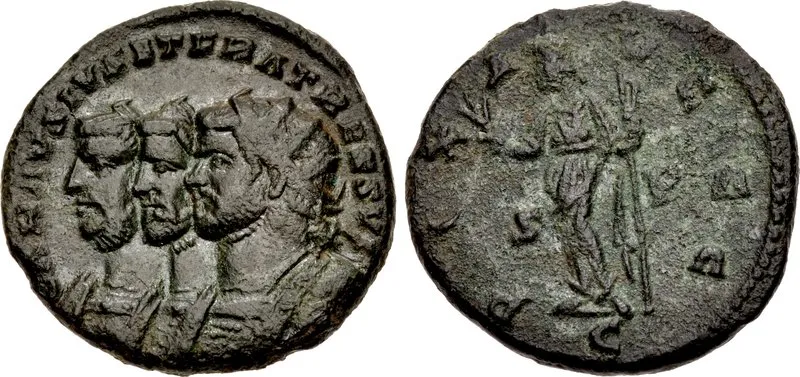
Quando, nell'estate del 304, Diocleziano si ammalò gravemente e maturò la decisione di abdicare, comunicò a Massimiano che anche lui doveva ritirarsi: il sistema tetrarchico richiedeva la rinuncia simultanea dei due Augusti per legittimare la promozione automatica dei due Cesari. Massimiano non voleva. Le fonti (Lattanzio in particolare) raccontano che Diocleziano dovette costringerlo con minacce velate. Il 1° maggio 305, in una cerimonia simultanea a Nicomedia (per Diocleziano) e a Milano (per Massimiano), entrambi posarono la porpora. I due Cesari Galerio e Costanzo I divennero automaticamente Augusti; come nuovi Cesari furono nominati Severo II (Occidente) e Massimino Daia (Oriente): entrambi creature di Galerio. Massimiano si ritirò in una villa in Lucania, ma non smise di covare rancore.
When in summer 304 Diocletian fell gravely ill and decided to abdicate, he informed Maximian that he too must retire: the tetrarchic system required the simultaneous resignation of the two Augusti to legitimise the automatic promotion of the two Caesars. Maximian did not want to. The sources (Lactantius especially) report that Diocletian had to compel him with veiled threats. On 1 May 305, in a simultaneous ceremony at Nicomedia (for Diocletian) and Milan (for Maximian), both laid down the purple. The two Caesars Galerius and Constantius I automatically became Augusti; as new Caesars were appointed Severus II (West) and Maximinus Daia (East): both creatures of Galerius. Maximian retired to a villa in Lucania, but did not cease to brood with resentment.
Il primo ritorno: la rivolta di Massenzio (306–308 d.C.)
First return: Maxentius's revolt (306–308 AD)
Il sistema tetrarchico crollò in pochi mesi. Quando Costanzo I morì a York nel luglio del 306, le legioni di Britannia acclamarono Augusto il figlio Costantino, scavalcando il principio di cooptazione. Pochi mesi dopo, a Roma, il figlio di Massimiano, Massenzio, che era stato escluso dalla Tetrarchia, sfruttò il malcontento popolare contro le riforme fiscali di Galerio e si proclamò princeps il 28 ottobre 306. Per dare legittimità al figlio, Massimiano tornò sulla scena, riprese la porpora che aveva deposto un anno prima, e si associò al governo. Nel 307 sconfisse insieme a Massenzio il nuovo Augusto d'Occidente Severo II, che fu costretto al suicidio. Lo stesso anno Massimiano si recò in Gallia da Costantino e gli diede in sposa la figlia Fausta: il legame dinastico era sigillato.
The tetrarchic system collapsed within months. When Constantius I died at York in July 306, the British legions acclaimed his son Constantine Augustus, bypassing the principle of co-optation. A few months later, in Rome, Maximian's son Maxentius, who had been excluded from the Tetrarchy, exploited popular discontent against Galerius's fiscal reforms and proclaimed himself princeps on 28 October 306. To give his son legitimacy, Maximian returned to the scene, took up the purple he had laid down a year earlier, and joined the government. In 307 together with Maxentius he defeated the new western Augustus Severus II, who was forced into suicide. That same year Maximian travelled to Gaul to Constantine and gave him in marriage his daughter Fausta: the dynastic bond was sealed.
La conferenza di Carnuntum e la seconda abdicazione (novembre 308 d.C.)
The Carnuntum conference and second abdication (November 308 AD)
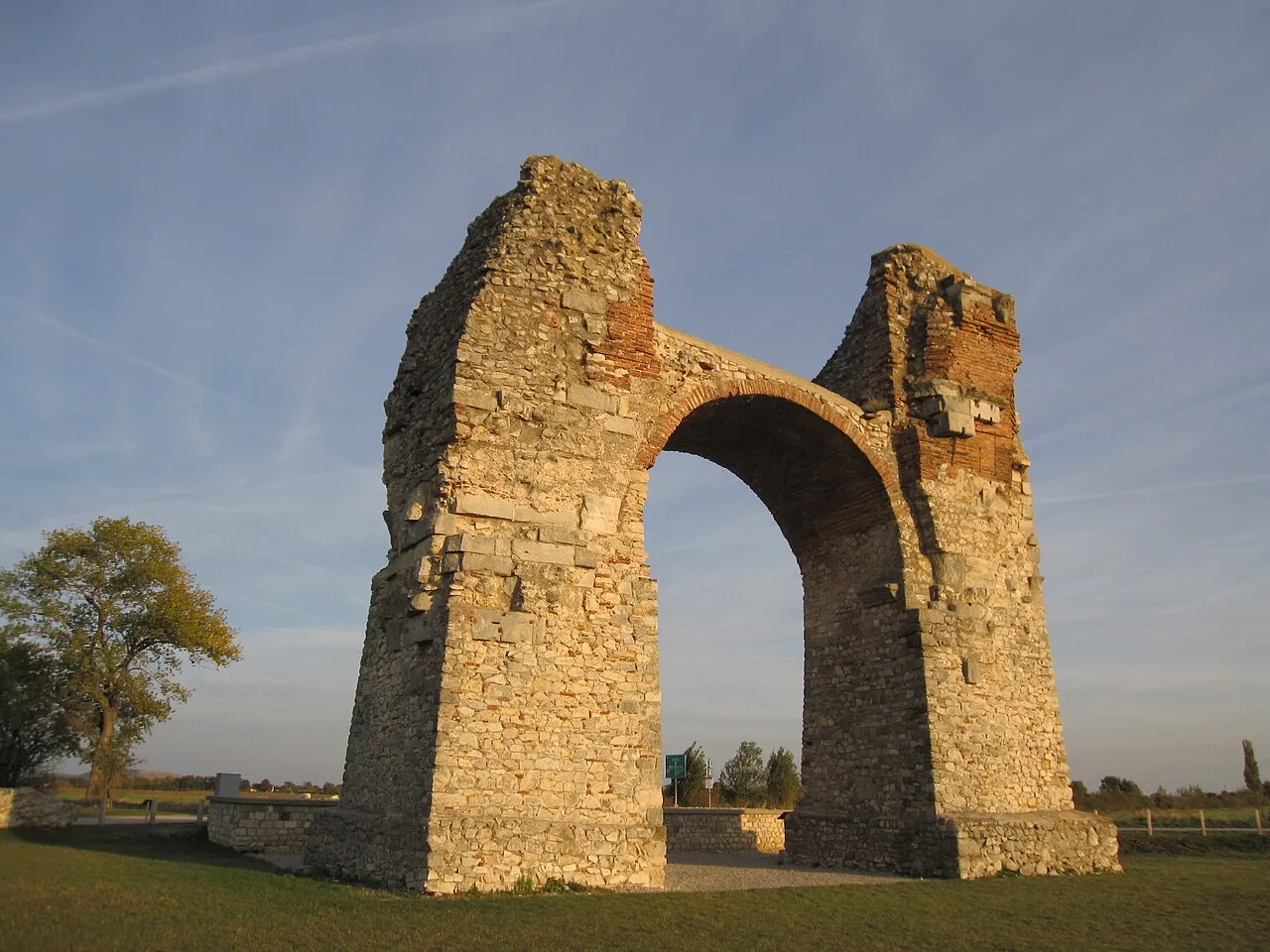
Nel 308 il rapporto tra Massimiano e suo figlio Massenzio si ruppe. Davanti all'esercito riunito a Roma, l'anziano padre tentò di strappare la porpora dalle spalle del figlio davanti ai soldati, ma le truppe si schierarono con Massenzio, e Massimiano fu costretto a fuggire ancora una volta da Costantino in Gallia. Nello stesso anno Diocleziano, richiamato dal suo ritiro di Spalato, presiedette a Carnuntum (Pannonia, oggi presso Vienna) una conferenza di pacificazione tra i tetrarchi. Diocleziano impose a Massimiano la seconda abdicazione: gli fu tolta nuovamente la porpora, questa volta in modo più umiliante, e gli fu intimato di rimanere privato. Licinio fu nominato nuovo Augusto d'Occidente. Massimiano accettò, ma il rancore era ormai inestirpabile.
In 308 the relationship between Maximian and his son Maxentius broke down. Before the army assembled at Rome, the old father tried to tear the purple from his son's shoulders in front of the soldiers, but the troops sided with Maxentius, and Maximian was once again forced to flee to Constantine in Gaul. That same year Diocletian, recalled from his retirement at Spalatum, presided at Carnuntum (Pannonia, today near Vienna) over a peace conference among the tetrarchs. Diocletian imposed on Maximian the second abdication: he was stripped again of the purple, this time more humiliatingly, and ordered to remain a private citizen. Licinius was named new western Augustus. Maximian accepted, but the resentment was now ineradicable.
04Il Tradimento di Costantino e il Suicidio (310 d.C.)Constantine's Betrayal and Suicide (310 AD)
La congiura di Arles (estate 310 d.C.)
The Arles conspiracy (summer 310 AD)
Riparato presso il genero Costantino ad Arelate (Arles) in Gallia, Massimiano avrebbe potuto vivere serenamente i suoi ultimi anni. Aveva sessant'anni, era stato Augusto per due decenni, ricco e onorato. Ma non riusciva a rinunciare. Nell'estate del 310, mentre Costantino era impegnato in una campagna contro i Franchi sul Reno, Massimiano tentò un colpo di Stato: corruppe parte della guardia, fece distribuire il suo tesoro ai soldati, si ammantò di nuovo della porpora ad Arelate, e diffuse la notizia che Costantino era morto in battaglia. Costantino, avvertito da messaggeri rapidissimi, lasciò la frontiera e marciò a marce forzate verso sud. Massimiano si rinchiuse in Massilia (Marsiglia), ma la città gli aprì le porte all'arrivo di Costantino. Fu catturato senza combattere.
Sheltered with his son-in-law Constantine at Arelate (Arles) in Gaul, Maximian could have lived out his final years serenely. He was sixty, had been Augustus for two decades, wealthy and honoured. But he could not give up. In the summer of 310, while Constantine was campaigning against the Franks on the Rhine, Maximian attempted a coup: he corrupted part of the guard, distributed his treasure to soldiers, donned the purple again at Arelate, and spread the news that Constantine had died in battle. Constantine, alerted by fast messengers, left the frontier and marched south by forced marches. Maximian shut himself up in Massilia (Marseille), but the city opened its gates to Constantine. He was captured without fighting.
Il suicidio e la damnatio memoriae
Suicide and damnatio memoriae
Costantino concesse all'anziano suocero un'apparente clemenza: lo lasciò vivere come privato cittadino. Ma poche settimane dopo, secondo Lattanzio, Massimiano avrebbe nuovamente complottato per assassinare Costantino con la complicità della figlia Fausta; secondo altre fonti la trama fu inventata per giustificare l'eliminazione: Massimiano fu condannato a morte. Gli fu concesso il "favore" del suicidio, probabilmente per impiccagione, nel luglio del 310 a Marsiglia. Costantino emanò la damnatio memoriae: tutte le statue di Massimiano dovevano essere abbattute, le iscrizioni cancellate, il nome rimosso dai documenti pubblici. La damnatio fu revocata pochi anni dopo, quando Costantino (ora signore d'Occidente, presto unico signore dell'Impero) ne ebbe bisogno politico: nel 317 Massimiano fu divinizzato e i suoi resti deposti onorificamente.
Constantine granted his elderly father-in-law apparent clemency: he let him live as a private citizen. But a few weeks later, according to Lactantius, Maximian conspired again to assassinate Constantine with the complicity of his daughter Fausta; according to other sources the plot was invented to justify the elimination: Maximian was condemned to death. He was granted the "favour" of suicide, probably by hanging, in July 310 at Marseille. Constantine issued the damnatio memoriae: all Maximian's statues were to be torn down, the inscriptions effaced, his name removed from public documents. The damnatio was revoked a few years later, when Constantine (now lord of the West, soon sole lord of the Empire) had political need of it: in 317 Maximian was deified and his remains placed in honourable burial.
Il giudizio della storia: l'opposto di Diocleziano
History's verdict: Diocletian's opposite
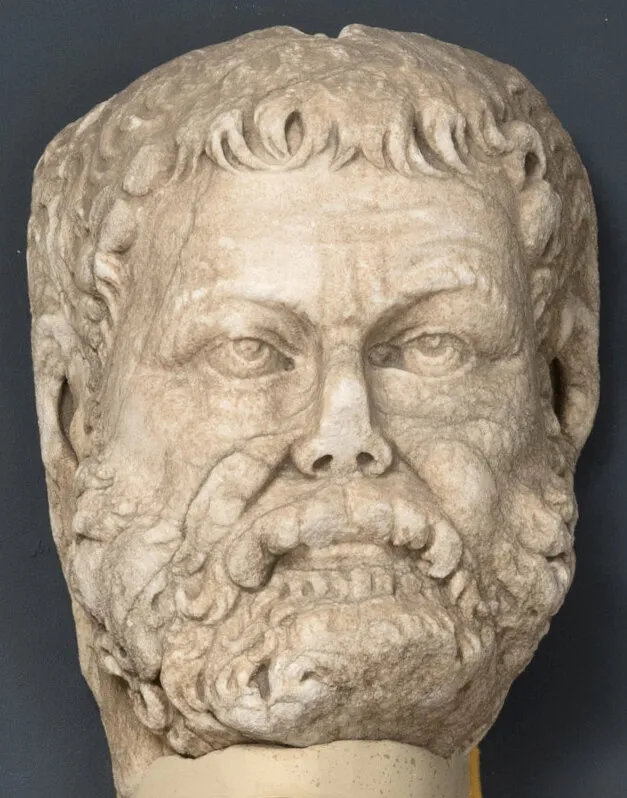
La vita di Massimiano è la dimostrazione che la saggezza dell'abdicare, che Diocleziano possedeva nella misura più alta, non poteva essere imposta dall'esterno. Stesso punto di partenza (peasante illirico), stessa grandezza militare, stessa fortuna: ma incapace della moderatio che chiude le grandi vite. Il sistema tetrarchico, che richiedeva la rinuncia volontaria, si infranse proprio sul suo carattere. La sua vicenda finale (due abdicazioni, due ritorni, una congiura, un suicidio) è il prologo amaro della guerra civile costantiniana che avrebbe consumato gli anni successivi e portato al Ponte Milvio del 312. Massimiano è l'imperatore che dimostrò, con la propria caduta, perché Diocleziano dovette ritirarsi a coltivare cavoli a Spalato.
Maximian's life is the demonstration that the wisdom of abdicating, which Diocletian possessed in the highest measure, could not be imposed from outside. Same starting point (Illyrian peasant), same military greatness, same fortune: but incapable of the moderatio that closes great lives. The tetrarchic system, which required voluntary renunciation, broke precisely on his character. His final story (two abdications, two returns, a conspiracy, a suicide) is the bitter prologue to the Constantinian civil war that would consume the following years and lead to the Milvian Bridge in 312. Maximian is the emperor who demonstrated, by his own fall, why Diocletian had to retire to grow cabbages at Spalatum.